bluename
 How to Care for Epiphyllum: A Complete Guide to Growing Night-Blooming Cereus
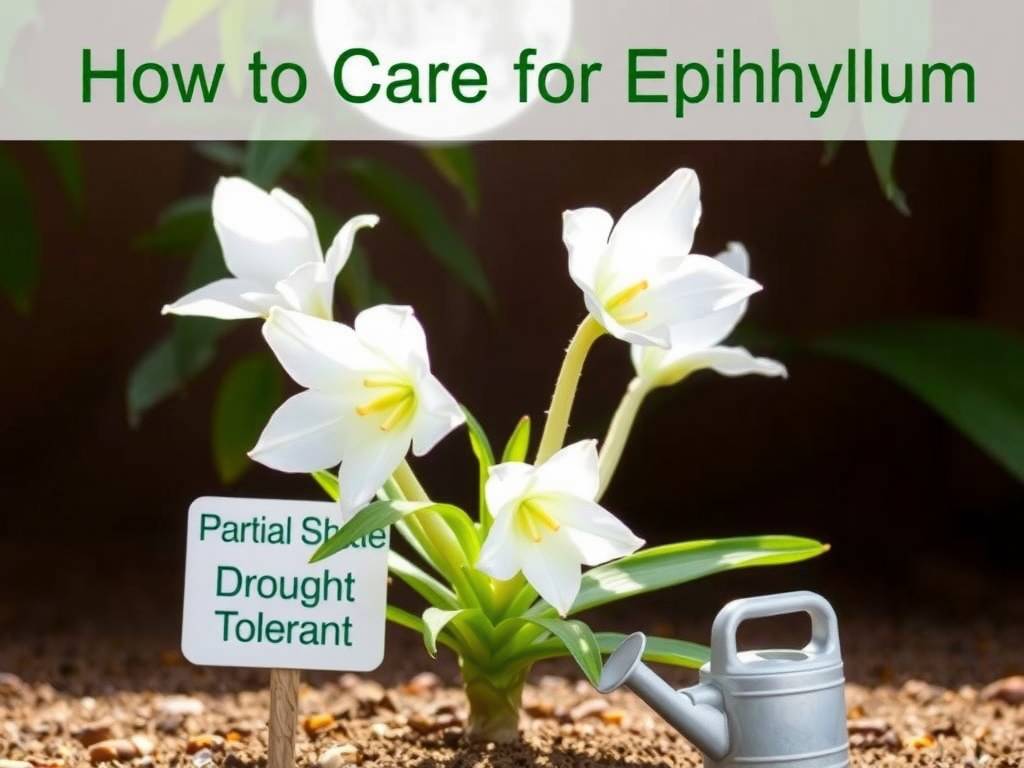
You've brought home the enchanting Epiphyllum, lured by the promise of its spectacular, large white night-blooming flowers. But now, you're faced with a dilemma. Its unique, flat stems look unlike any typical plant, and you're unsure how to keep it thriving. Why isn't it blooming? Is it getting too much sun or not enough water? The fear of losing this botanical marvel is real. Fear not. With the right knowledge, caring for this drought-tolerant, partial-shade lover is straightforward and deeply rewarding. This guide will walk you through every step to ensure your Night-Blooming Cereus not only survives but puts on a breathtaking floral show.
Understanding Your Epiphyllum: The Night Bloomer
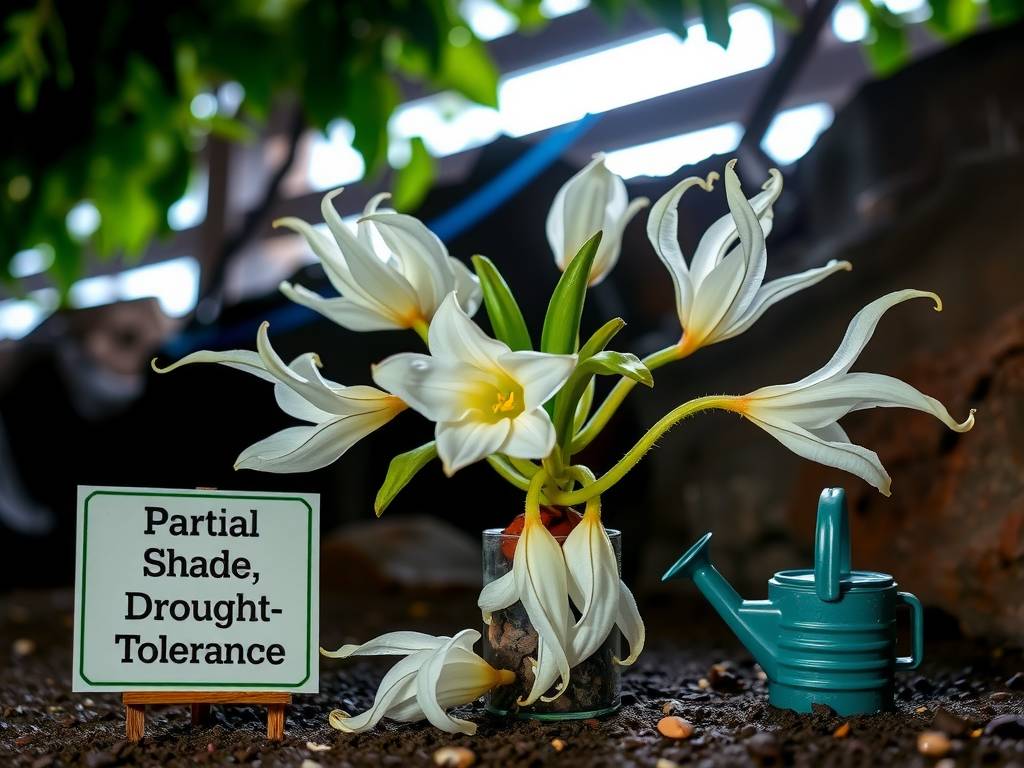
Epiphyllum, commonly known as orchid cactus or night-blooming cereus, is a genus of epiphytic cacti native to Central and South American forests. Unlike desert cacti, they grow on trees in dappled light, absorbing moisture and nutrients from the air and organic matter. This origin is the key to their care: they crave bright but indirect light and excellent drainage, not harsh desert sun. Their stunning, fragrant flowers, which can span over six inches, open for one magical night, making proper epiphyllum plant care a pursuit worth mastering.
The Perfect Environment: Light and Temperature
Getting the light right is the single most important factor for healthy growth and prolific blooming. Remember the keywords: partial shade.
Place your Epiphyllum where it will receive bright, filtered light. An east-facing window is ideal, providing gentle morning sun. A north-facing window can also work well. If you only have a south or west exposure, use a sheer curtain to diffuse the intense afternoon rays, which can scorch the fleshy stems. During the warm summer months, many growers successfully move their plants to a shaded patio or under a tree. As noted by horticulturist Dr. Linda Chalker-Scott, "Epiphytic cacti have evolved to exploit light gaps in the forest canopy. Replicating this dappled light prevents photoinhibition and promotes robust stem growth."
Maintain temperatures between 50°F (10°C) and 85°F (29°C). They enjoy warmer temperatures during the active growing season (spring and summer) and benefit from a cooler, drier rest period in winter, with temperatures around 50-60°F (10-15°C), to stimulate flower bud formation.
Mastering the Watering Cycle: Embracing Drought Tolerance
Your Epiphyllum's drought-tolerant nature is a survival adaptation. Overwatering is a far greater threat than underwatering.
During the active growing season (spring through early fall), water thoroughly when the top inch of the potting mix feels completely dry. Soak the pot until water runs freely from the drainage holes, then let all excess water drain away. Never let the plant sit in a saucer of water. Then, allow the soil to dry out significantly before watering again.
In the late fall and winter, when growth slows, reduce watering dramatically. You may only need to water once a month or even less, just enough to prevent the stems from shriveling excessively. This period of "rest" is crucial for triggering the development of those coveted large white night-blooming flowers.
Soil and Potting: The Foundation for Health
A loose, airy, and extremely well-draining potting mix is non-negotiable. A standard cactus mix is a good start, but for optimal results, amend it. A perfect blend might be:
- 40% high-quality cactus potting soil
- 30% orchid bark or coconut coir chunks (for aeration and mimicry of epiphytic life)
- 20% perlite or pumice
- 10% worm castings (for gentle, organic nutrition)
Choose a pot with ample drainage holes. Terracotta pots are excellent because they are porous and help wick away excess moisture, reducing the risk of root rot. Repot every 2-3 years, or when the plant becomes root-bound, ideally in the spring.
Feeding for Growth and Spectacular Blooms
Fertilizing supports lush stems and encourages flowering. Use a balanced, water-soluble fertilizer diluted to half-strength (e.g., 10-10-10 or 5-5-5). Alternatively, a fertilizer higher in phosphorus (the middle number) can promote blooming.
Apply this diluted fertilizer every 4-6 weeks during the active growing season (spring and summer). Stop all fertilization in the fall and winter during the plant's dormant period. This pause is a critical part of how to get your epiphyllum to bloom.
Troubleshooting Common Issues
- Yellowing Stems: Usually a sign of overwatering, poor drainage, or too much direct sun. Check your watering habits and light conditions.
- No Blooms: The most common complaint. This is typically due to insufficient light (not bright enough), lack of a winter cool/dry rest period, or over-fertilizing with nitrogen. Ensure you are providing bright, indirect light and enforcing a proper dormancy.
- Red or Purple Tinges on Stems: This is often a stress response, usually from too much direct sunlight. Move the plant to a location with more filtered light.
- Pests: Watch for mealybugs (cottony masses) or scale (small, bumpy insects). Wipe them off with a cotton swab dipped in rubbing alcohol or use an insecticidal soap.
Propagating Your Epiphyllum
Sharing your plant is easy through stem cuttings. In spring or summer, take a healthy, mature stem section that is 6-8 inches long. Let the cut end callous over in a dry, shaded spot for 5-7 days. Then, insert the calloused end about an inch deep into a small pot filled with the well-draining mix described above. Do not water for the first week, then water lightly. Keep in bright, indirect light. Roots should develop in a few weeks.
Why are the buds on my Epiphyllum falling off before they open? Bud drop is often caused by a sudden change in environment, such as moving the plant, a drastic temperature shift, or inconsistent watering (especially letting the plant dry out too much once buds have formed). Once buds appear, keep the plant in a stable location and maintain a very consistent, lightly moist (not wet) soil.
Can I make my Epiphyllum flower during the day? The nocturnal blooming is a deeply ingrained genetic trait, primarily to attract specific night-pollinating moths and bats. You cannot permanently change this cycle. However, you can observe the flowers in a dark room during the day by carefully manipulating light exposure in the days leading up to blooming, but this is stressful for the plant and not recommended for regular practice.
How often should a healthy Epiphyllum bloom? A mature, well-cared-for plant can bloom multiple times per year, typically from late spring through fall. The frequency depends on age, light exposure, and the rigor of its winter rest period. Some specimens may produce dozens of flowers in a season, while others may offer a few spectacular shows.
Caring for an Epiphyllum is a lesson in patience and understanding. By respecting its need for bright, filtered light, embracing its drought-tolerant tendencies with a careful watering hand, and providing the annual rest it requires, you set the stage for one of gardening's most extraordinary events. That moment when the tightly coiled buds unfurl into large, luminous, and fragrant white flowers under the cover of night is the ultimate reward. Your dedication to providing the right partial shade conditions and avoiding overcare will be repaid with a breathtaking display that makes every step of the journey worthwhile.