bluename
 How to Care for Orchid Cactus: A Guide to Strong Light, Ventilation, and Vibrant Arrow-Shaped Blooms
You’ve brought home a stunning orchid cactus, captivated by its promise of breathtaking, arrow-shaped flowers. Yet, instead of a cascade of vibrant blooms, you’re met with limp stems, lackluster growth, or—most disheartening—no flowers at all. This common frustration stems from one root cause: treating this unique epiphytic cactus like a typical desert cactus or a regular houseplant. Achieving those spectacular floral displays requires understanding its specific needs for strong light, well-ventilated conditions, and bright arrow-shaped flowers. This guide cuts through the confusion, offering a clear, step-by-step blueprint to transform your plant into a thriving, flowering spectacle.
Understanding Your Orchid Cactus: More Than Just a Cactus
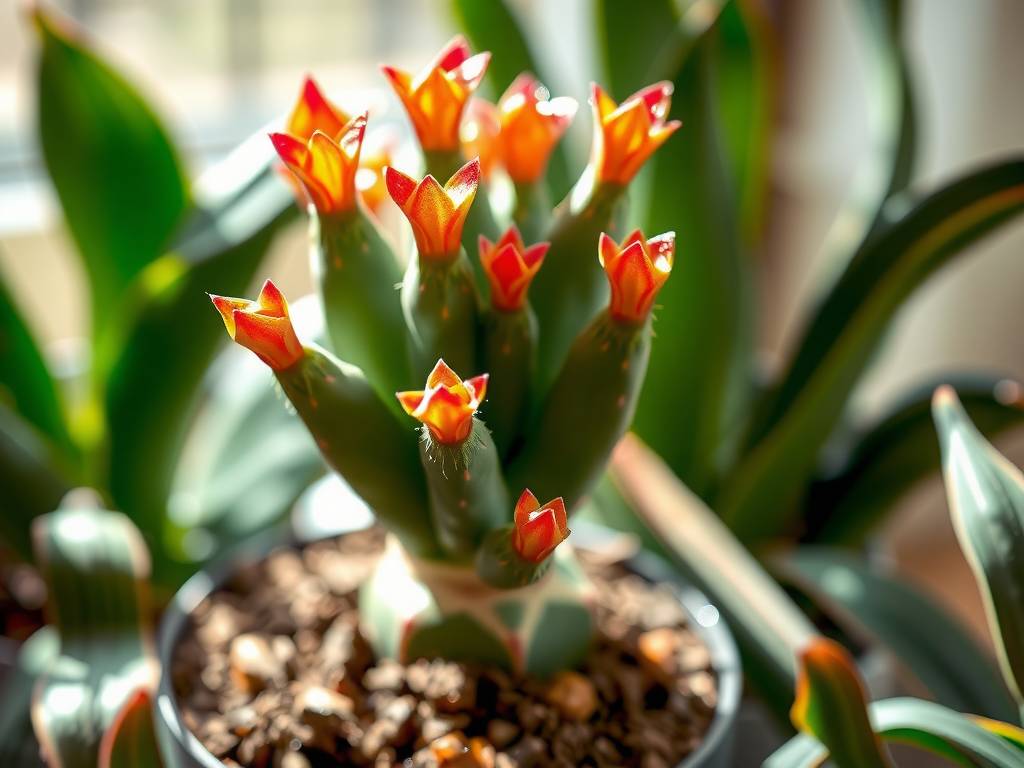
Native to the tropical forests of Central and South America, the orchid cactus (Epiphyllum), often called a "jungle cactus," grows on trees rather than in arid soil. This origin story is the key to its care. It craves bright, filtered light like the dappled sun under a forest canopy, not the relentless, scorching rays of a desert. Its roots demand exceptional drainage and air flow, mimicking the loose, decaying matter found in tree crotches. When these conditions are met, the plant rewards you with its iconic, often nocturnal, brilliantly colored arrow-shaped flowers.
The Golden Rule: Providing the Perfect Light
The single most critical factor for both health and flowering is light. Insufficient light leads to weak, elongated, pale green growth and a complete absence of blooms. Too much direct, harsh sun can scorch the flat, leaf-like stems, leaving permanent yellow or brown scars.
- Ideal Light Conditions: Your orchid cactus thrives in strong, indirect light. An east-facing window is often perfect, providing several hours of gentle morning sun. A south or west-facing window can work brilliantly if the light is filtered through a sheer curtain or if the plant is placed a few feet back from the windowpane.
- Seasonal Adjustments: During the shorter, dimmer days of winter, maximize available light. In the intense summer, be vigilant about shielding it from midday sun. As noted by lead horticulturist at the Royal Botanic Gardens, "Epiphyllums are light-hungry but sun-shy. Their stems are designed to capture forest canopy light, not full solar exposure."
- Supplemental Lighting: If natural light is inadequate, especially for triggering blooms, a grow light is an excellent investment. Use a full-spectrum LED panel for 12-14 hours a day to simulate long summer days.
Creating a Well-Ventilated Environment for Health
Well-ventilated care goes beyond simply placing your plant in a breezy spot. It encompasses air circulation, potting medium, and container choice to prevent the root rot and fungal issues these plants are prone to.
- Air Flow: Ensure good air movement around the plant. A ceiling fan on low or a nearby oscillating fan promotes strong transpiration and discourages pests and mold. Avoid stagnant, humid corners.
- The Critical Potting Mix: Standard potting soil is a death sentence. You need a sharply draining, chunky, and airy mix. A proven recipe is: 40% high-quality orchid bark (for structure and aeration), 30% perlite or pumice (for drainage), 20% coconut coir or peat moss (for slight moisture retention), and 10% worm castings (for gentle nutrients).
- Pot Selection: Always use a pot with multiple drainage holes. Terracotta pots are ideal as they are porous, allowing the medium to dry more evenly and promoting root ventilation. Ensure the pot is only slightly larger than the root ball to prevent excess, soggy soil.
The Watering Balance: Moist but Never Soggy
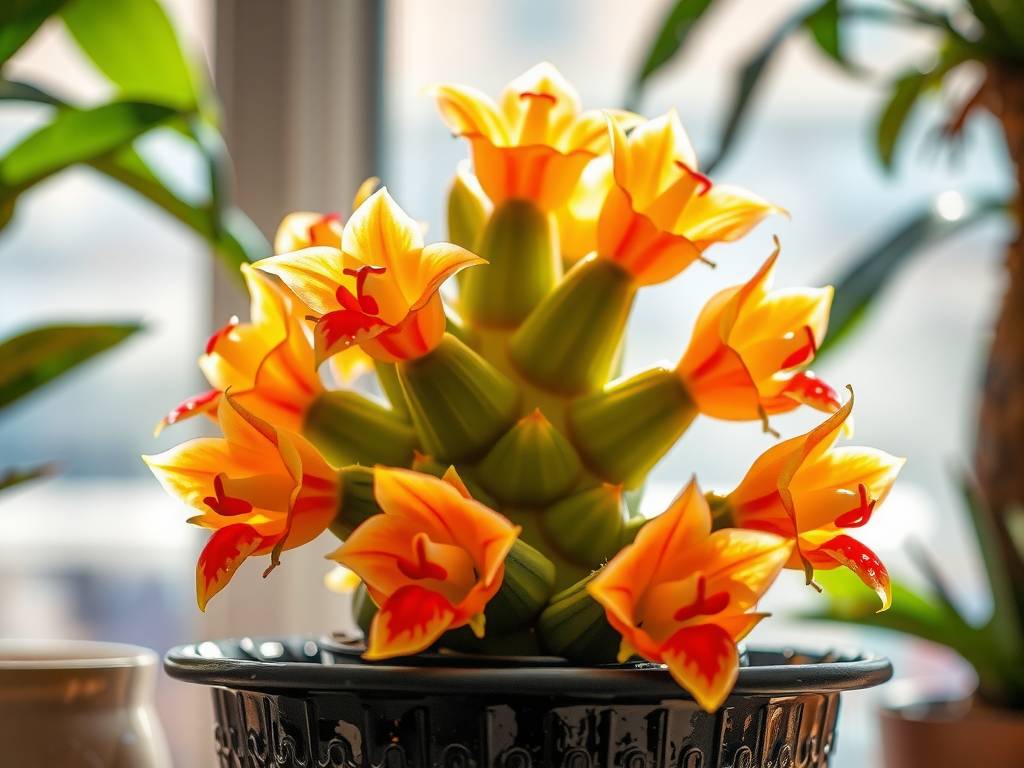
Watering is where most enthusiasts stumble. The goal is to mimic a tropical rain shower followed by a period of drying.
- Growing Season (Spring-Summer): Water thoroughly when the top third of the potting mix has dried out. Soak the pot until water runs freely from the bottom, then let it drain completely. Never let the plant sit in a saucer of water.
- Dormant Period (Fall-Winter): This is crucial for flower bud formation. Significantly reduce watering in late fall and winter, allowing the medium to dry out almost completely between waterings. Just provide enough to prevent the stems from severely shriveling. This cool, dry rest period is the secret signal for the plant to set buds.
Feeding for Spectacular Arrow-Shaped Flowers
To support the enormous energy demand of producing those bright arrow-shaped flowers, your plant needs proper nutrition.
- Fertilizer Type: Use a balanced, water-soluble fertilizer diluted to half-strength (e.g., 10-10-10 or 20-20-20) during the active growing season (spring and summer). Alternatively, a fertilizer higher in phosphorus (the middle number) can promote blooming.
- Feeding Schedule: Apply fertilizer every 4-6 weeks during growth periods. A monthly application of a diluted, high-potassium fertilizer, like a tomato feed, in the early spring can encourage prolific blooming. As expert grower Maria Garcia emphasizes in The Epiphyllum Journal, "Consistent, mild feeding beats occasional strong doses. We aim to replicate the constant, slow nutrient drip of the forest canopy."
- When to Stop: Cease all fertilization during the late fall and winter rest period.
Encouraging and Managing the Bloom
The payoff for your careful orchid cactus care is the spectacular floral display. Here’s how to ensure it happens.
- Bud Formation: After the winter rest, with increased light and water in spring, look for small, knobby buds forming on the notches of the stems. These are your future arrow-shaped blooms.
- Bud Care: Once buds appear, avoid moving or rotating the plant, as this can cause them to abort. Maintain consistent watering and light.
- The Bloom: Flowers typically open at night and may last only a day or two. Some species are fragrant. Enjoy the spectacular show!
Common Troubleshooting Issues
- Red or Purple Stems: This is often a sign of strong light that is too direct, causing a "tan." Move to a location with bright, indirect light.
- Soft, Mushy Stems: A classic sign of overwatering and/or poor drainage, leading to root rot. Cut back on watering immediately, improve ventilation, and repot into fresh, dry mix if necessary.
- No Flowers: The most common complaint. Re-evaluate the three pillars: Was the winter rest period cool and dry? Is the light strong but indirect enough? Has the plant been fed appropriately during the growing season?
Frequently Asked Questions
Why are the buds on my orchid cactus falling off before opening? Bud drop is typically caused by a sudden change in environment—especially in temperature or light direction—after buds have set. It can also be due to under-watering once buds have formed or a lack of consistent humidity. Keep the plant in a stable location and maintain your care routine.
Can I grow an orchid cactus outdoors? Absolutely, in USDA zones 10-11 or during warm summer months in temperate climates. Choose a spot with dappled shade, such as under a tree or a shaded patio. Ensure it is protected from intense afternoon sun and heavy rain. The well-ventilated conditions outdoors are often ideal.
How often should I repot my orchid cactus? Repot every 2-3 years, or when the plant becomes severely root-bound or the potting mix breaks down and loses its drainage. The best time is in the spring, just as new growth begins. Remember to use a fresh, airy epiphytic mix and a pot only one size larger.
Mastering the care of your orchid cactus is a rewarding journey. By faithfully providing strong light without scorching, ensuring a well-ventilated root zone through the perfect potting mix, and supporting its cycle with seasonal watering and feeding, you create the perfect environment for success. The result is not just a healthy plant, but an annual celebration of stunning, bright arrow-shaped flowers that make all your careful attention utterly worthwhile. Start by assessing your plant’s light situation today—it’s the first step toward unlocking its blooming potential.