bluename
 How to Care for Vriesea: Your Guide to Thriving Torch-Shaped Flower Spikes
You've brought home a stunning Vriesea, captivated by its architectural leaves and that spectacular, torch-like flower spike. But now, you're wondering how to keep it looking that vibrant. Why are the leaf tips turning brown? Is it getting enough light? How do you water this unique plant without causing rot? These are common frustrations, but don't worry. With a few key principles—providing warm filtered light, maintaining consistent moisture without waterlogging, and understanding its flowering cycle—you can master Vriesea care and enjoy its exotic beauty for years to come.
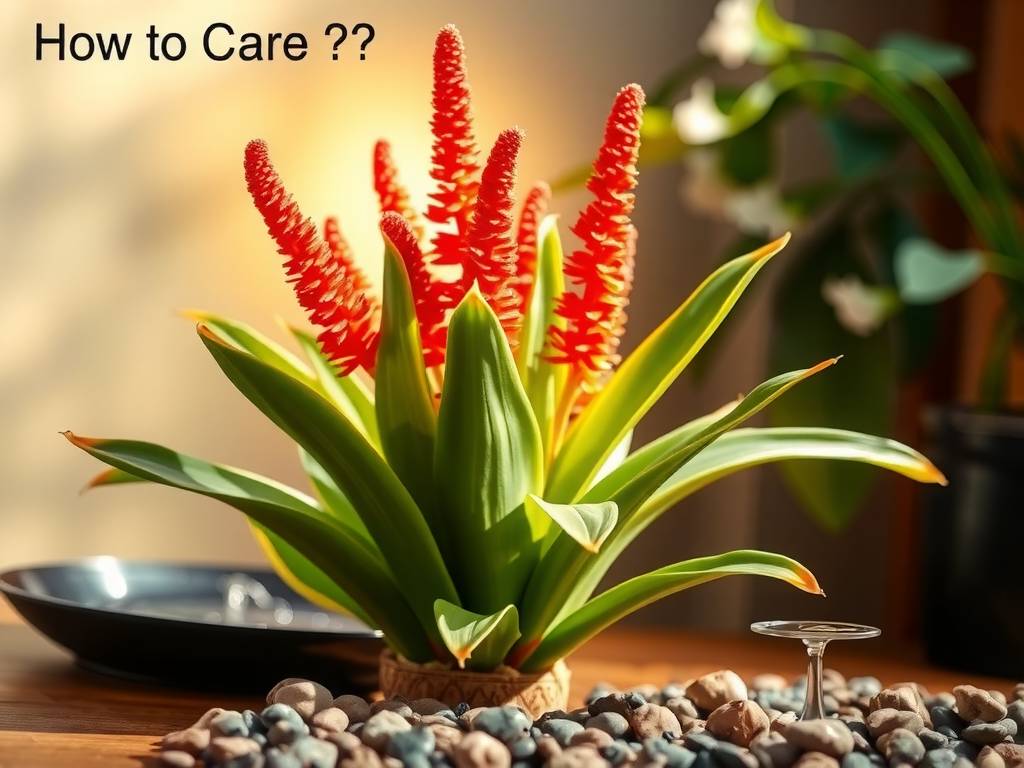
This comprehensive guide will walk you through every step, transforming uncertainty into confidence as you nurture your bromeliad.
The Essential Foundation: Understanding Your Vriesea's Nature
Before diving into specific care routines, it helps to know where your Vriesea comes from. Native to the rainforests of Central and South America, Vrieseas are epiphytes, often growing on trees rather than in soil. This means their roots are primarily for anchorage, and they absorb water and nutrients through a central cup formed by their leaves. This unique structure is the key to their care, differing significantly from your typical houseplant.
Mastering Light: The Warm Filtered Glow
Light is the non-negotiable starting point for a healthy Vriesea. The goal is to replicate the dappled sunlight of its forest canopy home.
Ideal Lighting Conditions Avoid direct, harsh sunlight, especially from south or west-facing windows in summer, as it can quickly scorch the leaves, leaving unsightly brown patches. Conversely, deep shade will lead to a loss of color vibrancy, stunted growth, and will almost certainly prevent the plant from ever producing its famous torch-shaped flower spike.
The perfect spot is where it receives bright, indirect light. An east-facing window is often ideal, bathing the plant in gentle morning sun. A north-facing window can work if it's sufficiently bright. For west or south exposures, use a sheer curtain to filter the intense rays. If natural light is limited, consider a broad-spectrum grow light placed about a foot above the plant for 10-12 hours a day.
Signs of Light Stress
- Too Much Light: Bleached or scorched yellow/brown leaves, dry leaf tips.
- Too Little Light: Dark green, elongated, floppy leaves, no new growth, and absence of flowering.
The Art of Watering: Moist But Never Soggy
This is where many Vriesea owners go astray. Remember the central cup? That's your primary watering target.
The Cup Watering Method Keep the central vase or cup of the plant about one-quarter full of water at all times. Use filtered, rainwater, or distilled water if possible, as Vrieseas are sensitive to the chemicals and minerals in tap water, which can cause tip burn. Flush out the old water from the cup completely every 1-2 weeks to prevent stagnation and bacterial growth. Refill with fresh water.
Soil Moisture and Root Hydration While the cup is crucial, the growing medium should not be ignored. Water the soil lightly when the top inch feels dry to the touch. The goal is a moist, well-draining mix—never waterlogged. "Moist, no waterlogging" is the golden rule. A pot with excellent drainage holes is absolutely essential. According to a study by the University of Florida's IFAS Extension on bromeliad cultivation, root rot from saturated media is the leading cause of failure in home cultivation.
Humidity: The Invisible Boost As tropical plants, Vrieseas appreciate humidity levels above 50%. In dry homes, especially during winter, increase humidity by placing the pot on a pebble tray filled with water, grouping it with other plants, or using a room humidifier. Misting the leaves lightly can help but is not a substitute for proper cup watering.
Soil and Nutrition: A Light Touch
Vrieseas are not heavy feeders, and their soil needs are specific.
The Perfect Potting Mix Use a specialized bromeliad or orchid mix. These are typically airy blends of bark chips, perlite, coarse sand, and a little peat moss. They provide perfect drainage and aeration, mimicking the plant's natural epiphytic conditions. Standard potting soil retains too much moisture and will compact around the roots, leading to rot.
Fertilizing for Health and Color Feed sparingly during the growing season (spring and summer). Use a balanced, water-soluble fertilizer diluted to 1/4 or 1/2 strength. You can apply this weakly diluted fertilizer directly to the cup or to the soil, once a month at most. Over-fertilizing will damage the roots and can distort the beautiful foliage.
Encouraging the Spectacular Torch-Shaped Flower Spike
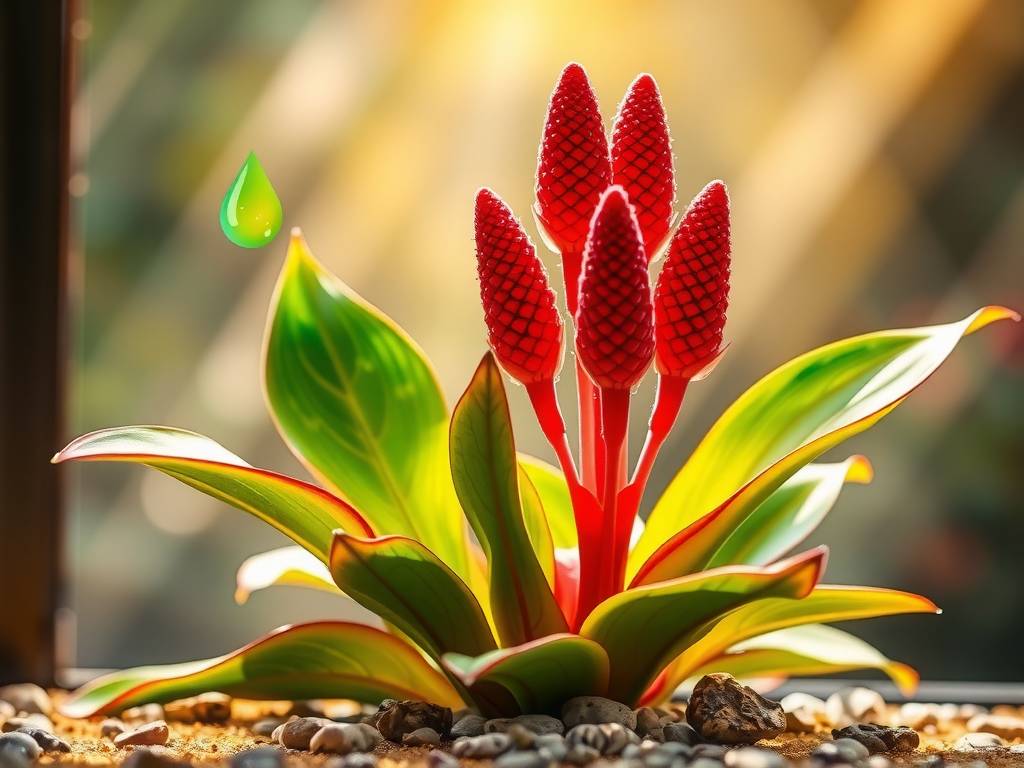
The vibrant, long-lasting flower spike is the crowning glory of a Vriesea. If your plant is mature (usually 2-3 years old) and receiving adequate light, it should bloom naturally. The bloom can last for months.
What to Do After Flowering Here's a critical fact: the mother plant will slowly die after flowering. Don't panic—this is its natural lifecycle. Before it does, it will produce offshoots called "pups" at its base.
Propagating Through Pups Allow pups to grow until they are about one-third to half the size of the mother plant. They should have developed their own root systems. Using a clean, sharp knife, carefully separate the pup from the mother plant. Pot it up in a small container with fresh bromeliad mix. Care for it as you would a mature plant, and you'll have a new Vriesea that will likely flower in a couple of years. This cycle of renewal is part of the joy of bromeliad care.
Troubleshooting Common Issues
- Brown Leaf Tips: Usually caused by dry air, chemicals in tap water, or under-watering the cup.
- Soft, Brown Base or Leaves Falling Off: A classic sign of root rot from overwatering or poor drainage. You may need to remove the plant, cut away any mushy roots, and repot in fresh, dry mix.
- Faded or Scorched Leaves: Too much direct sunlight.
- No Flower Spike: The plant is either too immature or, most commonly, not receiving enough bright indirect light.
- Pests: Watch for scale or mealybugs, often appearing as cottony or waxy bumps. Wipe with a cotton swab dipped in rubbing alcohol or use insecticidal soap.
My Vriesea's flower spike has died. Is the plant dead? Not immediately. The flowering signals the beginning of the end for the mother plant, but it will live on for months while producing pups. Focus your care on nurturing these pups to continue your plant's legacy.
Can I use tap water in the central cup? It's not recommended. Minerals like fluoride and chlorine can build up, causing "tip burn." For optimal Vriesea plant health, use filtered, rainwater, or distilled water. If you must use tap water, let it sit out overnight to allow some chemicals to evaporate.
How often should I repot my Vriesea? Rarely. Their root systems are small and they prefer to be slightly pot-bound. Repot only when the plant becomes top-heavy, the medium breaks down completely, or when separating pups. Always use a fresh bromeliad mix and a pot only slightly larger than the root ball.
Caring for a Vriesea is a rewarding practice that connects you to the rhythm of the rainforest. By providing the cornerstone of warm filtered light, mastering the balance of moisture without waterlogging, and understanding its fascinating life cycle centered on that magnificent torch-shaped bloom, you create an environment where this exotic bromeliad can truly thrive. Pay attention to its signals, be patient with its pace, and you'll be rewarded with a spectacular, architectural plant that brings a lasting touch of the tropics to your space.