bluename
 How to Care for Guzmania: Your Guide to Vibrant, Lasting Flower Spikes
You've brought home a stunning Guzmania with its signature bright red flower spike, a true tropical masterpiece. But now, worry sets in. Why are the leaf tips turning brown? Is it getting enough light? How do you water this unique plant without causing rot? You're not alone. Many plant enthusiasts find bromeliad care, particularly for showstoppers like the Guzmania, a bit mysterious. The good news is that with a few key principles—providing warm filtered light, maintaining moisture without waterlogging, and understanding its growth cycle—you can keep your Guzmania thriving and its color spectacular for months.
This guide cuts through the confusion, offering clear, actionable steps based on horticultural best practices to ensure your bromeliad remains the centerpiece of your indoor jungle.
Understanding Your Guzmania: More Than Just a Pretty Flower
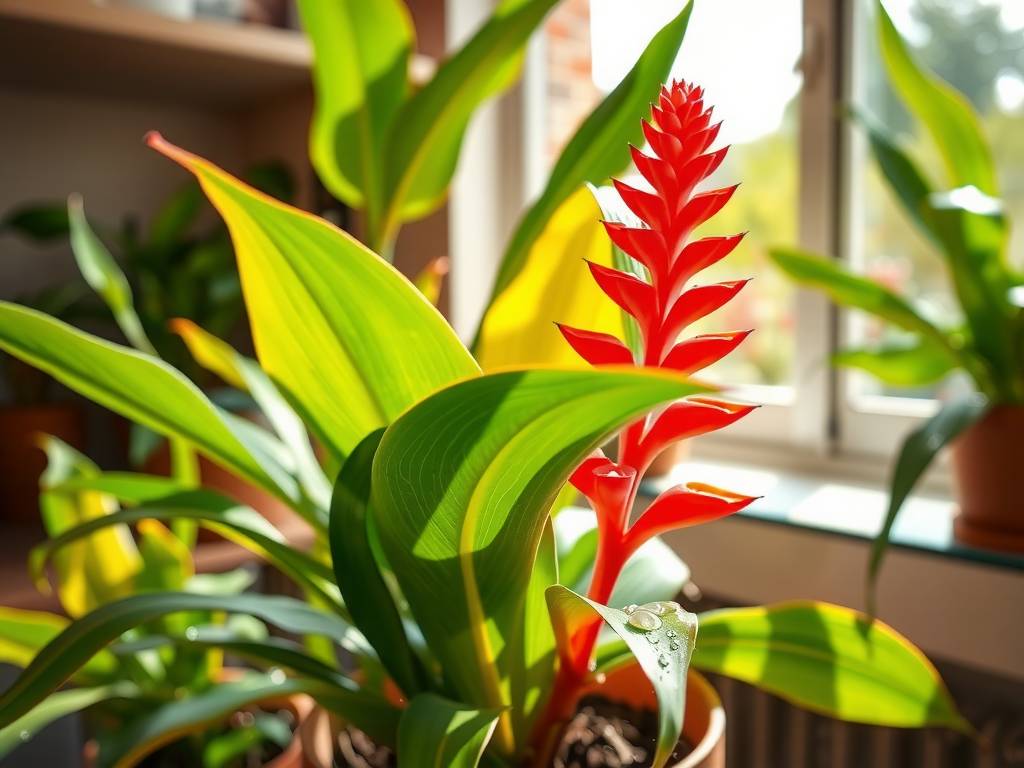
First, let's understand what makes a Guzmania special. It's an epiphytic bromeliad, meaning in its native tropical habitats from South America to Florida, it often grows on trees rather than in soil. It gathers moisture and nutrients through its central "cup" or "vase" and its leaves, not primarily through its roots. This unique biology is the key to all its care requirements. The vibrant structure we adore isn't technically a flower but a modified leaf cluster called a bract. The actual flowers are small and short-lived, nestled within this bract. Our goal is to support the entire plant to sustain that brilliant display.
Mastering the Light: The Secret to Vibrant Color
Light is the artist that paints your Guzmania's bract. The core principle is warm filtered light. Direct, harsh afternoon sun will scorch the leaves, leaving bleached or brown patches. Deep shade, however, will lead to a dull, faded color and a leggy, weak plant.
The ideal spot is near an east or north-facing window where it receives plenty of bright, indirect light. A south or west-facing window can work if the plant is shielded by a sheer curtain or placed a few feet back from the glass. As noted by the Bromeliad Society International, most bromeliads prefer light intensities of 1,500 to 2,500 foot-candles, which is typical of a bright indoor room without direct sun. If the rich red of your Guzmania's flower spike is deepening and the foliage is a healthy, stiff green, you've found the sweet spot.
The Art of Watering: Moisture Without Waterlogging
This is the most critical and often misunderstood aspect of how to care for Guzmania. Forget your standard watering can routine. Your Guzmania drinks from its central tank.
- Filling the Cup: Keep the central vase (the cup formed where the leaf bases meet) about one-quarter full of water. Use filtered, rainwater, or distilled water if possible, as bromeliads are sensitive to the chemicals and minerals in tap water, which can cause tip burn.
- Flushing is Crucial: Every 1-2 weeks, tip the plant over to empty the old water from the cup. Stagnant water becomes a breeding ground for bacteria and rot. Refill it with fresh water. This simple flush-and-refill method is non-negotiable for a healthy plant.
- Soil Moisture: While the roots are mainly for anchorage, the potting medium should be kept lightly moist, never soggy. Water the soil only when the top inch feels dry to the touch. Overwatering the soil is a fast track to root rot—the "waterlogging" we must avoid. A well-draining mix is essential.
Crafting the Perfect Environment: Humidity, Temperature, and Soil
Your Guzmania craves a stable, tropical environment.
- Humidity: Aim for 50-60% humidity. In dry homes, place the pot on a pebble tray filled with water (ensure the pot sits above the water line) or use a room humidifier. Regular misting around the plant can help, but avoid over-misting the central cup as a supplement to proper watering.
- Temperature: Keep your plant in warm conditions between 65°F and 80°F (18°C - 27°C). Protect it from cold drafts, air conditioning vents, and sudden temperature drops below 60°F (15°C).
- Potting Mix: Use a specialized bromeliad or orchid mix. These are typically airy blends of bark, perlite, and coarse peat moss that provide excellent drainage and aeration, preventing the soil from staying waterlogged.
Feeding for Strength and Color
Guzmanias are not heavy feeders. During the active growing season (spring and summer), you can feed it monthly with a water-soluble fertilizer diluted to 1/4 or 1/2 strength. Apply the fertilizer solution directly into the central cup when you refill it after flushing. Avoid over-fertilizing, as it can damage the roots and spoil the vibrant color of the bright red flower spikes.
The Lifecycle and Encouraging New Growth
Here's a bittersweet fact: a Guzmania blooms once, and then the mother plant slowly dies. This process can take a year or more. Don't despair—this is natural. As it fades, it produces offshoots called "pups" at its base.
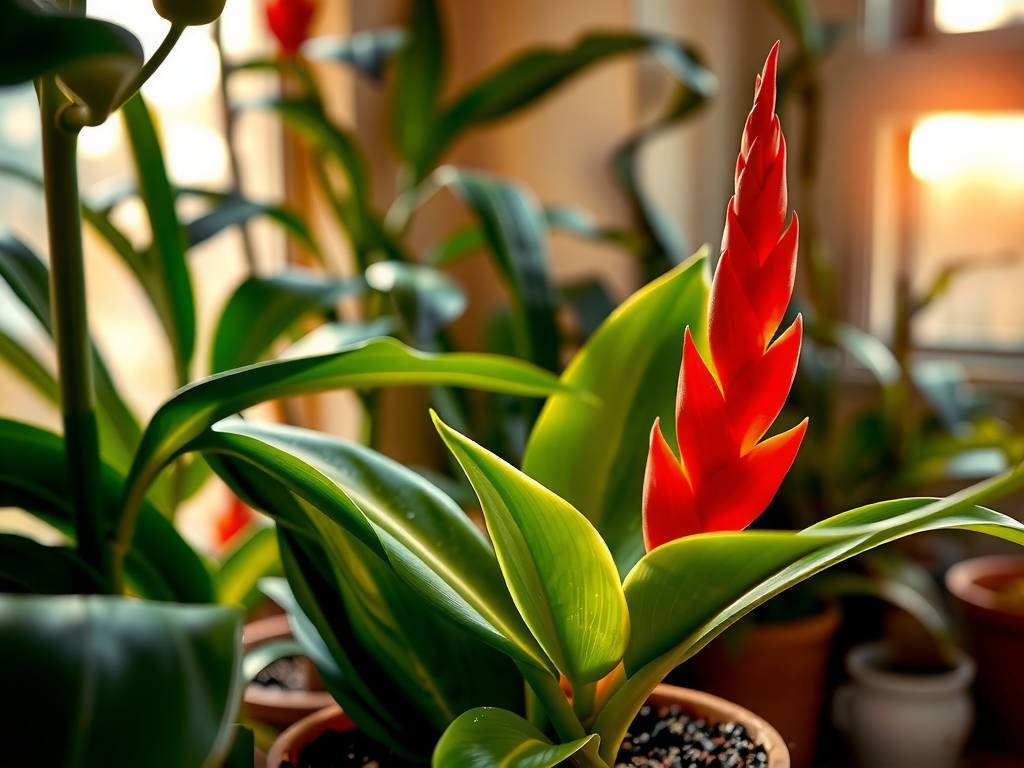
- Caring for Pups: Allow the pups to grow until they are about one-third to one-half the size of the mother plant and have developed their own roots.
- Propagation: You can then carefully remove them with a sterile knife and pot them individually in a small container with bromeliad mix. With proper Guzmania plant care, these pups will mature and eventually produce their own spectacular flower spikes, continuing the cycle.
My Guzmania's flower spike is turning green/brown. Is it dying? Yes, but gradually. The colorful bract will naturally fade after several months, signaling the end of its primary bloom cycle. This is the plant's energy shifting to producing pups. Continue caring for the mother plant as it nurtures its offspring.
Can I use tap water in the central cup? It's not recommended. Minerals like fluoride and chlorine can build up, causing unsightly brown leaf tips ("tip burn"). Using filtered or rainwater is best for maintaining pristine foliage and a healthy cup.
How do I get my new Guzmania pup to bloom? Maturity is key. The pup needs to reach a mature size, which can take 1-3 years. To encourage blooming, you can place a ripe apple near the plant in a sealed transparent bag for 1-2 weeks. The ethylene gas the apple emits can sometimes trigger the flowering process in mature bromeliads.
By replicating the dappled light, humid air, and efficient watering of its native habitat, you become a steward of a remarkable natural process. The journey from a single vibrant bright red flower spike to a cluster of new pups is deeply rewarding. With consistent attention to its unique needs for warm filtered light and a moist but not waterlogged environment, your Guzmania will not just survive but will tell a story of growth, renewal, and lasting tropical beauty in your home.