bluename
 How to Care for Tillandsia: A Complete Guide to Warm Partial Shade, Moisture, and Exotic Blooms
You’ve brought home a stunning Tillandsia, captivated by its sculptural form and the promise of exotic bright flowers. But now, the questions start. Why are the tips turning brown? Is it getting too much sun or not enough? How do you water a plant with no soil without causing rot? You’re not alone in this dilemma. Many plant enthusiasts find air plants, or Tillandsias, mystifying because their care defies traditional gardening rules. The secret to unlocking their vibrant health and spectacular blooms lies in mastering a few non-negotiable principles: providing warm partial shade, maintaining the right moisture balance without waterlogging, and understanding their unique lifecycle. This guide will demystify the process, transforming your uncertainty into confidence.
Understanding Your Tillandsia: More Than Just an Air Plant
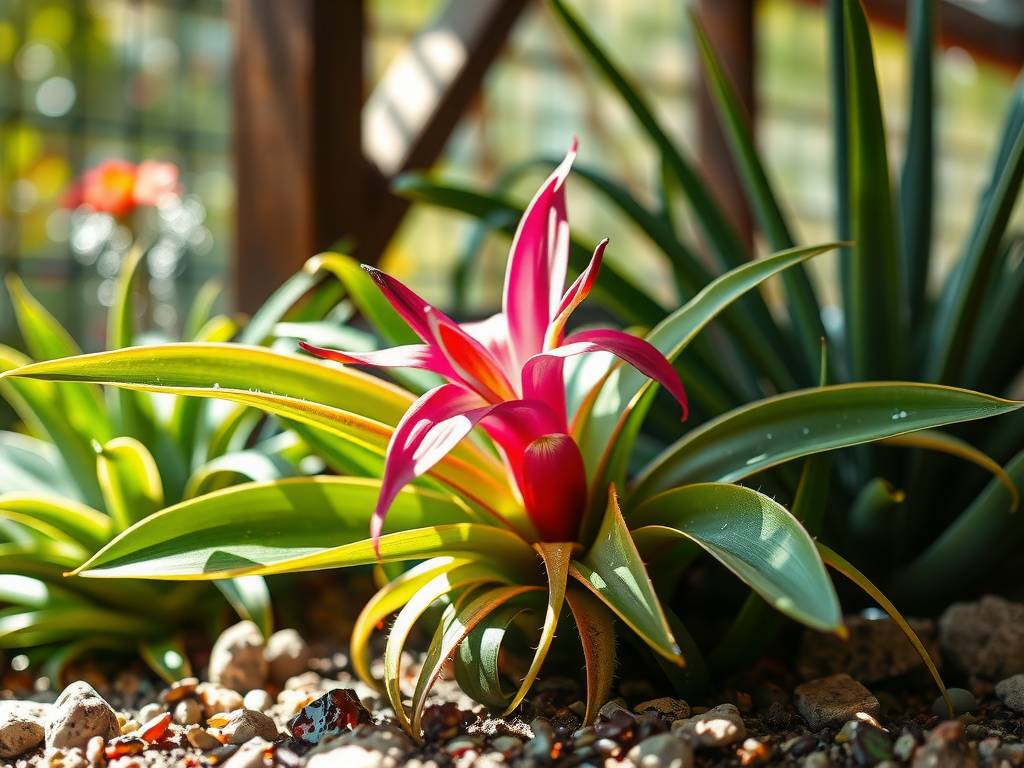
Tillandsias belong to the Bromeliad family and are epiphytes, meaning they naturally grow on other plants or surfaces, absorbing moisture and nutrients through their leaves from the air and rain. This unique adaptation is the key to their care. There are hundreds of species, but most thrive under similar core conditions. Their famed exotic bright flowers are not just a reward but a sign of a mature, well-cared-for plant entering its reproductive phase. Achieving this bloom requires mimicking their native habitats—think dappled light under a forest canopy and humid, breezy conditions.
The Golden Rule: Warm Partial Shade for Optimal Health
Light is the primary engine of growth, but for Tillandsias, it must be the right kind. Direct, harsh sunlight—especially through a south-facing window in summer—can quickly scorch their leaves, leading to bleached, crispy patches. Conversely, deep shade will stunt growth and prevent blooming.
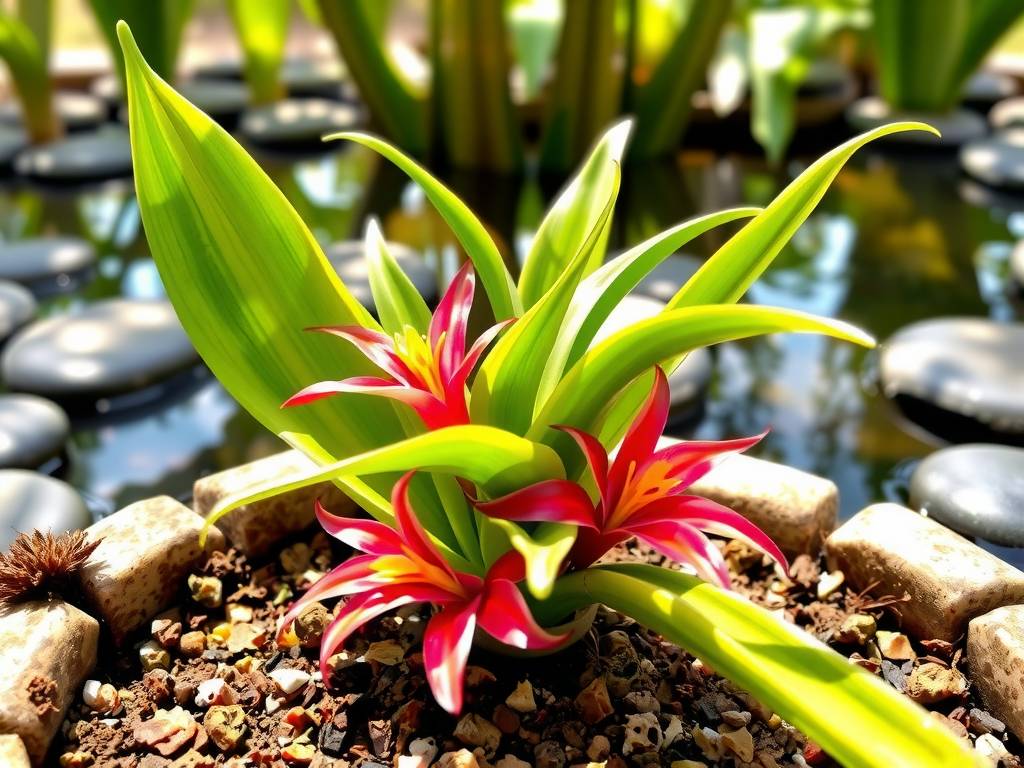
- Ideal Conditions: Warm partial shade is the sweet spot. This means bright, filtered light for most of the day. An east-facing window is often perfect, offering gentle morning sun. A west-facing window with sheer curtains or a spot a few feet back from a south-facing window also works well.
- Artificial Light: If natural light is limited, Tillandsias do exceptionally well under full-spectrum fluorescent or LED grow lights. Place them 6-12 inches from the light source for 12 hours a day.
- Signs of Trouble: Pale, yellowish leaves often indicate too much light, while unusually dark green, elongated leaves suggest the plant is stretching for more light. Adjust its position accordingly. The warmth aspect is easily met by typical indoor home temperatures, between 60-80°F (15-27°C).
Mastering Moisture: The Art of Hydration Without Waterlogging
This is the most critical and often misunderstood aspect of Tillandsia care. The goal is to replicate a tropical downpour followed by rapid drying. The phrase “moist, no waterlogging” isn’t a contradiction—it describes a cycle.
1. The Soaking Method (Recommended for Most Home Environments):
- How-To: Once a week, fully submerge your Tillandsia in a bowl of lukewarm, non-chlorinated water (rainwater, filtered, or tap water left out for 24 hours is ideal). Let it soak for 20-60 minutes. For thicker, silver-leafed species (like T. xerographica), 20-30 minutes may suffice. For greener, thinner-leafed varieties, 45-60 minutes is better.
- The Crucial Step: After soaking, gently shake the plant upside-down to dislodge water from the central cup (where the leaves meet at the base). Place it in a spot with good air circulation, like near a fan or in a breezy room, to dry completely within 4 hours. Never let a Tillandsia sit wet in a container or return it to a display while the base is damp. This is the “no waterlogging” rule in action, preventing fatal crown rot.
2. Misting as a Supplement:
- Misting alone is rarely enough for most Tillandsias, especially in dry, indoor climates. It’s best used as a mid-week supplement between soakings to boost humidity. Ensure the plant dries quickly after misting.
3. Seasonal Adjustments:
- Increase soaking frequency to twice a week in hot, dry summer months or if your home is very arid. In cool, humid winters, you may reduce it to every 10-14 days. Always let the plant’s condition be your guide; slightly curled leaves can indicate thirst.
Feeding for Growth and Exotic Bright Flowers
While they get some nutrients from the air, feeding encourages robust growth and the development of those spectacular exotic bright flowers.
- Use a specialized, water-soluble bromeliad or air plant fertilizer at 1/4 the recommended strength.
- Add the fertilizer to your soaking water once a month during the spring and summer growing season. Avoid standard plant fertilizers, as they can contain urea-based nitrogen, which Tillandsias cannot use.
- A well-fed plant will have more vibrant colors, produce more pups (offsets), and have a higher chance of blooming.
Encouraging the Bloom and Managing the Lifecycle
The appearance of an exotic bright flower spike is a thrilling moment. It signals your Tillandsia’s maturity.
- The Bloom: The flowers themselves can last from a few days to several weeks and come in stunning shades of pink, purple, red, or blue, often with vibrant bracts.
- The Pups: After flowering, the main plant (the mother) will gradually begin to decline. But don’t despair—this is natural. She will start producing “pups,” or offsets, at her base. These are your new plants.
- Propagation: Allow the pups to reach at least one-third the size of the mother before gently twisting them off. You can then care for them independently, and they will mature in 1-3 years, eventually blooming themselves, continuing the cycle.
Troubleshooting Common Issues
- Brown, Crispy Leaf Tips: Usually a sign of underwatering or low humidity. Increase soaking frequency or duration.
- Soft, Brown Base or Blackened Leaves: This is rot from waterlogging. The plant is often unsalvageable, but you can try to remove the affected leaves and let the core dry thoroughly. Improve air circulation drastically.
- Leaf Drop or Center Falling Apart: Advanced rot or extreme dehydration. Re-evaluate your watering routine.
My Tillandsia’s base feels soft and smells bad. Is it over? Unfortunately, a soft, mushy base with a foul odor is a classic sign of crown rot caused by waterlogging. While the mother plant may not survive, check carefully for pups that may have formed higher up or on drier parts; these can sometimes be saved if removed and dried immediately.
How do I know if my air plant needs water? Learn to read its leaves. A well-hydrated Tillandsia has open, flat leaves. As it gets thirsty, the leaves will begin to curl or roll inwards. The silvery trichomes (fuzzy cells) on the leaves also become more prominent when dry. The weight is another clue—a soaked plant is noticeably heavier.
Can I just glue my Tillandsia to a piece of driftwood? You can attach it, but never seal the base with glue. Use a non-toxic, water-resistant adhesive like E6000 on a few outer leaves only, or better yet, use clear fishing line or wire to secure it. The base must remain completely free to dry and absorb water during soakings.
Caring for Tillandsia is a rewarding practice that connects you to a unique form of plant life. By faithfully providing warm partial shade, mastering the soak-and-dry method to keep it moist without waterlogging, and offering gentle nourishment, you create the perfect environment for it to thrive. With patience and observation, you’ll not only keep your air plant healthy but will also be rewarded with the incredible sight of its exotic bright flowers, a true testament to your successful care. The cycle of growth, bloom, and new pups offers endless fascination, making Tillandsia a truly captivating companion.