 bluename
 How to Care for Aspidistra: The Ultimate Guide to Thriving Cast Iron Plants
Are you struggling to keep houseplants alive in your dimly lit living room or forgetful with your watering schedule? Do you long for lush greenery but lack a green thumb? Meet the Aspidistra, often called the Cast Iron Plant. This legendary houseplant is the perfect solution, renowned for its incredible ability to withstand neglect, deep shade, and irregular care. With its elegant, single green leaves rising directly from the soil, this hardy ground flower has been a beloved indoor staple for centuries. This comprehensive guide will walk you through everything you need to know to help your Aspidistra not just survive, but truly thrive.
Understanding Your Aspidistra: The Cast Iron Plant
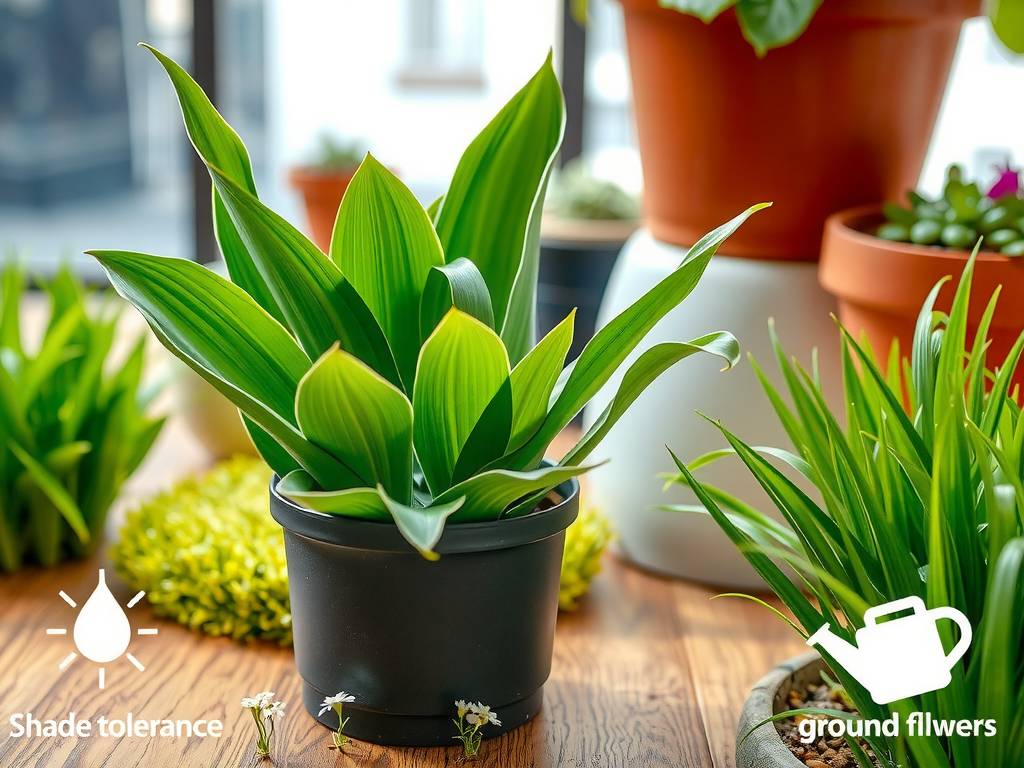
Native to the forest floors of East Asia, Aspidistra elatior evolved to flourish in low-light conditions under dense canopies. This is the secret behind its famous shade tolerance. Its common name, "Cast Iron Plant," wasn't given lightly; it speaks to its legendary durability and drought-tolerant nature. The plant grows from rhizomes under the soil, sending up those iconic, lance-shaped, deep green leaves. It's a slow grower, focusing its energy on resilience rather than rapid expansion, which makes it exceptionally low-maintenance.
Perfect Placement: Mastering Light Requirements for Shade-Tolerant Plants
The Aspidistra's superpower is its shade tolerance. While many plants stretch and fade in low light, your Cast Iron Plant will remain content.
- Ideal Light: Bright, indirect light is excellent, but it truly excels in low to medium indirect light. A north-facing window or a spot several feet back from an east or west window is perfect.
- What to Avoid: Direct, harsh sunlight, especially from southern exposures, can scorch and bleach its beautiful dark leaves, causing unsightly yellow or brown patches. If you only have a bright room, place it in the shadow of other furniture or plants.
- Adaptability: This is one of the best plants for dim corners, hallways, or offices with fluorescent lighting that other plants would find challenging. Its ability to handle these conditions is unmatched.
The Art of Watering: Leveraging Its Drought-Tolerant Nature
Overwatering is the single fastest way to harm an Aspidistra. Its rhizomes store water, making it remarkably drought-tolerant.
- The Golden Rule: Water deeply, but infrequently. Always check the soil first.
- The Finger Test: Insert your finger about 2 inches into the potting mix. If the soil feels dry at that depth, it's time to water. If it still feels moist or cool, wait a few more days.
- Watering Technique: Water slowly and evenly around the soil surface until you see water begin to drain from the bottom of the pot. Ensure all excess water can escape freely; never let the plant sit in a saucer of standing water.
- Seasonal Adjustments: During the active growing season (spring and summer), you may water every 1-2 weeks. In fall and winter, when growth slows, watering might only be needed every 3-4 weeks or even longer. The plant prefers to be on the drier side rather than constantly wet.
Soil and Potting: Creating the Ideal Foundation
The right soil mix supports both the drought-tolerant and shade-tolerant qualities of your plant by ensuring proper drainage.
- Soil Type: A well-draining, peat-based potting mix is ideal. You can enhance a standard mix by adding perlite or orchid bark to increase aeration and drainage.
- Pot Choice: Always use a pot with at least one drainage hole. Terracotta pots are a great choice as they are porous and help wick away excess moisture from the soil.
- Repotting: Aspidistras enjoy being slightly root-bound and rarely need repotting. Consider repotting only every 3-5 years in spring, moving up just one pot size. As noted by horticulturist Jane Perrone in her studies of resilient foliage, "Repotting an Aspidistra too often or into too large a container can lead to soil staying wet for too long, which stresses the rhizomes."
Feeding and Maintenance: Simple Steps for Healthy Leaves
Your Cast Iron Plant is not a heavy feeder. Its needs are simple, aligning with its easy-care reputation.
- Fertilizing: Feed sparingly. A balanced, diluted liquid fertilizer (such as a 10-10-10 formula) applied once a month during the spring and summer is sufficient. Do not fertilize in autumn and winter.
- Cleaning Leaves: The broad, single green leaves can accumulate dust. Gently wipe them down with a damp cloth every month or so. This not only keeps the plant looking glossy and vibrant but also allows it to photosynthesize more efficiently in its low-light environment.
- Pruning: Pruning is minimal. Simply trim off any leaves at the base that have turned fully yellow or brown. This is usually a natural part of the plant's renewal process. Use clean, sharp scissors to make a clean cut.
Troubleshooting Common Aspidistra Problems
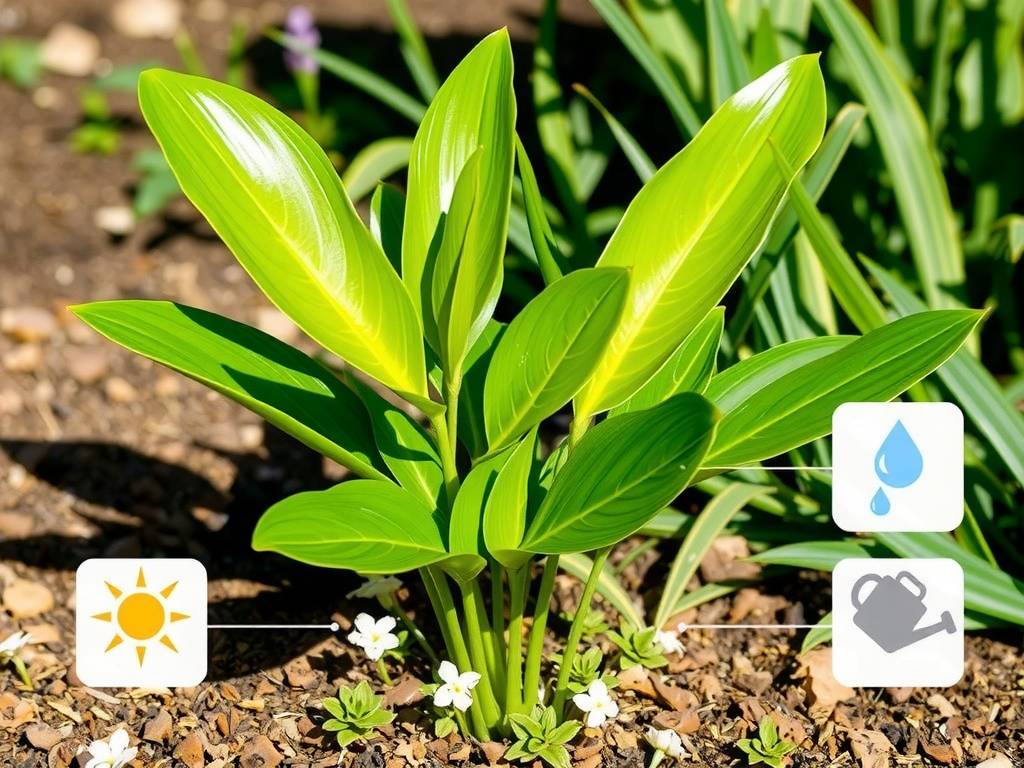
Even the toughest plants can signal when something is off. Here’s how to read the signs.
- Brown Leaf Tips: This is often a sign of low humidity or fluoride/chlorine in tap water. Use filtered or distilled water, and consider occasional misting.
- Yellowing Leaves: The most common cause is overwatering. Check your soil moisture immediately and adjust your schedule. Multiple yellow leaves can also indicate poor drainage.
- Pests: Aspidistras are generally pest-resistant, but scale or spider mites can occasionally appear. Wipe leaves with insecticidal soap or neem oil solution.
- Lack of Growth: Remember, this is a slow-growing plant. If it’s otherwise healthy (firm, green leaves), be patient. A complete halt in growth during growing season could indicate a need for slight fertilization or slightly more light.
Propagating Your Cast Iron Plant
The easiest way to propagate your Aspidistra is by division during repotting. Gently remove the plant from its pot and use a clean, sharp knife to cut the rhizome into sections, ensuring each section has at least 2-3 leaves. Pot each division into its own container with fresh, well-draining mix. This is a great way to share this hardy ground flower with friends or expand your own collection of these resilient, single green leaf plants.
Can Aspidistra live in a very dark room with no windows? While it is the champion of shade-tolerant plants, it does need some ambient light to produce energy. A room with absolutely no natural light (like a windowless bathroom) is too extreme. However, it can thrive in rooms with very low light, such as those lit only by bright artificial light for most of the day.
Why are the leaves on my Cast Iron Plant turning pale or losing their deep green color? This is typically a sign of too much direct sunlight. The intense light is breaking down the chlorophyll. Relocate your plant to a shadier spot, and the new growth should return to its characteristic dark green hue. Pale leaves can also sometimes indicate a need for a light feeding.
How cold can an Aspidistra tolerate? As a tropical plant, it prefers temperatures between 60-80°F (15-27°C). It can tolerate brief dips down to about 45°F (7°C) but should be protected from frost and freezing temperatures at all costs. Keep it away from cold drafts in winter.
The Aspidistra stands as a testament to resilience in the plant world. By embracing its natural preferences for shade and infrequent watering, you unlock a virtually foolproof path to indoor gardening success. Its architectural, single green leaves offer a timeless beauty that cleanses the air and calms the mind. Whether you’re a frequent traveler, a beginner plant parent, or simply someone who appreciates understated elegance, the Cast Iron Plant is a dependable companion that asks for little and gives so much in return.





