bluename
 How to Care for Dracaena Fragrans: Your Guide to Thriving Long Green Leaves
You’ve brought home a beautiful Dracaena fragrans, captivated by its elegant, long green leaves that promise to add a touch of the tropics to your space. But now, you might be noticing the tips turning brown, or the vibrant green fading, and you’re left wondering what you’re doing wrong. Don’t worry, you’re not alone. The key to unlocking the lush, healthy growth of this popular houseplant lies in understanding its simple but specific needs, primarily revolving around warm filtered light and its drought-tolerant nature.
Getting these fundamentals right transforms your plant from surviving to thriving. This comprehensive guide will walk you through every step, ensuring your Corn Plant, as it’s commonly known, becomes a long-lasting centerpiece in your home.
Understanding Your Dracaena Fragrans
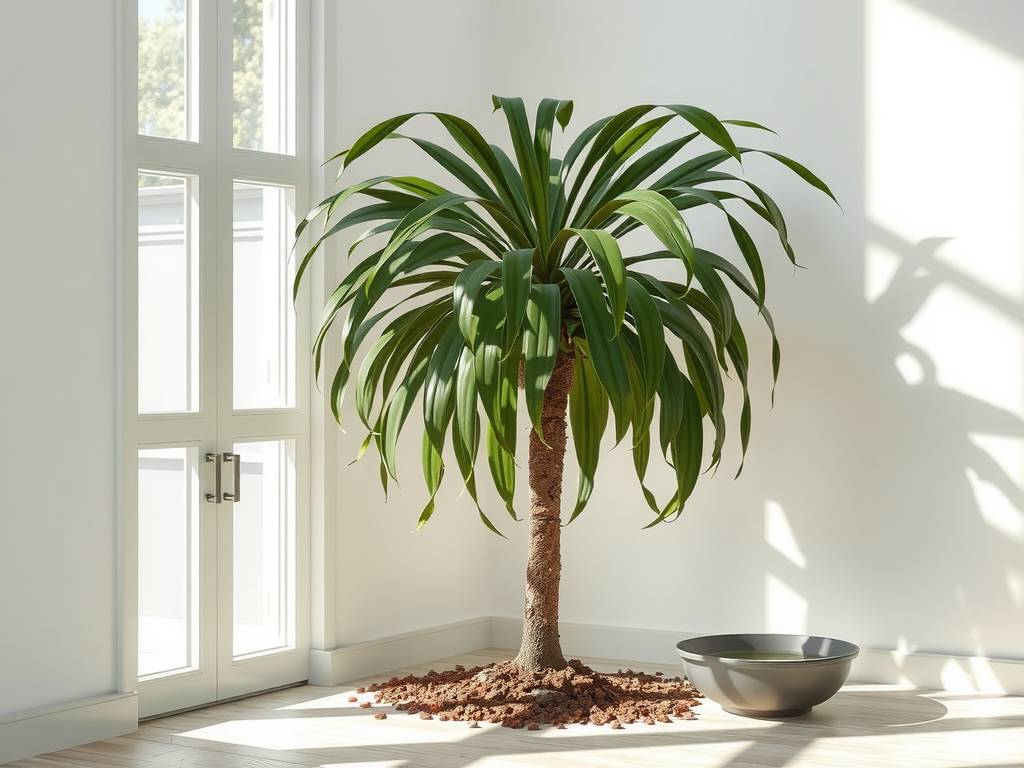
Native to tropical Africa, Dracaena fragrans has adapted to thrive under the canopy of taller trees. This origin story is the blueprint for its care: it enjoys bright, but not direct, sunlight and prefers its soil to dry out between waterings. Its sword-shaped, long green leaves are not just for show; they are efficient at photosynthesis in dappled light and store water, contributing to its drought-tolerant reputation.
The Perfect Light: Warm Filtered Light is Key
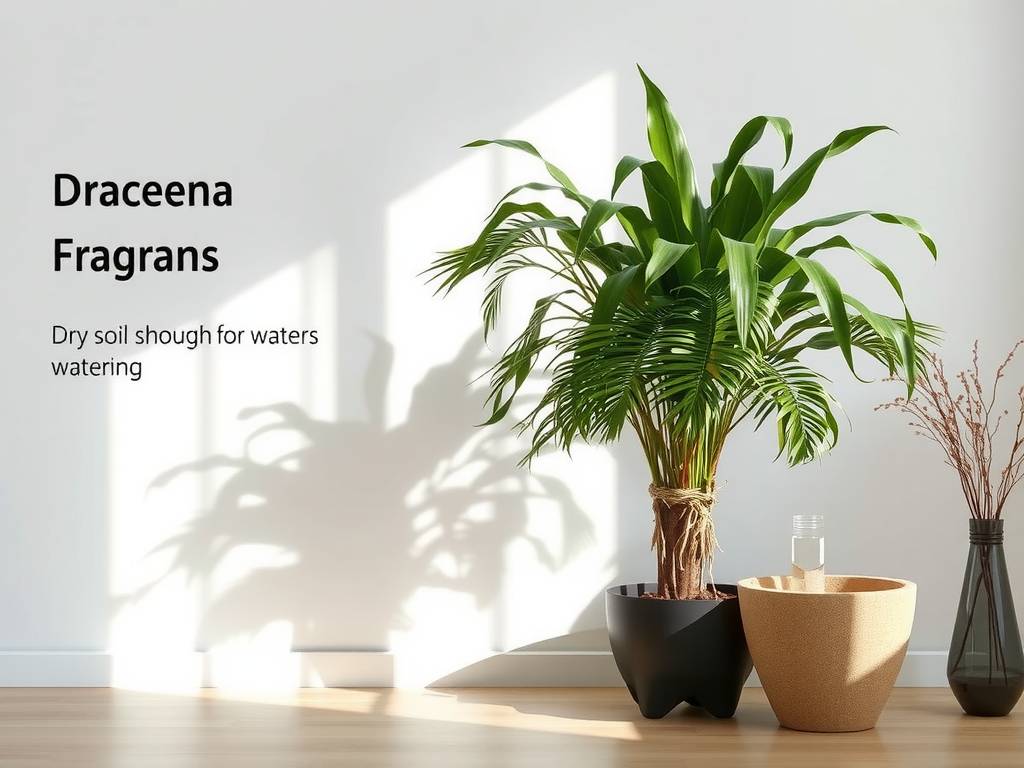
The single most important factor for maintaining those stunning long green leaves is proper lighting. Dracaena fragrans despises the harsh, direct rays of the afternoon sun, which can quickly scorch and bleach its foliage, leaving unsightly brown or yellow patches.
Instead, it thrives in bright, indirect light. Think of the light in a room with a north or east-facing window, or several feet back from a south or west-facing window where the sun’s rays never directly touch the leaves. A spot where the plant casts a soft, blurred shadow is ideal. This warm filtered light mimics its natural habitat and encourages steady, robust growth without the risk of leaf burn.
If your space lacks natural light, don’t despair. Dracaena fragrans is relatively adaptable and can tolerate lower light conditions, though its growth will slow significantly, and the variegation on cultivars like ‘Massangeana’ (the common corn plant with a yellow stripe) may become less pronounced. In such cases, consider supplementing with a grow light to provide the necessary filtered bright light it craves.
Mastering the Watering Routine: Embracing Its Drought-Tolerant Nature
Overwatering is the fastest way to harm a Dracaena fragrans. Its roots are susceptible to rot in consistently soggy soil. Here’s where its drought-tolerant characteristic becomes your guide.
The Golden Rule: Always allow the top 1-2 inches of soil to dry out completely before watering again. You can easily check this by sticking your finger into the potting mix. When it’s time to water, do so thoroughly until water runs freely from the drainage holes at the bottom of the pot. This ensures the entire root ball is hydrated. Crucially, empty the saucer or cache pot after 15-20 minutes to prevent the plant from sitting in water.
Your watering frequency will change with the seasons. During the active growing season (spring and summer), you might water every 7-10 days. In the dormant fall and winter months, when growth slows and light levels drop, you may only need to water every 2-3 weeks, or even less. The plant’s tolerance for dry periods is your safety net—when in doubt, it’s always safer to underwater than overwater.
Soil and Potting for Optimal Health
The right soil mix works hand-in-hand with your watering habits. A well-draining, peat-based potting mix is perfect. You can use a standard all-purpose houseplant soil but consider amending it with perlite or orchid bark to increase aeration and drainage, further supporting its drought-tolerant needs.
Repotting is typically needed only every 2-3 years, or when you see roots circling the bottom of the pot. Choose a new pot that is only 1-2 inches larger in diameter. A pot that is too large holds excess moisture, increasing the risk of root rot.
Temperature, Humidity, and Fertilizing
Dracaena fragrans prefers average room temperatures between 65°F and 80°F (18°C - 27°C). Protect it from cold drafts and sudden temperature drops below 55°F (13°C). While it enjoys moderate humidity, it generally adapts well to typical household levels. If your air is very dry, occasional misting or placing the plant on a pebble tray with water can help prevent brown leaf tips.
Feed your plant with a balanced, water-soluble fertilizer diluted to half-strength. Apply this light feeding once a month during the spring and summer. Refrain from fertilizing in the fall and winter when the plant is not actively growing.
Pruning and Troubleshooting Common Issues
Pruning is simple and beneficial. To control height or encourage bushier growth, simply cut off the top of the cane using clean, sharp shears. New growth will sprout from nodes just below the cut. You can also remove any yellowing or damaged leaves at the stem to keep the plant looking its best.
- Brown Leaf Tips: This is most often caused by fluoride or salts in tap water, low humidity, or sporadic underwatering. Use distilled, rainwater, or filtered water for best results.
- Yellowing Leaves: The most common cause is overwatering and poor drainage. Check your soil moisture and ensure the pot drains properly.
- Pale or Bleached Leaves: This indicates too much direct sunlight. Move the plant to a location with gentler, filtered bright light.
- Pests: Keep an eye out for spider mites or mealybugs. Wipe leaves with a damp cloth regularly and treat any infestations early with insecticidal soap.
How often should I water my Dracaena fragrans? There's no fixed schedule. The best method is to check the soil moisture. Water only when the top 1-2 inches of soil are completely dry. This could be weekly in summer and every few weeks in winter, depending on your home's conditions.
Can my Dracaena fragrans tolerate low light? Yes, it can tolerate lower light, but it will grow very slowly and may lose some leaf variegation. For the healthiest plant with vibrant long green leaves, a spot with bright filtered light is always recommended.
Why are the leaves on my Corn Plant turning yellow? Yellow leaves are typically a sign of overwatering. Ensure your pot has drainage holes and that you are allowing the soil to dry adequately between waterings, respecting the plant's drought-tolerant nature. Also, check that the plant isn't sitting in a cold draft.
By providing the right balance of warm filtered light and respecting its drought-tolerant character, your Dracaena fragrans will reward you with years of graceful growth and those iconic, arching long green leaves. It’s a plant that asks for little but gives so much in return—a truly resilient and beautiful companion for any indoor gardener. Start by assessing its light and adjusting your watering can, and you’ll be on the path to success.