bluename
 How to Care for Brazilwood: A Complete Guide to Warm Light, Drought-Tolerant Beauty
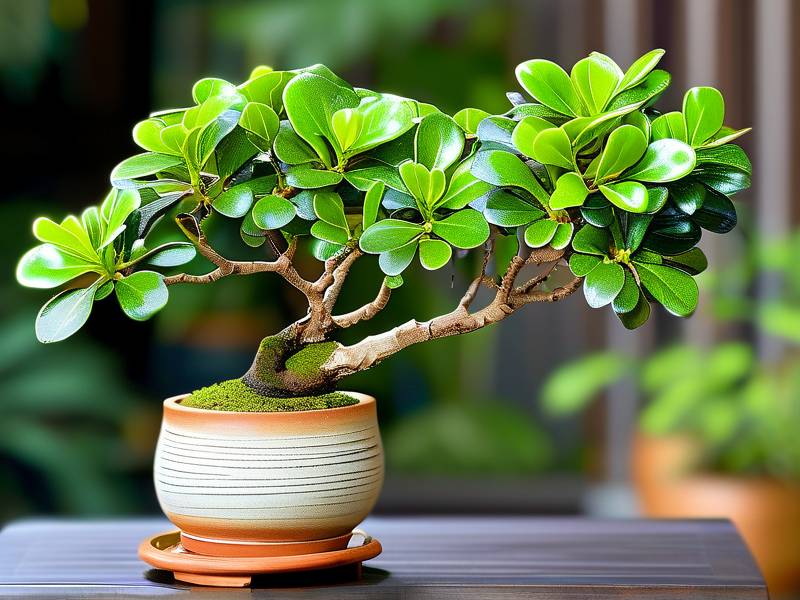
You've brought home a stunning Brazilwood plant, captivated by its glossy green leaves and the promise of fragrant flowers. But now, you might be wondering: how do I keep this beauty thriving without constant fuss? The good news is that Brazilwood is remarkably resilient when you understand its core needs. This guide will walk you through everything, from harnessing warm light to mastering its drought-tolerant nature, ensuring your plant not only survives but flourishes with vibrant greenery and sweet blooms.
Understanding Your Brazilwood Plant
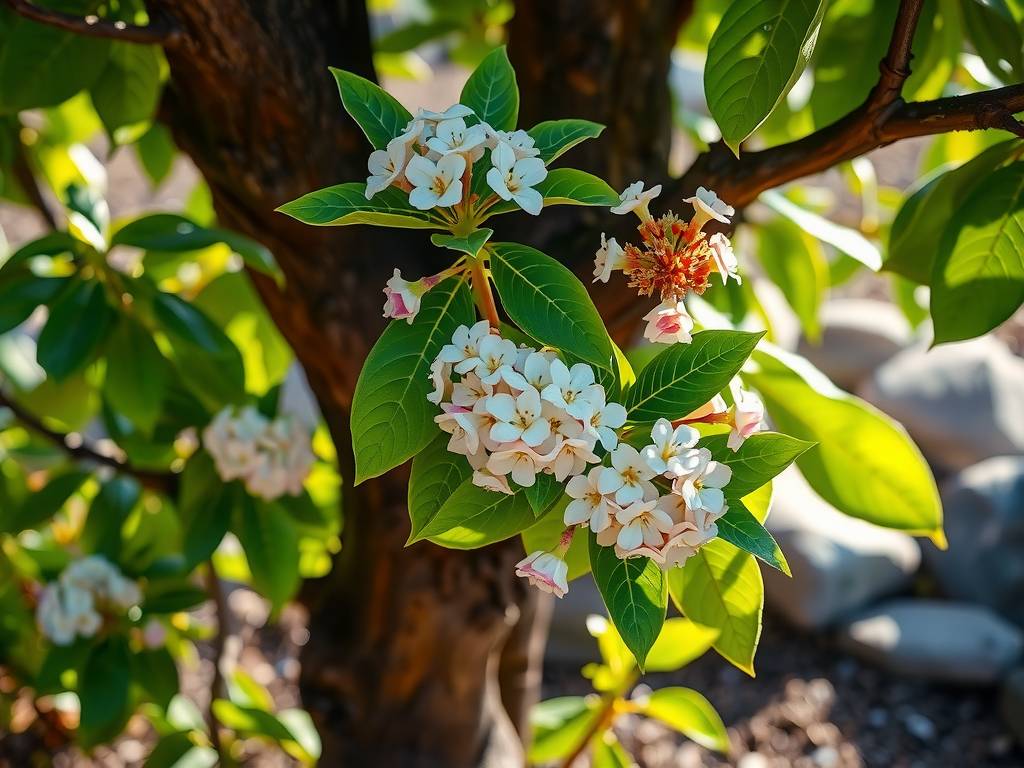
Brazilwood, known scientifically as Caesalpinia echinata, is a treasure from the Brazilian Atlantic Forest. It's adapted to environments with abundant warm light and periods of dry soil, which directly informs its care routine. Getting these elements right is the secret to unlocking its full potential, including those coveted fragrant flowers. By mimicking its natural habitat, you set the stage for a healthy, low-maintenance companion.
The Essential Role of Warm Light
Light is the primary fuel for your Brazilwood's growth and flowering. This plant thrives in bright, warm light conditions.
For indoor Brazilwood care, place your plant near a south or west-facing window where it can receive several hours of direct sunlight daily. This exposure is crucial for maintaining dense foliage and encouraging the development of its fragrant flowers. If you notice the green leaves becoming pale or the growth looking leggy and stretched, it's a clear sign your plant is craving more light. In such cases, consider using a grow light to supplement, especially during shorter winter days.
Mastering Watering for a Drought-Tolerant Plant
Perhaps the most common mistake in Brazilwood plant care is overwatering. Its drought-tolerant nature means it stores water efficiently and prefers to dry out between drinks.
The golden rule is to water deeply, then allow the top 1-2 inches of soil to become completely dry before watering again. In practice, this might mean watering every 7-14 days, depending on the season and light exposure. Always check the soil with your finger first. During winter, when growth slows, reduce watering frequency significantly. A pot with excellent drainage is non-negotiable to prevent root rot, which is the fastest way to harm this otherwise hardy plant.
The Ideal Soil and Potting Setup
The right soil mix supports both the drought-tolerant preference and the overall health of your Brazilwood. It needs a well-draining, slightly acidic to neutral potting medium.
A perfect mix can be created by combining standard potting soil with generous portions of perlite and coarse sand. This ensures water flows through quickly, preventing moisture from lingering around the roots. When repotting, which is typically needed every 2-3 years, choose a pot only one size larger to avoid excess soil staying wet for too long. This simple step is a cornerstone of successful Brazilwood maintenance.
Feeding for Lush Green Leaves and Fragrant Flowers
While not a heavy feeder, your Brazilwood benefits from occasional fertilization to support its green leaves and promote blooming. A balanced, water-soluble fertilizer (with equal parts nitrogen, phosphorus, and potassium) applied once a month during the active growing season (spring and summer) is sufficient.
Avoid over-fertilizing, as this can lead to salt buildup in the soil and might actually inhibit flowering. For those specifically aiming to encourage more of its fragrant flowers, a fertilizer with a slightly higher phosphorus content (the middle number on the label) can be used as buds begin to form.
Temperature, Humidity, and Seasonal Care
Brazilwood prefers average to warm room temperatures, ideally between 65°F and 80°F (18°C - 27°C). It should be protected from cold drafts and temperatures below 50°F (10°C). Average household humidity is generally adequate, but if your air is very dry, occasional misting or a pebble tray can help keep the green leaves from developing dry tips.
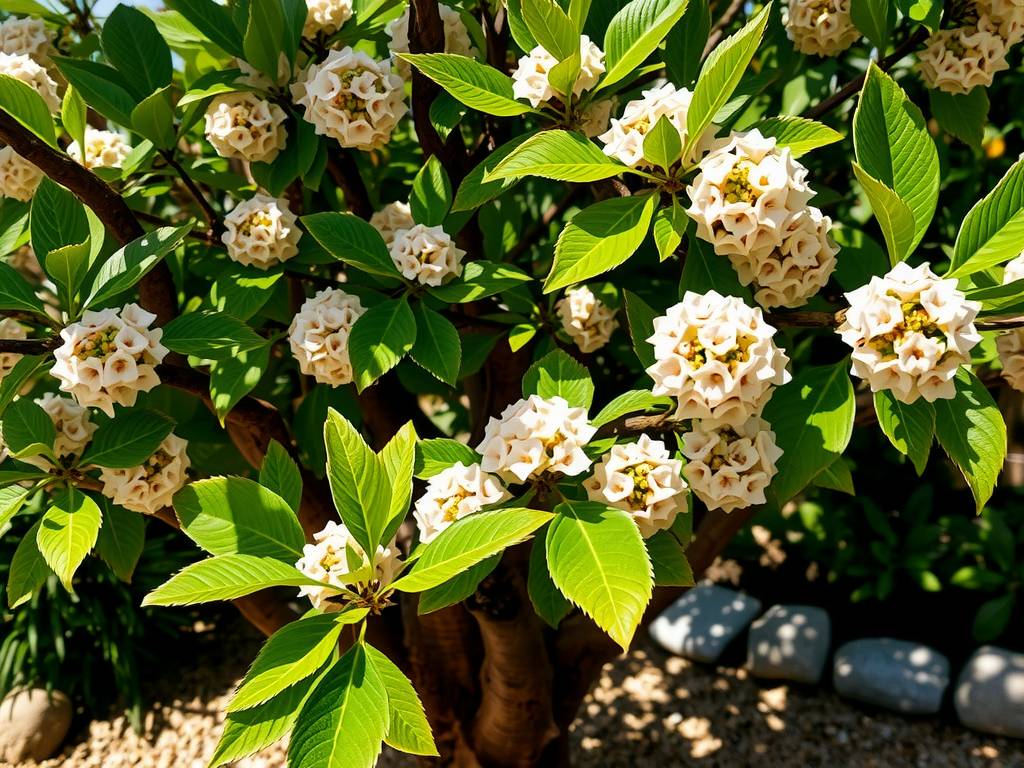
As seasons change, so should your care. Reduce watering and stop fertilizing in the fall and winter when light levels and growth decrease. This period of rest is vital for the plant's long-term health and its ability to bloom again.
Pruning and Shaping Your Plant
Regular pruning helps maintain a desirable shape and encourages bushier growth. The best time to prune is in late winter or early spring, just before new growth begins. Use clean, sharp shears to remove any dead, damaged, or overly long branches. Light pruning throughout the year can also be done to keep its form tidy. This practice not only improves appearance but also enhances air circulation around the foliage.
Troubleshooting Common Brazilwood Issues
Even with the best care, you might encounter a few issues. Here’s how to address them:
- Yellowing Leaves: This is often a sign of overwatering. Check your soil moisture and adjust your watering schedule immediately.
- Leaf Drop: Sudden leaf drop can result from a drastic change in environment, temperature shock, or prolonged overwatering. Assess recent changes in its care or location.
- Lack of Flowers: If your mature Brazilwood isn't producing its fragrant flowers, the most likely culprits are insufficient warm light or excessive nitrogen fertilizer. Ensure it gets enough direct sun and switch to a bloom-boosting fertilizer.
- Pests: While generally pest-resistant, it can occasionally attract spider mites or mealybugs in dry conditions. Wipe leaves with a damp cloth or use insecticidal soap as a treatment.
Propagating New Brazilwood Plants
You can grow new plants from semi-hardwood cuttings taken in summer. Take a 4-6 inch cutting, remove the lower leaves, dip the end in rooting hormone, and plant it in a moist, well-draining mix. Cover with a plastic bag to retain humidity and place in bright, indirect light until roots develop. This is a rewarding way to share this beautiful plant with others.
Why isn't my Brazilwood flowering? Flowering requires maturity, ample warm light, and a seasonal cycle. Ensure your plant receives several hours of direct sunlight daily and experiences a slight reduction in water during the winter to stimulate bud formation. A phosphorus-rich fertilizer in spring can also provide the necessary nudge.
Can Brazilwood grow in low light? While it can tolerate some lower light, its growth will become sparse and leggy, and it will almost certainly not flower. For the classic display of dense green leaves and fragrant flowers, bright, direct light is essential.
How do I know if I'm overwatering? The first signs are often yellowing leaves that may eventually fall off. Always check that the top layer of soil is dry before watering, and ensure your pot drains completely after each watering. When in doubt, it's safer to wait another day or two.
Caring for Brazilwood is a lesson in appreciating resilience and natural adaptation. By providing a sunny spot, respecting its need for dry periods between waterings, and offering a well-draining home, you are rewarded with a structurally beautiful plant adorned with glossy green leaves. With patience and this straightforward care, the delightful bonus of its fragrant flowers becomes a testament to your successful partnership with this remarkable drought-tolerant species. Enjoy the simple, rewarding process of nurturing this piece of the tropics in your own space.