bluename
 How to Care for Dragon Tree: A Complete Guide to Warm Light and Drought-Tolerant Growth
You’ve brought home a stunning Dragon Tree, captivated by its architectural form and those striking, long green leaves. But now, you might be wondering: why are the leaf tips turning brown? Is it getting enough light, or too much? How often should you really water a plant known for being drought-tolerant? You’re not alone. Many plant enthusiasts face these challenges, unsure how to replicate the ideal conditions for this popular yet sometimes finicky houseplant. The good news is that with a few key principles, your Dragon Tree can thrive for years, becoming a resilient and elegant centerpiece in your home.
This comprehensive guide will walk you through every aspect of Dragon Tree care, focusing on its love for warm, indirect light and its drought-tolerant nature. We’ll demystify the process, ensuring you can confidently nurture those beautiful long green leaves.
Understanding Your Dragon Tree
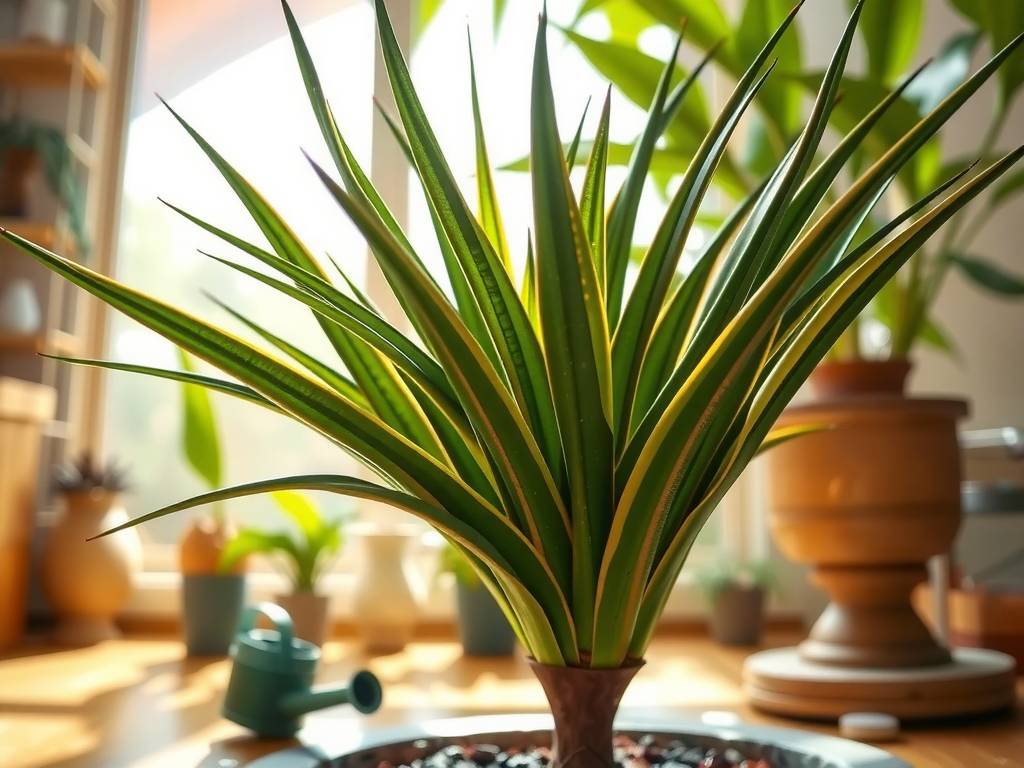
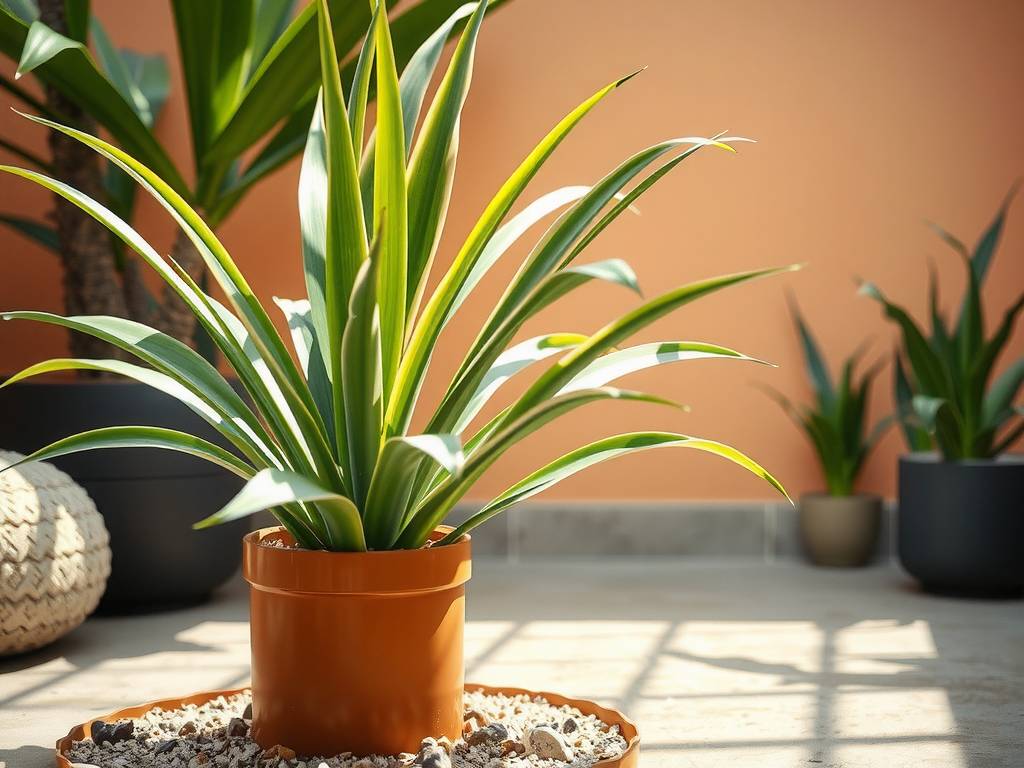
Native to Madagascar and other Indian Ocean islands, the Dragon Tree (Dracaena marginata, Dracaena fragrans, and related species) is a survivor. In its natural habitat, it endures periods of drought and thrives under the dappled light of taller canopies. This history is encoded in its very being: it stores water in its trunk and prefers its soil to dry out between drinks. Recognizing this innate resilience is the first step to successful care.
The cornerstone of its health lies in mastering two critical elements: light and water. Getting these right prevents the vast majority of common issues.
Providing the Perfect Warm Light
Dragon Trees are often labeled as “low light” plants, but this is a misconception that can lead to slow growth and fading color. What they truly crave is bright, indirect light. Think of the warm, filtered sunlight found in a spot near a south- or west-facing window, shielded by a sheer curtain.
Direct, harsh afternoon sun can scorch those prized long green leaves, leaving unsightly brown or yellow patches. Conversely, a corner that’s too dark will cause the plant to become leggy as it stretches toward the light, and the vibrant green of new growth may fade.
A simple test: place your hand where the plant sits during the brightest part of the day. If you see a sharp, defined shadow, the light is likely too direct. A soft, fuzzy shadow indicates the ideal warm light conditions your Dragon Tree loves. Rotate your plant a quarter turn every time you water to ensure even growth and prevent it from leaning toward the light source.
Mastering Watering for a Drought-Tolerant Plant
Here lies the most common pitfall in Dragon Tree plant care: overwatering. Its drought-tolerant nature means its roots are highly susceptible to rot in constantly moist soil. The goal is to mimic the natural cycle of a heavy rain followed by a period of drought.
The Golden Rule: Always check the soil moisture before watering. Insert your finger about 2 inches into the potting mix. If it feels dry, it’s time to water. If it’s still damp, wait. In most indoor settings, this translates to watering every 10-14 days, but this can vary greatly with seasons, light, and humidity.
When you do water, do so thoroughly. Pour water evenly over the soil until you see it begin to drain freely from the holes at the bottom of the pot. This ensures the entire root ball is hydrated. Crucially, empty the saucer or cache pot after 15 minutes to prevent the plant from sitting in water.
During the winter months, when growth slows and light levels drop, your drought-tolerant Dragon Tree will need even less frequent watering—sometimes as little as once every 3-4 weeks. Underwatering, signaled by excessive dry, crispy brown tips, is far less dangerous than overwatering, which causes yellowing leaves, soft stems, and potential collapse.
Optimal Soil and Potting for Health
The right soil is your insurance policy against overwatering. A well-draining, peat-based potting mix is essential. Many growers recommend adding perlite, orchid bark, or coarse sand to a standard indoor mix to dramatically improve drainage and aeration around the roots.
Choose a pot with ample drainage holes. Terracotta pots are an excellent choice as they are porous, allowing the soil to dry more evenly from the sides. When repotting—which is only necessary every 2-3 years when the plant becomes root-bound—select a container only 1-2 inches larger in diameter than the previous one. A pot that’s too large holds excess soil that stays wet for too long, creating a risky environment for the roots.
Maintaining Those Long Green Leaves
The iconic, sword-like foliage of your Dragon Tree is its glory. To keep it looking its best:
- Cleaning: Gently wipe the leaves with a damp, soft cloth every month or so. This removes dust that can block sunlight and allows the plant to breathe and photosynthesize efficiently.
- Humidity: While adaptable to average home humidity, Dragon Trees appreciate a boost, especially in dry, heated rooms. Browning leaf tips are often a sign of dry air. You can increase humidity by misting the leaves occasionally, placing the pot on a pebble tray filled with water, or using a room humidifier.
- Fertilizing: Feed your plant sparingly. A balanced, water-soluble fertilizer diluted to half-strength, applied once a month during the spring and summer growing season, is sufficient. Avoid fertilizing in fall and winter when the plant is dormant.
Troubleshooting Common Problems
- Brown Leaf Tips: This is most often caused by dry air, fluoride in tap water, or sporadic underwatering. Use filtered or distilled water if possible, and increase ambient humidity.
- Yellowing Leaves: The most likely culprit is overwatering. Check your watering routine and ensure the pot drains properly. A few older, lower leaves yellowing and falling is a normal part of growth.
- Leaf Drop: Sudden leaf loss can be a reaction to a drastic change in temperature, a cold draft, or severe overwatering.
Propagating Your Dragon Tree
One of the joys of caring for a Dracaena is how easily it can be propagated. If your plant becomes too tall or you wish to create a new one, you can cut a stem section. Allow the cut end to callous over for a day, then place it in a container of water or moist potting mix. Roots will develop in a few weeks, giving you a brand new plant to enjoy or share.
Is the Dragon Tree pet-friendly? No. Dragon Trees are toxic to cats and dogs if ingested. The saponins in the plant can cause vomiting, drooling, or loss of appetite in pets. It’s best to place this plant in an area inaccessible to your furry friends.
Can my Dragon Tree go outside in the summer? Yes, with caution. It can enjoy a summer vacation on a shaded patio or porch where it is protected from direct, hot sun and strong winds. Always acclimate it gradually to the outdoor light over a week and bring it back inside well before nighttime temperatures drop below 65°F (18°C).
Why are the leaves on my Dragon Tree losing their variegation (color streaks)? This is typically a sign of insufficient light. The colorful variegation in varieties like ‘Colorama’ or ‘Tricolor’ requires brighter indirect light to maintain. Move the plant to a spot with more warm, bright light to help restore the vibrant contrasts in the foliage.
Caring for a Dragon Tree is a rewarding practice in understanding a plant’s natural instincts. By providing ample warm, indirect light, respecting its drought-tolerant needs with careful watering, and attending to its simple needs, you’ll be rewarded with a robust, air-purifying companion. Those long, arching green leaves will not only add a touch of the tropics to your space but also stand as a testament to your thoughtful and informed care. Start by observing your plant’s light today and checking its soil moisture—these two simple actions are the foundation of a thriving Dragon Tree.