bluename
 How to Care for Cordyline Fruticosa: A Guide to Warm Light, Drought-Tolerance, and Colorful Leaves
You've brought home a stunning Cordyline fruticosa, captivated by its vibrant, sword-shaped leaves that promise a tropical flair. Yet, within weeks, the brilliant colors start to fade, leaf tips turn crispy brown, or worse, the plant begins to droop. This common frustration stems from a simple mismatch: treating this resilient beauty like a typical houseplant. Understanding its unique love for warm light and drought-tolerant nature is the key to unlocking those spectacular, colorful leaves.
This comprehensive guide cuts through the confusion. We'll translate the native conditions of Cordyline fruticosa into simple, actionable care steps for your home.
Understanding Your Cordyline Fruticosa
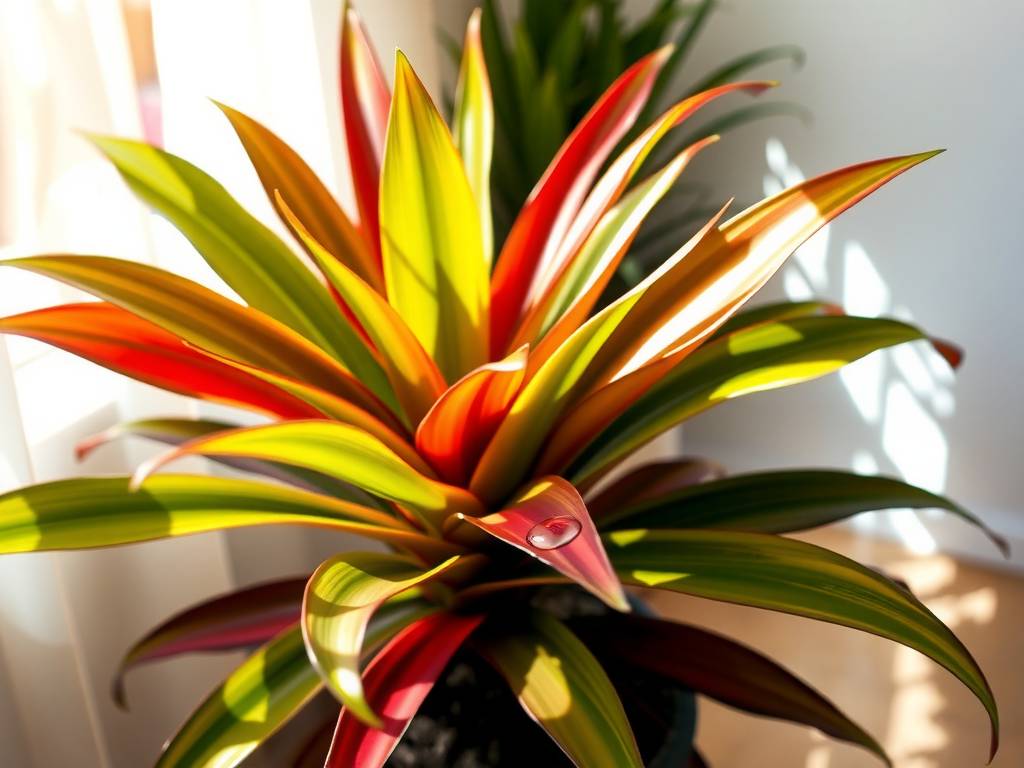
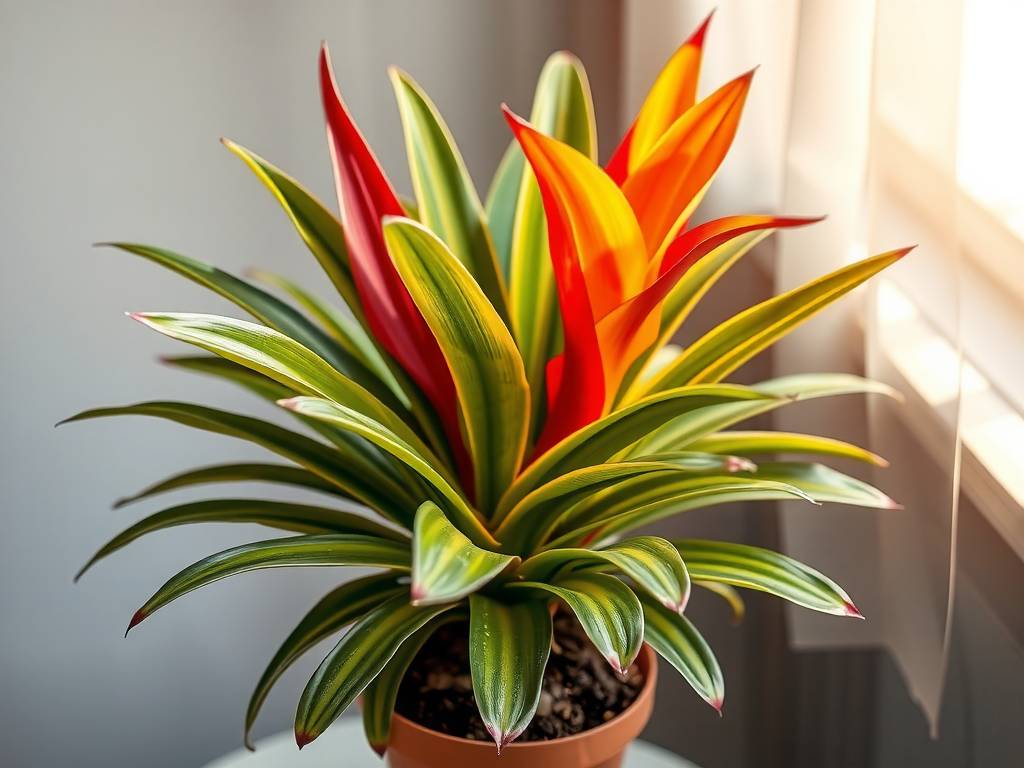
Often called the Ti plant or Hawaiian good-luck plant, Cordyline fruticosa is a tropical evergreen native to Southeast Asia and the Pacific. Its primary appeal lies in its spectacular foliage, which ranges from deep burgundy and hot pink to vibrant green and creamy yellow, often in striking combinations. Unlike finicky ornamentals, it possesses a robust, drought-tolerant constitution, but only when its core needs are met. Ignoring these leads to the very problems that dismay most owners.
The Golden Rule: Providing the Perfect Warm Light
Light is the single most important factor for maintaining the intense, colorful leaves of your Cordyline. It craves bright, warm light.
For optimal color, place your plant in a spot with plenty of indirect but bright sunlight. An east or west-facing window is often ideal, bathing the plant in gentle morning or afternoon sun. Direct, harsh midday sun through a south-facing window can scorch the leaves, causing bleached spots or brown tips. Conversely, too little light is the chief culprit for fading color and leggy growth. The plant will stretch toward the light, resulting in wider gaps between leaves and a loss of that rich pigmentation.
If your natural light is limited, especially in winter, don't hesitate to supplement with a grow light. A simple LED grow bulb for 6-8 hours a day can make a dramatic difference in preserving leaf vibrancy. As noted by horticulturist Dr. Linda Chalker-Scott, "Light intensity directly influences anthocyanin production—the pigments responsible for reds and purples in plants like Cordyline." This scientific insight underscores why proper lighting is non-negotiable.
Mastering the Art of Drought-Tolerant Watering
Here is where many well-intentioned plant lovers go astray. Cordyline fruticosa stores water in its cane-like stems, making it remarkably drought-tolerant. Its worst enemy is consistently soggy soil.
Water deeply only when the top 1-2 inches of soil feel completely dry to the touch. Insert your finger into the potting mix; if it feels moist, wait. When you do water, pour slowly and evenly until you see water escaping freely from the drainage holes. This ensures the entire root ball is hydrated. Then, let all excess water drain away completely—never let the pot sit in a saucer of water.
In winter, when growth slows, reduce watering frequency significantly. You might only need to water every 2-3 weeks. Signs of overwatering include yellowing lower leaves, a soft or mushy stem, and a general wilted appearance despite wet soil. Underwatering, while less immediately dangerous, will cause the leaf tips and margins to dry out and turn brown.
The Supporting Cast: Soil, Food, and Climate
Getting light and water right solves 80% of the problems. The following elements support sustained health and color.
The Right Foundation: Soil and Potting Use a well-draining, peat-based potting mix. A standard indoor plant mix amended with perlite or orchid bark improves aeration and drainage, perfectly mimicking the plant's preference for moist but not waterlogged conditions. Ensure your pot has at least one large drainage hole. Repot every 2-3 years in spring if the plant becomes root-bound.
Feeding for Foliage Feed your Cordyline monthly during the active growing season (spring and summer) with a balanced, water-soluble fertilizer diluted to half strength. A formula with equal parts nitrogen, phosphorus, and potassium (e.g., 10-10-10) supports overall health without forcing excessive growth at the expense of color. Avoid fertilizing in fall and winter.
Warmth and Humidity As a tropical plant, it thrives in average room temperatures between 65°F and 80°F (18°C - 27°C). Protect it from cold drafts and temperatures below 55°F (13°C). While it adapts to average household humidity, it appreciates higher levels. Browning leaf tips can signal air that's too dry. Grouping plants together, using a pebble tray, or occasional misting can help, especially in heated or air-conditioned rooms.
Troubleshooting Common Issues
- Fading Leaf Color: This is almost always a light issue. Move your plant to a brighter location with warm, indirect light.
- Brown, Crispy Leaf Tips: Usually caused by low humidity, underwatering, or a buildup of salts and minerals from tap water or fertilizer. Use filtered water if possible, flush the soil periodically, and increase ambient humidity.
- Yellowing Lower Leaves: A natural part of growth as the plant matures. However, multiple yellowing leaves can signal overwatering. Check your soil moisture routine.
- Pests: Keep an eye out for spider mites, mealybugs, and scale, especially in dry conditions. Wipe leaves with a damp cloth regularly and treat infestations early with insecticidal soap or neem oil.
Propagation for More Plants
One of the joys of Cordyline fruticosa is how easily it propagates. You can create new plants from stem cuttings. Simply cut a section of the cane, let it dry for a day, then place it in a moist, well-draining potting mix. Keep it warm and lightly moist, and new shoots will emerge in a few weeks, giving you more of these colorful, drought-tolerant specimens to enjoy or share.
Why are the leaves on my Cordyline losing their pink and red color? The vibrant pigments in Cordyline leaves are directly fueled by light. When the plant doesn't receive enough bright, indirect light, it stops producing as much anthocyanin (the red/purple pigment), causing the leaves to revert to greener tones. Move it to a brighter spot to restore the color.
How often should I really water my drought-tolerant Ti plant? There's no fixed schedule. The frequency depends on light, temperature, and pot size. Always use the "finger test": water thoroughly only when the top couple of inches of soil are dry. This might be every 7-10 days in summer and every 2-3 weeks in winter. It's far better to underwater than overwater this plant.
Can I put my Cordyline fruticosa outside in the summer? Absolutely, and it will often thrive with the increased light and humidity. Acclimate it gradually over a week to avoid sunburn, starting in full shade and moving to a spot with dappled or morning sun only. Bring it back indoors well before nighttime temperatures drop below 60°F (15°C).
Caring for Cordyline fruticosa successfully hinges on respecting its origins. By providing a steady source of warm, bright light and adopting a mindful, drought-tolerant watering approach, you actively encourage the plant to showcase its best self. The reward is a resilient, architectural houseplant that requires minimal fuss yet delivers maximum impact through its spectacular, colorful foliage. Start by assessing its light situation today—that simple step is often the gateway to a more vibrant, healthier plant.