bluename
 How to Care for Cigar Plant: A Guide to Warm Light, Drought Tolerance & Vibrant Blooms
Have you brought home a stunning cigar plant, captivated by its promise of bright, glossy leaves and unique pale red flowers, only to find it looking droopy or refusing to bloom? You're not alone. Many plant enthusiasts are drawn to the cigar plant's exotic appeal but struggle to replicate its ideal conditions. The secret lies in understanding its love for warm light and its drought-tolerant nature. This comprehensive guide will walk you through every step, ensuring your plant not only survives but thrives, showcasing those coveted bright leaves and pale red flowers.
Understanding Your Cigar Plant
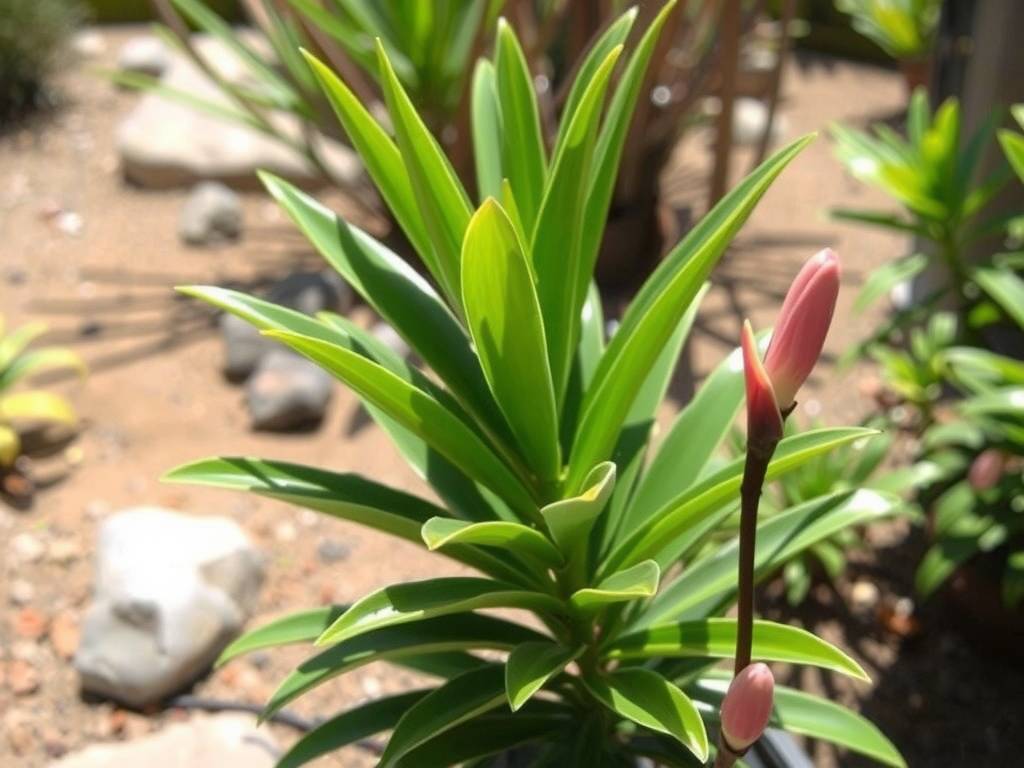
Native to tropical regions of Mexico and Central America, the cigar plant (Cuphea ignea) is a perennial favorite for its tubular, cigar-shaped blossoms that attract hummingbirds and butterflies. Its care hinges on mimicking its natural habitat: plenty of sunshine, well-drained soil, and a careful watering hand. Getting these elements right is the foundation for a spectacular display.
The Essential Pillar: Providing the Right Warm Light
Light is the most critical factor in your cigar plant's health and flowering potential. These plants are sun worshippers.
Ideal Light Conditions for Growth and Flowers
Your cigar plant craves bright, direct light for at least 6 to 8 hours daily. A south-facing or west-facing window is typically perfect. This abundant warm sunlight fuels photosynthesis, encouraging the development of strong stems, those characteristic bright green leaves, and, most importantly, a prolific bloom cycle of pale red to orange-red flowers.
Signs of insufficient light are easy to spot: leggy growth with elongated stems, fewer or no flowers, and leaves that may lose their vibrant luster. If you're growing indoors and lack intense direct light, consider supplementing with a grow light to provide the necessary lumens.
Managing Light in Peak Summer
While they love sun, in extremely hot climates, some afternoon shade can prevent leaf scorch during the hottest part of the day. Observe your plant. If the leaves appear bleached or crispy at the edges, it might be getting too much of a good thing. A location with morning sun and afternoon dappled shade can be an excellent compromise in zones with intense summer heat.
Mastering the Art of Watering for a Drought-Tolerant Plant
Here's where many go wrong. The cigar plant is remarkably drought-tolerant, meaning its roots are susceptible to rot in soggy soil. Its watering needs are a lesson in "less is more."
Creating the Perfect Watering Schedule
The golden rule is to water deeply but infrequently. Always check the soil before reaching for the watering can. Insert your finger about an inch into the potting mix. If it feels dry, it's time to water. If it's still moist, wait a few more days.
During the active growing season (spring and summer), you might water once a week. In the dormant winter months, reduce watering frequency significantly, perhaps every two to three weeks, allowing the soil to dry out more thoroughly between sessions. This cycle of thorough drying promotes healthy root growth and mimics the natural dry periods the plant is adapted to.
Soil and Drainage: The Foundation of Health
Your watering efforts are only as good as your soil drainage. As noted by horticulturist Dr. Linda Chalker-Scott in her work on soil amendments, "Excess water must drain freely from the root zone to prevent anaerobic conditions." Use a well-draining potting mix, such as a standard potting soil amended with perlite, coarse sand, or pumice. Ensure your pot has multiple, large drainage holes. A terracotta pot is an excellent choice as it wicks away excess moisture from the soil.
Encouraging Bright Leaves and Pale Red Flowers
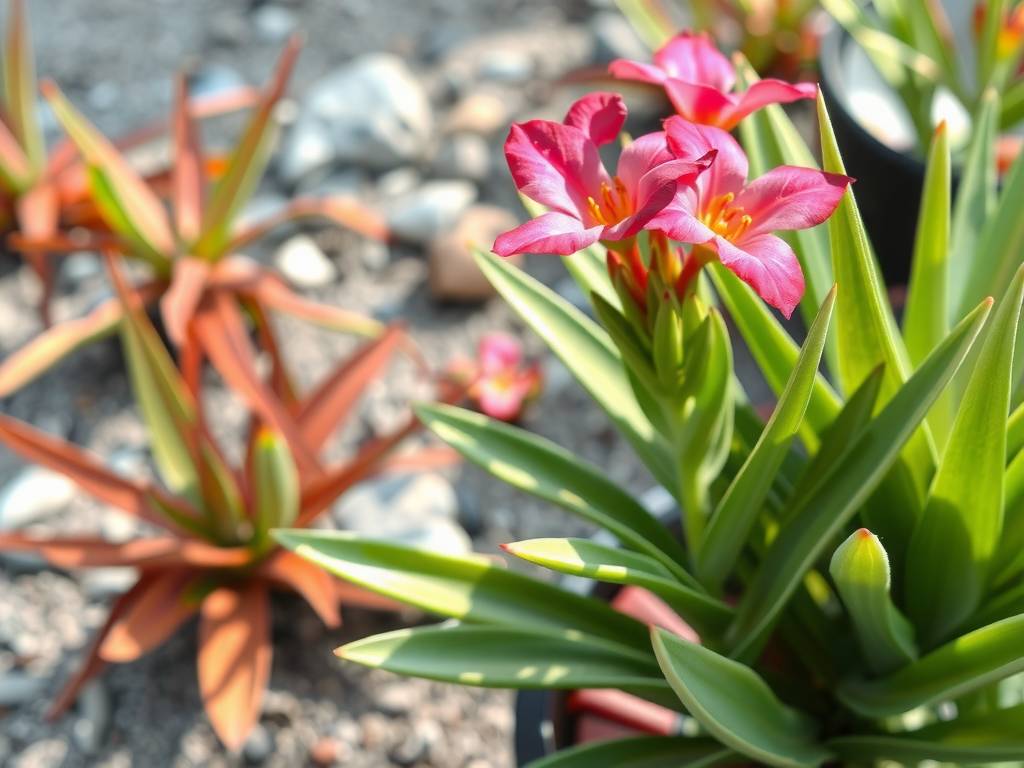
With light and water mastered, you can focus on optimizing your plant's appearance and bloom production.
Feeding for Foliage and Blooms
To support both lush foliage and abundant flowering, feed your cigar plant with a balanced, water-soluble fertilizer (e.g., 10-10-10 or 20-20-20) every 4-6 weeks during the growing season. Alternatively, a fertilizer with a slightly higher phosphorus content (the middle number) can encourage more blooms. Always apply fertilizer to damp soil to prevent root burn. Cease feeding in late fall and winter when the plant's growth slows.
Pruning and Deadheading for a Bushier Plant
Regular pinching or light pruning of the stem tips in early spring encourages a bushier, more compact growth habit, which leads to more flowering sites. Consistently deadheading, or removing spent pale red flowers, signals the plant to produce more blooms instead of setting seed, extending your flowering season well into fall.
Common Challenges and Solutions
Even with perfect care, you might encounter an issue. Yellowing leaves often point to overwatering. Let the soil dry out completely. A lack of bright red flowers usually indicates insufficient warm light. Spider mites can be a pest in dry, indoor air; increase humidity or rinse the leaves. Remember, a drought-tolerant cigar plant is more likely to suffer from too much attention (water) than too little.
Can I grow a cigar plant indoors year-round?
Yes, absolutely. The key is providing enough light. Place it in your sunniest window, ideally facing south. You may see fewer flowers in the lower-light winter months, but with a grow light, you can encourage year-round blooms. Maintain its drought-tolerant watering routine even indoors.
Why are the leaves on my cigar plant not bright green?
Dull leaves can have a few causes. The most common is nutrient deficiency, solved with a regular feeding schedule. It could also be due to pests like spider mites, which suck sap from the leaves. Inspect the undersides of leaves. Lastly, extremely poor lighting can lead to pale, lackluster foliage.
My plant has lots of leaves but no pale red flowers. What's wrong?
This is almost exclusively a light issue. Cigar plants are prolific bloomers when their high light needs are met. If your plant is lush but flowerless, it needs more direct, warm sunlight. Move it to a brighter location or supplement with artificial light. Also, ensure you are not over-fertilizing with a high-nitrogen blend, which promotes leafy growth at the expense of flowers.
Caring for a cigar plant is a rewarding experience that brings a touch of the tropics to your space. By embracing its need for abundant warm light and respecting its drought-tolerant nature, you'll be rewarded with a resilient plant adorned with bright leaves and a constant display of charming pale red flowers. Observe your plant, adjust care with the seasons, and enjoy the vibrant life it adds to your garden or home.