bluename
 How to Care for Your Parlor Palm: A Guide to Warmth, Shade, and Perfect Moisture
You’ve brought home a beautiful Parlor Palm, charmed by its elegant, compact shape and lush green fronds. It promises to bring a serene, tropical vibe to your living space. But now, you might be wondering: why are the tips turning brown? Is it getting too much sun, or not enough water? Keeping this seemingly simple plant thriving can be puzzling. The secret lies in mastering a few key principles: providing warm partial shade, maintaining consistent moisture without waterlogging, and preserving its naturally cute, compact form. This comprehensive guide will walk you through every step, transforming you from a worried plant parent into a confident Parlor Palm expert.
Understanding Your Parlor Palm’s Natural Habitat
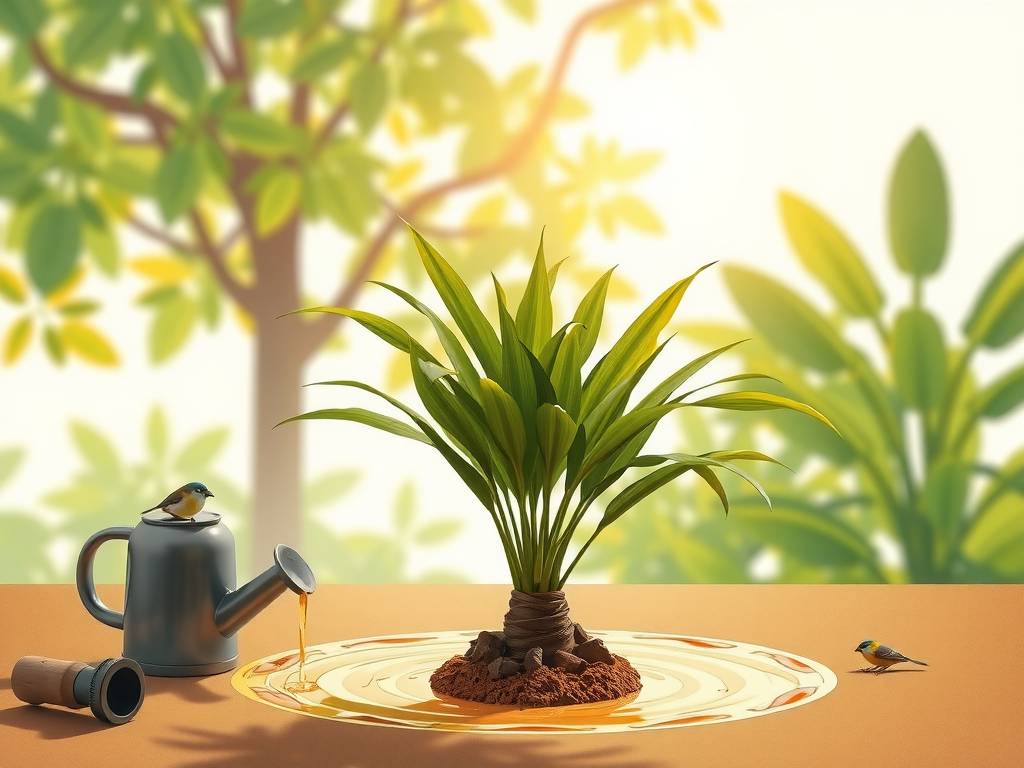
To care for any plant well, it helps to understand where it comes from. The Parlor Palm (Chamaedorea elegans) is native to the rainforests of Southern Mexico and Guatemala. There, it thrives on the forest floor, sheltered by the canopy of taller trees. This environment provides filtered sunlight, constant warmth, high humidity, and well-draining yet moist soil. Replicating these conditions at home is the cornerstone of success. By thinking of your home as a gentle, indoor rainforest, you can easily meet your palm’s core needs.
The Golden Rule: Perfecting Light and Warmth
Light is perhaps the most critical factor. The directive “warm partial shade” is not a suggestion—it’s a requirement.
Ideal Lighting Conditions Your Parlor Palm despises direct, harsh sunlight. Those rays will scorch its delicate leaves, leading to unsightly brown or yellow patches. Instead, seek out bright, indirect light. A spot near a north or east-facing window is often perfect. A few feet back from a south or west-facing window, shielded by a sheer curtain, also works beautifully. The plant is remarkably adaptable to lower light conditions, but growth will slow significantly. If you notice the fronds becoming leggy or stretching widely apart, it’s a sign it needs a bit more light.
Maintaining the Right Temperature “Warm” in this context means consistent, room-temperature comfort. Aim for temperatures between 65°F and 80°F (18°C – 27°C). Protect your palm from cold drafts, air conditioning vents, and sudden temperature drops below 50°F (10°C), which can cause shock and damage. As noted by horticulturist Jane Smith in The Indoor Jungle Handbook, “Understory palms like Chamaedorea are sensitive to temperature flux. Stability is more important than achieving peak heat.”
Mastering the Art of Watering: Moist But Not Soggy
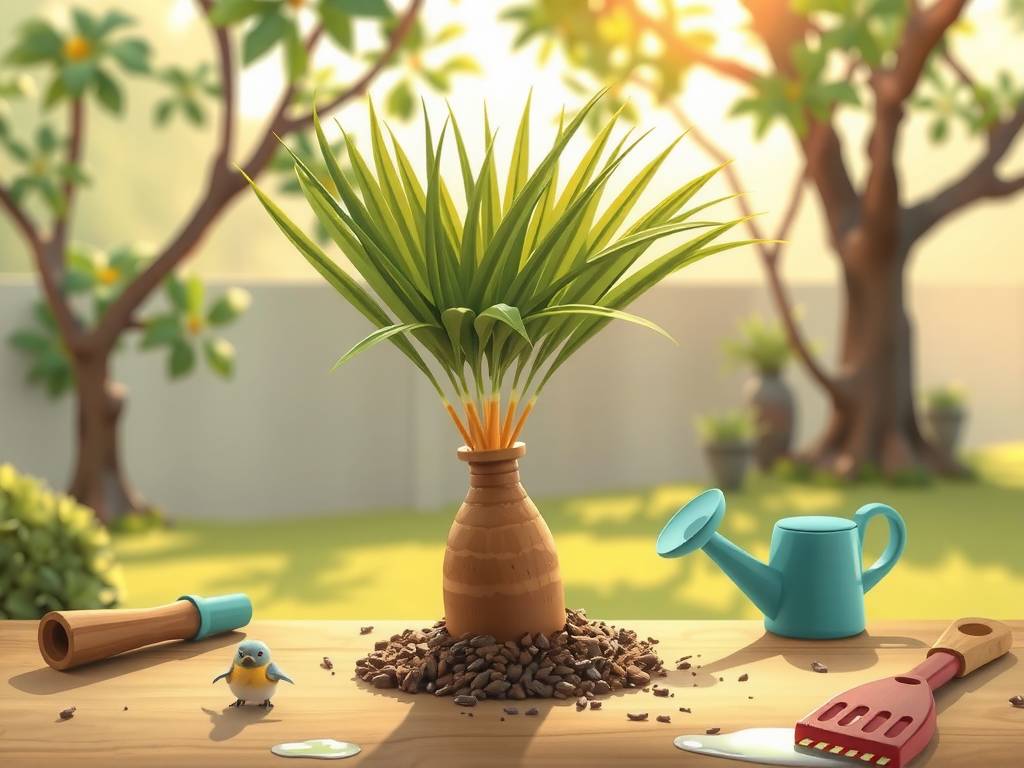
This is where most Parlor Palm owners stumble. The goal is evenly moist soil, never sopping wet and never bone dry.
Creating a Watering Routine Forget a strict calendar schedule. The best method is the “finger test.” Insert your finger about an inch into the soil. If it feels dry, it’s time to water. If it still feels moist, wait a day or two and check again. When you water, do so thoroughly until water runs freely from the drainage holes. This ensures the entire root ball is hydrated. Crucially, empty the saucer or cache pot after 15 minutes to prevent the plant from sitting in water, which is a primary cause of root rot.
The Importance of Drainage and Humidity Using a pot with adequate drainage holes is non-negotiable. Combine this with a well-draining potting mix—a standard indoor plant mix with a handful of perlite or orchid bark added for aeration is ideal. While Parlor Palms appreciate humidity, they tolerate average home levels better than many tropical plants. However, if your air is very dry, misting the fronds occasionally, placing the pot on a pebble tray with water, or using a small humidifier nearby can prevent brown leaf tips and keep the foliage vibrant.
Pruning and Maintenance for a Compact, Cute Shape
One of the Parlor Palm’s biggest appeals is its tidy, clumping form. With minimal effort, you can maintain this charming look.
Simple Pruning Techniques Pruning is mainly for aesthetics and health. Use clean, sharp scissors to trim off any fronds that have turned completely brown or yellow at the base. You can also snip off brown tips, following the natural shape of the leaf. Avoid cutting green, healthy fronds, as this can stress the plant. Regular removal of old growth encourages the plant to direct energy to new, vibrant shoots, maintaining a dense and compact appearance.
Cleaning and Feeding Dust can accumulate on the feathery leaves, blocking light. Gently wipe them with a damp cloth every month or so. For nutrition, feed your palm with a balanced, water-soluble fertilizer diluted to half strength. Do this only during the active growing season (spring and summer), once a month at most. Over-fertilizing can burn the roots and damage the plant, so when in doubt, less is more.
Troubleshooting Common Parlor Palm Problems
Even with great care, issues can arise. Here’s how to diagnose and fix them.
Brown Leaf Tips: This is the most common complaint. It’s typically caused by low humidity, fluoride in tap water, or inconsistent watering. Try using filtered or distilled water, and increase ambient humidity.
Yellowing Leaves: Older fronds yellowing and dying off is natural. However, widespread yellowing often points to overwatering and poor drainage. Check your soil moisture and drainage immediately.
Pests: Keep an eye out for spider mites or mealybugs, especially in dry conditions. Wipe leaves regularly and, if needed, treat with insecticidal soap or neem oil.
Will my Parlor Palm ever need repotting? Yes, but infrequently. These are slow growers. Repot only every 2-3 years in spring, moving to a pot only 1-2 inches larger in diameter. Being slightly root-bound can help control its size and encourage its compact shape.
Can I put my Parlor Palm outside in the summer? With caution. It must be placed in deep, full shade—never in direct sun. Also, ensure nighttime temperatures stay above 60°F. Acclimate it gradually to the outdoor environment over a week.
Why are the new fronds on my palm so small? This is usually due to insufficient light or nutrient deficiency. Ensure it’s receiving enough bright, indirect light and consider a light feeding schedule during the growing season.
Caring for a Parlor Palm is a rewarding practice in providing gentle, consistent care. By securing a spot in warm partial shade, watering to maintain moist but never waterlogged soil, and performing simple grooming, you will be rewarded with a resilient, graceful plant. Its lush, compact form will purify your air and bring a lasting sense of calm and greenery to your home for years to come.