 bluename
 How to Care for Your Areca Palm: A Complete Guide to Lush, Green Fronds
You've brought home a beautiful Areca Palm, captivated by its graceful, arching fronds and elegant shape that promises to transform your living space into a tropical oasis. But now, you notice the tips turning brown, or perhaps the vibrant green is fading to a worrying yellow. You're not alone. Many plant enthusiasts struggle to replicate the warm, humid conditions this palm naturally loves, leading to frustration. The good news? With the right knowledge, caring for your Areca Palm (Dypsis lutescens) is straightforward and rewarding. This guide will walk you through every step to ensure your palm not only survives but thrives, showcasing its full, feathery pinnate leaves.
Understanding Your Areca Palm's Natural Habitat
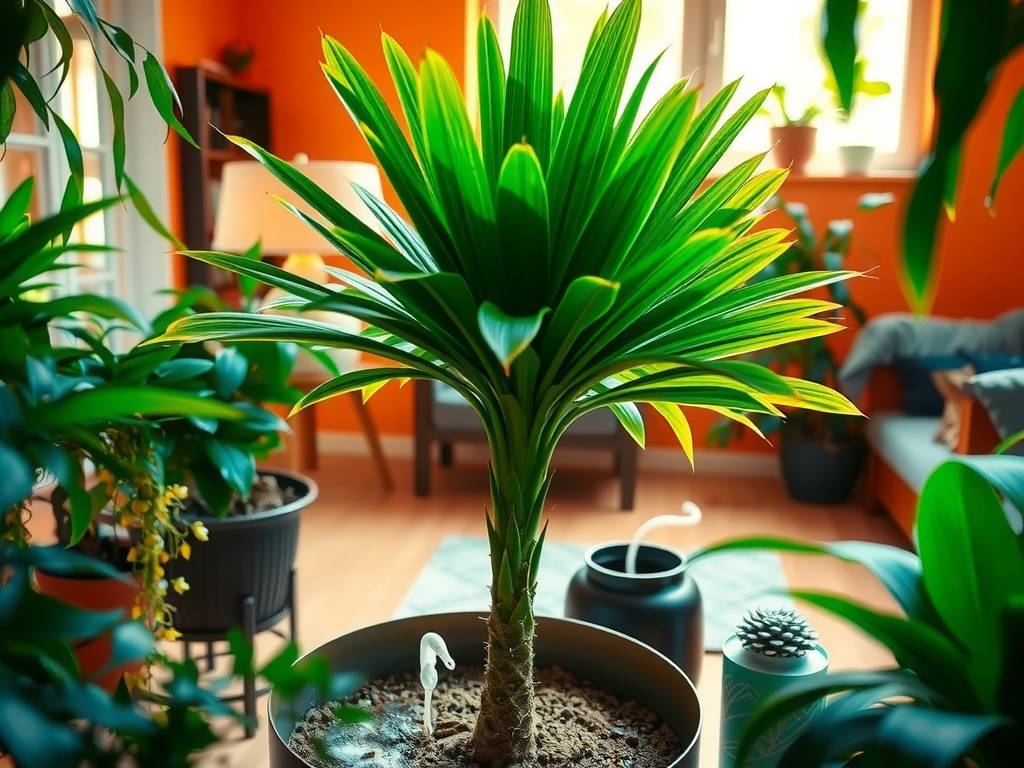
To care for your Areca Palm effectively, it's helpful to understand where it comes from. Native to Madagascar, this palm thrives in warm, humid environments under the dappled light of taller trees. This origin story is the key to its care: it craves consistent moisture, high humidity, and bright but indirect light. While it has a reputation for being somewhat drought-tolerant once established, this tolerance is often overstated for indoor specimens. Your goal is to mimic its tropical home as closely as possible.
The Perfect Environment: Light, Temperature, and Humidity
Finding the Ideal Light Areca Palms flourish in bright, filtered light. A spot near an east or north-facing window is often perfect. Direct afternoon sun can scorch those delicate pinnate leaves, causing unsightly brown or yellow patches. If you only have a south or west-facing window, use a sheer curtain to diffuse the intense rays. Notably, according to a study by the University of Florida's IFAS Extension on interior foliage plants, palms like the Areca require sufficient light intensity to maintain metabolic processes and prevent frond drop. Insufficient light will stunt growth and reduce the plant's overall vigor.
Maintaining Warmth and Humidity This is where many indoor growers face a challenge. Your palm prefers temperatures between 65°F and 75°F (18°C - 24°C) and despises cold drafts or sudden temperature drops. More critically, it loves humidity. Aim for 40-50% humidity or higher. You can boost humidity by:
- Placing the pot on a pebble tray filled with water (ensure the pot sits above the waterline).
- Grouping it with other plants to create a microclimate.
- Using a room humidifier nearby, especially during dry winter months when indoor air becomes parched. Misting can provide a temporary boost, but for sustained humidity, a humidifier is far more effective and recommended by many horticultural experts.
Watering Wisdom: The Balance Between Moist and Soggy
Mastering watering is crucial for a healthy Areca Palm. The goal is consistently moist soil, never waterlogged or bone dry.
How to Water Correctly Check the top inch of soil. When it feels dry to the touch, it's time to water. Water thoroughly until you see it drain freely from the bottom of the pot. This ensures the entire root ball gets hydrated. Always empty the saucer after 15-20 minutes to prevent "wet feet," which is a primary cause of root rot. While the Areca Palm can exhibit a degree of drought tolerance by slowing its growth, prolonged dryness will cause the leaf tips and margins to turn brown and crispy. In winter, reduce watering frequency as growth slows and evaporation decreases.
Soil and Fertilizer: The Foundation of Health
Choosing the Right Potting Mix A well-draining, peat-based potting mix is essential. You can use a high-quality general potting soil and amend it with perlite or orchid bark to improve aeration and drainage. This mix prevents compaction and allows roots to access both water and oxygen.
Feeding for Lush Growth Feed your palm with a balanced, water-soluble fertilizer (such as a 10-10-10 or 20-20-20 formula) diluted to half-strength. Apply it every 4-6 weeks during the active growing season (spring and summer). Do not fertilize in fall and winter when the plant is resting. Over-fertilization can lead to salt buildup in the soil, damaging the roots and causing brown leaf tips—a common issue often mistaken for underwatering.
Pruning and Maintenance for an Elegant Shape

One of the joys of the Areca Palm is its naturally elegant, fountain-like shape. Maintenance is simple.
- Pruning: Only prune completely brown or yellow fronds. Cut them off at the base of the stem with clean, sharp shears. Avoid cutting green fronds or the central growing point, as this can harm the plant.
- Cleaning: Dust can accumulate on the large pinnate leaves, blocking sunlight. Gently wipe the fronds with a damp, soft cloth every few months to keep them photosynthesizing efficiently and looking glossy.
Troubleshooting Common Problems
- Brown Leaf Tips: Usually a sign of low humidity, underwatering, or fluoride/chlorine in tap water. Use filtered or distilled water and increase humidity.
- Yellowing Leaves: Can indicate overwatering, poor drainage, or a need for fertilizer. Check your watering habits and soil condition first.
- Pests: Keep an eye out for spider mites (especially in dry air) and mealybugs. Wipe leaves with insecticidal soap or neem oil solution if detected.
My Areca Palm's leaves are turning yellow. What's wrong? Yellowing leaves are a common signal. Often, it's due to overwatering. Check if the soil is soggy and ensure your pot has drainage holes. It could also be a nutrient deficiency, particularly nitrogen or magnesium. Try a balanced feed if you haven't fertilized in a while. Lastly, consider if it's getting too much direct sun, which can bleach and yellow the fronds.
How often should I repot my Areca Palm? Areca Palms prefer to be slightly root-bound and don't need frequent repotting. Repot every 2-3 years in spring, moving to a pot only 1-2 inches larger in diameter. Use fresh, well-draining potting mix. If you see roots growing out of the drainage holes, it's a clear sign it's time.
Can my Areca Palm purify the air? Yes, the Areca Palm is famously listed in NASA's Clean Air Study for its ability to remove certain indoor air pollutants like formaldehyde, xylene, and toluene. While you shouldn't rely on a single plant to purify your entire home's air, it contributes to a healthier indoor environment alongside its stunning visual appeal.
With its soft, arching fronds and graceful silhouette, the Areca Palm remains a top choice for bringing a touch of the tropics indoors. Success hinges on remembering its core needs: bright, indirect light, consistent moisture without sogginess, and that all-important warm, humid atmosphere. By paying attention to its signals—the color and texture of its pinnate leaves—you can easily adjust your care routine. Provide these fundamentals, and your Areca Palm will reward you with years of lush, vibrant growth, proving itself as a resilient and truly elegant houseplant.





