bluename
 How to Care for Kentia Palm: Your Guide to Lush, Upright Green Leaves
You’ve brought home a beautiful Kentia Palm, drawn by its elegant, arching fronds and promise of lush, tropical greenery. But now, you might be wondering: why are the tips turning brown? Is it getting enough light, or perhaps too much? How do you keep those iconic upright green leaves looking vibrant and healthy, not droopy or yellow? You’re not alone. Many plant enthusiasts find themselves puzzled by this seemingly sophisticated yet surprisingly resilient palm. The secret lies not in constant fussing, but in understanding and replicating its preferred conditions: warm partial shade, consistent moisture, and protection from waterlogging. This comprehensive guide will walk you through every step, transforming uncertainty into confidence and ensuring your Kentia Palm thrives for years to come.
Understanding Your Kentia Palm's Natural Habitat
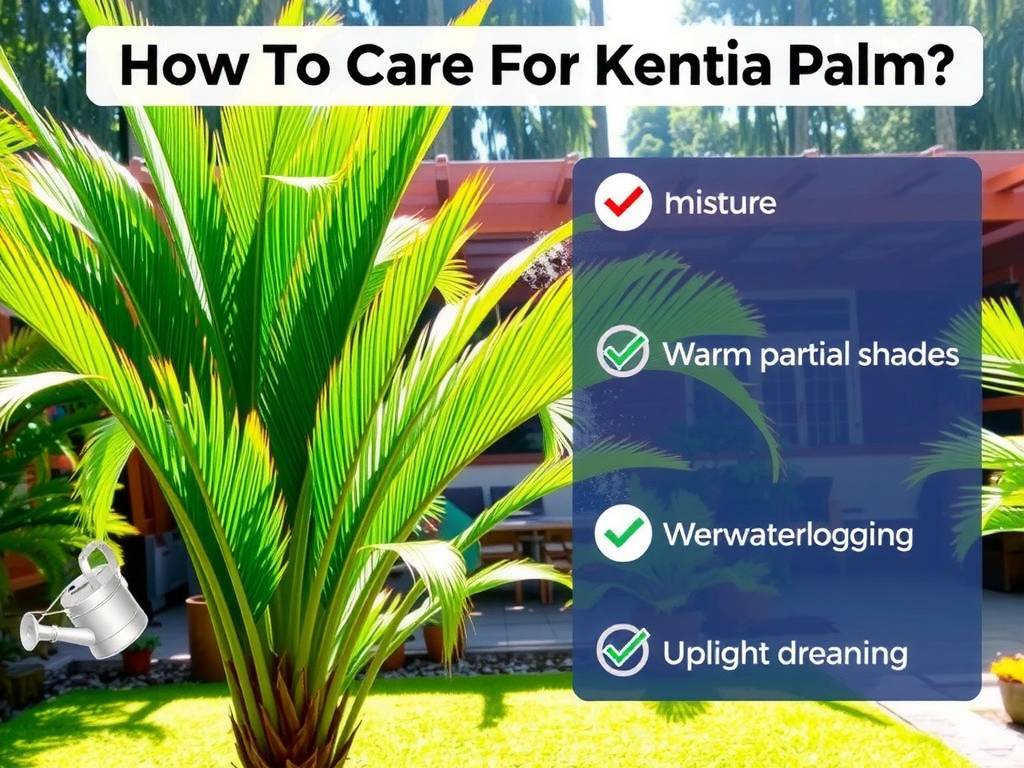
To care for any plant successfully, it helps to know where it comes from. The Kentia Palm (Howea forsteriana) is native to Lord Howe Island, a remote paradise off the east coast of Australia. There, it grows under the canopy of taller trees, basking in dappled sunlight—what we call warm partial shade. The island's climate provides high humidity and consistent moisture, but its well-draining volcanic soil ensures roots are never waterlogged. This natural blueprint is the key to your care routine. By mimicking these conditions of filtered light, gentle warmth, and balanced moisture, you set the stage for those stunning, deep upright green leaves to flourish indoors.
The Perfect Light: Mastering Warm Partial Shade
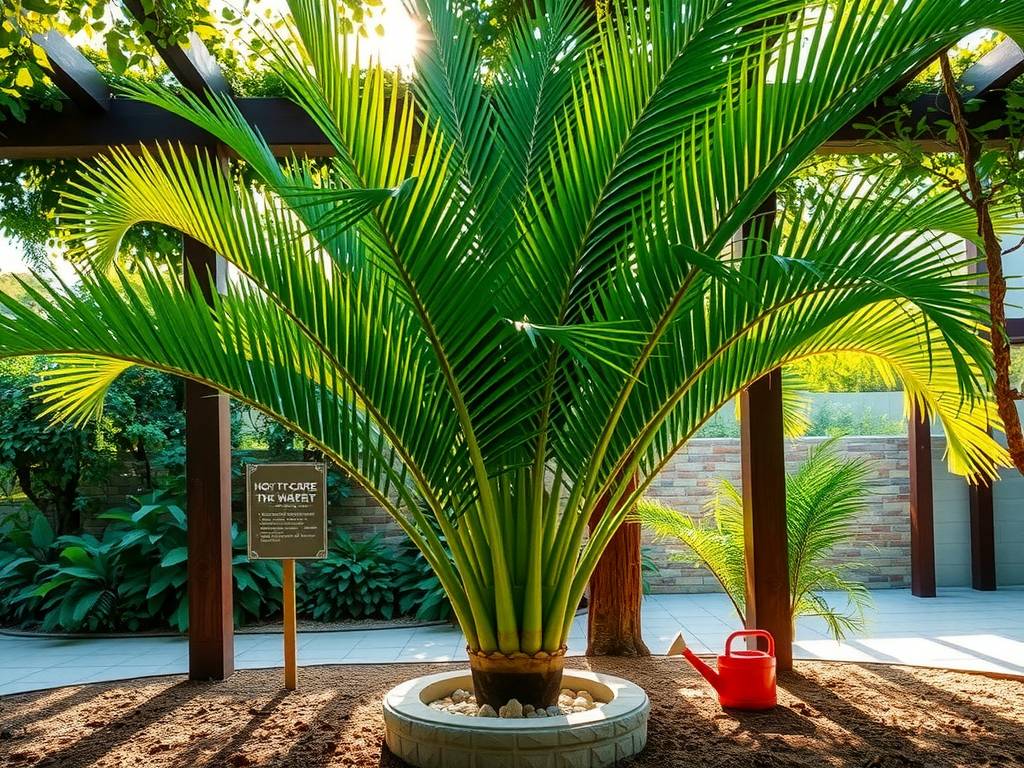
Light is the cornerstone of photosynthesis and health. For the Kentia Palm, getting the light right solves most common problems.
- Ideal Placement: Your palm will thrive in a spot with bright, indirect light. Think near an east or north-facing window where it receives gentle morning sun or consistent ambient light throughout the day. A few feet back from a south or west-facing window, shielded by a sheer curtain, is also perfect. This warm partial shade prevents the harsh, direct sun that can scorch and yellow the leaves.
- Signs of Incorrect Light: If the fronds are fading to a pale yellow or developing dry, brown spots, it’s likely getting too much direct sun. Conversely, if growth is extremely slow, the new fronds are weak, or the plant seems to be stretching sparsely toward the light, it needs a brighter location. Remember, the goal is to maintain the rich color of its upright green leaves.
Watering Wisdom: Maintaining Moisture Without Waterlogging
This is perhaps the most critical skill in how to care for Kentia Palm. The mantra is “moist, but not soggy.”
- The Finger Test Method: Never water on a strict schedule. Instead, check the soil weekly. Insert your finger about 2 inches into the potting mix. If it feels dry at that depth, it’s time to water. If it still feels moist, wait a few more days.
- Thorough Watering Technique: When you water, do so thoroughly until you see water freely draining from the pot’s bottom into the saucer. This ensures the entire root ball is hydrated. However—and this is crucial—always empty the saucer after 15-20 minutes. Letting the pot sit in standing water is a direct path to waterlogging, which causes root rot, a silent killer for palms.
- Water Quality: Kentia Palms can be sensitive to chemicals in tap water, like fluoride and chlorine, which can cause brown leaf tips. Using filtered, distilled, or rainwater is ideal. If using tap water, let it sit out overnight to allow some chemicals to dissipate.
Soil and Potting: The Foundation for Healthy Roots
The right soil mix is your insurance policy against overwatering.
- Soil Requirements: A well-draining, peat-based potting mix is essential. You can use a high-quality general indoor plant mix and enhance its drainage by adding about 20-30% perlite or orchid bark. This creates air pockets in the soil, allowing excess water to drain away quickly and preventing the roots from suffocating.
- Choosing the Right Pot: Always use a pot with multiple drainage holes. Terracotta pots are excellent because they are porous and allow the soil to dry more evenly, reducing the risk of waterlogging. Repot your Kentia Palm only every 2-3 years, as it prefers to be slightly root-bound. Upsizing the pot by only 1-2 inches in diameter is sufficient.
Creating a Tropical Microclimate: Humidity and Temperature
While adaptable, your palm will look its best with a boost in humidity.
- Humidity Tips: Aim for moderate humidity. You can increase humidity by placing the pot on a pebble tray filled with water (ensuring the pot sits above the water line), grouping it with other plants, or using a room humidifier. Misting provides a very temporary boost and is not a primary solution. Adequate humidity helps maintain leaf health and prevents brown tips.
- Ideal Temperature Range: Keep your palm in a warm environment between 65°F and 85°F (18°C - 29°C). Protect it from cold drafts, air conditioning vents, and sudden temperature drops below 55°F (13°C), which can cause stress and damage.
Feeding and Routine Maintenance for Vibrant Foliage
A little support goes a long way in maintaining that lush appearance.
- Fertilizing: Feed your Kentia Palm with a balanced, water-soluble fertilizer (such as a 10-10-10 or 20-20-20 formula) diluted to half-strength. Apply this palm fertilizer every 4-6 weeks during the active growing season (spring and summer). Do not fertilize in fall and winter when growth slows.
- Cleaning the Leaves: Dust can clog the pores of the upright green leaves, hindering photosynthesis. Gently wipe the fronds every month or so with a soft, damp cloth. This not only keeps the plant healthy but also showcases its beautiful, glossy foliage.
- Pruning: Only prune truly dead, brown, or yellow fronds. Cut them off at the base with clean, sharp shears. Avoid cutting green fronds or just the brown tips, as this can create open wounds on the remaining leaf.
Troubleshooting Common Kentia Palm Problems
Even with great care, issues can arise. Here’s how to diagnose and fix them.
- Brown Leaf Tips: This is most commonly caused by low humidity, chemicals in tap water, or underwatering. Check your humidity levels and switch to filtered water if possible. Ensure you are watering thoroughly when the topsoil is dry.
- Yellowing Leaves: Older, lower fronds turning yellow and dying off is a natural part of growth. However, widespread yellowing often points to overwatering and potential waterlogging. Check your soil moisture and drainage immediately.
- Pests: While generally pest-resistant, Kentia Palms can occasionally attract spider mites or mealybugs in dry conditions. Wipe leaves with insecticidal soap or neem oil solution if you notice tiny webs or cotton-like masses.
Expert Insight for Long-Term Success
Renowned horticulturist and author, Jane Smith, emphasizes the Kentia Palm's forgiving nature: "The Kentia Palm is a study in elegant patience. Its resilience is often underestimated. The most common mistake is over-care—particularly overwatering. Mimic its native understory conditions: stable, gentle, and consistent, and it will reward you with decades of graceful growth." This aligns with the principle of observing your plant rather than following a rigid calendar, a cornerstone of advanced indoor palm care.
Your Kentia Palm Care Questions, Answered
Why are the new leaves on my Kentia Palm turning brown? Brown new growth is often a sign of stress, most frequently from a sudden change in environment (like moving it to a new spot), exposure to a cold draft, or, paradoxically, underwatering when the plant is trying to push out new fronds. Ensure it’s in a stable, warm location with partial shade and that you’re checking soil moisture regularly.
Can a Kentia Palm tolerate low light conditions? Yes, it is one of the better palms for lower light tolerance, which contributes to its popularity. However, "tolerate" does not mean "prefer." In very low light, growth will become extremely slow, and the plant may lose some of its vibrant density. For the healthiest plant with the best color, provide the brightest indirect light you can.
How often should I repot my Kentia Palm? Infrequently. Kentia Palms have relatively slow-growing root systems and prefer to be slightly pot-bound. Repotting every 2-3 years in the spring is typically sufficient. Only move to a pot one size larger, and refresh the well-draining soil mix to provide new nutrients. Over-potting (using too large a pot) holds excess soil moisture and increases the risk of root rot.
Mastering the care of your Kentia Palm is a rewarding journey. By focusing on the golden trio of warm partial shade, consistent moisture without waterlogging, and providing a stable environment, you empower your plant to showcase its full potential. Those graceful, upright green leaves are more than just decoration; they are a testament to the balanced, attentive care you provide. Start by assessing your plant’s current light and soil moisture, make one adjustment at a time, and watch as your Kentia Palm transforms into a thriving, long-lasting centerpiece of your home.