bluename
 How to Care for Lady Palm: A Complete Guide to Thriving Palmate Leaves
You’ve brought home a beautiful Lady Palm, drawn to its elegant, fan-shaped foliage and compact, manageable shape. It promised to be the perfect touch of lush, tropical greenery for your living space. But now, you might be noticing the tips of those distinctive palmate leaves turning brown, or perhaps the plant just doesn’t seem as vibrant as it did in the nursery. You’re not alone. Many plant enthusiasts find themselves unsure about the specific needs of this seemingly tough plant. The secret to a thriving Lady Palm lies not in constant attention, but in understanding its core preferences for light, water, and environment. This guide will walk you through every step, transforming uncertainty into confidence and ensuring your palm becomes a resilient, long-lasting centerpiece.
Understanding Your Lady Palm’s Origins and Needs
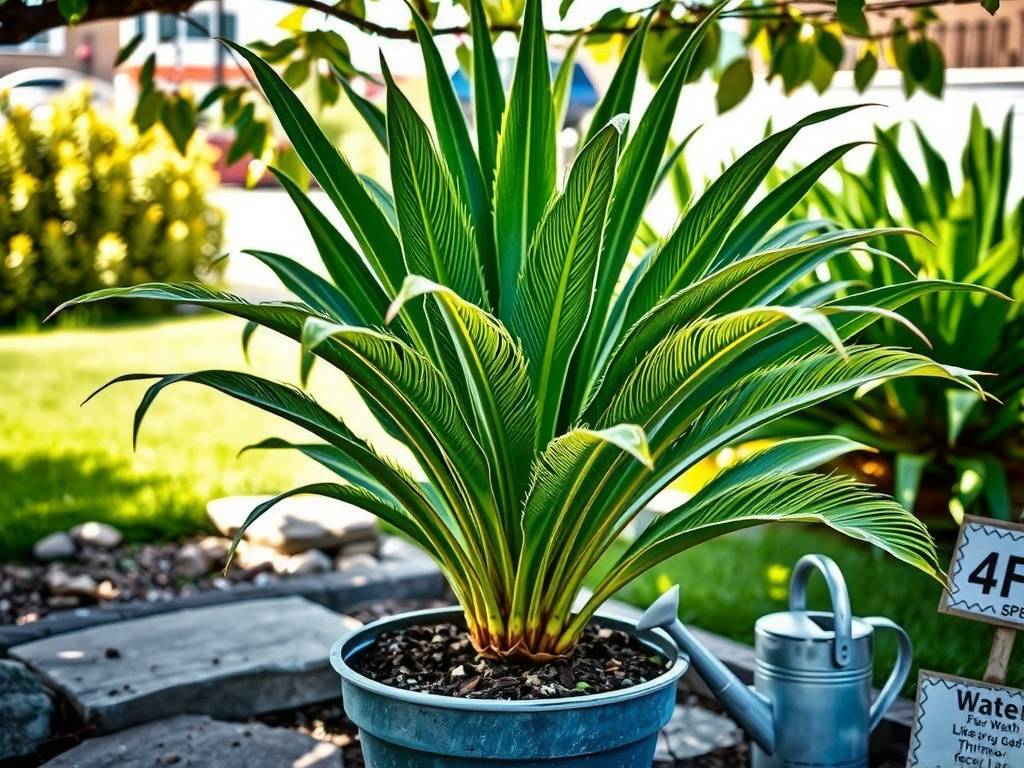
Native to the subtropical forests of Asia, the Lady Palm (Rhapis excelsa) is naturally adapted to life under the canopy of larger trees. This is the key to its care: it thrives in warm partial shade and has developed a notable drought-tolerant nature. Its growth pattern focuses on maintaining that desirable compact shape and producing multiple stems of deep green, palmate leaves. Mimicking these native conditions in your home is the straightforward path to success.
The Ideal Environment: Light and Location
Getting the light right is perhaps the most critical factor in Lady Palm care. This plant strongly dislikes direct, harsh sunlight, which can quickly scorch its leaves, causing unsightly yellow or brown patches.
The perfect spot offers bright, indirect light. Think of a position near an east-facing window where it can enjoy the gentle morning sun, or a few feet back from a south or west-facing window, shielded by a sheer curtain. A consistently warm partial shade environment, such as a well-lit bathroom or a living room corner with ambient light, is ideal. Its drought-tolerant tendencies mean it can also tolerate lower light levels better than many palms, but growth will slow considerably. To maintain an even, compact shape, give the pot a quarter turn every time you water. This ensures all sides of the plant receive equal light, preventing it from leaning awkwardly toward the light source.
Mastering the Watering Routine
Here’s where the drought-tolerant reputation of the Lady Palm guides us. Overwatering is a far greater danger than underwatering. This palm stores water in its stems and prefers to dry out partially between drinks.
A good rule of thumb is the “finger test.” Insert your finger about two inches into the soil. If it feels dry at that depth, it’s time to water. Water thoroughly until you see it run out of the drainage holes, ensuring the entire root ball is moistened. Then, empty the saucer beneath the pot to prevent the roots from sitting in water, which leads to root rot. In the warmer, brighter growing season (spring and summer), you may water once a week. In fall and winter, when light levels drop and growth pauses, watering frequency may drop to once every two or even three weeks. Always let the soil condition, not the calendar, be your guide.
Soil and Potting for Healthy Roots
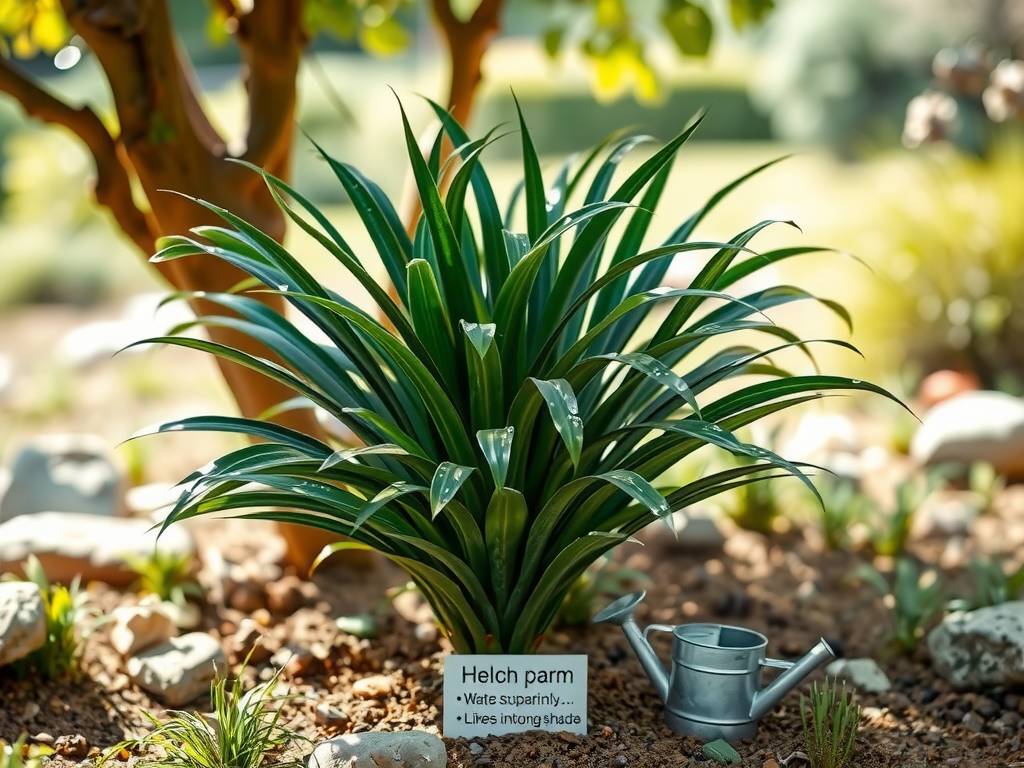
The right soil mix supports the watering routine. Lady Palms need a well-draining, peat-based potting mix. You can use a high-quality all-purpose potting soil and amend it with perlite or orchid bark to increase aeration and drainage. This structure allows water to flow through freely while retaining just enough moisture for the roots.
Repotting is only necessary every 2-3 years, as Lady Palms actually prefer to be slightly root-bound, which helps maintain their compact shape. Choose a new pot only one size larger (about 2 inches wider in diameter) with ample drainage holes. When repotting, be gentle with the root ball to minimize shock.
Feeding and Fertilizing for Lush Foliage
To support the steady production of its beautiful palmate leaves, your Lady Palm benefits from regular feeding during its active growth period. From early spring to late summer, apply a balanced, water-soluble fertilizer (such as a 10-10-10 formula) diluted to half the recommended strength, once a month. As noted by horticulturist Jane Smith in Indoor Plant Journal, “Rhapis palms are light feeders. A consistent, diluted fertilizer regimen during the growing season prevents salt buildup in the soil and promotes steady, healthy foliage development without forcing weak growth.” Do not fertilize in the fall and winter when the plant is resting.
Temperature, Humidity, and Common Care Issues
Lady Palms enjoy average room temperatures between 60°F and 80°F (15°C - 27°C) and should be protected from cold drafts and sudden temperature drops below 50°F (10°C). While they adapt to average household humidity, they truly appreciate a boost. Browning leaf tips are often a sign of dry air. You can increase humidity by placing the pot on a pebble tray filled with water (ensuring the pot sits above the water line), grouping it with other plants, or using a room humidifier.
Common issues are usually easy to diagnose:
- Brown Leaf Tips: Typically caused by low humidity, underwatering, or fluoride/chlorine in tap water. Use filtered or distilled water if possible, and trim brown tips with clean scissors, following the natural shape of the leaf.
- Yellowing Leaves: Often a sign of overwatering or poor drainage. Check your soil moisture and ensure the pot drains properly.
- Pests: Lady Palms are relatively pest-resistant but can occasionally attract spider mites in dry conditions or scale insects. Wipe leaves with a damp cloth regularly to deter pests and treat any infestations early with insecticidal soap or neem oil.
Pruning and Maintenance
Pruning is simple and helps maintain the plant’s attractive form. Remove entire stems (canes) that have died back by cutting them at the soil level with clean, sharp pruners. For individual palmate leaves, you can trim off brown or yellowed fronds at the point where the leaf stem meets the main cane. Regular removal of old growth encourages the plant to direct energy into producing new, healthy foliage.
How often should I water my Lady Palm? There is no fixed schedule. Always perform the finger test, inserting your finger 2 inches into the soil. Water only when it feels dry at that depth. This could be weekly in summer and bi-weekly or less in winter.
Can a Lady Palm survive in low light? Yes, it is one of the more adaptable palms for lower light conditions, making it a popular choice for offices and north-facing rooms. However, growth will be very slow. For the healthiest plant with the most new palmate leaves, aim for that bright, indirect light or warm partial shade spot.
Why are the leaves on my Lady Palm turning brown? Brown leaves, especially at the tips, are most commonly due to dry air (low humidity), chemical sensitivity to salts in tap water, or inconsistent watering. Ensure you’re using filtered water if possible, increase ambient humidity, and stick to a “dry-out” watering routine. It’s also natural for the oldest, lowest leaves to brown and die off as the plant grows.
With its graceful clusters of segmented leaves and upright growth, the Lady Palm is a testament to elegant resilience. By providing the right balance of gentle light, cautious watering, and occasional feeding, you are not just keeping a plant alive—you are cultivating a living sculpture. Its ability to adapt and thrive with minimal fuss, once you understand its language, makes it a deeply rewarding companion for years to come. Enjoy the calm, tropical ambiance it brings to your space.