bluename
 How to Care for Your Money Tree: A Complete Guide to Warm Light, Drought Tolerance, and Lush Green Leaves
You’ve brought home a Money Tree, captivated by its braided trunk and vibrant green leaves, a symbol of prosperity and good fortune. Yet, within weeks, you might notice yellowing leaves, a drooping posture, or even leaf drop. The excitement fades, replaced by worry. Is it too much water? Not enough light? Why won’t it thrive? The good news is that the Money Tree (Pachira aquatica) is famously resilient. Its care hinges on understanding a few key, non-negotiable needs: abundant warm light, a drought-tolerant watering routine, and the conditions that keep its stems thick and leaves brilliantly green. This guide will walk you through each aspect, transforming confusion into confidence and ensuring your Money Tree not only survives but flourishes.
Understanding Your Money Tree’s Natural Habitat
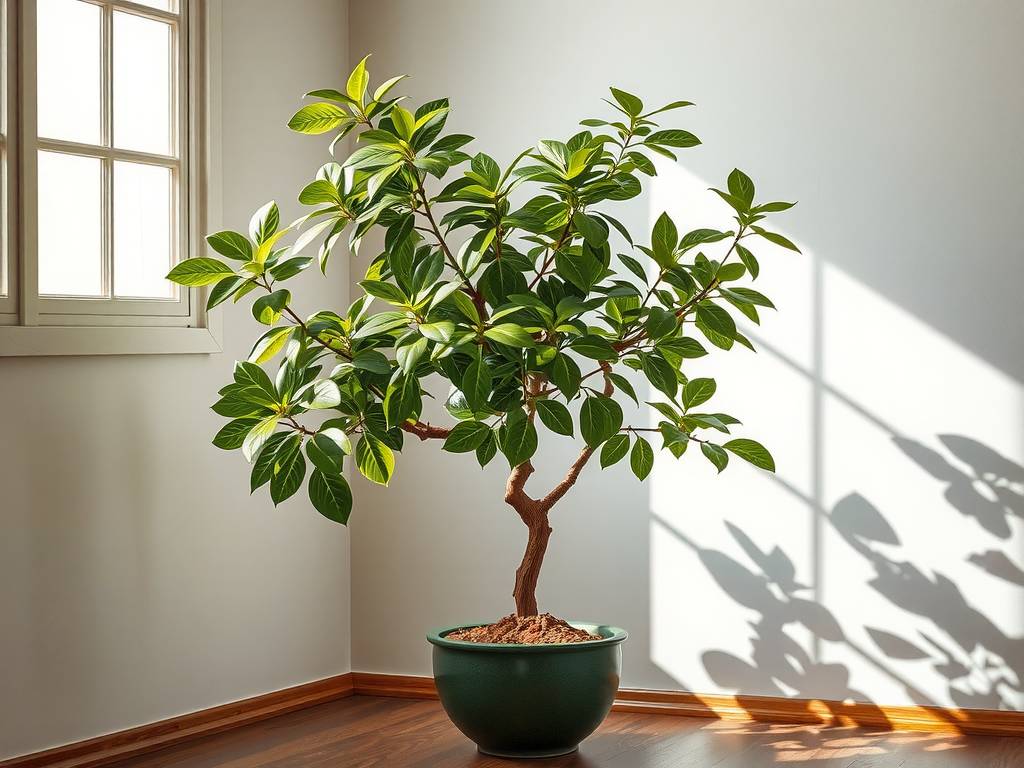
To care for it effectively, it’s helpful to know where it comes from. Native to the wetlands and swamps of Central and South America, the Money Tree is adapted to environments with bright, dappled light and periods of both moisture and dryness. This background explains its key traits: it stores water in its thick, swollen stem (caudex), making it remarkably drought-tolerant, and it thrives under the canopy’s warm, filtered sunlight, not in deep shade or harsh direct rays.
The Golden Rule: Providing the Right Warm Light
Light is the primary driver of growth for your Money Tree. “Warm light” typically refers to bright, indirect sunlight—the kind that fills a room but doesn’t cast a sharp, hot shadow on the leaves.
Ideal Placement is Key The perfect spot is near an east or north-facing window, where it receives gentle morning sun. A south or west-facing window can also work if the plant is placed a few feet back or shielded by a sheer curtain. The goal is to avoid the intense, direct afternoon sun, which can scorch the leaves, causing unsightly brown, crispy patches.
Signs of Incorrect Lighting Watch your plant’s leaves. They are excellent communicators. Leggy growth, with abnormally long spaces between leaves, and smaller-than-usual new growth signal insufficient light. Conversely, pale, washed-out, or scorched leaves indicate too much direct sun. Rotate your plant a quarter turn every time you water to ensure even growth, as it will naturally lean toward the light source.
Mastering the Drought-Tolerant Watering Routine
This is where most Money Tree owners go astray. Its thick stems store water, meaning it is far more susceptible to overwatering than underwatering.
The “Soak and Dry” Method Forget a fixed weekly schedule. The only reliable method is to check the soil. Insert your finger about 2-3 inches into the potting mix. If it feels dry, it’s time to water. When you do, water thoroughly until it runs freely from the drainage holes at the bottom of the pot. This ensures the entire root ball is hydrated. Then, let all excess water drain away completely. Never let the plant sit in a saucer of standing water, as this leads to root rot—the most common killer of Money Trees.
Seasonal Adjustments Your plant’s thirst changes with the seasons. During the active growing season (spring and summer), you may water every 1-2 weeks. In the dormant fall and winter months, watering frequency may drop to every 3-4 weeks or even longer. Always let the soil dryness be your guide. A well-draining potting mix, such as a blend of regular potting soil with perlite or orchid bark, is essential to support this routine.
Maintaining a Strong Trunk and Vibrant Green Leaves
A healthy Money Tree is characterized by a firm, thick stem and a canopy of glossy, green leaves. Here’s how to support both.
Feeding for Strength and Color To support lush leaf growth and overall health, feed your plant with a balanced, water-soluble fertilizer (like a 10-10-10 or 20-20-20 formula) diluted to half strength. Do this only during the growing season, once a month at most. Over-fertilizing can damage the roots and cause leaf burn. In winter, cease feeding entirely.
Humidity for Leaf Health While tolerant of average home humidity, Money Trees appreciate a boost, especially in dry, heated homes. Browning leaf tips can often be a sign of low humidity. You can increase moisture in the air by misting the leaves regularly, placing a humidifier nearby, or setting the pot on a pebble tray filled with water (ensure the pot’s base is above the water line).
Pruning and Support Pruning isn’t just for shape; it encourages bushier growth. Use clean, sharp shears to trim back any leggy stems or yellowing leaves just above a leaf node. If your plant is top-heavy, a thin stake can provide temporary support. For braided trees, gently check the tie at the top as the stems thicken to ensure it’s not cutting into the bark.
Troubleshooting Common Problems
Even with perfect care, issues can arise. Prompt identification is crucial.
Yellow Leaves: This is most often a sign of overwatering. Check the soil moisture immediately and adjust your routine. Ensure your pot has adequate drainage. Brown, Crispy Leaves: Typically caused by too much direct sun, very low humidity, or underwatering. Assess the plant’s location and your watering habits. Leaf Drop: A sudden change in environment (temperature, light, draft) can cause shock and leaf drop. Money Trees dislike cold drafts from doors, windows, or air conditioning vents. Find it a stable spot.
Expert Insight for Long-Term Success
Renowned horticulturist and author Jane Perrone emphasizes the importance of observation: “The most powerful tool in plant care isn’t your watering can; it’s your eyes. Learn to read your Money Tree’s signals. A slight droop in the stems often precedes thirst, while persistent damp soil whispers a warning of over-love.” This hands-on experience, built over time, is what truly leads to a thriving plant.
Why does my Money Tree have brown spots on the leaves? Brown spots can have a couple of causes. Small, dry, crispy spots are usually sunburn from direct light. Soft, dark brown spots, especially starting at the base of the leaf or stem, can indicate a fungal issue often stemming from overwatering. Isolate the plant, remove affected leaves, and review your watering and light conditions.
Can I use tap water to water my Money Tree? Money Trees can be sensitive to the chemicals and minerals in tap water, such as fluoride and chlorine, which may lead to brown leaf tips. For optimal health, use filtered, distilled, or rainwater. If you must use tap water, let it sit out in an open container for 24 hours before watering to allow some chemicals to evaporate.
How often should I repot my Money Tree? Repotting is typically needed every 2-3 years, or when you see roots growing out of the drainage holes. Choose a pot only 1-2 inches larger in diameter than the current one. The best time to repot is in the spring, at the start of the growing season. Use a fresh, well-draining potting mix to give your plant a nutrient boost.

Caring for a Money Tree is a rewarding practice in mindful attention. By faithfully providing warm, indirect light, respecting its drought-tolerant nature with a careful watering hand, and creating a stable environment, you directly support the development of its characteristic thick stems and radiant green leaves. This resilient plant asks for little but returns much—offering a continuous display of growth and vitality that makes it a cherished, long-lasting companion in your home.