bluename
 The Ultimate Guide to ZZ Plant Care: Your Key to a Thriving, Low-Maintenance Beauty
You've brought home a ZZ plant, lured by its promise of being nearly indestructible and its stunning, glossy, coin-like leaves. Yet, now it sits in your space, and a wave of questions hits. Is it getting enough light, or too much? How often should you really water this so-called drought-tolerant plant? You worry about yellowing leaves or a lack of new growth, fearing you might be failing this supposedly easy-going companion. Rest assured, the ZZ plant (Zamioculcas zamiifolia) truly is one of the most resilient houseplants you can own. Its secret lies in understanding its natural rhythms. This comprehensive guide will walk you through every aspect of how to care for your ZZ plant, transforming uncertainty into confidence and ensuring your botanical friend thrives for years.
Understanding Your ZZ Plant: The Drought-Tolerant Survivor
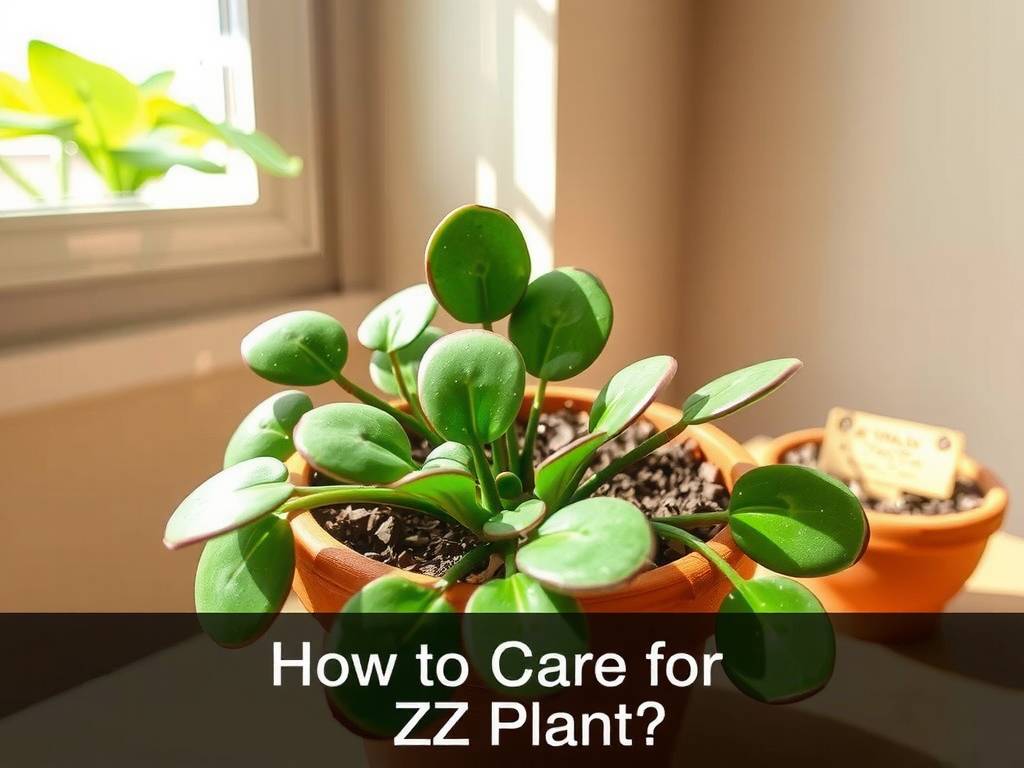
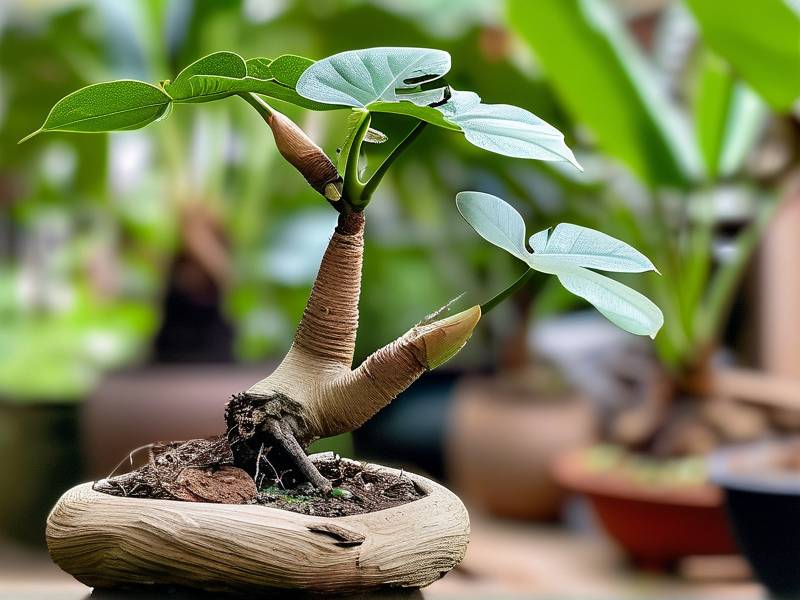
Native to the arid regions of Eastern Africa, the ZZ plant has evolved masterful survival tactics. Its thick, potato-like rhizomes store significant amounts of water, and its waxy leaf coating minimizes moisture loss. This biology is the key to its care: it prefers neglect over fuss. When you understand that it's built for periods of drought, the common pitfalls of overwatering and incorrect lighting become clear. Its architectural form, with stems that gracefully arch under the weight of its lush, green leaves, makes it a striking addition to any modern interior.
Ideal Lighting: Embracing Warm Partial Shade
The single most crucial factor for a healthy ZZ plant is proper lighting. While it's famously tolerant of low light, "tolerant" doesn't mean "preferred."
What is Warm Partial Shade? This means bright, indirect light. Imagine the dappled sunlight under a tree canopy—warm but not scorching, bright but not direct. An east-facing window is often perfect, offering gentle morning sun. A spot a few feet back from a south or west-facing window, shielded by a sheer curtain, also provides this ideal condition.
Signs of Incorrect Light In very low light, growth will slow to a crawl or stop entirely, and the plant may become leggy as it stretches weakly for a light source. Conversely, prolonged exposure to harsh, direct sunlight will scorch the leaves, leaving crispy, brown patches. The goal is to find that sweet spot of bright, filtered light to encourage steady, robust growth and maintain the deep green, glossy sheen of its foliage.
The Art of Watering: Less is Always More
Overwatering is the fastest way to harm a ZZ plant. Its water-storing rhizomes are a blessing and a curse—they allow it to survive dry spells but rot quickly in soggy soil.
A Foolproof Watering Schedule Forget a calendar-based schedule. The only reliable method is the "finger test." Insert your finger about 2 inches into the soil. If it feels completely dry, it's time to water. If you detect any moisture, wait. In typical indoor conditions with warm partial shade, this often translates to a deep watering every 2-3 weeks in summer and once a month or less in winter.
Proper Watering Technique When you do water, do so thoroughly. Pour water evenly over the soil until it runs freely from the drainage holes. This ensures the entire root ball is hydrated. Crucially, let the pot drain completely and never let the plant sit in a saucer of standing water. This drought-tolerant nature means it will always recover more easily from being too dry than from being too wet.
Soil and Potting: The Foundation of Health
The right soil mix is your insurance policy against overwatering. ZZ plants require a well-draining, aerated potting medium.
Choosing the Perfect Mix A standard cactus or succulent potting mix is an excellent choice. To improve drainage further, you can create your own blend by mixing two parts regular potting soil with one part perlite or coarse sand. This creates the gritty, loose structure that allows water to flow through quickly and oxygen to reach the rhizomes.
When and How to Repot ZZ plants enjoy being slightly root-bound. Repot only every 2-3 years, or when you see roots circling the bottom of the pot or emerging from drainage holes. Choose a new pot only 1-2 inches larger in diameter. Gently loosen the root ball, place it in the new pot with fresh soil, and water lightly to settle.
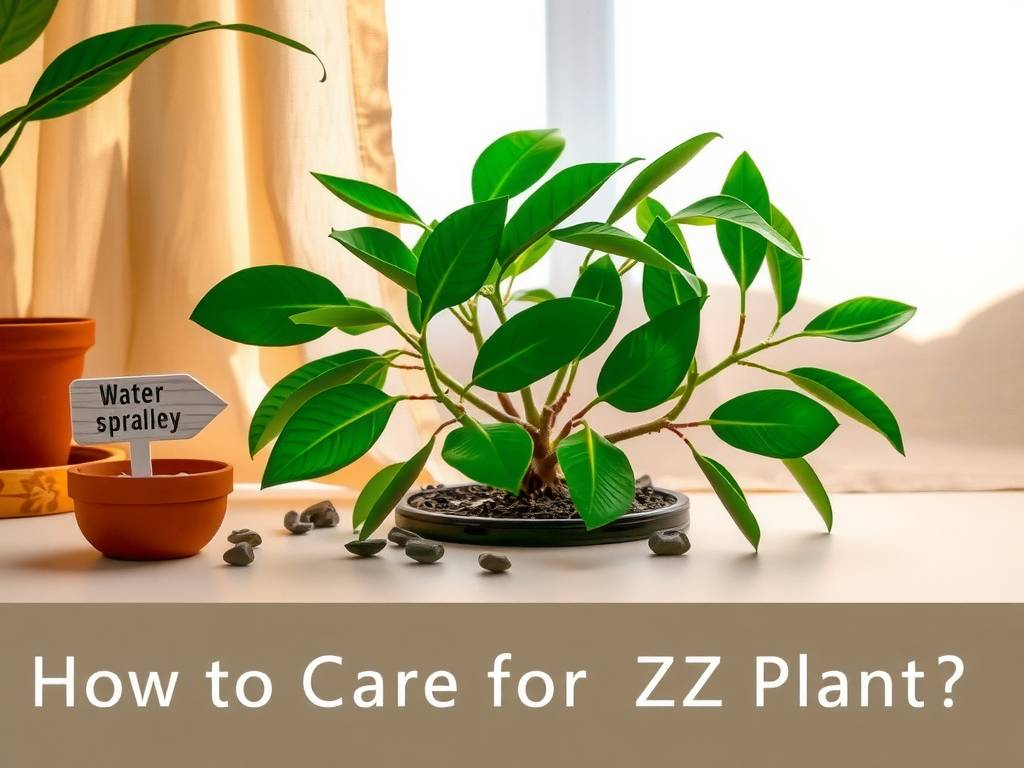
Temperature, Humidity, and Feeding
Comfortable Room Temperature Your ZZ plant is perfectly happy in average home temperatures between 65°F and 75°F (18°C - 24°C). Protect it from cold drafts and temperatures below 45°F (7°C).
Humidity is Not a Concern Thanks to its waxy leaves, it adapts well to standard household humidity levels. You do not need to mist your ZZ plant; in fact, misting can encourage fungal issues on the leaves.
Fertilizing for Optimal Growth Feed your plant sparingly. During the active growing season (spring and summer), a balanced, water-soluble houseplant fertilizer diluted to half-strength once a month is sufficient. Do not fertilize in fall and winter when growth has slowed.
Troubleshooting Common Issues
- Yellow Leaves: This is almost always a sign of overwatering. Check the soil immediately. If soggy, cease watering and consider repotting into fresh, dry soil if root rot is suspected.
- Brown, Crispy Leaf Tips: Usually caused by low humidity or underwatering. While tolerant of dry air, extremely arid conditions can cause this. Ensure you are watering thoroughly when the soil is dry.
- Leggy, Stretched Growth: Indicates insufficient light. Move the plant to a location with brighter, indirect light.
- No New Growth: This can be normal in winter. In growing seasons, it may point to low light, need for fertilization, or that the plant is severely root-bound.
Propagating Your ZZ Plant
Sharing your ZZ plant is easy. The most reliable method is division during repotting. Gently separate the rhizomes, ensuring each section has both roots and stems. Plant them in separate pots. You can also propagate from leaf cuttings, though this method requires patience as it can take several months to see new rhizome growth.
Is the ZZ plant toxic? Yes, the ZZ plant contains calcium oxalate crystals, which can be irritating if ingested by humans or pets. It's advisable to place it out of reach of curious children and animals and to wash your hands after handling it during repotting.
Can my ZZ plant survive in a windowless office? It can survive for a long time under fluorescent office lighting, which is better than a completely dark corner. However, for any significant growth, some source of bright, indirect natural light is beneficial. Its tolerance for low-light conditions is high, but survival is different from thriving.
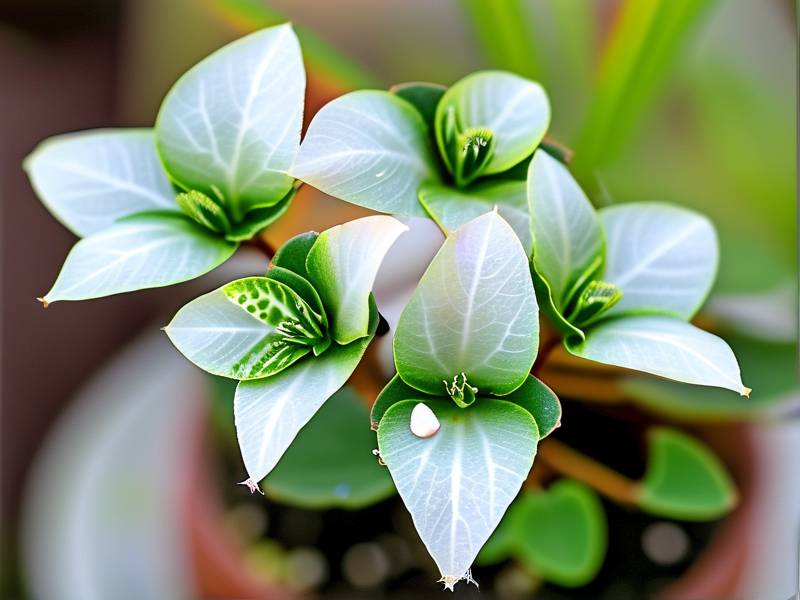
Why are there small droplets on the tips of my ZZ plant's leaves? This is called guttation and is completely normal. It usually happens after thorough watering when the plant is expelling excess water and minerals from its leaves. It's a sign of a well-hydrated plant and is not a cause for concern.
Mastering how to care for a ZZ plant boils down to respecting its origins. Provide it with the warmth of bright, indirect light, water it infrequently but deeply, and plant it in soil that doesn't hold onto moisture. By mimicking the conditions of its native habitat—warm partial shade and periods of drought—you'll be rewarded with a robust, architectural plant whose gleaming, coin-like green leaves bring a touch of serene, enduring beauty to your home. Its legendary resilience is real; with these simple guidelines, you become the ideal steward for this remarkable drought-tolerant survivor.