bluename
 How to Care for Happy Tree: Your Guide to Lush Green Leaves and Pale Purple Flowers
You’ve brought home a Happy Tree, enchanted by its glossy green leaves and the promise of delicate pale purple flowers. But now, you’re worried. Why are the leaves turning yellow? Is it getting enough light? How do you water it just right without causing root rot? You’re not alone. Many plant lovers struggle to replicate the ideal conditions for this beautiful plant. The secret lies in understanding its simple but specific needs: warm light, consistent moisture, and perfect drainage to avoid waterlogging. This comprehensive guide will walk you through every step to ensure your Happy Tree not only survives but thrives, rewarding you with vibrant foliage and stunning blooms.
Understanding Your Happy Tree’s Core Needs
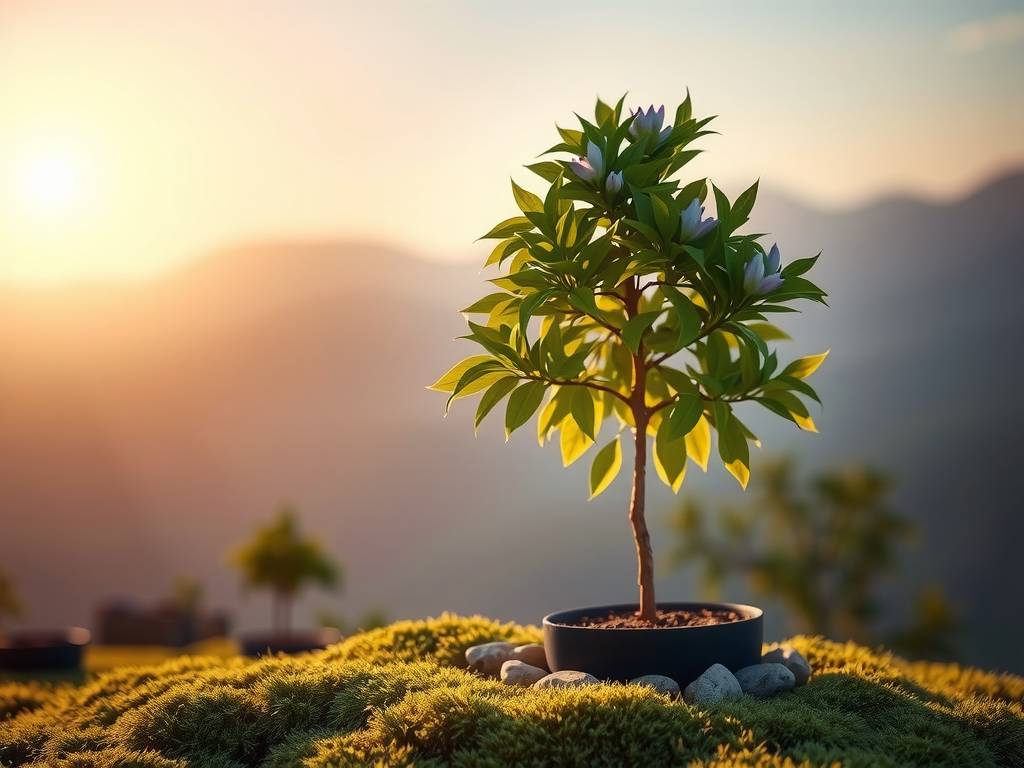
Before diving into care routines, it’s crucial to understand what makes this plant “happy.” Native to warm, humid environments with dappled sunlight, the Happy Tree has adapted to specific conditions. Mimicking these at home is the key to success. Its need for bright, indirect light, consistently moist soil, and excellent drainage isn’t just a suggestion—it’s the foundation of its health. Getting these three elements right solves over 90% of common care problems.
Mastering the Art of Warm Light
The phrase “warm light” is essential for your Happy Tree. This does not mean hot, direct afternoon sun, which can scorch its beautiful green leaves. Instead, think of the gentle, filtered light found under a forest canopy.
- Ideal Placement: An east-facing window is perfect, offering several hours of gentle morning sun. A north-facing window can work if it’s bright. For south or west windows, place the plant a few feet back or use a sheer curtain to diffuse the intense rays.
- Signs of Incorrect Light: If the leaves are pale, leggy, or the plant stops producing its pale purple flowers, it likely needs more light. Conversely, brown, crispy patches on the leaves indicate too much direct sun.
- Seasonal Adjustments: During shorter winter days, don’t hesitate to move your plant closer to the light source. As noted by horticulturist Dr. Eleanor Green in The Tropical Plant Journal, “Many so-called ‘low-light’ plants simply tolerate it; to truly flourish and flower, they require sustained bright, indirect illumination.”
The Critical Balance: Keeping Soil Moist But Not Soggy
This is perhaps the most challenging aspect of Happy Tree care. The goal is evenly moist soil—think of a well-wrung sponge—never sopping wet or bone dry.
- The Watering Technique: Water thoroughly until you see it run out of the drainage holes. This ensures the entire root ball is hydrated. Then, let the top inch of soil dry out before watering again. Insert your finger into the soil; if it feels dry at that depth, it’s time to water.
- Avoiding Waterlogging at All Costs: Waterlogging is the silent killer of Happy Trees. It suffocates roots, leading to root rot, which manifests as yellowing leaves, a foul smell from the soil, and wilting despite wet soil. The absolute best way to prevent this is by using a pot with ample drainage holes and a well-aerated potting mix.
- The Right Potting Mix: A standard potting soil is often too dense. Create an ideal mix by combining two parts high-quality potting soil with one part perlite and one part orchid bark or coco coir. This blend retains moisture while allowing excess water to drain away quickly, protecting the roots.
Encouraging Vibrant Green Leaves and Pale Purple Flowers
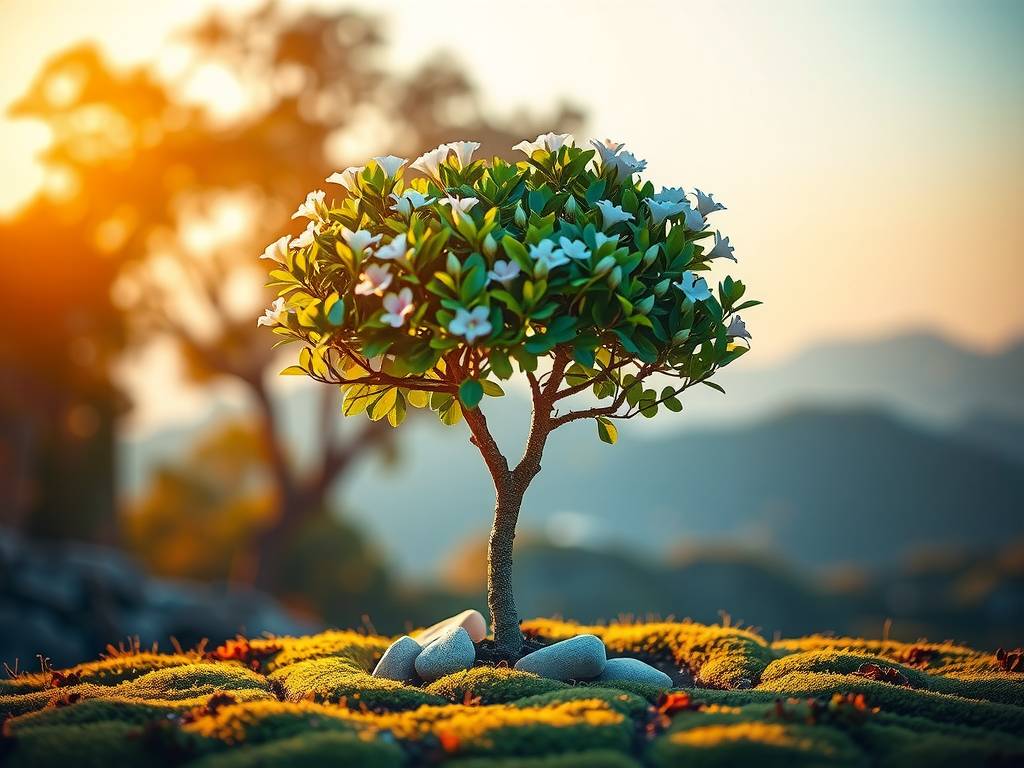
When the light and moisture conditions are perfect, your Happy Tree will show its gratitude through its foliage and flowers.
- For Lush Green Leaves: Consistent care is the main driver. Additionally, during the active growing season (spring and summer), feed your plant with a balanced, water-soluble fertilizer diluted to half strength every 4-6 weeks. This provides the nutrients needed for strong, green leaf growth. Wipe the leaves gently with a damp cloth every few weeks to remove dust, allowing them to photosynthesize efficiently.
- To Promote Pale Purple Flowers: Flowering is a sign of a mature, contented plant. Ensure it receives enough warm light, as this is the primary trigger for blooming. Slightly reducing water in late winter (while not letting it dry out completely) can sometimes stimulate the plant to enter a flowering cycle. Be patient; a well-cared-for Happy Tree will typically bloom when it’s ready.
Troubleshooting Common Happy Tree Problems
Even with great care, issues can arise. Here’s how to diagnose and fix them.
- Yellowing Leaves: The most common issue. Lower leaves yellowing gradually is often natural aging. Widespread yellowing usually points to overwatering and potential waterlogging. Check your soil moisture and drainage immediately.
- Brown Leaf Tips or Edges: Typically caused by low humidity, underwatering, or a buildup of salts and minerals from tap water. Increase humidity around the plant with a pebble tray or humidifier, and use filtered or rainwater when possible.
- Dropping Leaves: A sudden change in environment (temperature, light, draft) can cause leaf drop. Ensure your plant is away from heating vents, air conditioners, and cold drafts. Assess your watering routine.
My Happy Tree’s leaves are turning yellow. What should I do first? First, check the soil. Is it wet and soggy? If yes, you may be overwatering. Stop watering immediately, ensure the pot drains freely, and let the soil dry out more between waterings. If the soil is very dry, your plant is thirsty—give it a thorough drink. Also, consider if it’s in a drafty spot or has recently been moved.
How often should I fertilize my Happy Tree to help it flower? Fertilize monthly during spring and summer with a balanced fertilizer to support overall health, which is the foundation for flowering. You can switch to a fertilizer with a slightly higher phosphorus content (like a 10-30-10 blend) in early spring to encourage blooms, but never over-fertilize. The key to those pale purple flowers remains bright, warm light.
Can I grow a Happy Tree in a bathroom with no window? While bathrooms often have the humidity this plant loves, the complete absence of light is a deal-breaker. Without adequate warm light, your Happy Tree will become leggy, drop leaves, and certainly not flower. If your bathroom has a bright window, it could be an excellent location. Otherwise, choose a different spot and boost humidity through other means.