bluename
 How to Care for Peace Lily: A Complete Guide to Warm Light, Moist Soil, and Vibrant Blooms
You’ve brought home a beautiful peace lily with its elegant white flowers and glossy green leaves, envisioning a thriving, low-maintenance plant. Yet, instead of constant blooms, you’re met with drooping leaves, brown tips, or a puzzling lack of flowers. This common frustration often stems from misunderstood care needs. Contrary to popular belief, peace lilies aren’t indestructible; they communicate their needs clearly. Mastering a few key principles around light, moisture, and environment transforms this classic houseplant from a struggling survivor into a stunning, fragrant centerpiece.
Understanding Your Peace Lily’s Core Needs
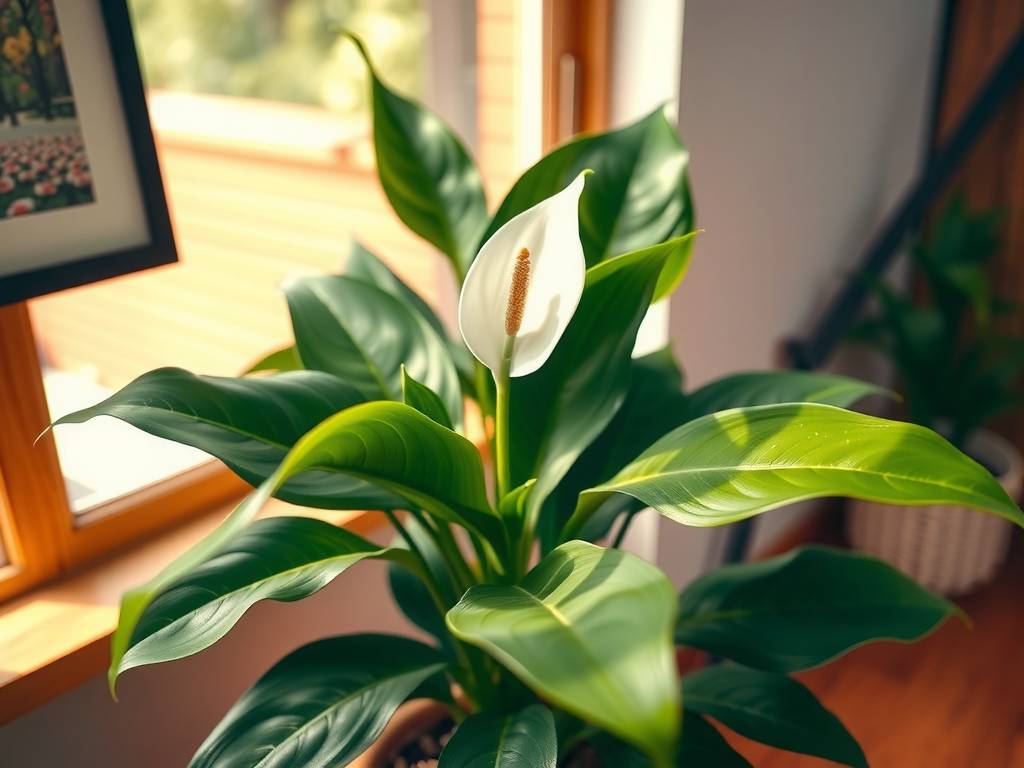
The peace lily, or Spathiphyllum, is prized for its adaptability, but it thrives under specific conditions. Its natural habitat is the forest floor, which clues us into its preferences: dappled warm light, consistently moist soil that never waterlogs, and high humidity. Getting these elements right is the secret to unlocking those coveted fragrant white flowers and deep green leaves.
Providing the Perfect Warm Light
Peace lilies are often marketed as low-light plants, but this label can be misleading. While they tolerate lower light better than many flowering plants, “tolerate” doesn’t mean “thrive.” For robust growth and frequent blooming, the quality of light is crucial.
Ideal Placement for Growth and Flowers Bright, indirect warm light is the gold standard. An east-facing window is often perfect, offering gentle morning sun. A spot a few feet back from a south or west-facing window, shielded by a sheer curtain, also works beautifully. The warm light fuels photosynthesis, strengthening the plant and encouraging it to produce its distinctive white blooms, which are actually specialized leaf bracts called spathes.
Signs of Incorrect Lighting Your plant will tell you if the light is wrong. Leggy growth, fewer or no flowers, and smaller new leaves signal insufficient light. Conversely, direct, harsh sunlight, especially afternoon sun, will scorch the leaves, causing yellow, brown, or bleached patches. If you notice scorching, move the plant immediately to a more sheltered location.
Mastering Moisture: The Art of “Moist, No Waterlogging”
This is arguably the most critical aspect of peace lily care. The goal is soil that feels like a well-wrung sponge—consistently damp but never soggy. Overwatering is a leading cause of decline, leading to root rot, a deadly condition where roots suffocate and decay.
How to Water Correctly Forget a strict schedule. Instead, check the soil regularly. Insert your finger about an inch into the potting mix. If it feels dry, it’s time to water. Water thoroughly until you see it drain freely from the bottom of the pot. This ensures the entire root ball is hydrated. Crucially, always empty the saucer or cache pot after 15-20 minutes. Letting the plant sit in standing water is a direct path to “waterlogging.”
The Dramatic Droop: A Useful Signal Peace lilies have a famous party trick: they dramatically wilt when thirsty. This is a clear, early warning system. The leaves will often perk up within hours of a thorough watering. While it’s best not to let the plant get to this point regularly, as it causes stress, it’s a helpful indicator for beginners. Use water that is at room temperature to avoid shocking the roots.
Choosing the Right Soil and Pot A well-draining potting mix is non-negotiable. A standard houseplant mix amended with perlite or orchid bark improves aeration and drainage. Ensure your pot has adequate drainage holes. A pot that is too large will hold excess moisture around the roots, increasing rot risk.
Creating the Ideal Environment for Green Leaves and Fragrant Flowers
Light and water form the foundation, but humidity and temperature fine-tune your plant’s health and flowering potential.
Boosting Humidity for Tropical Bliss Average home humidity is often too low for these tropical natives. Brown, crispy leaf tips are a classic sign of dry air. Increase humidity by grouping plants together, placing the pot on a pebble tray filled with water (keeping the pot base above the water line), or using a room humidifier. Misting provides a temporary boost but is less effective than other methods.
Feeding for Foliage and Blooms During the active growing season (spring and summer), feed your peace lily monthly with a balanced, water-soluble fertilizer diluted to half strength. This provides nutrients for lush green leaves and supports the energy-intensive process of flowering. Reduce or stop feeding in fall and winter when growth slows. Over-fertilization can burn roots and cause leaf browning.
Encouraging Those Fragrant White Flowers If your peace lily has lush leaves but no flowers, it’s usually a light issue. Move it to a brighter location with warm, indirect light. Some experts, like horticulturist Dr. Linda Chalker-Scott, also note that a mild stressor can trigger blooming. Allowing the plant to become slightly drier than usual between waterings for one or two cycles can sometimes stimulate a flower spike. Remember, most peace lilies bloom cyclically, with periods of rest between flowerings.
Routine Care and Troubleshooting
Pruning and Cleaning Remove spent flowers by cutting the stalk off at the base. Regularly trim any yellow or brown leaves at the stem to keep the plant tidy and redirect energy. Wipe the broad green leaves with a damp cloth every few weeks to remove dust, allowing them to breathe and absorb light efficiently.
Common Problems and Solutions
- Yellow Leaves: Often caused by overwatering or natural aging. Check your watering habits.
- Brown Leaf Tips: Typically due to low humidity, fluoride in tap water, or over-fertilizing. Use filtered or distilled water if possible.
- Pests: Watch for mealybugs or spider mites, especially in dry conditions. Wipe leaves with insecticidal soap or neem oil.
Frequently Asked Questions
Why are the leaves on my peace lily turning yellow? Yellow leaves are most commonly a sign of overwatering. Check that your potting mix drains quickly and that you’re allowing the top inch of soil to dry out slightly between waterings. Older leaves may also yellow naturally as they age; simply prune them away.
How often should I expect my peace lily to flower? A healthy peace lily typically blooms once or twice a year, usually in spring and sometimes again in fall. Flowering is heavily influenced by receiving adequate warm, indirect light. If it’s not blooming, try moving it to a brighter spot.
Can I grow a peace lily in a bathroom with no window? While peace lilies appreciate bathroom humidity, they cannot survive long-term in a windowless room. All plants require light for photosynthesis. Without any natural warm light, it will eventually decline, lose its green color, and never flower. Consider it a temporary guest unless you provide a strong grow light.
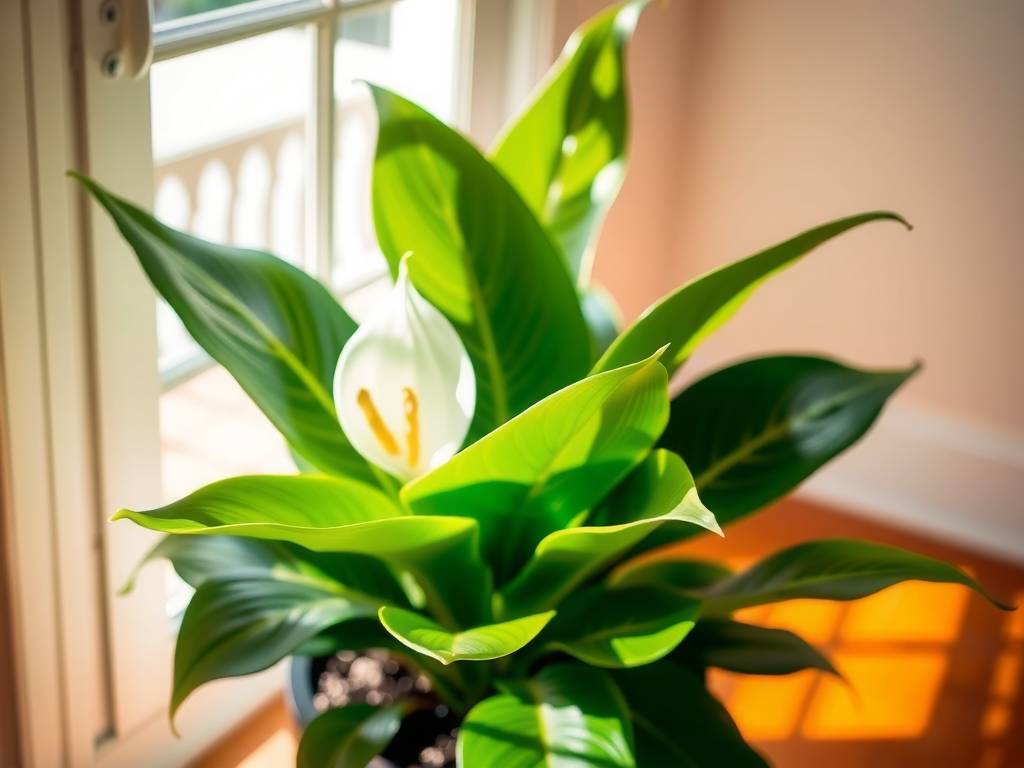
Caring for a peace lily successfully hinges on replicating its native tropical understory: protect it from harsh sun but provide ample warm, filtered light, keep its soil consistently moist without drowning the roots, and surround it with humid air. When these elements align, you are rewarded not just with resilient, deep green leaves, but with the graceful, fragrant white flowers that make this plant a beloved favorite. Pay attention to its signals—the dramatic droop, the leaf color, the bloom production—and you’ll develop a rewarding rhythm that keeps your peace lily flourishing for years.