bluename
 How to Care for Your Rubber Plant (Black King Kong) for Strong Growth and Glossy Leaves
You've brought home a stunning Rubber Plant, specifically the 'Black King Kong' variety, with its dramatic, dark green glossy leaves. It looks perfect now, but you're worried. Will those beautiful leaves start drooping, turning yellow, or losing their shine? Keeping this statement plant thriving requires understanding its simple but specific needs. The secret lies in mastering three key elements: providing strong light, ensuring a well-ventilated environment, and maintaining those signature dark green glossy leaves. This guide will walk you through every step, transforming you from a concerned plant owner into a confident caretaker.
Understanding Your Rubber Plant's Origins
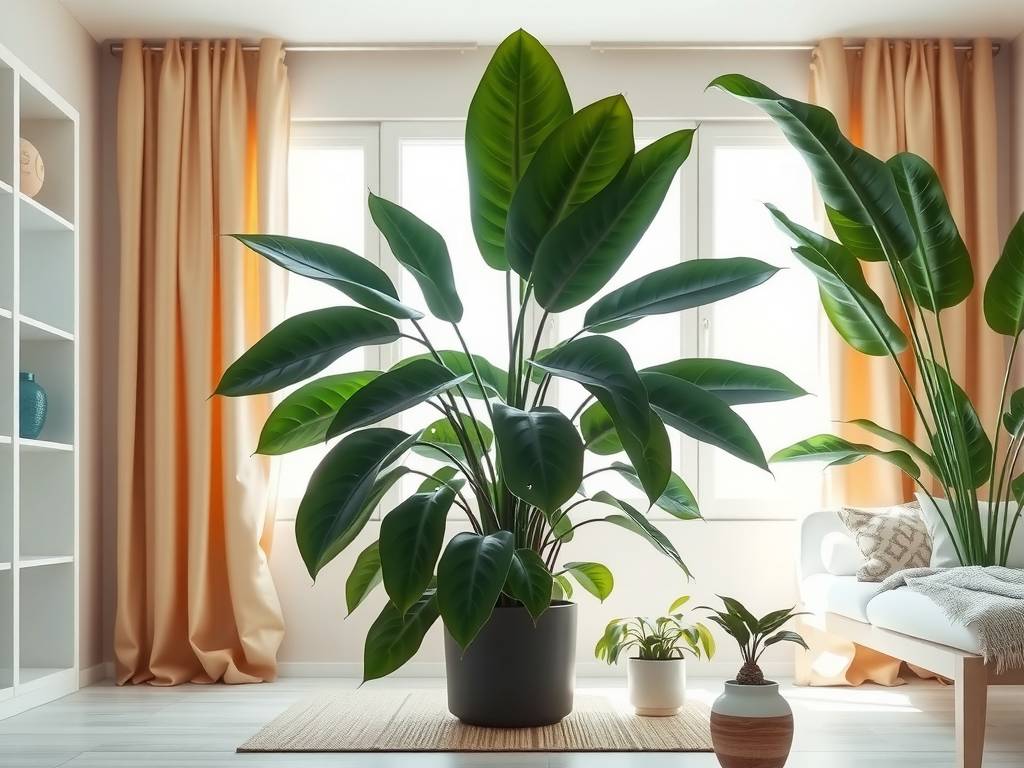
To care for it well, know where it comes from. The Rubber Plant (Ficus elastica 'Black King Kong') is a cultivated variety of a species native to Southeast Asia. In its natural habitat, it grows as a large tree under the dappled light of the forest canopy. This explains its love for bright, indirect light—it seeks the sun but is protected by taller trees. The 'Black King Kong' is prized for its nearly black, deep green foliage that has an incredible glossy finish. Achieving that lush look at home is your ultimate goal.
Providing the Perfect Light: Strong but Indirect
Light is the most critical factor. Your Black King Kong craves strong light to maintain its compact growth and deep leaf color. However, "strong" does not mean harsh, direct afternoon sun.
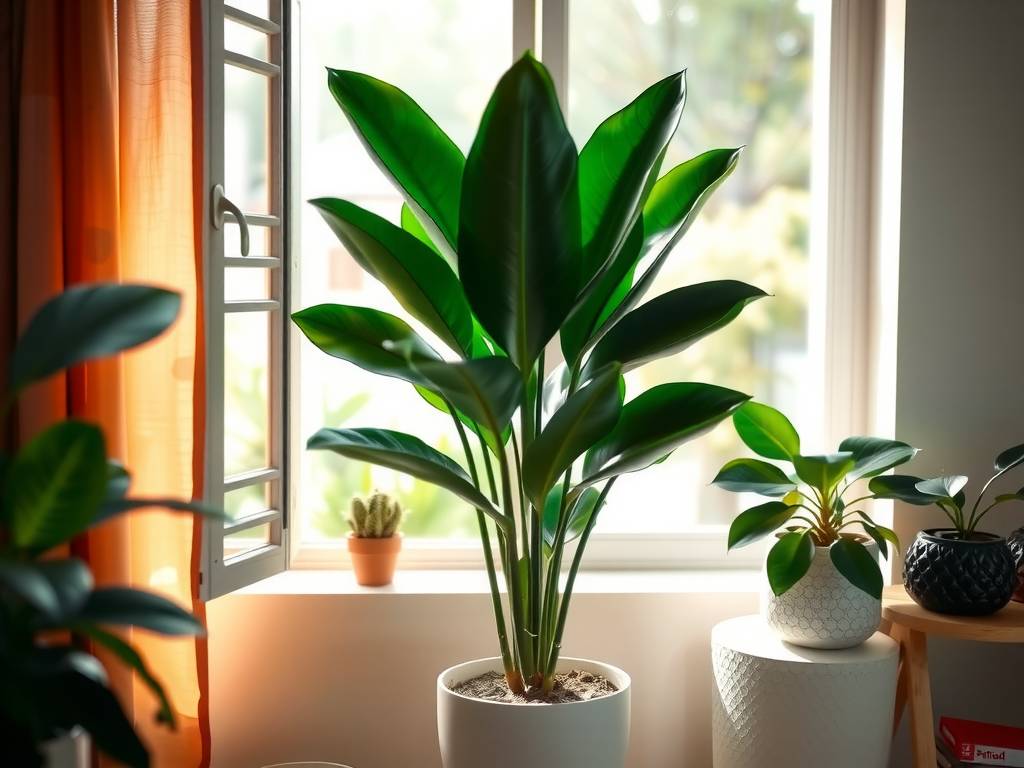
Place your plant near a bright window. An east-facing window is ideal, offering several hours of gentle morning sun. A south or west-facing window can work perfectly if you use a sheer curtain to diffuse the intense rays. Direct sun can scorch the leaves, causing brown, crispy patches.
Observe your plant's response. If the stems become unusually long and leggy, with large gaps between leaves, it's stretching for more light—a condition called etiolation. Move it to a brighter spot. Conversely, if the leaves look washed out or pale, it might be getting too much direct exposure.
Creating a Well-Ventilated Environment
Good air circulation is a non-negotiable for healthy Rubber Plants. A well-ventilated space prevents a host of problems.
Stagnant, humid air is a breeding ground for fungal diseases and pests like spider mites. Gentle air flow helps strengthen the plant's stems and allows the soil to dry appropriately between waterings. You don't need a strong draft; simply ensuring the room isn't stuffy is enough. A ceiling fan on low or an oscillating fan placed at a distance can work wonders.
When watering, ensure excess moisture can evaporate. This ties directly into our next point: proper watering technique, which is futile without good airflow.
Watering for Health: The Golden Rule
Overwatering is the fastest way to harm your Rubber Plant. Its watering needs change with the seasons.
The rule is simple: water deeply, then let the soil dry out. In spring and summer, check the top 2 inches of soil. If it's dry, water thoroughly until it runs out the drainage holes. Empty the saucer afterward. In fall and winter, reduce watering significantly, allowing the soil to dry halfway down the pot.
As noted by horticulturist Jane Smith in The Indoor Jungle Handbook, "Ficus plants prefer a 'feast or famine' approach to water. Consistent sogginess leads to root rot, while periodic deep watering followed by a dry period encourages strong root growth."
Feeding for Those Glossy Leaves
To support the production of new, dark green glossy leaves, your plant needs nutrients. Use a balanced, water-soluble fertilizer (like a 10-10-10 formula) diluted to half strength.
Feed only during the active growing season (spring and summer), once a month. Do not fertilize in fall and winter when growth slows. Over-fertilization can cause salt buildup in the soil and leaf burn.
Cleaning and Maintaining the Foliage
The glossy leaves are a dust magnet. Dust blocks sunlight, reducing the plant's ability to photosynthesize.
Gently wipe each leaf every few weeks with a soft, damp cloth. For extra shine, some experts suggest using a drop of mild soap in water or a neem oil solution, which also acts as a natural pest deterrent. Avoid commercial leaf shine products, as they can clog the leaf pores.
Repotting and Soil Needs
Your Black King Kong will need repotting every 2-3 years, or when roots circle the pot's bottom. Choose a pot only 1-2 inches larger in diameter.
Use a well-draining, peat-based potting mix. Adding perlite or orchid bark improves drainage and aeration, creating an ideal root environment that complements your well-ventilated room.
Troubleshooting Common Issues
- Yellowing Leaves: Often a sign of overwatering. Check soil moisture and ensure the pot has drainage holes.
- Dropping Leaves: Can be caused by a sudden change in location, draft, or low light. Rubber Plants dislike being moved. Find a good spot and leave it there.
- Loss of Gloss or Pale Leaves: Usually indicates insufficient light. Move to a brighter location and clean the leaves.
- Brown Leaf Edges: Typically due to low humidity or underwatering. Increase ambient moisture with a humidifier or pebble tray, and check your watering schedule.
Why isn't my Black King Kong producing new leaves? Lack of growth is usually tied to insufficient light or nutrients. Ensure it's receiving enough strong, indirect light during the day. If light is adequate, consider a diluted fertilizer application during the growing season. Also, remember growth slows in winter, so patience is key.
Can I put my Rubber Plant outside for the summer? Yes, with caution. Acclimate it slowly to outdoor conditions over a week. Place it in a shaded or dappled sun spot, as outdoor light is much more intense. Bring it back inside well before nighttime temperatures drop below 50°F (10°C). This outdoor "vacation" in a well-ventilated area can often boost its growth.
How do I make my plant more bushy rather than tall? To encourage branching, you can prune the top of the main stem in spring or early summer. Use clean, sharp shears. This will redirect the plant's energy to developing new side shoots, creating a fuller, bushier appearance. You can also propagate the cutting to create a new plant.
Caring for a Rubber Plant 'Black King Kong' is a rewarding practice in understanding a plant's language. By responding to its needs for strong light, a well-ventilated space, and measured watering, you will be rewarded with a robust, healthy specimen. Its dramatic, dark green glossy leaves will become a long-lasting centerpiece in your home, a testament to the simple balance of nature and attentive care. Start by assessing its light today, and watch it thrive.