bluename
 The White Dust That Almost Killed My Blue Passionflower
I remember the exact morning I spotted it. A fine, ghostly powder dusting the leaves of my Passiflora caerulea, the blue passionflower I’d babied for eight months. My heart sank. I knew powdery mildew on passiflora caerulea foliage could spread like wildfire if ignored. The worst part? I had done it to myself. I had watered it religiously every evening, kept it in a dim corner of my porch, and left it in a decorative pot with zero drainage. It was a perfect storm. After two weeks of trial, error, and a lot of sticky neem oil, I finally beat it. Here is my exact, step-by-step playbook, plus the painful mistakes you should never repeat.
The First Mistake: Overwatering (The Silent Killer)
Let’s get this straight. 90% of indoor plants die from overwatering. I used to think more water meant more love. That is total nonsense. My blue passionflower was sitting in soggy soil. The roots were drowning. And when roots sit in moisture, they weaken. A weak plant is a magnet for fungal spores like powdery mildew.
I was watering every single day. Sometimes twice. I thought the topsoil feeling dry was a green light. It wasn’t. The soil deeper down was practically a swamp. I learned to use my index finger. I push it two inches deep. If it feels damp, I walk away. I now water only when that top two inches are bone dry. For a potted passionflower, that often means once every five to seven days, depending on your air humidity. You want the soil to feel like a wrung-out sponge, not a soaked towel.
The Second Mistake: Getting The Light Completely Wrong
My other huge failure was placement. I had my passiflora in a spot that got maybe two hours of weak morning sun. It was too shaded, too cool, and the air was stagnant. Powdery mildew thrives in these exact conditions. It loves high humidity, moderate temperatures, and poor air circulation. My plant was a sitting duck.
I moved it. Now it gets at least six hours of bright, direct sunlight. In the UK, where I live, that means a south-facing windowsill or a sheltered south-west wall outdoors. The sun is harsh, but this plant loves it. The UV rays actually help kill the fungal spores on the surface of the leaves. Within three days of moving it, I noticed the new growth looked tighter and healthier. The old mildew spots stopped expanding. Sunlight is free medicine.
The Third Mistake: The Wrong Pot (A Classic Beginner Trap)
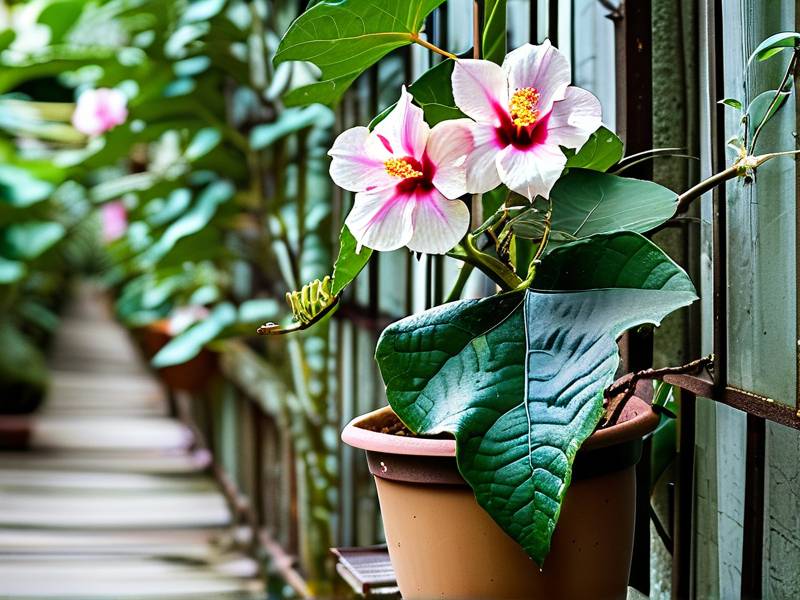
I bought this beautiful ceramic pot without drainage holes. It was glazed, heavy, and pretty. It was a death sentence. Water pooled at the bottom, unseen. The roots were sitting in rotten water. I 养死第X盆植物后才学会 this lesson the hard way. I lost a gorgeous jasmine and a ficus to root rot because of pretty pots.
You need a plastic or terracotta pot with large drainage holes. Terracotta is fantastic because it’s porous. It lets the soil breathe and wicks away excess moisture. I switched my passionflower to a terracotta pot with a saucer. I never let the saucer sit with water in it for more than an hour. This simple change instantly improved root health. A healthy root system is your first defense against fungal issues.
My Two-Week Rescue Plan (What Actually Worked)
Alright, here is the timeline of my recovery. I caught the mildew early, but it was visible. White powdery spots covered about 25% of the leaves. Here is what I did.
Week One: Physical Removal and The First Spray
I didn’t reach for heavy chemicals first. I started with the hose. I took the plant outside and sprayed it with a strong jet of water. This physically knocks off a huge portion of the spores. Do this in the morning so the leaves dry by nightfall. Wet leaves at night is another invitation for fungus.
Then, I mixed a homemade remedy. I used one tablespoon of baking soda, one teaspoon of horticultural oil (I used sunflower oil), and a few drops of dish soap in one gallon of water. I sprayed every single leaf, top and bottom, until it dripped. I made sure to hit the stems.
I repeated this spray every three days. I was careful to test it on one small leaf first. I didn’t want to burn the foliage.
The Crucial Step: Removing The Infected Parts
This hurt. I had to prune. I took my sterilized scissors and cut away the worst-affected leaves. I didn’t compost them. I bagged them and threw them in the trash. The spores can survive in compost and reinfect your plants later. I removed about 40% of the foliage. It looked bare for a few days. But it was necessary. You can’t cure dead tissue. You have to remove it.
Week Two: Switching To a Fungicide
By day five, the baking soda spray had slowed the spread. But it wasn’t killing the stubborn spots. I switched tactics. I bought a ready-to-use sulfur-based fungicide. Sulfur is a classic treatment. The RHS actually lists sulfur as a reliable control option for powdery mildew. I sprayed it thoroughly.
Let me tell you about the weather. It needs to be below 85°F (29°C) when you spray sulfur. If it’s hotter, it can burn the leaves. I checked the forecast. I sprayed on a mild, dull afternoon.
My Observation After Exactly 14 Days
Here is the honest truth. After two full weeks, the mildew was gone. Not 100% gone—I saw a few tiny flecks on new tips—but the plant was recovering. New leaves were emerging, clean and dark green.
I also noticed the texture changed. The old, stunted leaves were being pushed out by vigorous new growth. The vine started climbing again. The plant was back in survival mode, not just maintenance mode. The key was consistency. I didn’t stop the fungicide after one application. I applied it once a week for three weeks total.
What The Experts Say About This Disease
I’m not just making this up. The experts at the RHS note that powdery mildew is often a symptom of stress, not just a disease. Excess shade, poor air flow, and dry root conditions can trigger it.
I also read a piece from the AHS that stressed prevention over treatment. They mention choosing resistant cultivars and planting in full sun. That aligns perfectly with my experience. Once I gave my plant the right environment, the disease became a non-issue.
The Hidden Problem: The Soil Surface
I found another culprit. Dead leaves were sitting on the soil surface. They were rotting, harboring spores. I cleaned the entire top layer. I scraped off the top inch of old, compacted soil and replaced it with fresh, well-draining mix. This removed any dormant spores that might infect the plant later.
A Note On Air Circulation
I had my plants crowded together. They were touching each other. That’s bad. When leaves touch, moisture gets trapped between them. This creates a micro-climate perfect for mildew. I spaced everything out. I gave my passionflower at least two feet of breathing room on all sides. If you have indoor plants, run a small fan on low for a few hours a day. It strengthens stems and dries the foliage.
Common Myths I Busted (From Personal Testing)
Many people say milk spray works. I tried it. I used a 1:10 mixture of milk and water. It did slow the mildew down, but it smelled awful after a few days. It also left a sticky residue that attracted ants. I wouldn’t recommend it as a primary treatment. Baking soda works better, in my opinion.
Another myth is that you can just wipe the powder off with a cloth. You can’t. The spores are like roots. They penetrate the leaf surface. Wiping just smears them around and damages the waxy cuticle of the leaf, making things worse. Don’t wipe. Spray.
How To Prevent A Relapse
Prevention is starting to sound like a broken record, but it’s true. I changed my watering schedule completely. I also started feeding my plant a high-potassium fertilizer. Potassium strengthens cell walls. Strong cells are harder for fungus to break into.
I kept the plant in full sun. I pruned it more aggressively to keep the center open. This allows air to flow through the canopy. I stopped splashing water on the leaves when I watered. I water at the base, directly into the soil. Wet leaves are an invitation.
The Problem With Nitrogen
Yeah, I also messed up with fertilizer. I used a high-nitrogen liquid feed to boost growth. That was a terrible idea. Nitrogen makes leaves soft, lush, and floppy. It’s like a buffet for fungus. I switched to a tomato fertilizer (higher in potassium) and the leaves got thicker and waxier. They became much more resistant.
What About Store-Bought Chemicals?
If the infection is severe, you can use a systemic fungicide. These are absorbed by the plant and travel through the sap. They are more effective but also more toxic. I try to avoid them unless absolutely necessary. If you use them, always follow the label safety instructions. Wear gloves and a mask. The sulfur spray worked fine for me, so I never needed the hard stuff.
My Weekly Routine Now
I check my plant every morning. Simple inspection. I look at the undersides of the leaves. That’s where the mildew often starts, hiding. I also check the soil moisture. It’s a quick 30-second check. If I see any white fuzz, I immediately cut the leaf off and throw it away. Early intervention takes five minutes. Late intervention takes two weeks.
The Emotional Toll (Let’s Be Honest)
It’s frustrating. Watching your favorite plant degrade is sad. I panicked. But panic leads to bad decisions, like overwatering more or blasting it with chemicals. Take a breath. Follow the steps. The plant wants to live. You just have to give it the right conditions. I actually found that after this scare, my plant came back stronger than before. The hard pruning encouraged new, vigorous shoots.
Advanced Tip: Quarantine New Plants
I brought a new plant home from a garden center last summer. It looked healthy. Two weeks later, I saw mildew on it. It was too late. It had already spread to my other plants. Now, I quarantine every new plant for 30 days. They live in a separate room. This is non-negotiable. You never know what’s hiding in the soil or on the leaf axils.
The Bottom Line On Treatment
Treating this is not a one-and-done job. It’s a process. You’ll need to prune, spray, adjust watering, and improve light. Give it a good two weeks. You should see new, clean growth. If you still see active, spreading mildew after three weeks, you might need a stronger fungicide. But honestly, for most home growers, the baking soda and sulfur combo is enough.
What If The Whole Plant Is Covered?
If it’s a catastrophic infection, don’t waste your time. Take cuttings from the healthiest stems. Strip them of most leaves. Dip them in rooting hormone and stick them in a perlite mix. This is often easier than trying to save a severely infected parent plant. I’ve done this twice. It’s reliable and gives you a clean, young plant.
Frequently Asked Questions
1. Can I use neem oil to cure powdery mildew on my passionflower?
Yes, you can. Neem oil is a great preventative, but it’s not the strongest cure. I used it early on. It works by suffocating the spores. However, I found it less effective than sulfur for a full-blown infection. If you use it, make sure you spray in the evening. Neem oil can burn leaves if exposed to direct hot sun.
2. Will powdery mildew kill my blue passionflower completely?
It’s rare for mildew to kill a mature plant outright. However, it severely weakens it. The plant loses leaves and stops photosynthesizing efficiently. Over time, it becomes vulnerable to other pests like spider mites. It stunts growth and can kill young seedlings. Treat it quickly. Don’t wait.
3. Is it safe to eat the fruit from a plant that had powdery mildew?
The fruit is safe to eat as long as it develops after you’ve treated the plant. I washed my fruit thoroughly and it tasted fine. However, don’t apply sulfur fungicide within a few weeks of harvest. Check the label for the pre-harvest interval. That’s the time you must wait between spraying and eating. Usually, it’s 14 to 21 days.
Look, I know it feels overwhelming when you see that white dust. But you got this. Stop overwatering. Move it to the sun. Get that pot right. Then spray. It’s a simple recipe. My plant, 'Penny', is now thriving. She’s climbing a trellis and blooming continuously. You’ll get there too. Just be patient and observant. Your plant will thank you for it.