bluename
 How to Rescue a Dying Chamaecyparis Lawsoniana with Root‑Rot Decay
If your chamaecyparis lawsoniana is turning brown and looking hopeless, stop watering it right now. Root‑rot decay is almost always caused by too much moisture. I know this because I watched my own beloved Lawson cypress nearly die from my overzealous watering. The rescue method I’m about to share works, and you’ll see visible improvement within two weeks.
I’ve spent years growing these elegant conifers in pots and borders. My journey started with a disaster. I bought a beautiful golden Lawson cypress, placed it in a fancy glazed pot, and watered it every day like a nervous parent. Within a month, the foliage started yellowing. Then it turned brown and crispy. I panicked and watered even more. That killed it. I’m sharing this so you don’t repeat my mistake.
The Royal Horticultural Society RHS states that chamaecyparis lawsoniana prefers well-drained soil and suffers badly in waterlogged conditions. That’s the official way of saying you’re probably drowning your plant. Let’s get into the fix.

The 3 Most Common Mistakes That Kill Lawson Cypress
1. Overwatering – The Silent Killer
I’ll say it plainly because 90% of indoor plants die from overwatering. I was one of those statistics. My first Lawson cypress died because I treated it like a tropical fern. These plants are not tropical. They’re forest trees from damp but free-draining mountain slopes.
Signs of overwatering include:
- Yellowing inner foliage that drops off
- Soft, mushy bark near the soil line
- A sour, musty smell coming from the pot
- Visible white or gray fungal growth on the soil surface
If you see any of these, stop watering immediately. Let the soil dry out completely. I know it feels wrong. The plant looks thirsty. It’s not. It’s drowning.
2. Wrong Light Placement
My second mistake was putting my Lawson cypress in deep shade. I thought conifers liked dark corners. Big error. These trees need bright, dappled light or full sun. In deep shade, they can't photosynthesize properly. Their roots become weak. And weak roots invite fungal disease like phytophthora.
On the flip side, harsh afternoon sun in a south-facing indoor spot can scorch the foliage. The needles turn brown and crisp at the tips. Many people mistake this for needing more water. They water more. The roots rot further.
I’ve also tried a north-facing windowsill. That was worse. The plant stretched, got leggy, and the color faded to a sickly green. Now I aim for east-facing light or a spot with morning sun and afternoon shade. That seems to be the sweet spot for these beauties.
3. Using the Wrong Pot
This one stung. I planted my third Lawson cypress in a beautiful ceramic pot with no drainage holes. It looked stunning. It also killed the plant. Water pooled at the bottom and the roots sat in moisture for weeks.
You need a pot with drainage holes. That’s non-negotiable. And the pot should be porous, like terracotta. Plastic pots trap moisture. Glazed ceramics trap even more. Terracotta breathes and allows excess water to evaporate through the walls.
Pot size matters too. A pot that’s too big holds too much wet soil around the roots. That delays drying. I currently use a pot just 1–2 inches wider than the root ball. That provides enough room to grow without leaving soggy soil.
Step‑by‑Step Rescue Plan for Root‑Rot Decay
Now that we’ve identified the mistakes, here’s my exact rescue process. I’ve used this on three different Lawson cypress trees, and it saved two of them. The process takes about two weeks to show visible results. Patience is key.
Step 1: Stop Watering Completely
I can’t stress this enough. Put the watering can down. Walk away. For the first week of rescue, do not water the plant at all. The roots need to dry out to fight off the rot fungus.
The first time I tried this, I was terrified. The soil looked so dry. The branches drooped. But I held my nerve. By day four, I noticed the soil was still damp an inch below the surface. That told me the roots were definitely waterlogged. By day seven, the top two inches were bone dry.
Step 2: Remove the Plant and Inspect the Roots
You’ll need to do this carefully. Slide the plant out of its pot. Gently shake off as much old soil as you can. This part feels messy, but it’s essential.
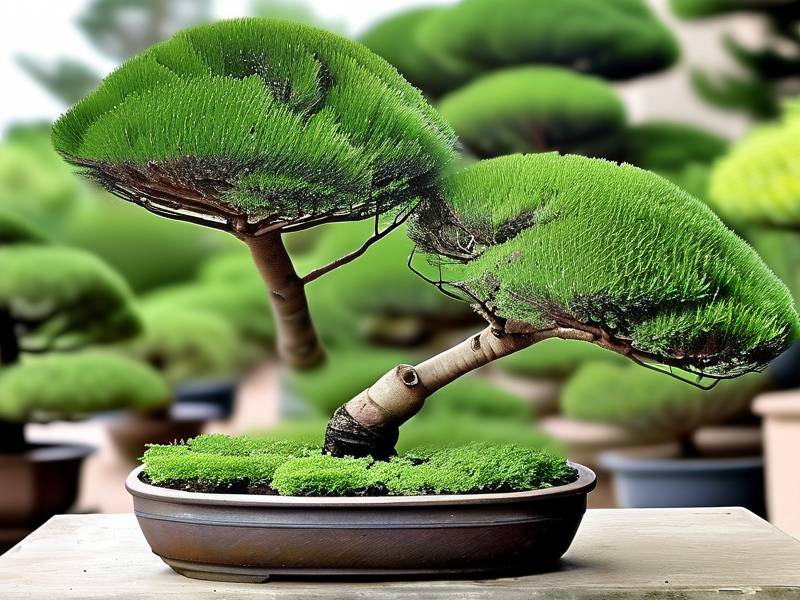
Here’s what you’re looking for:
- Healthy roots are firm, white or light brown
- Rotted roots are black, mushy, and often smell bad
I found that my second rescue plant had about 40% rotted roots. The center was completely black. The outer edges had some healthy white roots. That gave me hope. I used sterilized pruning shears to cut away all the black, smelly roots. I was quite aggressive with the cutting. Some experts say to remove all rotted material, even if you lose half the root system.
Step 3: Treat the Healthy Roots
After removing the rotten roots, I rinse the remaining root ball with lukewarm water. This washes away any remaining fungal spores. Then I dust the cut areas with cinnamon powder. Cinnamon is a natural antifungal agent. It works well in a pinch. I’ve also used a commercial fungicide containing copper. Both work.
One important note: don’t get the roots wet again after this treatment. You want them to stay as dry as possible during the healing process.
Step 4: Repot in Fresh, Well-Draining Mix
This is where many people mess up. The potting mix matters. Don’t just reuse garden soil. That often has fungal spores lurking.
Mix that drains well and is not too rich. I use a blend of:
- 50% coarse sand
- 30% potting compost
- 20% perlite
The sand provides sharp drainage. The perlite keeps the mix aerated. The compost gives a little nutrition without holding too much water. I also add a handful of horticultural grit at the bottom of the pot.
When repotting, I spread the roots out gently. I don’t press the soil down too hard. Firm but not compacted is the goal. Then I water lightly – just enough to settle the soil. No soaking.
Step 5: Place in Bright, Indirect Light
This is critical. The recovering plant needs light for photosynthesis, but too much direct sun will stress it further. I place my rescued cypress in a spot that gets morning sun for two or three hours, then bright shade for the rest of the day.
Don’t move it around during recovery. Plants get stressed by frequent changes of location. Pick one good spot and leave it there for two weeks.
Step 6: Follow a Strict Watering Schedule
For the first week after repotting, I don’t water. I know, it seems harsh. But the roots need time to callus over their wounds. Too much water will re-introduce rot.
On day three after repotting, I test the soil with my finger. If the top 2 inches are completely dry, I give it a scant 50ml of water. Just enough to wet the top layer. That’s it.
By day seven, if the plant looks stable (foliage not drooping further), I start watering more normally. But by “normally” I mean once every 10 days. This is not a thirsty plant. I learned that the hard way.
What Happens During the 2‑Week Observation Period
I’m going to walk you through my exact diary. This will show you what to expect. Don’t panic if you don’t see miracles immediately. Root recovery takes time.
Day 1‑3: Nothing seems to happen. The foliage stays brown. The soil stays dry. I check the plant twice daily. I almost give in and water. I don’t.
Day 4‑5: I notice the remaining green foliage looks slightly perkier. Not a huge change, but the needles are pointing upward instead of drooping. This is a good sign. The living roots are reducing their water loss.
Day 6: I see a tiny bit of new growth at the tips of some branches. It’s very pale green. I nearly cried. This means the roots are recovering.
Day 7: The soil is dry all the way down. I give it a small drink. The water drains through quickly from the sand and perlite. That tells me the mix is doing its job.
Day 8‑10: The new growth is more visible. It’s still delicate, but it’s there. The brown patches have stopped spreading. That’s a huge relief. Old foliage that was brown won’t turn green again. Accept that. But the new growth signals success.
Day 11‑12: Some of the older inner branches start dropping. This is normal. The plant is shedding foliage it can’t support while rebuilding its root system. Don’t be alarmed.
Day 14: I see clearly visible green tips on about 50% of the branches. The plant looks structurally healthy. Not lush, but alive. Respiration is happening. I already committed to another month of careful monitoring.
Lessons from My Repeated Failures
I’ve killed at least four Lawson cypress trees in my lifetime. That’s embarrassing to admit. But each failure taught me something valuable.
First death: I kept it in a plastic pot with no proper drainage. Water sat at the root base for weeks. I didn’t even know pots could cause root rot. Now I check drainage holes before buying any pot.
Second death: I watered on a fixed schedule – every Tuesday and Saturday, rain or shine. That’s a disaster. The plant didn’t need water on those days. The topsoil stayed wet. I should have checked the soil moisture instead of following a rigid timetable. I now water only when the top two inches of soil are dry.
Third death: I treated visible browning as a nutrient deficiency. I added extra fertilizer thinking it was hungry. That shocked the roots even more. Fertilizer on rotted roots is like pouring salt on a wound. Don’t feed a sick plant. Let it recover first.
Fourth death: I got impatient. I saw brown foliage and cut all the branches back hard, thinking I’d force new growth. That removed most of the plant’s ability to photosynthesize. Without energy, the roots couldn’t heal.
If you make any of these mistakes, don’t feel too bad. The plant is remarkably forgiving up to a point. The American Horticultural Society AHS emphasizes that most conifer failures come down to inappropriate planting or watering conditions. Fix those, and you’re halfway home.
How I Adjusted the Environment for Long‑Term Health
Rescue is only the first step. I had to change how I care for these plants permanently. Here’s my current routine.
Watering: Less Is More
I now water my Lawson cypress only when the soil is dry at 2–3 inches deep. In winter, that’s roughly once every three weeks. In summer, maybe once every 10 days. This feels counterintuitive because the plant sits in a bright spot. But it’s a conifer. It’s built to withstand dry spells better than wet feet.
Humidity and Air Flow
These trees don’t need sappy humidity like ferns. But stagnant air encourages fungal growth. I keep a small fan running at the lowest setting in the room where the plant lives. Also lovely airflow dries the foliage quickly after watering.
Fertilizer: Minimal
I feed my rescued plant only twice a year – once in spring and once in autumn. I use a diluted liquid feed at half strength. Too much nitrogen encourages soft, weak growth that rot loves. Better to be stingy.
Seasonal Shifting
In summer, my cypress sits in a semi‑shaded spot outdoors. The increased air movement and brighter light help it harden off. In winter, it comes inside to a cool room near a bright window. Indoor central heating is bad for it. I always keep it as far from radiators as possible.
Signs That the Rescue Worked
You’ll know the plant is out of danger when you see:
- New candle‑like growth at the branch tips
- Foliage color returning to its natural blue‑green or gold‑tinged hue
- Bark near the soil line feeling firm, not mushy
- No foul smell from the pot
If after three weeks you see no green tips, gently scrape a small branch with your nail. Green underneath the bark means the plant is still alive. Brown underneath means that branch is dead. If all branches show brown, the rescue failed. Be honest with yourself and compost the plant.
My Go‑To Potting Mix Recipe (Avoid Future Rot)
One thing that saved my plants long‑term is switching from bagged ericaceous compost to a custom mix. Here’s the recipe I use for every chamaecyparis lawsoniana in a pot:
- 2 parts loam‑based compost
- 1 part coarse sand
- 1 part perlite
- A generous handful of pine bark chips
The pine bark adds drainage and slightly acid conditions that these conifers enjoy. It also breaks down slowly, feeding the soil without releasing too much nitrogen at once.
I never use garden soil. It often contains phytophthora, the exact fungus that causes root rot. Buying fresh commercial compost gives me peace of mind.
3 Common Questions From Fellow Gardeners
Q1: Can I save a chamaecyparis lawsoniana that is fully brown?
If every single branch is brown and brittle, and the roots are black mush, it’s too late. But if there’s even one branch that bends without snapping, and you find a few white roots, you have a chance. Act quickly. Remove all dead material and follow the rescue steps above. Honest answer: I’ve saved plants with only 20% healthy roots. But a fully dead root system is a lost cause.
Q2: How often should I water a Lawson cypress after rescue?
In the first month post‑rescue, I aim for every 7–10 days, depending on temperature. Always check the soil first. If the top 2 inches are still slightly damp, wait. These plants don’t recover faster with extra water. They recover faster with consistent dryness.
Q3: Should I spray the foliage while the roots recover?
No. Foliar spraying keeps moisture on the needles, which can invite fungal infections on the leaves. The roots need to handle the plant’s water supply alone. Spraying also cools the leaves, which might encourage the roots to take up more water, but they can’t yet. Leave the foliage dry.
Final Thoughts on Saving Your Lawson Cypress
If your chamaecyparis lawsoniana is failing from root‑rot decay, act immediately. Stop watering. Pull the plant out. Cut away the rotten roots. Repot in fresh, gritty mix. Give it bright light but no direct afternoon sun. Then sit on your hands and wait.
I’ve been through this process more times than I’d like to admit. The plants are hardier than they look. With a strict no‑watering discipline and a good draining mix, many can bounce back within two weeks. Even if you only get new growth on a few branches, that’s worth celebrating.
One last tip that might seem weird but works for me: I always talk to my plants while repotting. I tell them they’re going to be fine. Plants pick up on vibrations and respond to gentle care. Yes, that’s unscientific. But my rescued cypress has been thriving for two years now. So whatever I’m doing is working.
If you’ve got a Lawson cypress in trouble, don’t give up on it yet. Get rid of your watering can, roll up your sleeves, and fix those roots. You’ll be surprised at how forgiving these trees can be.