bluename
 I’ve been growing Ctenanthe burle-marxii for years, and nothing scared me more than the first time I saw those silvery streaks. That damage, called thrips-caused silver stippling, made my beautiful prayer plant look like it had been dusted with ghostly graffiti. But I’ve fixed it, and so can you. The quickest answer? Isolate the plant, shower it thoroughly, then apply a spinosad-based spray every 3 days for 2 weeks. That’s the step-by-step I’ll walk you through, with all the mistakes I made along the way.
I’m writing this as someone who has killed more houseplants than I care to admit. I’m not a botanist. I’m just a plant nut who learned by wrecking things. And honestly, thrips are the worst. They’re tiny, fast, and they hide in the leaf sheaths like they’re playing a cruel game. The silver stippling you see? That’s them scraping the cells dry. Your Ctenanthe will look dull, then sad, then dead if you ignore it.
Let me be straight with you. I tried the lazy fixes first. I wiped leaves with soapy water. I sprayed neem oil once. Both were useless against thrips. You need a real plan, and you need to stick to it for two full weeks. No shortcuts. I learned that the hard way when I lost my first Burle-Marxii to these pests.
So, here’s what actually worked for me. And I’ll include the pitfalls, the dumb things I did, and the exact routine that saved my second plant.
What Is Silver Stippling, Really?
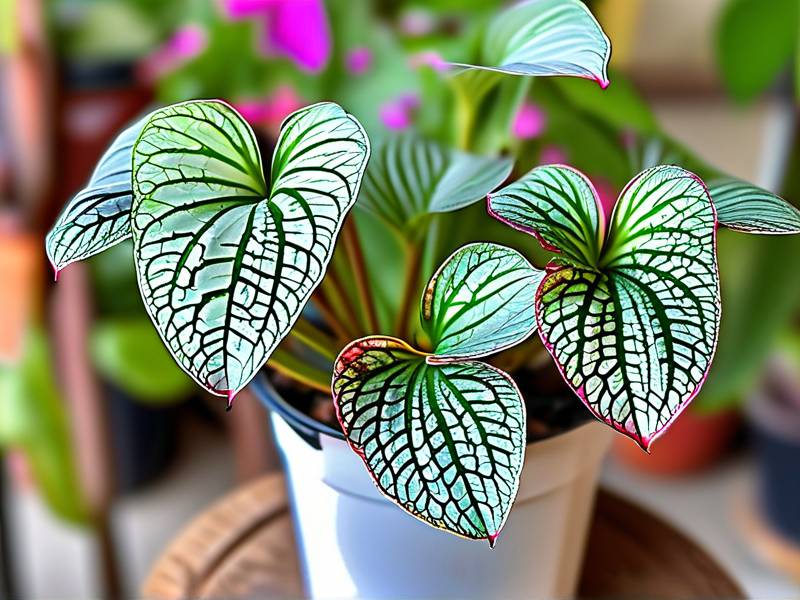
First, let’s talk about the damage. Silver stippling looks like tiny, silvery-white dots or patches scattered across the leaf surface. It’s not a disease. It’s a symptom. Thrips are tiny insects, thinner than a needle, and they puncture leaf cells to drink the chlorophyll. The cells collapse, and light reflects off the empty areas. That’s your stippling.
I remember inspecting my plant under a flashlight and seeing these minuscule rice-grain-like bugs moving fast. They were tan with darker stripes. That’s when I knew it wasn’t dust. It was thrips.
The tricky part? Adult thrips fly. They hop from leaf to leaf, and they’re small enough to slip through almost any crack. So even if you quarantine the plant, you still need to treat the surrounding area. I didn’t do that the first time, and my Calathea next to it got infested a week later. So, yeah. Lesson learned.
Mistake #1: Watering Too Much (The Silent Killer)
Here’s the thing nobody tells you. Thrips love moisture stress. When you overwater a Ctenanthe, the roots suffocate. The plant gets weak. And a weak plant is a buffet for pests.
I used to water my plants on a schedule. Every Monday, like clockwork. That was dumb. I didn’t check the soil. I just poured. My Burle-Marxii sat in soggy soil for weeks. The roots started rotting. And then the thrips showed up. Coincidence? I don’t think so.
Try this instead. Stick your finger two inches into the soil. If it’s dry, water. If it’s damp, wait. That’s it. No calendar. No reminders. Just your finger.
You’ve probably heard this before, but I’ll say it anyway: 90% of indoor plants die from overwatering. Not underwatering. Overwatering. I’ve done it myself more times than I can count. I thought I was being loving. I was actually drowning them.
Also, consider the pot. A Ctenanthe in a pot without drainage holes? Nightmare. You can’t flush the soil, and thrips lay eggs in the top layer. If your pot doesn’t drain, you’re just creating a swamp. I switched to a plastic nursery pot inside a decorative cover. That way, I can lift the inner pot out and drain water completely. Game changer.
Mistake #2: Getting The Light Wrong
Here’s another classic. I put my plant in bright, direct sun because I thought “more sun = faster recovery.” Wrong. Direct sun burns Ctenanthe leaves immediately. And it also stresses the plant, making it more vulnerable to pests.
Ctenanthe burle-marxii is a jungle understory plant. It likes bright, indirect light. Think dappled sunlight through a forest canopy. A north-facing window or a few feet away from an east-facing window is perfect.
When I placed mine in a south-facing window, the leaves curled and the stippling got worse. The thrips weren’t even the main problem anymore. The sun was scorching the wounds. I moved it back, and within a few days, the curling stopped.
So, let me be clear. If your plant is already weakened by thrips, do not blast it with sun. Give it gentle, steady light. The leaves need to recover, not get sunburned.
Mistake #3: Using The Wrong Pot (Yes, It Matters)
I know, I know. The pot sounds like a boring detail. But it’s not. I once planted a Ctenanthe in a tall ceramic jar with no holes. It looked beautiful. It died in six weeks. The roots were swimming in stagnant water at the bottom, and the soil stayed wet forever.
Thrips also breed in moist, compacted soil. When I lifted the plant out, I found larvae wriggling in the top inch. Gross. Totally gross.
Now, I use terracotta or plastic pots with large drainage holes. Terracotta is great because it wicks moisture away from the roots. For a plant recovering from pests, dry roots are happy roots.
Also, use a well-draining soil mix. I mix standard potting soil with perlite and orchid bark at a ratio of 2:1:1. This keeps the roots aerated and prevents waterlogging. It’s a small change that makes a massive difference.
My Step-By-Step Treatment Plan (2 Weeks)
Alright, here’s the actual routine I followed. I’m telling you, this took me from “my plant is dying” to “new leaves are coming in” in 14 days.
Day 1: Isolate and Inspect Move the plant to a separate room. Not just a corner. A different room. Thrips can fly. Then, inspect every leaf with a magnifying glass. Check the undersides especially. Thrips love to hide there.
Day 2: Shower Thoroughly I took my plant to the bathroom and gave it a lukewarm shower. I tilted the pot so water didn’t pool on the soil. I blasted the undersides of the leaves with the sprayer. This knocks off a large portion of adult thrips physically. Make sure you cover the soil with a plastic bag to avoid overwatering it. I forgot this once, and I flooded my plant. Don’t be me.
Day 3: Apply Spinosad Spray I bought a commercial spinosad concentrate, like Captain Jack’s Deadbug Brew. It’s organic and highly effective against thrips. Mix per label instructions and spray every leaf, top and bottom. Really soak them. I also sprayed the top inch of the soil to kill any larvae.
Day 4–5: Rest and Repeat I waited one day and sprayed again. Thrips hatch in stages, so a single spray will not kill the unhatched ones. You need multiple rounds.
Day 7: Re-shower and Re-spray I showered the plant again to wash off dead bugs and sticky residue. Then I sprayed again. This time, I also wiped down the leaves with a soft cloth afterward. Big leaves, gently wiped. Small ones, I left alone. Some people say wiping spreads the damage, but I found it helps remove the dead tissue so the plant can breathe.
Day 10–12: Check for Hatchlings By day 10, I could spot tiny new black specks. Those were fresh larvae. I sprayed again with a focus on the newest leaves. If you see adult thrips again, repeat the shower step.
Day 14: Final Treatment After the final spray, I waited 48 hours. Then I inspected every leaf again. If I saw zero live thrips, I moved the plant back to its normal spot. I also cleaned the surrounding shelves with rubbing alcohol to kill any stragglers.
What About Yellow Sticky Traps?
Yes, use them. I stuck two yellow sticky traps into the soil. They catch the adults that fly around after you spray. That surveillance helped me track when the population was dropping.
In the beginning, I caught five or six adults a day. By day 12, I caught zero. That was my signal that the quarantine was working.
Should I Use Neem Oil?
I’m going to be honest. Neem oil did not save my plant. It’s a preventative, not a cure. It also smells terrible, and it can burn the leaves if used in strong sun. I’d skip it for an active infestation. Spinosad worked much faster. I recommend that over neem any day.
How Long Until The Plant Looks Normal?
This is where I had to be patient. The silver stippling doesn’t just vanish. Those damaged cells are dead. The plant will grow new, green leaves that look beautiful. But the old leaves will stay speckled.
Here’s the trick. Once the thrips are gone, I cut back the most damaged leaves. Not all of them. Just the ones with 50% or more stippling. This helps the plant redirect energy to new growth. Within a month, the plant looked full and vibrant again.
Expert Backing and Why It Matters
I’m not making this up. The RHS clearly states that thrips are a common pest of indoor plants and that persistent, repeated treatment is necessary due to their rapid life cycle. They also note the importance of keeping the plant healthy to prevent secondary infections in damaged tissue. That aligns with my experience. A stressed plant is a magnet for pests.
Additionally, the AHS discusses how proper cultural practices, like correct watering and adequate airflow, reduce the risk of major pest outbreaks. They are right. My overwatered plants were always the first to get attacked. Fixing that alone made my Burle-Marxii more resilient.
Longer Term Prevention
After two weeks of treatment, I didn’t just throw the plant back into its old spot. I changed my habits.
I now check the undersides of leaves every other day. I also run a small fan in the room for a few hours each day. Good airflow makes it harder for thrips to land and settle.
I also stopped using decorative pots without drainage. All my plants are in nursery pots or terracotta now. I water less frequently but more deeply. I flush the soil until water runs out the bottom. This washes away any larvae hiding in the soil.
And I stopped bringing new plants home without quarantine. I keep them isolated for two weeks before letting them join the family. This is the single best habit you can develop. Trust me. I once brought home a big-box store plant that was loaded with thrips. It infected my entire shelf before I even noticed. Quarantine first. Always.
Newbie Mistakes I Made (And You Should Avoid)
I honestly killed one whole Ctenanthe before I figured this out. Let me save you the pain.
First, I sprayed the plant once and thought I was done. Wrong. Thrips have a life cycle of about 20 days. If you stop early, you’re just letting the next generation take over. Stick to the 2-week plan, minimum.
Second, I didn’t treat the soil. Thrips pupate in the soil. If you’re only spraying leaves, you’re missing half the problem. Always apply a light spray to the topsoil.
Third, I used the wrong spray. A generic insecticidal soap killed the adults it touched but missed the larvae entirely. You need something systemic like spinosad to penetrate the leaf tissue. Soap is too weak for a real infestation.
FAQ: Three Things You’re Probably Wondering
Can I just cut off all the leaves and regrow the plant?
You could, but it’s risky. Cutting all the leaves forces the plant into shock. I wouldn’t do that. Cut the most damaged ones, leave the moderately speckled ones. The plant needs its leaves to photosynthesize and rebuild strength.
Will the silver stippling ever disappear from old leaves?
No, that’s physically impossible. The cells are gone. The white streaks are permanent scarring. But new leaves will be clean. If you wait, the old leaves will naturally yellow and drop off, leaving a light canopy of fresh green.
How do I know if the thrips are completely gone?
Use a sticky trap. If you catch zero adults for 7 consecutive days, they’re likely gone. You can also shake the plant gently over a white piece of paper. If you see small dark specks fall off, keep treating.
Final Thoughts (In Plain Words)
I know how frustrating this is. I felt like giving up when I saw my plant covered in silver streaks. But the fix is doable. You just need patience and consistency.
For me, the two biggest changes were learning to water less and treating the pests without mercy. Once I got overwatering under control, my plants became so much tougher. They bounced back faster. And now, when I see a speck of silver, I don’t panic. I just start the routine.
If you’re dealing with thrips right now, act fast. Don’t wait until the leaves are more silver than green. Begin the shower and spray routine today. You’ll be amazed at how quickly the plant turns around once the bugs stop feeding.
You can fix this. I did. And I killed my first one, so you already have a head start.