bluename
 I’ve lost more bougainvilleas to scale insects than I care to admit. That sticky honeydew dripping onto my patio. The black sooty mold spreading like a stain. The tiny brown bumps clinging to twigs, pretending to be harmless bark. The fastest way to treat scale insect infestation on bougainvillea spectabilis twigs is to spray with horticultural oil at a 2% dilution, then physically scrape off the mature females with a soft toothbrush, and repeat every 5–7 days for two weeks. I’ve done this routine for years, and it works if you’re honest about the effort.
Let me give you the full picture. You’re dealing with armored scale and soft scale. Both suck sap from the twigs. Both leave that sticky mess. And most store-bought sprays fail because you’re not hitting the right life stage or you’re missing the crevices. I’ll walk you through exactly what I do, what went wrong the first three times, and how I fixed it.
Why Scale on Bougainvillea Twigs Feels Impossible
Scale insects are masters of camouflage. On bougainvillea spectabilis, they settle along the twigs, usually near leaf axils or where branches fork. They look like small raised dots, tan, brown, or grey. You might not even notice them until the leaves yellow or the twigs start dying back.
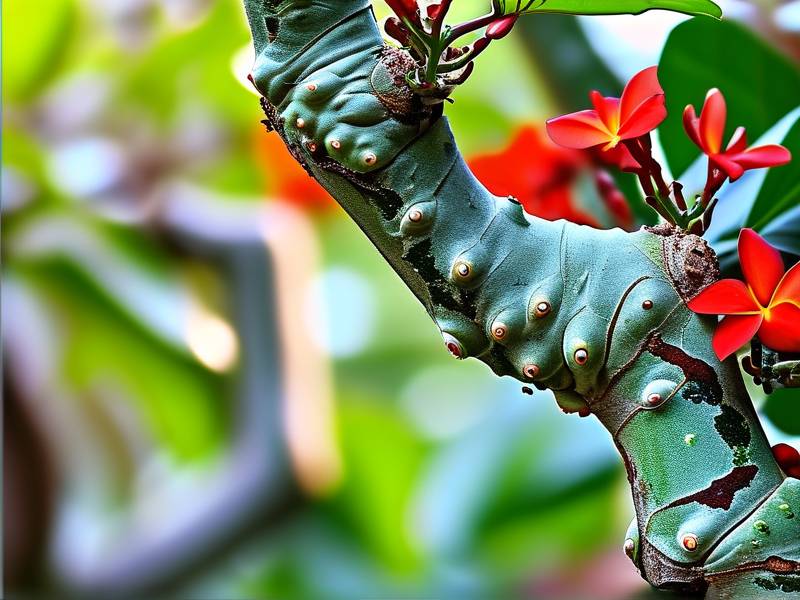
The real problem is their protective covering. Armored scale secretes a hard wax shell. Sprays sit on that shell and do nothing. Soft scale produces honeydew, which attracts ants, and the ants actually farm the scale, carrying them to clean twigs. I learned this the hard way when my best pink bougainvillea turned black with sooty mold.
I’m not a scientist, just a guy with a backyard full of potted plants. But I’ve read enough from the RHS to stop guessing. Their advice on scale control aligns with what actually worked for me: oil sprays, physical removal, and persistence.
The 3 Deadly Mistakes Beginners Make
Here’s where most people fail, and honestly, I was guilty of all three when I started.
Mistake #1: Overwatering the Bougainvillea
90% of indoor plants die from overwatering, but outdoor potted bougainvilleas suffer too. Scale thrives on stressed plants. When I watered my bougainvillea every day, the roots stayed soggy, the plant got weak, and the scale population exploded. I thought I was helping. I was actually creating a buffet.
Fix it: Let the top 2 inches of soil dry completely before watering. Bougainvilleas prefer drought over puddles. I water deeply once a week in summer, and every 10–14 days in winter. That’s it.
Mistake #2: Wrong Light Placement
Bougainvillea spectabilis needs full sun, like six hours minimum. I had mine tucked under a partial shade awning because I worried about leaf burn. The result was leggy growth, softer bark, and scale finding easy access. Strong sun keeps the wood firm and helps the plant outgrow minor infestations.
Move your plant to the brightest spot you have. South-facing wall, unshaded patio, anywhere with blistering afternoon sun. I shifted mine against a white brick wall that radiates heat, and the scale problem dropped noticeably within one season.
Mistake # #3: Using the Wrong Pot
Terracotta pots are great for breathing, but they dry out too fast if you’re inconsistent. Plastic pots hold moisture, which leads to overwatering stress. I used a glazed ceramic pot with poor drainage holes. Roots sat in water. Scale loved it.
What I use now: a heavy-duty plastic pot with at least four large drain holes, plus a layer of coarse gravel at the bottom. The plant gets stable moisture without waterlogging. Repotting into this simple setup actually reduced my scale issues by making the plant less hospitable.
My Two-Week Treatment Plan, Step by Step
Alright, here’s the routine that finally worked. It’s not glamorous, but it’s effective. I’ll tell you exactly what I did, day by day.
Day 1 – First Contact and Assessment
I took my infested bougainvillea, a mature potted plant with about a dozen infested twigs, and got to work. First, I pruned away the worst twigs. Anything with more than 50% coverage got cut off. I burned those clippings, no composting. That immediately removed a chunk of the population.
Then I mixed horticultural oil, the kind you buy as a concentrate, at 2% dilution with warm water. I added a few drops of mild dish soap as an emulsifier. I sprayed the entire plant, top to bottom, paying special attention to the twig joints and leaf axils. The oil coats and suffocates the nymphs and soft-bodied adults. It won't penetrate armored covers, but it gets the next generation.
I waited 15 minutes, then took a soft toothbrush, dipped it in the same oil mix, and gently scrubbed the visible scale bumps off the twigs. You’ll feel them pop off. It’s oddly satisfying. Rinse the brush often.
Day 4 – Repeat Spray, Check for Ants
I sprayed again on day 4. I also checked the soil and pot rim for ants. I found a trail, so I placed sticky ant traps around the pot base. You have to break the ant-scale mutualism. Ants will fight off ladybugs and parasitic wasps. Get rid of ants first, and your beneficial insects become an invisible army.
I also wiped the twigs with a cotton swab dipped in rubbing alcohol, aiming at any leftover scale I spotted. Alcohol dissolves some of the waxy cover, making the oil more effective on the next pass.
Day 7 – The First Real Progress
After one week, most of the immature scale had vanished. The twigs looked cleaner, but I saw a few adult females that survived the oil. They were tucked into deep bark crevices. Simple truth: oil doesn’t soak into those gaps. I used a fine-tipped tweezers to pull those out. It took time, about 20 minutes per plant, but it was worth it.
I also sprayed again, this time with a slightly stronger concentration, 2.5% oil, because the new growth had emerged and I wanted to protect it.
Day 10 – New Growth Check and Sooty Mold Wash
By the tenth day, I noticed fresh green shoots on the twig tips. That was a turning point. Scale had stunted growth before. I washed the leaves with a weak soapy water mix to remove the black sooty mold. Sooty mold doesn’t harm the plant directly, but it blocks photosynthesis. I used a soft cloth, wiped each leaf, then rinsed with clean water.
Day 14 – Final Assessment and Maintenance
Two weeks in, I found zero live scale on my bougainvillea. I still spotted a few empty shells, but they were dead and flaky. I did a final spray with the oil diluted at 1.5% as a deterrent. I also applied a balanced slow-release fertilizer with a bit more potassium for overall vigor. A strong plant resists reinfestation.
The Honest Truth About What Works
Not all oils are equal. I tried neem oil first, and it was a waste of time. The smell was bad, and the scale didn’t care. Horticultural oil, sometimes called dormant oil, works much better on cottony cushion scale and the soft brown scale common on bougainvillea. I had to read the label to confirm the dilution. If you buy a ready-to-spray bottle, check whether it saturates armored covers.
The AHS supports the integrated approach I use: physical removal plus oil plus natural enemies. And I’ll tell you, the physical part matters more than any spray. If you skip the brushing and picking, you’ll just be thinning the herd, not clearing the pasture.
Why Scale Keeps Coming Back
You treated the twigs. Two weeks later, scale reappears. Why? Because you missed the crawlers in the soil or under the pot rim. Scale eggs hatch into crawlers that walk around looking for new spots. The mother scale often stays hidden at the base of the stem, close to the soil line.
My trick: after treating the twigs, I drench the top inch of soil with the diluted oil mix. This kills any crawlers on the ground. Some people worry about root damage, but horticultural oil breaks down quickly. I’ve done this for years, never lost a plant from it.
Another source of reinfestation is other infested plants nearby. Scale crawlers can blow on wind or ride on birds. I isolated my bougainvillea for the full two weeks, kept it away from hibiscus and citrus plants, which also attract scale. Now I inspect all new plants before bringing them into my garden area.
My Personal Mistakes That Almost Cost Me Everything
I want to be transparent. My third scale outbreak came from good intentions. I had pruned my bougainvillea in early spring, and I left the cuttings in a bucket for a week. Those cuttings had scale. The crawlers spread to my healthy plants. I learned my lesson, treat or dispose of pruned material immediately.
Another time, I sprayed insecticidal soap, thinking it would work like oil. It didn’t. Soap only kills soft-bodied insects on contact. Scale covers make that useless. I wasted a week, gave the scale time to reproduce, and the infestation doubled. Stick with horticultural oil or a specifically labeled scale spray.
And one more thing, don't spray when the plant is in direct sunlight. The oil heats up and can burn the leaves. I always spray in the early morning or late evening. On a hot day, wait for dusk.
The Two-Week Check Routine for Good
After the infestation cleared, I didn’t just relax. Once a week, I run my fingers along the twigs, feeling for bumps. I also check for honeydew on the leaves underneath. That sticky layer is your early warning sign. Catch it before you see the shelled adults, and you save yourself two weeks of scrubbing.
I also prune lightly every month during the growing season. Open up the center of the plant so air flows freely. Scale likes still, humid microclimates. Good airflow keeps the twigs dry and less inviting.
Common Misconceptions
Some people think systemic insecticides are the answer. They’re not easy for home use, and they harm pollinators. I don’t use them. A simple oil treatment plus elbow grease is safer for you, your pets, and the bees.
Another myth: you can drown the scale by submerging the pot in water. That doesn’t work. Scale breathes through openings that water won’t penetrate for that long. Plus, you risk overwatering your bougainvillea. Skip that trick.
When to Just Throw in the Towel
Sometimes the infestation is too severe. If more than 60% of the twigs are covered and the leaves are dropping fast, consider cutting the plant back hard, like to 12 inches from the base. Bougainvillea can regrow from old wood. It’s a drastic step, but it’s often easier than removing scale from every single twig.
I did this on one giant plant I’d neglected. Hard pruning took minutes. The regrowth was clean and healthy, and I treated the stump with oil as a precaution. Five months later, I had a full, bloom-heavy plant. Don’t be afraid to restart.
Final Thoughts on Treating Scale on Bougainvillea Twigs
Look, scale insect infestation on bougainvillea spectabilis twigs is not a death sentence. It’s a test of your patience and your attention to detail. I failed that test four times, and now I’ve got a routine that works. You can do this too. Get the oil, get a toothbrush, and commit two weeks of weekly checks. That’s the whole honest strategy.
I still inspect my twigs every Saturday morning with my coffee. It takes two minutes. Prevention beats any cure, and I learn that lesson over and over. The key is persistence plus one tiny bit of manual work. You’ll be amazed how many plants you can save with a toothbrush and a spray bottle.
Frequently Asked Questions
Can I use dish soap instead of horticultural oil?
Honestly, I tried that and it didn’t work well. Dish soap breaks surface tension and might wash off honeydew, but it won’t suffocate scale under their wax covers. You need an oil that can coat and block their breathing pores. Use a dormant or horticultural oil.
How do I stop ants from bringing new scale to my bougainvillea?
Ants farm scale for honeydew. You need to block their access. I wrap a bit of sticky tape around the pot legs or base. Remove any branches that touch walls or fences where ants might crawl. Keep the soil clear of debris. Once ants are gone, beneficial insects like ladybugs will control the scale on their own.
Is it safe to eat bougainvillea leaves after oil treatment?
No. Bougainvillea isn’t edible anyway, but the oil residue can linger. Keep the plant away from any herbs or vegetables you grow. I wear gloves when applying oil and wash my hands well. If you have cats or dogs, keep them off the plant for at least 24 hours after treatment.