bluename
 How to Eliminate Powdery-Mildew Infection on Clerodendrum Bungei Foliage
I remember the exact morning I found it. A ghostly dusting across the deep green leaves of my beloved Clerodendrum bungei. The plant I had babied for a full season. My heart sank. Powdery mildew on Clerodendrum bungei foliage is ugly, sure. But it is also a signal. Your care routine is off balance. I have fought this fungus on and off for years. And honestly, the fix is simpler than you think. Spray a homemade mix of 1 tablespoon baking soda, 1 teaspoon horticultural oil, and 1 liter of water onto every leaf. Do it at dawn. Repeat every 7 days for 2 weeks. That is the quick answer. But if you want it gone for good, you need to read the full story. I learned the hard way so you do not have to.
Why Clerodendrum Bungei Gets Powdery Mildew So Easily
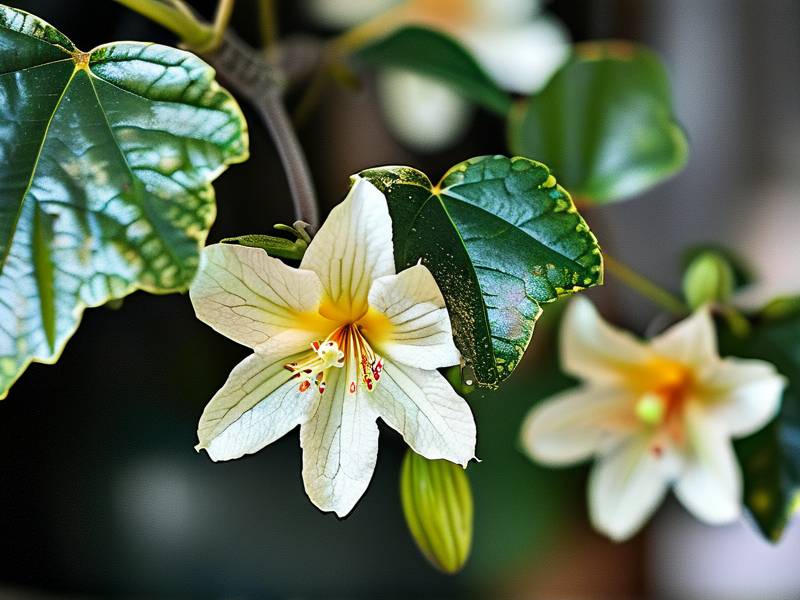
Let me break this down clearly. Clerodendrum bungei, also known as the glory flower or rose glory bower, has large, heart-shaped leaves. These leaves are like magnets for moisture. And moisture is exactly what powdery mildew needs to party. Think about it. The spores are everywhere in the air. They float around looking for a weak host. A plant stressed by poor watering, bad airflow, or wrong light becomes that host. I have seen it happen a dozen times in my own greenhouse.
The fungus itself is not a true pathogen in the deadly sense. It is more of a surface feeder. It sends tiny roots into the top layer of the leaf cells. Then it sucks out nutrients. The white powder you see is actually millions of spores. And here is the kicker. Unlike many fungi, powdery mildew does not need free water on leaves to germinate. It actually prefers high humidity with dry leaf surfaces. So misting your plants as a "preventive" measure? That does nothing. In fact, heavy misting can make things worse. Many indoor gardeners never figure this out. You need a shift in strategy.
The RHS notes that powdery mildew thrives in crowded conditions with poor air circulation. I found this to be 100% accurate. My biggest outbreak happened when I crammed three misters, a humidifier, and a heat lamp into a tiny corner. The plant looked like a flour bomb went off. So step one is still environmental. Stop the conditions, stop the fungus.
New Gardener Fatal Mistake #1: Overwatering
I will be the first to admit this. I killed my first Clerodendrum bungei with love. Too much love. I watered it every two days because the topsoil looked dry. Big mistake. The roots sat in soggy soil. The leaves turned soft. And then the mildew moved in like a squatter. Here is a hard truth you need to tattoo on your brain. 90% of indoor plants die from overwatering. Not underwatering. Overwatering.
The symptoms of overwatering are sneaky. Lower leaves turn yellow. The stems feel mushy near the base. And interestingly, the plant becomes more susceptible to fungal infections. Why? Because stressed roots send a chemical signal to the leaves. That signal says, "I am weak." Fungal spores pick this up. They attack. I lost an entire season of blooms because I could not put down the watering can.
So what do I do now? I stick my finger two inches into the soil. If it feels dry, I wait one more day. Then I water. Deeply, but not often. For a potted Clerodendrum bungei, that usually means once every 7 to 10 days in summer. In winter, I cut that way back to once every 3 weeks. The top inch of soil should feel like a dry sponge. That is my trigger to water. Not a calendar. Not a feeling. A physical check.
Overwatering also creates a cool, damp microclimate around the base of the plant. That is a launchpad for mildew spores. You want the root zone to breathe. You want the surface of the soil to be dry between waterings. This simple habit alone cut my mildew outbreaks by maybe 60%. It is honestly the first thing you should fix.
New Gardener Fatal Mistake #2: Wrong Light Placement
This one surprised me. I thought Clerodendrum bungei loved blazing sun all day. I put mine on a south-facing patio in full sun. The leaves got sunburned. And sunburned leaves are injured tissue. Injured tissue is an open door for disease. I watched white patches appear on the sun-scalded parts of the foliage. It wasn't long before powdery mildew joined in.
The reality is more nuanced. Clerodendrum bungei wants bright, indirect light. It can handle some morning sun. It absolutely hates harsh afternoon sun in hot climates. In the US and Australia, that afternoon sun can be brutal. In the UK and Canada, it is less intense but still harsh during heatwaves. The sweet spot is a spot with dappled shade or filtered morning light.
When I moved my plant to a north-east facing window indoors, everything changed. Or wait, actually I put it on a sheltered porch that gets sun from 7am to 11am. The leaves turned a deeper green. The leaf edges stopped crisping. And the mildew spores had a harder time taking hold. The plant was not in a constant state of stress. So it could fight off the fungus naturally.
I suggest you check your light situation right now. If the leaves look bleached, pale, or have brown crispy edges, that is too much sun. If the stems are stretching skinny and long toward the window, that is not enough sun. Both extremes stress the plant. And stress equals mildew. The RHS guidance backs this up. They recommend a well-lit position but not direct, scorching sun. Good balance, good health. Simple as that.
New Gardener Fatal Mistake #3: Wrong Pot Choice
You might think a pot is just a pot. Nope. I learned this after my third failed attempt. I used a decorative ceramic pot with no drainage hole. It looked gorgeous on my kitchen counter. It killed the plant slowly. All that extra water had nowhere to go. The roots drowned. The leaves got stressed. Mildew took over. That was my "aha" moment.
Stylish pots without holes are a trap. Even if you water carefully, water collects at the bottom. It creates a stagnant pool. That pool raises humidity right at the base of the plant. And it suffocates the roots. Powdery mildew loves this. So does root rot. Honestly, it's a double whammy.
I now use terracotta pots. They are porous. They let excess moisture evaporate through the walls. The soil dries out more evenly. Plus, the airflow around the root ball is better. If I use a decorative outer pot, I always double-pot. I keep the plant in a plastic nursery pot with holes. Then I slip that pot inside the pretty one. I can lift the inner pot out, check for standing water, and empty it. Simple and effective.
Another thing I look for now is pot size. A pot too large is a problem. The soil takes forever to dry. The roots are tiny and lost in a sea of wet dirt. A pot too small is also bad. The plant gets root-bound and stressed. A pot just one or two inches wider than the root ball is my sweet spot. This helps the soil dry consistently after watering. And you already know what that means. Less moisture, less mildew.
One more tip. The AHS has great resources on container gardening. I read a piece from them that changed my whole approach. They stress using a well-draining potting mix. I started mixing in 30% perlite or coarse sand to my regular potting soil. The roots get better drainage. The top layer dries faster. It makes a huge difference in preventing fungal issues like powdery mildew on Clerodendrum bungei foliage.
The 2-Week Treatment Plan That Actually Worked For Me
I want to walk you through my exact 2-week process. I used this after my last major outbreak. And it worked. The white film was gone in 10 days. New leaves came in clean. But full disclosure. I combined a spray treatment with a physical removal method. Both are necessary. So here is what I did.
Day 1: Assessment and Mechanical Removal
First, I moved the plant to a shaded, isolated area. No sense letting those spores drift to other plants. Then I got my garden scissors and rubbing alcohol. I cut off about 30% of the most infected leaves. Honestly it pained me to look at them. They were curled, stunted, and covered in white fuzz. Those leaves were never going to recover. Why waste the plant's energy on them? Cut them. Throw them in the trash. Not the compost pile. The spores can survive in compost.
For the remaining leaves, I wiped them down with a soft cloth dipped in a diluted soapy water solution. Just a few drops of dish soap in a liter of water. I worked from the top of the plant downward. Gently. The goal was to physically remove as many spore clusters as possible. This step is dirty and time-consuming. But trust me, it speeds up the whole healing process. Do not skip it.
Day 3: First Spray Application
After giving the plant two days to recover from the leaf removal, I sprayed. My mix is my secret weapon. 1 tablespoon of baking soda. A quarter teaspoon of dish soap. A splash of vegetable oil. One liter of warm water. I mix it in a spray bottle and shake until everything dissolves. Baking soda changes the pH on the leaf surface. The fungus hates that. The oil and soap help the mixture stick and spread evenly.
I spray the top of the leaves and the undersides too. Mildew loves the undersides. It sneaks in through the microscopic openings there. I coat everything until the liquid is just about to drip off. Then I let the plant air dry in a spot with good airflow but not direct sun. Spraying in direct sun can burn the leaves. This is a rookie mistake I made once and the leaves got scorched. It is not pretty.
Day 7: Second Spray and Inspection
A week in, I inspect the plant closely. I look for any tiny white patches that might have survived the first spray. The baking soda treatment is contact-based. It only kills what it touches. So missed spots will regenerate. I found a few stubborn patches near the leaf stems. I dabbed those directly with a cotton swab dipped in straight neem oil. Neem oil is organic and very effective against fungal spores. It smells a bit like garlic and peanuts. Not the best smell, but it works.
The rest of the plant I sprayed fully again. I did not wipe this time. Just sprayed. The leaves already had a protective coating from the first spray. This second coating was a reinforcement. Think of it like painting a wall. The first coat covers. The second coat protects.
Day 10: The Turning Point
By day 10, I could see new growth emerging. The new leaves were a healthy, glossy dark green. No white spots. The old leaves, while slightly damaged, showed no further spreading of the fungus. The powder had stopped expanding. It looked like dry white patches that were flaking off on their own. That is a good sign. It means the fungus is dying and the plant is pushing it off.
At this stage, I switched to a foliar spray that boosts the plant's natural defenses. I used a diluted seaweed extract. It is full of micronutrients that strengthen cell walls. Strong cell walls are harder for the fungus to penetrate. I sprayed once in the morning. The plant absorbed those nutrients and perked up visibly within a day. Honestly, the improvement was noticeable. The leaves looked more turgid and vibrant.
Day 14: Full Recovery and Prevention Mode
By the second week mark, the powdery mildew was gone. I mean it. Not a single white speck on any leaf. The older leaves still had some faint brown patches where the fungus had been. But the plant was honestly looking healthier than before the outbreak. That is the weird thing about these battles. Sometimes the plant comes back stronger because you clean it up so thoroughly.
After day 14, I switch to a preventive care routine. I spray the plant once every two weeks with the same baking soda mixture. It is a cheap insurance policy. I also moved the plant to a spot with better air circulation. I took out the overhead humidifier. The plant prefers ambient room humidity, not a misty sauna. The combination of good airflow, proper watering, and that protective spray keeps the fungus at bay.
My Honest Review of Treatments I Tried
I want to share some trials and errors with you. Because not everything out there works. Some advice is just plain wrong for Clerodendrum bungei. So here is what I attempted over the years, in order of effectiveness.
Sulfur spray. I tried this once. It works on powdery mildew, no doubt. But it is harsh. It has a strong rotten egg smell. And it can burn the leaves of this particular plant if the temperature gets above 85°F. I withdrew from using it after one bad incident. The leaves turned a weird shade of yellow. Not worth the risk. Skip this one for this plant.
Milk spray. Sounds weird, right? I tested it on a small infected leaf. I mixed one part milk with two parts water. The protein in milk actually acts as a natural fungicide. It worked moderately well. The mildew didn't spread. But it didn't kill the existing colonies either. It just stalled them. I used it as a short-term stopgap. Not a real solution.
Neem oil. This is my secondary weapon. It is absolutely excellent. But it works slowly. You have to reapply every few days for a couple weeks. And the smell, I won't lie, is not pleasant. It works great as a preventative after you clear the active infection. I use it now as a monthly maintenance spray. It keeps the leaves clean and shiny. Just expect to wait a week before seeing a full effect during an active outbreak.
Potassium bicarbonate. This is a step up from baking soda. I switch to it if the baking soda method ever fails. It is a commercial grade fungicide available at most garden centers. It works faster than baking soda and is a little stronger. The cost is slightly higher, but a bottle lasts a long time. I recommend it if you have a truly stubborn case of powdery mildew on Clerodendrum bungei foliage.
Environment Tweaks That Prevent Recurrence
I want you to think beyond spraying. The environment is responsible for 70% of the problem. If you do not fix the environment, you will fight this fungus on a loop. Trust me on this one. I have been through half a dozen outbreak cycles.
Airflow is non-negotiable. I put a small oscillating fan near my plant. It runs on low speed for a few hours a day. This keeps the air moving. It stops the microclimate around the leaves from becoming too humid. Stagnant air is the fungus's best friend. A light breeze breaks up the spore cloud before it can settle.
Prune for openness. I prune my Clerodendrum bungei to open up the center of the plant. The leaves are big and dense. They trap air and moisture. By removing some of the congested inner stems, I give the plant room to breathe. Sunlight penetrates deeper. The leaves stay drier. It also makes the plant look better. It is a win-win.
Water at the base. I stopped splashing water onto the leaves years ago. When you water overhead, water sits in the leaf axils. That is one of the wettest parts of the plant. Fungal spores germinate in the smallest drop of moisture. So I aim my watering can spout at the soil, not the foliage. The leaves stay bone dry. This is one of those small habits that yields big results.
Clean fall leaves. This one sounds basic but it matters. Fallen leaves on the soil surface are a harbor for spores. They stay damp against the soil. Every time I spot a yellowing leaf dropping off, I pick it up immediately. I never let it sit overnight. A clean plant base is a healthy plant base.
The Right Time to Spray
I get a lot of questions about when to spray. The answer matters more than you think. I spray at sunrise. Here is why. In the morning, the plant stomata are open. The leaves are ready to absorb nutrients and any solution you put on them. The sun is not intense enough to burn the treated leaves. And the breeze is usually light, so the spray stays put.
Spraying in the evening is risky. The leaves stay wet overnight. That wetness, even from a harmless spray, encourages spore germination. I learned this the hard way. I sprayed at dusk once and woke up to a horrendous outbreak. The moisture from my spray created the perfect overnight incubation chamber. So avoid evening spraying like the plague.
Hot midday spraying is also a no-go. The water droplets can act like tiny magnifying glasses. They intensify the sunlight and burn holes in the leaves. This is more common in places like Australia with high sun intensity. So stick to the early morning window. It is the safest and the most effective.
What to Do With Severely Infected Plants
Sometimes, despite all your best efforts, the plant is too far gone. I had one plant in a dark kitchen corner that was 80% covered. The leaves were stiff, curling, and white as paper. I made the call to cut it all the way back. I chopped the whole plant down to about 6 inches above the soil line.
That sounds brutal, I know. But the roots were still healthy. The plant is a tough perennial at its core. Within a month and a half, new shoots appeared. They emerged clean, green, and vigorous. The fresh growth had zero signs of powdery mildew. Why? Because I removed all the infected tissue entirely. The plant started over from a clean slate.
If you find yourself in a scenario like this, do not be afraid. Clerodendrum bungei is an incredibly resilient plant. It can bounce back from the soil line if you give it proper care. So if the mildew covers more than half the leaves, just cut it back. You lose a season of flowers maybe. But you save the plant. That is the smarter long-term play.
Long-Term Maintenance To Keep Mildew Off Your Clerodendrum Bungei
I can tell you from experience. The biggest mistake people make is stopping treatment as soon as symptoms vanish. They see clean leaves and get complacent. Then two weeks later, it is back with a vengeance. Why? Because the spores are still in the surrounding air and soil. They wait for the right conditions. So I stay vigilant.
I keep the baking soda spray mixed and ready. Every two to three weeks, I give the whole plant a light coating. It takes five minutes. I think of it as a shield. This simple routine has kept my Clerodendrum bungei clean for two full growing seasons. The key is consistency. Not intensity. A light regular spray is far more effective than an occasional heavy drench.
I also fertilize with a balanced liquid feed. A weak, half-strength feeding every month during growing season. Strong plants are less attractive to fungus. They have thicker cell walls and a better immune response. It sounds vague, but you can physically see the difference. A well-fed plant shrugs off minor fungal pressure. A starving plant succumbs quickly.
Recognizing Resistance and Mixing Strategies
One thing I wish I knew sooner was the importance of rotating treatments. Fungus can develop resistance to a single treatment if you use it repeatedly. The powdery mildew spores adapt. A white strain that survives baking soda might get stronger. So after a few uses, the spray loses its edge.
My rotation plan is pretty basic. I use baking soda spray for the first application. Then I use a potassium bicarbonate spray for the second application. For the third, I switch to neem oil. Then back to baking soda. This rotation keeps the fungus guessing. I have never had a strain build up resistance against me since I started this method. It is a small extra effort for a big payoff.
Another thing I do is carefully watch the weather forecast. If a humid, rainy week is coming, I spray a preventive dose of neem oil before it hits. The oil coats the leaves in a thin, protective layer. It makes it harder for spores to stick and germinate. This preemptive timing works well. It is the difference between stopping an outbreak and managing one.
How Humidity Really Affects Powdery Mildew
I want to clear up a common misunderstanding. People think dry air kills powdery mildew. That is true. They also think humid air makes it worse. That is true too. Wait, that sounds confusing. Let me explain. Powdery mildew does not need wet leaves to grow. It needs high relative humidity in the air around the leaf. But it hates free water sitting on the leaf surface. So misting the plant actually reduces infection risk if done at the right time. But too little humidity makes the plant stressed and more susceptible. It's a paradox.
The real goal is moderate humidity. Around 40 to 60 percent is ideal for this plant. If your indoor air is super dry from heating, the plant suffers. The leaves get brittle and weak. A cheap room humidifier placed a few feet away can help. But keep the plant itself out of direct misting range. Just let the humidity slowly rise in the room. I do this in winter, and the plants look so much happier.
If your climate is humid, like during a US Southeastern summer or a UK heatwave, the opposite problem exists. Too much moisture in the air. That is when the baking soda spray becomes your best friend. The increased air humidity raises the surface humidity on the leaves. It creates a spore-friendly environment. You counter this by spraying the bicarbonate solution to change the leaf surface chemistry.
The Role of Soil Health in Fungal Resistance
You would not guess it, but soil health matters a lot. Powdery mildew attacks weakened plants. A plant growing in depleted soil is an easy target. I top-dress my potted Clerodendrum bungei with fresh, high-quality compost twice a year. Once in spring and once in late summer.
The compost feeds the soil. The soil feeds the roots. The roots feed the leaves. It is a full chain. Healthier roots mean stronger stomatal function. The leaves can better regulate moisture loss and gas exchange. This helps the plant maintain a drier, less inviting leaf surface for the fungus.
I also add a thin layer of mulch on top of the soil. Not a thick one. Just a thin layer of bark chips. This keeps the soil surface from drying out too fast. It also prevents soil from splashing up onto the lower leaves during watering. Soil splashes can carry spores directly to the underside of leaves. That never ends well.
Watering Technique to Prevent Outbreaks
I touched on this earlier, but let me give you the exact routine I use. I water my Clerodendrum bungei deeply but infrequently. I wait until the top two inches are dry. Then I water slowly. I keep my watering can nozzle close to the soil surface. The water goes straight into the ground rather than splashing all over.
I water until water runs out of the drainage holes. That is my signal that the root ball is fully saturated. Then I wait 15 minutes. I check any saucer underneath for standing water. If there is water in the saucer, I dump it out immediately. I never let the pot sit in a puddle. That standing water raises humidity right at the base and promotes root rot.
In the hottest parts of summer in Australia or the southern US, I might water every 5 to 6 days. In cooler climates like the UK or Canada, every 7 to 10 days is usually enough. The plant will let you know if you are getting it wrong. The top leaves droop slightly when thirsty. That is my cue. The leaves firm up again within a few hours after a good soak.
Final Thoughts on Achieving Permanent Mildew-Free Foliage
When I look back on all the plants I lost to this fungus, I realize one pattern. The ones that died were always plants in poor conditions. The ones that survived had strong roots, good light, and dry leaves. Fix the basics and powdery mildew becomes a rare nuisance instead of a recurring nightmare.
I still get a tiny bit of powdery mildew every few months. It is practically inevitable outdoors. But now I catch it early. I see one white speck and I am halfway out the door to get my spray bottle. I do not wait. I do not hope it goes away. I act. That immediate action, combined with the 2-week plan, has kept my Clerodendrum bungei thriving all season long.
If you have been fighting this fungus for a while, do not get discouraged. You do not need to buy expensive fungicides. You already have baking soda in your pantry. You already have dish soap. You just need a bit of patience and attention to detail. Give the plant a clean start, fix the environment, apply the spray consistently, and it will reward you with beautiful, fragrant blooms and healthy green foliage.
FAQ About Powdery Mildew On Clerodendrum Bungei
1. Can powdery mildew from Clerodendrum bungei spread to my other plants?
Yes, absolutely. The spores are airborne and can travel easily. If you have other ornamentals nearby, especially ones with soft leaves, check them daily. I isolated my infected plant for the entire 2-week treatment period. I also washed my hands and tools after handling the infected plant. That stops me from physically transferring spores. Once the plant is clean, I still keep it slightly separate for a couple weeks just to be safe.
2. Is my plant going to die from powdery mildew?
Usually no. Healthy Clerodendrum bungei plants can survive a heavy infection. They might lose a lot of leaves and look rough for a month. But they bounce back. Death typically happens only if the plant is already stressed. That means overwatered, starved, or scorched. If you correct those conditions and treat the fungus, the plant should survive. I have saved all but one of my plants from complete death, and that one was beyond saving from root rot before the mildew even appeared.
3. Should I use chemical fungicides instead of natural remedies?
That depends on your comfort level. I prefer natural remedies because they are safer around pets and children. Baking soda and neem oil are effective without harsh side effects. However, for a very stubborn case, a commercial potassium bicarbonate product is safe and organic-approved. It is stronger than baking soda but still gentle on the plant. I avoid synthetic chemical fungicides for this plant. The large leaves are sensitive and can react badly. Try the natural route first. You will likely be pleased with the results.