bluename
 Bacterial crown rot is the fastest way to kill a Graptopetalum amethystinum, and the cure starts with a sharp knife and a dry, dark shelf. You need to cut away every speck of blackened tissue, dust the wound with sulfur powder, and then ignore the plant for two weeks. I have killed three of these succulents before I finally understood that this rot is not a disease you treat; it is a mistake you must physically amputate.
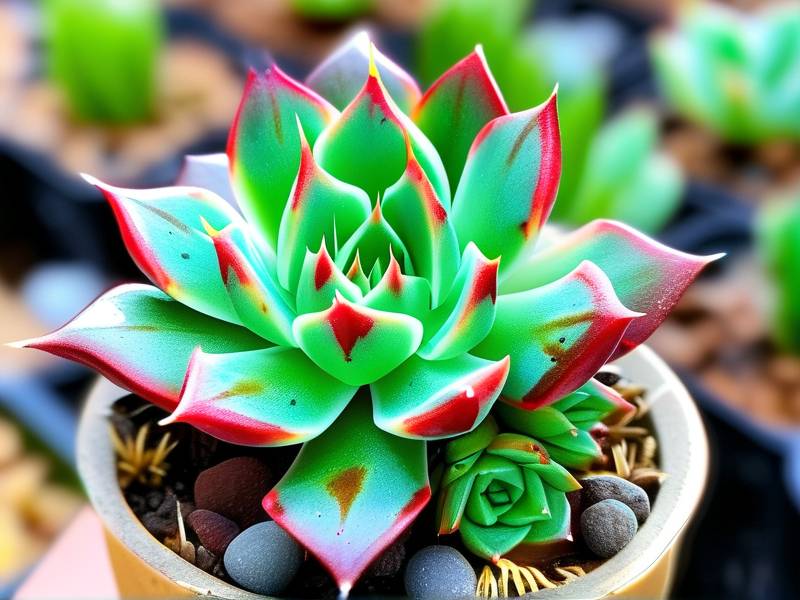
I am a home gardener who has spent years collecting rare succulents in my small apartment. My amethystinum, with its chubby pink-lavender leaves, was the crown jewel of my windowsill. Now it is thriving again after a brutal infection. Let me share exactly what I did to save it, the massive errors I made in the past, and the only routine that actually works.
The Brutal Truth: Stop Watering, Start Cutting
Here is the answer you came for. If you see black or mushy spots at the base of the leaves or where the stem meets the soil, bacterial crown rot has already started. Do not spray it. Do not water it. Take the plant out of the pot immediately. Wash your hands, sterilize a razor blade with rubbing alcohol, and cut the entire rosette off above the rot. Throw away the infected roots and stem base. Dust the cut surface with sulfur or ground cinnamon, then place the rosette on a dry paper towel in a bright but indirect light spot. Do not plant it for at least 14 days. I left mine on the counter for a full two weeks, and that is the only reason it survived.
Many people will tell you to use hydrogen peroxide or fungicide. I tried that once. It did nothing. The bacteria live inside the vascular tissue, and surface sprays cannot reach them. The only cure is surgical removal, followed by a long, dry callusing period.
Why 90% of Indoor Plants Die from Overwatering
I have to be blunt. 90% of indoor plants die from overwatering. I read that statistic years ago from a university extension service, and I did not believe it until I became the statistic. When I bought my first Graptopetalum amethystinum, I watered it like a fern. I gave it a little drink every three days because the soil looked dry on top. Within three weeks, the bottom leaves turned yellow and translucent. Then the stem collapsed in on itself. That was crown rot.
The problem is that succulents store water in their leaves and stems. They are built for drought. When the roots sit in moist, dense soil, they suffocate. Opportunistic bacteria like Erwinia and Pectobacterium move in and start digesting the plant from the inside out. The rot moves fast. Once the crown is mushy, the plant is basically gone unless you act like a surgeon.
The 3 Fatal Mistakes I Made With My First Succulents
I want to save you the heartbreak. I have killed more plants than I want to admit. But if you avoid these three errors, your amethystinum will have a fighting chance.
Fatal Mistake #1: Watering on a Schedule
I used to water my succulents every Monday. It felt responsible. It was actually a death sentence. The soil in the middle of the pot was still damp from the previous watering, and the roots never got a chance to breathe. When I finally took the dead plant out, the root ball was brown, mushy, and smelled like a swamp.
Here is the fix. You water only when the leaves feel slightly soft and wrinkled. That is it. For my amethystinum, that means watering once every three to four weeks in winter, and maybe once every ten days in the peak of summer. And when I do water, I soak the pot thoroughly until water runs out the drainage hole. Then I wait for it to completely dry out. Completely.
Fatal Mistake #2: Putting It in the Darkest Corner
I used to think all indoor plants were the same. I put my amethystinum on a bookshelf in my hallway. That spot was cool, but it only got indirect morning light. The plant stretched out, the leaves lost their dusty pink blush, and the stems became weak. A weak plant is a sick plant. When bacteria entered through a tiny root nick, the plant had no energy to fight it.
You need direct sunlight. I am not joking. Graptopetalum amethystinum wants at least six hours of direct sun. A south-facing window is ideal in the US, Canada, UK, and Australia. If you do not have that, you need a grow light placed about four to six inches above the plant, running for twelve hours a day. Once I moved my plant into the sunniest room in my apartment, the leaves turned purple-pink and the stem thickened. That is a plant ready to fight off infection.
Fatal Mistake #3: Using Any Old Potting Soil
I remember the first time I used garden soil from my backyard for a succulent. That was a disaster. It compacted around the roots, held water like a sponge, and introduced bacteria directly to the plant. It took me two dead plants to learn the right mix.
Your soil needs to be gritty. I now use a mix of one part regular potting soil, one part perlite, and one part coarse sand. Actually, I prefer pumice or crushed granite over sand because it does not compact. The goal is that the pot dries out within three days of watering. If your soil stays heavy for a week, you are feeding the bacteria. Also, the pot must have a drainage hole. I tried a decorative glass jar with no drain. I do not want to talk about what happened.
My Step-by-Step Treatment That Actually Worked
Here is the exact process I used on my infected amethystinum last month. I am sharing every detail because I would have loved a guide like this when I was panicking and googling at midnight.
Step 1: The Emergency Surgery
When I discovered the rot, the entire center rosette was still green, but the outer leaves had a dark, greasy look. The stem was squishy near the base. I grabbed a sharp knife and sterilized it with 91% isopropyl alcohol. I did not hesitate. I cut straight through the stem about 1.5 inches above the rotted area. The cut surface was green, with no dark rings. If you see brown rings in the middle of the cut stem, you need to cut higher. I had to cut my plant twice the first time because I missed a speck of rot.
Step 2: The Two-Week Drying Period
I laid the cutting on a ceramic plate. I put it on top of my refrigerator. That spot is warm and dry. I did not mist it. I did not touch it. I checked it every few days. The cut surface slowly formed a pale, woody callus. This is critical. If you plant before this callus forms, water will enter the wound and the rot will return. On day ten, I noticed tiny pink roots starting to emerge from the stem edge. That was my signal.
Step 3: The New Home
After two full weeks, I prepared a tiny terracotta pot, only two inches in diameter. I filled it with my gritty mix. I made sure the pot was dry. I placed the callused cutting on top of the soil, but I did not bury it deep. I just let the roots touch the soil surface. Then I placed the pot back on the sunny windowsill. I did not water it for another seven days.
Step 4: The First Drink
One week after planting, I gave it a light watering. I used a small syringe to water the soil around the edges of the pot. I made sure no water pooled at the base of the rosette. The plant absorbed what it needed, and the soil dried out within two days.
Step 5: The Observation Period
I kept checking the plant daily for the next week. I looked for any sign of drooping or black spots. There were none. The new roots grabbed hold of the soil. On day fourteen after planting, I gently tugged the rosette. It held firm. That was the moment I knew I had won.
What I Learned From My Failed Attempts
I want to tell you about my second plant, the one I lost before I understood this method. I tried to save it by only cutting off the dead leaves. I thought the rot was just an outer issue. A week later, the entire stem was black mush. I learned that the rot always runs deeper than it looks. You have to be aggressive.
I also tried the "dry out and pray" method. I left the infected plant in its original pot without water for a month. The rot kept spreading because the bacteria were already in the stem. You cannot starve bacteria that are already inside the plant. You have to remove the infected part completely.
My Secrets for Keeping Graptopetalum Amethystinum Alive
Now that my plant is stable, here is my routine. It is boring. That is exactly what you want.
First, sunlight. My amethystinum lives in a south-facing window. I never move it. It gets direct sun from 10 AM to 4 PM. If the leaves start turning a beautiful mauve color, that means they are getting perfect light.
Second, water discipline. I water based on leaf turgidity. I pinch a leaf gently. If it is firm and hard, no water. If it has a slight give, I water. I literally go by this test every single time. In the winter, this means I rarely water more than once a month.
Third, air flow. Stagnant air is a breeding ground for bacteria. I keep a small desk fan on low near my plants for four hours a day. It keeps the soil surface dry and the leaves free of moisture.
Fourth, quarantine. Whenever I buy a new succulent from a nursery, I keep it separate from my other plants for three weeks. I have seen crown rot ride in on a new, seemingly perfect plant from a big-box store. I lost an entire shelf of Echeverias once because I got careless with a new arrival.
Why Your Soil Mix Is the Real Hero
I cannot stress this enough. The soil is the immune system of your succulent. The RHS has a lot of advice on free-draining compost, and honestly, their guidance saved my plants. According to the RHS, succulents need a free-draining substrate to prevent root rot. The AHS also emphasizes that well-draining soil is the foundation of healthy succulent growth. I took that to heart.
My current grittier-than-thou recipe is three parts perlite, three parts coarse sand, one part compost, and one part fine gravel. It looks like a construction site. It also means I can water heavily one day and have the soil dry completely in 48 hours. The roots never sit in moisture. The bacteria never get a foothold.
The Perfect Pot: Terracotta Over Anything Else
I have tried plastic pots, ceramic glazed pots, and glass containers. All of them failed me. Plastic keeps too much moisture. Glazed ceramic is basically the same as plastic. Glass is a disaster.
Terracotta is the only thing I use now. It is porous. It wicks moisture out of the soil and allows the roots to breathe. It also looks beautiful with the dusty pink leaves. If you are in a humid climate like the UK, terracotta is even more essential. The pot does half of the work for you.
When to Give Up and Propagate
Sometimes the rot is too advanced. I had a plant where the rot had reached the center of the rosette. There were no clean leaves left to cut. In that case, you have one last option. Gently pull off the healthy leaves from the outer ring and treat them like propagation leaves. Lay them flat on a dry tray, let them callus for a week, and then place them on top of soil. They will not grow an exact mother plant, but they will give you dozens of baby succulents.
I saved my entire collection this way once. One of my best amethystinum plants came from a single leaf I saved from a rotting corpse of a plant.
Frequently Asked Questions: The Real Talk
Can I use cinnamon to cure crown rot?
Cinnamon is a great callusing agent, not a medicine. I use it when I have no sulfur powder. It helps dry the wound and has mild anti-fungal properties. But it will not stop bacterial rot. You still have to cut off the infected tissue. I learned this the hard way when I sprinkled cinnamon on a plant without cutting. The rot continued right under the spice.
How long does it take for a treated cutting to recover?
From the day I cut the stem, it takes about one month to see visible root growth and new leaf development. The first two weeks are all about callusing. The next two weeks are about root formation. My plant started to show a small new growth point in the center of the rosette after five weeks. Be patient. If you constantly pick it up and check the roots, you will damage them.
Should I use a fungicide or bactericide?
For bacterial crown rot, standard fungicides are useless. If you want to try a chemical treatment, you need a product, where available, that targets Erwinia. Honestly, I find that clean surgery is more reliable. I tried a copper-based fungicide soak once. It stained my pot and did not save the plant. The knife is your best tool.
My Final Reasoned Opinion on This Resilience
Dealing with bacterial crown rot changed how I garden. I no longer panic. I no longer water on a schedule. I respect the plant's need for drought. Graptopetalum amethystinum is a survivor. It wants to live. It just needs you to get out of the way and let it dry out.
Those two weeks of waiting were the hardest part. I had to avoid touching the cutting. I had to walk past it every day without moving it. That silence and patience is what saved it. If you are facing this problem right now, put down the watering can. Get a sharp knife. Trust the dry air. Your plant will come back, thicker and stronger than before. I know my amethystinum has never looked so pink or so full.