bluename
 How to Care for Your Small Fiddle-Leaf Fig: A Complete Guide for Thriving, Violin-Shaped Leaves
You’ve brought home a beautiful small fiddle-leaf fig, captivated by its elegant, violin-shaped green leaves. But now, the anxiety sets in. Why are the leaves turning brown? Is it getting enough light? This popular houseplant, known scientifically as Ficus lyrata, has a reputation for being finicky. The key to success lies in mastering a few critical care elements: providing strong light, ensuring a well-ventilated environment, and understanding the unique needs of its small violin-shaped green leaves. This comprehensive guide will walk you through every step, transforming you from a worried plant parent into a confident fiddle-leaf fig expert.
Understanding Your Fiddle-Leaf Fig’s Origins
To care for it well, it helps to know where it comes from. Native to the lowland tropical rainforests of West Africa, the fiddle-leaf fig is accustomed to dappled sunlight, high humidity, and warm temperatures. In your home, replicating these conditions as closely as possible is the goal. A small fiddle-leaf fig is often more adaptable than a large, mature tree, but it requires consistent attention to detail to grow strong and healthy.
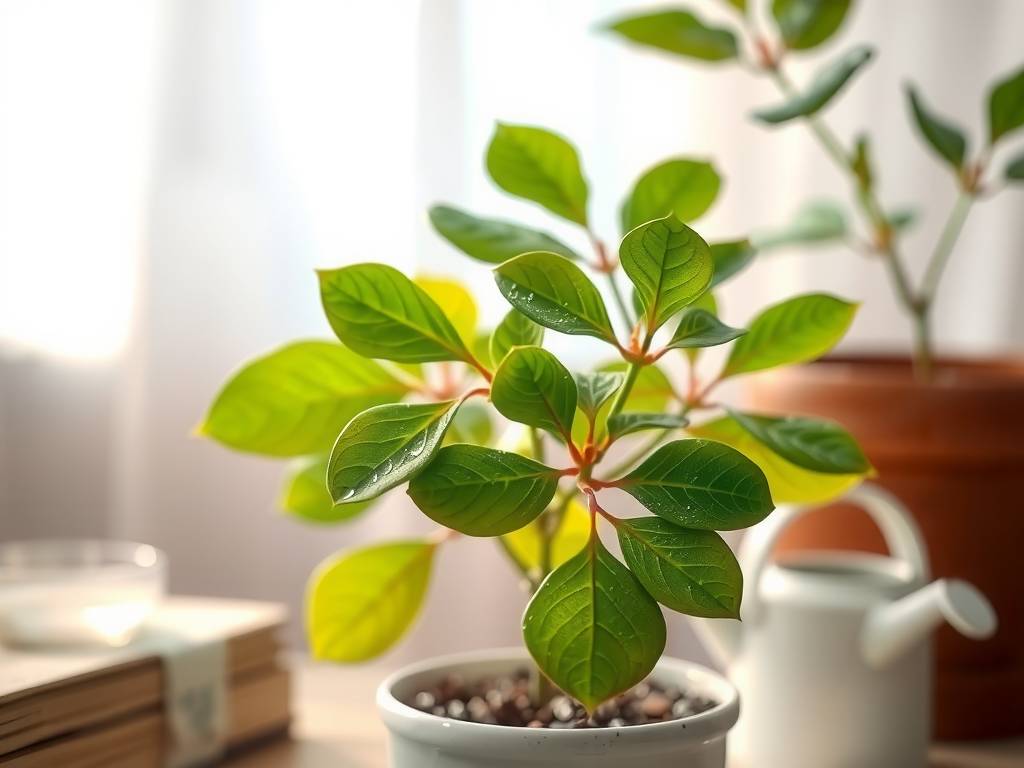
The Non-Negotiable: Providing Strong Light
This is the single most important factor for a happy fiddle-leaf fig. Those stunning small violin-shaped green leaves are solar panels, and they crave energy.
Ideal Light Conditions Your plant needs bright, indirect light. Think of the light in a spot near a south or east-facing window where the sun’s rays never directly hit the leaves. Direct afternoon sun can scorch the leaves, causing unsightly brown spots. However, according to horticulturist and author Jane Perrone, “Ficus lyrata will tolerate some direct morning sun, which can actually encourage stronger growth.” If you only have a north-facing window, it likely won’t be enough. Observe your plant: leggy growth, widely spaced leaves, and smaller new growth are all cries for more light.
What to Do If Natural Light Is Low Don’t despair if your home lacks ideal windows. Grow lights are a fantastic solution. A full-spectrum LED grow light placed about 12-18 inches above the plant for 8-10 hours a day can make all the difference. Rotate your plant a quarter turn every week to ensure all sides receive even light and promote symmetrical growth.
Creating the Perfect Environment: Warmth and Ventilation
A well-ventilated space is crucial for preventing fungal diseases and pest infestations, which thrive in stagnant, humid air.
Temperature and Airflow Keep your fiddle-leaf fig in a room between 65°F and 75°F (18°C - 24°C). Avoid placing it near drafty windows, air conditioning vents, or heating radiators, as sudden temperature fluctuations cause stress and leaf drop. Gentle airflow from a ceiling fan on low or an oscillating fan across the room mimics a natural breeze. This airflow strengthens the plant’s stems and helps soil dry appropriately between waterings.
The Humidity Balance While it enjoys humidity (aim for 40-60%), good ventilation prevents moisture from sitting on the leaves. You can increase humidity by grouping plants together, using a pebble tray with water, or a small humidifier. Mist sparingly, if at all, and only in the morning so leaves dry quickly.
Watering Wisely: The Root of All Health
Overwatering is the fastest way to kill a fiddle-leaf fig. Your goal is consistently moist, but never soggy, soil.
The Foolproof Watering Technique For a small fiddle-leaf fig, the “finger test” is your best friend. Insert your finger about 2 inches into the soil. If it feels dry, it’s time to water. Water thoroughly until it runs out of the drainage holes, ensuring the entire root ball is hydrated. Always empty the saucer or cache pot after 15 minutes to prevent root rot. In winter, reduce watering frequency as growth slows.
Choosing the Right Soil and Pot Use a well-draining, peat-based potting mix. Many experts recommend adding perlite or orchid bark to a standard indoor mix to increase aeration. The pot must have drainage holes. A small plant in an oversized pot holds moisture too long, so only repot when roots circle the bottom or emerge from the drainage holes.
Nourishing Those Signature Leaves
The small violin-shaped green leaves are the star of the show. Keeping them glossy and vibrant requires proper nutrition.
Fertilizing Schedule Feed your plant during the active growing season (spring and summer) with a balanced, water-soluble fertilizer diluted to half-strength. Fertilize once a month. Do not fertilize in fall and winter. A study by the University of Florida IFAS Extension notes that over-fertilization can lead to salt buildup in the soil, causing leaf tip burn.
Leaf Care and Cleaning Dust accumulates on the large leaves, blocking sunlight. Gently wipe both sides of the leaves with a soft, damp cloth every few weeks. This not only keeps them photosynthesizing efficiently but also gives you a chance to inspect for pests like spider mites or mealybugs.
Troubleshooting Common Problems
Even with perfect care, issues can arise. Here’s how to diagnose and fix them.
Brown Leaf Edges or Spots: Usually a sign of inconsistent watering (too dry, then too wet), low humidity, or a buildup of minerals or fluoride in tap water. Use filtered or distilled water if possible. Yellowing Leaves: Often indicates overwatering. Check the soil moisture and ensure the pot drains properly. Leaf Drop: A few lower leaves dropping is normal. Significant leaf drop is caused by sudden changes in environment, temperature shock, or severe underwatering.
Pruning and Shaping Your Small Tree
Pruning encourages bushier growth and maintains a pleasing shape. For a small fiddle-leaf fig, use clean, sharp shears to snip off the top of the main stem just above a leaf node if you want to control height. This will encourage branching. You can also remove any damaged or leggy stems.
When and How to Repot
Repot in the spring, only when necessary. Choose a pot only 1-2 inches larger in diameter. Gently loosen the root ball, place it in the new pot with fresh soil, and water thoroughly. The plant may go through a brief adjustment period.
How often should I water my small fiddle-leaf fig? There’s no set schedule. Always use the finger test. This could mean every 7-10 days in summer and every 2-3 weeks in winter, depending on your home’s conditions.
Why are the new leaves on my fiddle-leaf fig so small? Consistently small new leaves typically signal insufficient light. Move your plant to a brighter location or supplement with a grow light to encourage larger, healthier growth.
Can I put my small fiddle-leaf fig outside for the summer? Yes, with caution. Acclimate it slowly to outdoor conditions over a week, starting in full shade. Keep it in a sheltered spot with bright, indirect light and bring it back inside well before nighttime temperatures drop below 60°F.
Caring for a small fiddle-leaf fig is a rewarding journey of observation and adjustment. By prioritizing strong, indirect light, maintaining a warm and well-ventilated space, and watering with mindful precision, you create the foundation for success. Those distinctive violin-shaped leaves will respond with vigorous growth and deep green beauty, turning your plant from a source of worry into a thriving centerpiece of your home. Remember, consistency is more valuable than perfection. Pay attention to your plant’s signals, and you’ll enjoy its elegant presence for years to come.