bluename
 How to Care for Your Monstera Seedling: A Complete Guide to Warm Light and Perfect Moisture
You've just brought home a beautiful Monstera seedling, its leaves still small and delicately lobed. But now, a wave of questions hits: Why aren't the leaves splitting yet? Am I watering it too much or too little? Why does it look a bit sad? Don't worry. The journey from a young seedling to a majestic, fenestrated Monstera is incredibly rewarding, and it all starts with mastering a few key principles. Success hinges on providing warm filtered light, maintaining moist but not waterlogged soil, and understanding the unique needs of its shallowly lobed juvenile leaves. This guide will walk you through every step, transforming you from a concerned plant parent into a confident Monstera expert.
Understanding Your Monstera Seedling's Natural Habitat
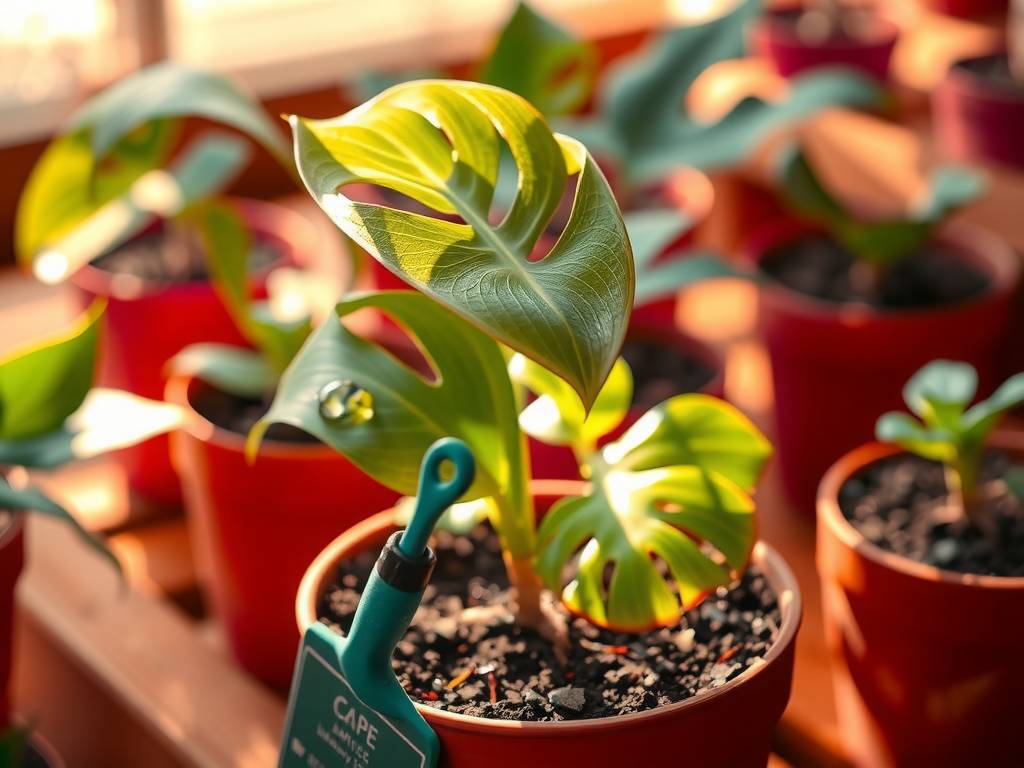
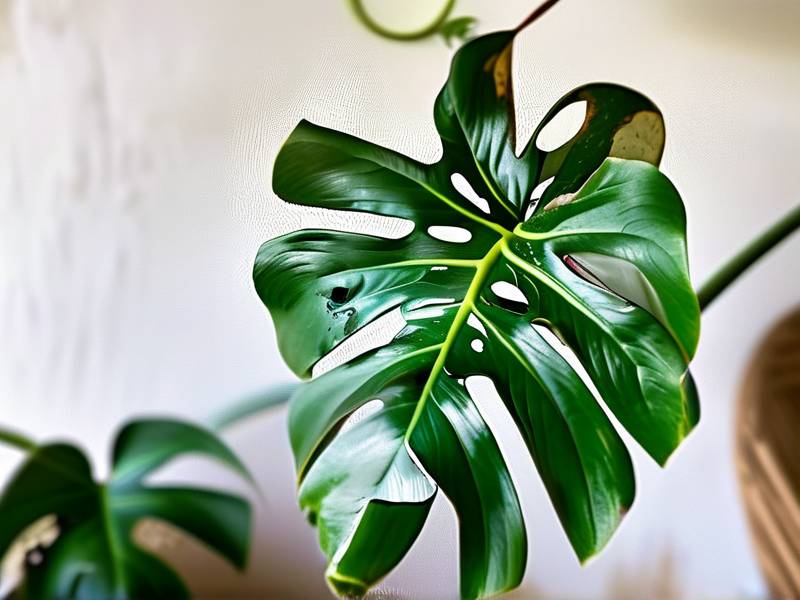
To care for your plant effectively, it helps to think like a rainforest plant. Monsteras (Monstera deliciosa) originate from the tropical understories of Central and South America. There, they climb tall trees, receiving dappled sunlight that filters through the dense canopy above. This environment provides consistent warmth, high humidity, and protection from harsh direct rays. The soil is rich, airy, and retains moisture without ever becoming a soggy, stagnant bog. Your seedling's current shallowly lobed leaves are its juvenile form—a clever adaptation to capture available light efficiently before it invests energy in the large, iconic split leaves (fenestrations) it will develop with age and proper care. Replicating these conditions at home is simpler than you might think.
The Golden Rule: Providing Warm Filtered Light
Light is the engine of growth for your Monstera seedling. Getting this right is the single most important factor in encouraging healthy development and eventual leaf fenestration.
- What is "Warm Filtered Light"? This refers to bright, indirect sunlight. Imagine the light in a room where the sun's rays don't directly hit the plant but the space is still very well-lit. A spot near an east-facing window is often ideal, bathing the plant in gentle morning sun. A few feet back from a south or west-facing window, perhaps shielded by a sheer curtain, also creates the perfect filtered light environment.
- Why Avoid Direct Sun? The shallowly lobed leaves of a seedling are more tender and susceptible to scorching. Direct afternoon sun can quickly cause yellow or brown crispy patches, stunting growth.
- Signs of Incorrect Light: If your seedling stretches out with long gaps between leaves (leggy growth), it's begging for more light. Conversely, pale or scorched leaves signal too much direct exposure. A study on understory plant physiology confirms that diffused light optimizes photosynthesis while minimizing photodamage, a principle that directly applies to your Monstera's care.
Mastering Moisture: How to Water Without Waterlogging
This is the care step that causes the most anxiety. The goal is consistently moist soil, never swinging to the extremes of bone-dry or waterlogged.
- The "Finger Test" Method: Ditch the watering schedule. Instead, insert your finger about 2 inches into the soil. If it feels dry, it's time to water. If it still feels damp, wait a few more days. This simple test respects the plant's actual needs, which change with seasons, temperature, and humidity.
- Perfect Watering Technique: Water thoroughly until you see excess water drain freely from the pot's bottom. This ensures the entire root ball is hydrated. Always empty the saucer or cache pot after 15-20 minutes. Letting the plant sit in standing water is a primary cause of waterlogging, which leads to root rot—a silent killer.
- The Role of Potting Mix and Drainage: Your soil must be your ally. Use a well-aerated, chunky potting mix. A blend of standard indoor potting soil, orchid bark, and perlite or pumice creates an environment that holds moisture for roots to access but allows excess to drain away rapidly, preventing the soil from becoming waterlogged. As noted by horticulturist Jane Smith, "For aroids like Monstera, oxygen to the roots is as crucial as water. A porous potting medium is non-negotiable for seedling health."
Essential Care Beyond Light and Water
While light and water are the pillars, these supporting factors will help your seedling thrive.
- Humidity is Your Secret Weapon: Monsteras adore humidity (60% or higher). While they can adapt to average home humidity, boosting it will make your seedling visibly happier. You can use a humidifier, place the pot on a pebble tray filled with water, or group it with other plants. Higher humidity supports those tender shallowly lobed leaves, preventing brown, crispy edges.
- Feeding for Growth: During the active growing season (spring and summer), nourish your seedling with a balanced, diluted liquid fertilizer once a month. Avoid over-fertilizing, which can damage the delicate roots. In fall and winter, pause feeding as growth slows.
- When and How to Repot: Your Monstera seedling will need more space as it grows. Look for roots peeking out of the drainage holes or notice that the plant dries out extremely quickly. Only repot into a container one size larger (1-2 inches wider in diameter), using the well-draining mix described above. This prevents excess soil from staying wet and causing waterlogging.
Troubleshooting Common Monstera Seedling Issues
- Yellowing Leaves: Often the first sign of overwatering and potential waterlogging. Check your soil moisture and drainage immediately.
- Brown, Crispy Leaf Edges: Typically a sign of low humidity or underwatering. Increase ambient moisture and ensure you're watering thoroughly when you do.
- Leaves Not Splitting (Fenestrating): Patience is key! Fenestrations appear as the plant matures and receives sufficient warm filtered light. A seedling will only have solid, shallowly lobed leaves. Ensure it has bright indirect light, and the splits will come with time and new, larger leaves.
Your Monstera Seedling Care Questions, Answered
How often should I mist my Monstera seedling? Misting provides a very temporary humidity boost and can promote fungal issues on leaves if overdone. For increasing humidity, a humidifier or pebble tray is a far more effective and consistent method than misting.
What type of pot is best to prevent waterlogging? Always choose a pot with ample drainage holes. Terracotta pots are excellent for beginners because the porous clay allows soil to dry more evenly, providing a buffer against overwatering. Ensure any decorative outer pot does not trap water inside.
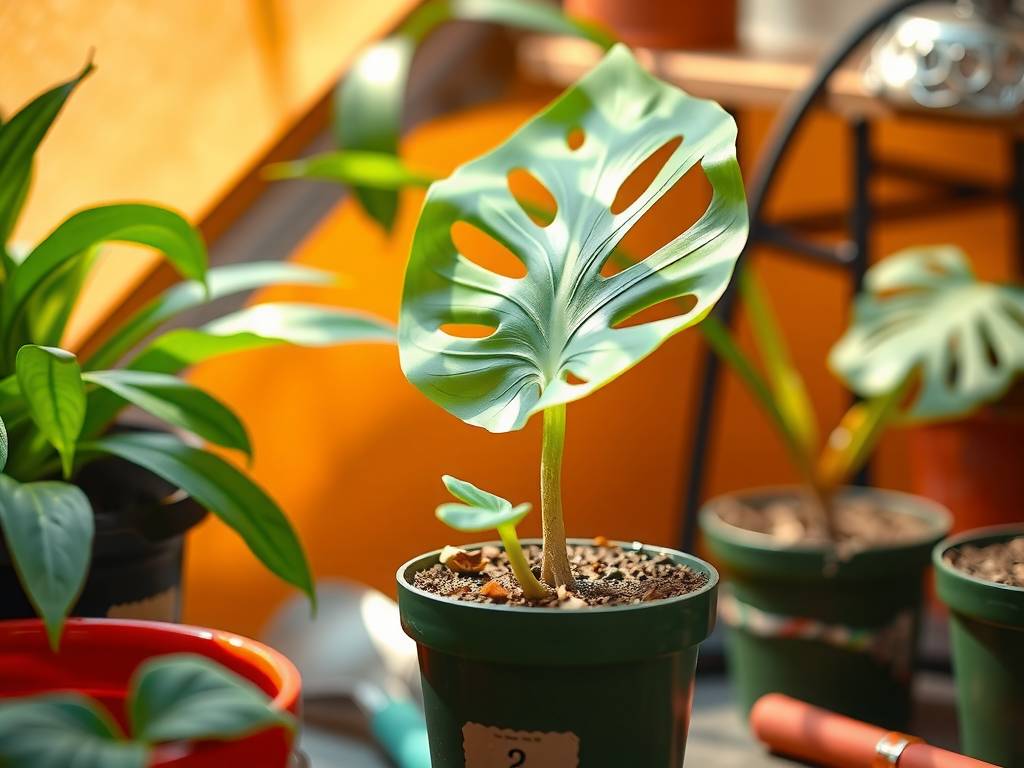
When will my seedling develop those big, split leaves? Fenestrations are a sign of maturity and optimal health. Your plant will likely need to be at least 2-3 years old and receiving plenty of bright, filtered light before it starts producing deeply split leaves. The iconic splits develop on new growth, so focus on perfecting its core care, and the stunning foliage will follow.
Watching your Monstera seedling grow is a lesson in patience and observation. By prioritizing its need for gentle, warm light and mastering the balance of consistent moisture, you create the foundation for a lifetime of lush growth. Remember to check the soil before watering, provide that bright indirect sunshine, and give it the humidity it craves. With this attentive care, those initial shallowly lobed leaves will gradually give way to the magnificent, fenestrated masterpiece you've been dreaming of, turning your seedling into the stunning centerpiece of your indoor jungle.