bluename
 How to Care for Your Philodendron Selloum Seedling: A Complete Guide
You've just brought home a beautiful Philodendron Selloum seedling, its delicate, small pinnate leaves promising the lush, tropical splendor of a mature plant. But now, the questions start. Why are the leaf tips turning brown? Is it getting too much sun, or not enough water? Keeping this tropical youngster thriving can feel daunting. Unlike its robust adult version, the seedling stage is critical and requires specific attention to detail. The good news? With the right knowledge on providing warm partial shade, consistent moisture without waterlogging, and understanding its unique growth patterns, you can successfully nurture your seedling into a stunning, statement houseplant.
This guide will walk you through every essential step, transforming uncertainty into confidence as you care for your new Philodendron Selloum.
Understanding Your Philodendron Selloum Seedling
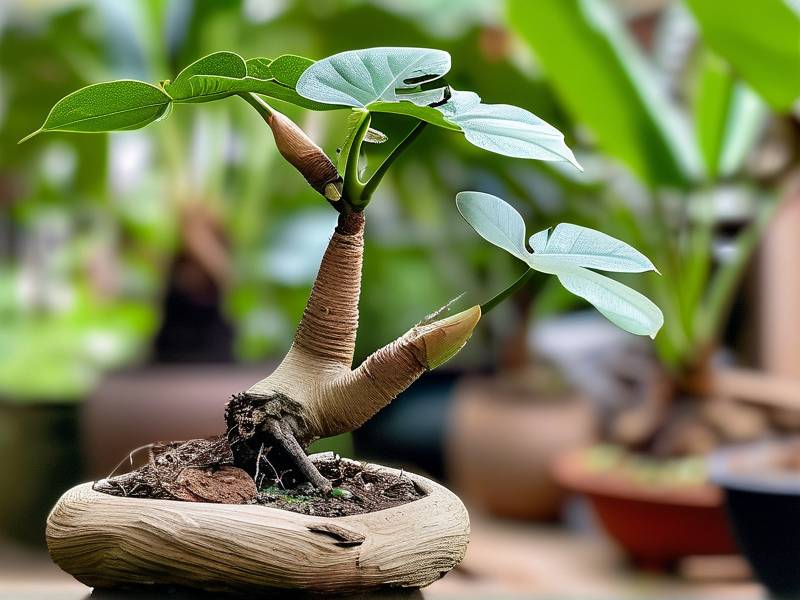
Before we dive into care routines, let's understand what makes a seedling different. A Philodendron Selloum seedling, sometimes referred to as a Thaumatophyllum bipinnatifidum start, is in its most vulnerable and formative stage. Its root system is developing, and its iconic, deeply lobed leaves are yet to emerge—instead, you'll see smaller, simpler pinnate leaves. This phase is all about establishing a strong foundation. According to horticulturist Dr. Linda Smith, "The first six months of a Philodendron Selloum's life are crucial for root establishment. Stress at this stage can lead to long-term stunting." Your primary goals are to avoid shock, promote healthy root growth, and support the development of its first true, characteristic leaves.
The Perfect Environment: Warmth and Filtered Light
Getting the light and temperature right is the single most important factor for your seedling's health.
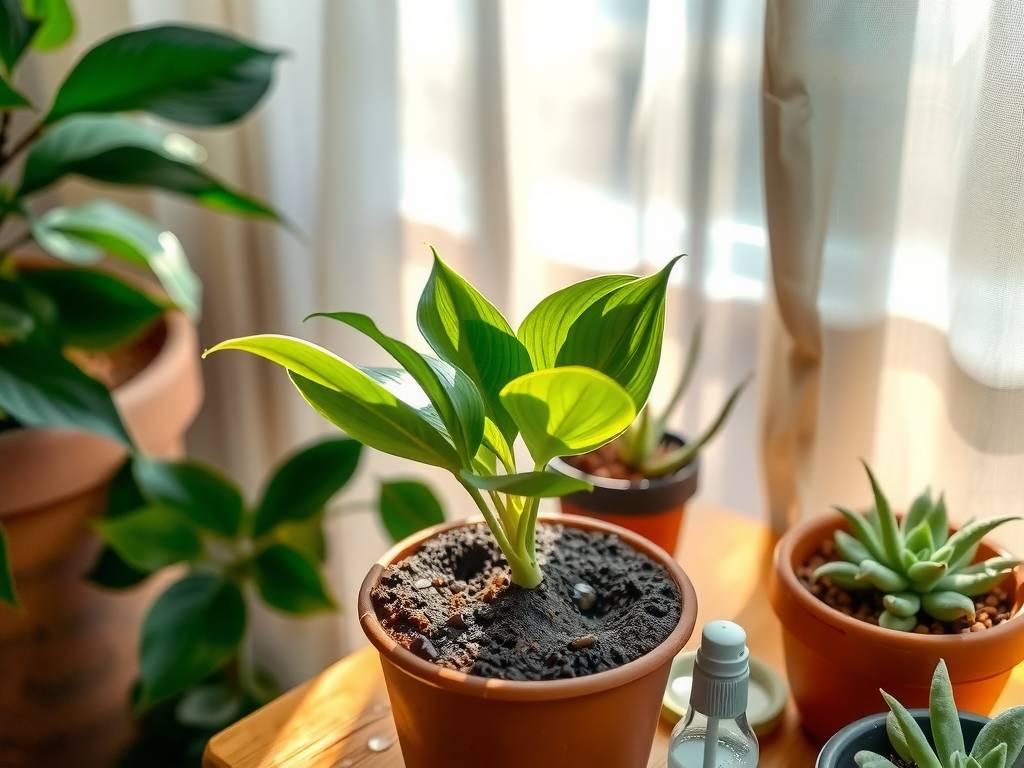
Ideal Lighting: The Partial Shade Sweet Spot The core requirement here is warm partial shade. This mimics the dappled sunlight it would receive under the canopy of larger trees in its native South American habitats.
- What to Do: Place your seedling near an east or north-facing window where it receives bright, indirect light for most of the day. A spot a few feet back from a south or west window, shielded by a sheer curtain, is also excellent.
- What to Avoid: Direct, harsh afternoon sun will scorch those tender small pinnate leaves, causing yellow or brown crispy patches. Conversely, deep shade will lead to leggy growth, where the stem stretches weakly toward any light source, and a significant slowdown in development.
Optimal Temperature and Humidity Stability is key. Your seedling thrives in warm conditions.
- Temperature: Maintain a consistent range between 65°F to 80°F (18°C to 27°C). Avoid drafts, air conditioning vents, and sudden temperature drops below 60°F (15°C), which can cause cold shock.
- Humidity: Aim for moderate to high humidity (above 50%). You can achieve this by placing the pot on a pebble tray filled with water (ensure the pot sits above the water line), grouping it with other plants, or using a small humidifier. Low humidity can cause the leaf edges to dry out and turn brown.
Watering Wisdom: Moist But Not Soggy
This is where many new plant parents face challenges. The mantra for how to care for Philodendron Selloum seedling hydration is "moist, no waterlogging."
Creating a Balanced Watering Routine The goal is to keep the growing medium consistently moist like a well-wrung sponge, never sopping wet or bone dry.
- The Finger Test: Before watering, insert your finger about an inch into the soil. If it feels dry, it's time to water. If it still feels damp, wait another day or two.
- Watering Technique: Water thoroughly until you see excess water drain freely from the bottom of the pot. This ensures the entire root ball gets hydrated. Crucially, always empty the saucer or cache pot after 15-20 minutes. This is the best practice to prevent waterlogging.
- Signs of Trouble: Yellowing leaves often indicate overwatering and soggy soil. Wilting or crispy, dry leaves suggest underwatering. Adjust your schedule based on your home's conditions—seedlings may need water more frequently in warm, bright summers and less in cool, dim winters.
Soil and Potting: The Foundation of Health
The right soil mix directly supports the "moist, no waterlogging" principle by providing drainage and aeration.
Choosing the Right Potting Mix A standard houseplant soil is too dense. Your seedling needs a chunky, well-aerated mix.
- Ideal DIY Mix: Combine 2 parts high-quality potting soil with 1 part perlite and 1 part orchid bark or coco coir. This blend retains some moisture while allowing excess water to drain away rapidly, protecting the delicate roots from rot.
- Pot Selection: Choose a pot with ample drainage holes. A pot that is only 1-2 inches larger in diameter than the root ball is ideal. Too large a pot holds excess soil that stays wet for too long, creating a waterlogging risk.
When and How to Repot Repot your Philodendron Selloum start only when necessary—typically once a year in spring. Signs it's time include roots growing out of the drainage holes or the plant drying out unusually quickly. Be gentle during repotting to minimize root disturbance.
Feeding and Maintenance for Robust Growth
While less urgent than light and water, proper feeding supports vibrant growth.
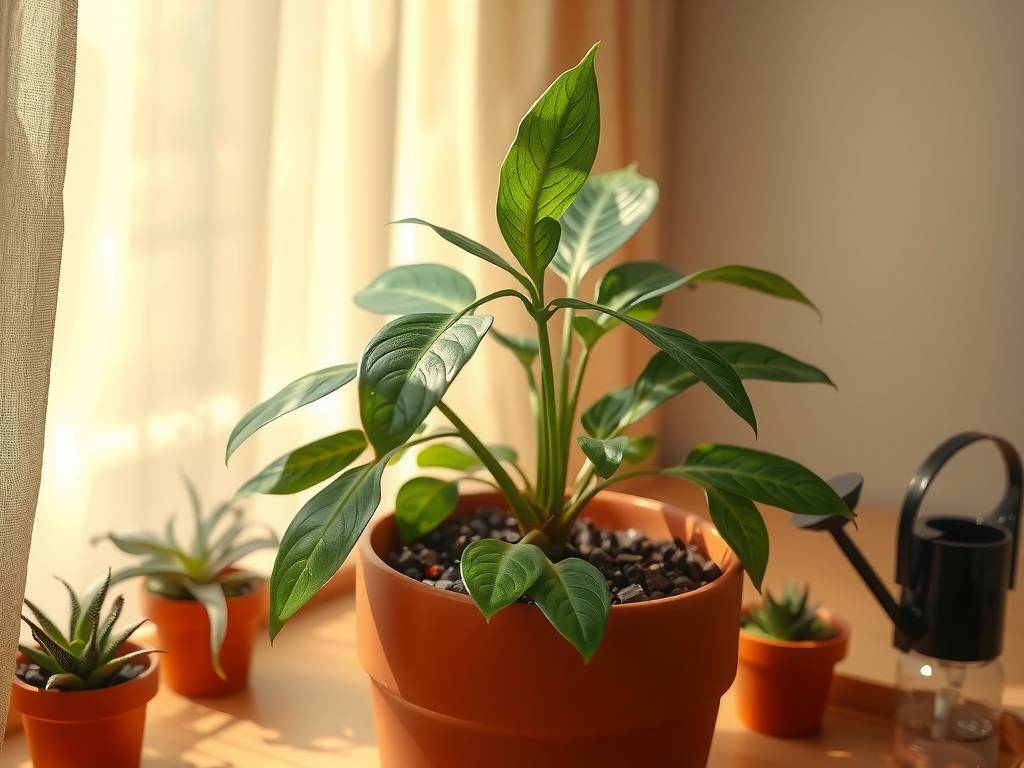
Fertilizing Your Young Plant During the active growing season (spring and summer), feed your seedling monthly with a balanced, water-soluble fertilizer diluted to half the recommended strength. Avoid fertilizing in fall and winter when growth naturally slows. Over-fertilizing can burn the sensitive roots.
Pruning and Cleaning Pruning isn't typically needed for seedlings. However, always use clean, sharp scissors to remove any yellowed or damaged leaves at the base of the stem to direct energy to healthy growth. Gently wipe the small pinnate leaves with a damp cloth every few weeks to remove dust, allowing them to photosynthesize efficiently.
Troubleshooting Common Seedling Problems
- Yellowing Leaves: Most often caused by overwatering. Check your soil moisture and drainage.
- Brown Leaf Tips: Usually a sign of low humidity or inconsistent watering (allowing the soil to get too dry between waterings).
- Leggy Growth or Small Leaves: Insufficient light. Move your seedling to a brighter location with warm partial shade.
- Pests: Keep an eye out for common pests like spider mites or mealybugs. Wipe leaves regularly and treat any infestations early with insecticidal soap or neem oil.
Frequently Asked Questions
How often should I water my Philodendron Selloum seedling? There's no universal schedule. Watering frequency depends on your home's light, temperature, and humidity. Always use the finger test to check soil moisture before watering. The goal is consistent, moderate moisture, not a set calendar date.
Can I put my seedling in direct sunlight to help it grow faster? No. Direct sun, especially afternoon sun, is harmful. It will scorch the leaves, causing irreversible damage. Bright, indirect light is the key to steady, healthy growth for this partial shade-loving plant.
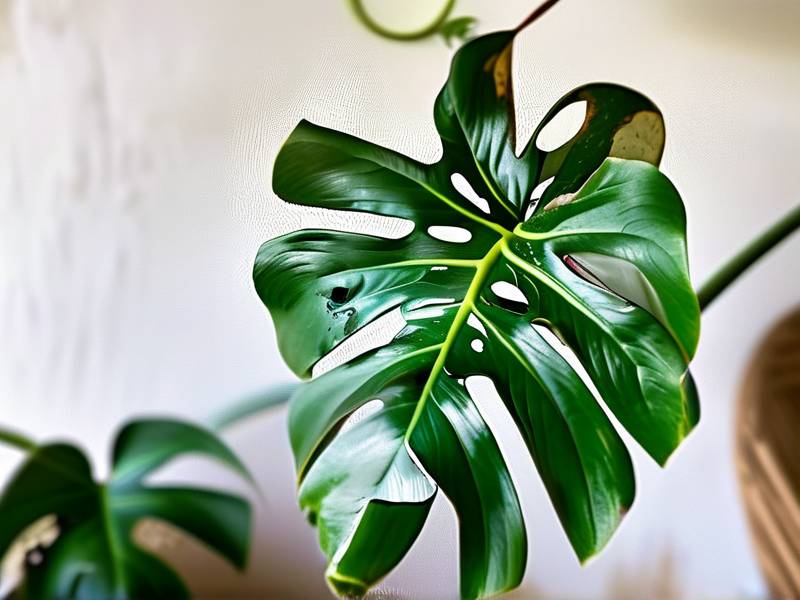
When will my seedling start to look like a mature Philodendron Selloum? Patience is essential. The seedling will first develop several sets of its small pinnate leaves. As it matures over 1-2 years with proper care, you will notice the new leaves emerging larger and with more lobes, gradually transitioning to the iconic split-leaf form. This transformation is a rewarding sign of your successful care.
Nurturing a Philodendron Selloum seedling from its early days of delicate leaves to a commanding, lush plant is an incredibly rewarding journey. By mastering the balance of warm filtered light, mindful watering that avoids sogginess, and a supportive potting environment, you provide everything needed for a strong start. Observe your plant closely, respond to its signals, and enjoy the process of watching this tropical beauty unfold in your care. With these consistent practices, your seedling will steadily gain strength, eventually rewarding you with the dramatic, jungle-like presence that makes the Philodendron Selloum a beloved centerpiece in any plant collection.