bluename
 How to Care for Pothos: Summer Ventilation to Prevent Yellow Leaves
There’s nothing more disheartening for a plant parent than watching your lush, green pothos start sporting yellow leaves, especially during the summer months. You’ve been diligent with watering, found the perfect spot with indirect light, yet those telltale yellow patches appear. Often, the culprit isn’t what you’re doing, but what you’re missing: proper air circulation. This comprehensive guide will delve into why summer ventilation is critical for pothos care and provide a clear, actionable plan to prevent yellowing leaves and keep your plant thriving.
Understanding the Pothos and Its Summer Struggles
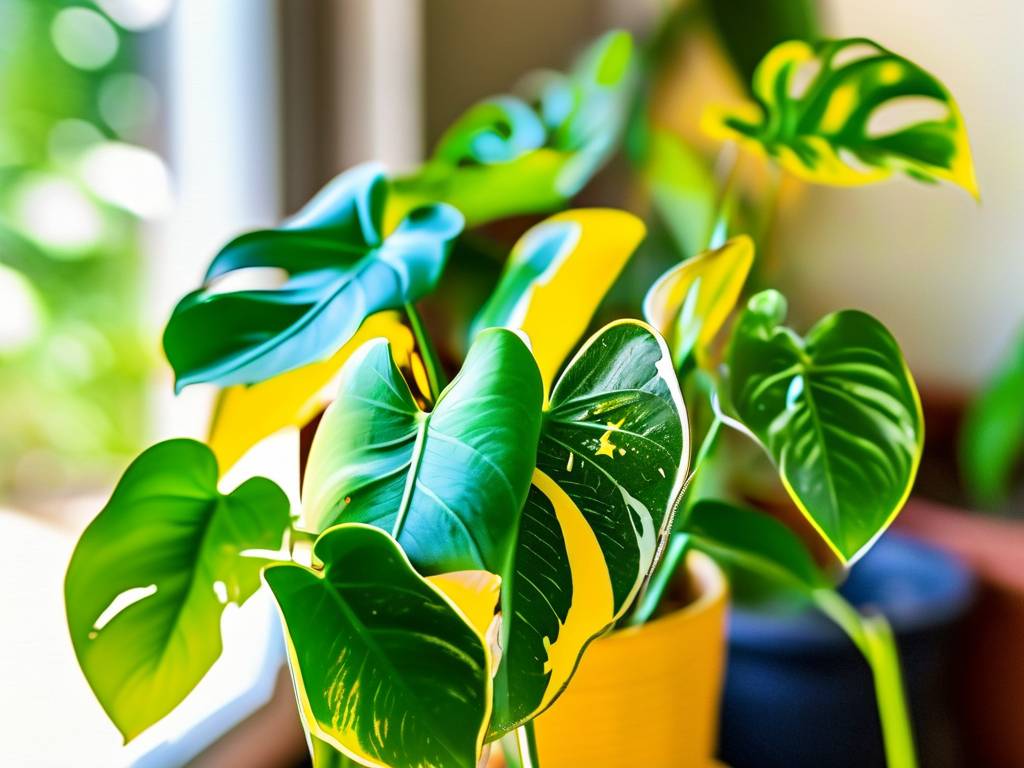
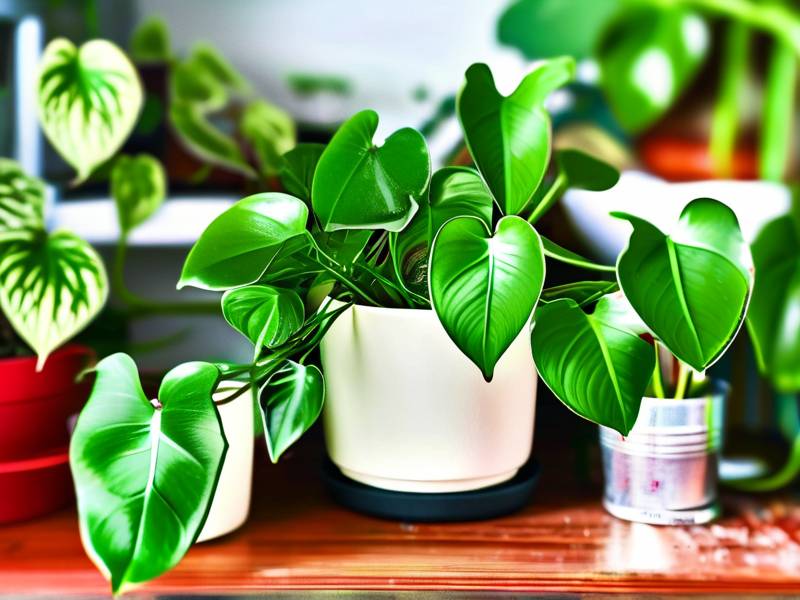
Pothos, scientifically known as Epipremnum aureum, is renowned for its resilience and adaptability. However, its reputation as a "bulletproof" plant can lead to common oversights. Summer introduces a unique set of challenges—higher temperatures, increased humidity, and intense sunlight—that disrupt the plant's delicate balance. Stagnant, humid air around the foliage creates a breeding ground for problems that manifest as yellow leaves.
Why Ventilation is Your Secret Weapon Against Yellow Leaves
Ventilation is the unsung hero of plant care. It’s not just about a gentle breeze; it’s about managing the plant’s immediate microclimate. Here’s how good air flow directly prevents leaf yellowing:
- Prevents Fungal and Bacterial Diseases: Stagnant, moist air is ideal for pathogens like root rot fungi and leaf spot bacteria. These diseases directly attack leaf tissues, causing yellowing, browning, and decay. Air movement helps leaves dry appropriately after watering and reduces surface moisture where spores germinate.
- Regulates Transpiration: Plants "breathe" through stomata on their leaves, releasing water vapor in a process called transpiration. Good airflow aids this process, preventing waterlogged soil and helping the plant regulate its temperature—a crucial function during summer heat.
- Strengthens Plant Structure: Gentle, consistent air movement encourages the plant to develop stronger stems and petioles. It’s a natural form of exercise, making your pothos more robust and better able to support its vibrant foliage.
- Ensures Even Gas Exchange: Plants need carbon dioxide for photosynthesis and must release oxygen. Stagnant air can create a "dead zone" around the leaves, hindering this essential exchange and stressing the plant, which can lead to chlorosis (yellowing).
As noted in resources from the Royal Horticultural Society (RHS), good ventilation is key to preventing a host of plant health issues, particularly in warm, enclosed spaces. It’s a foundational practice, not an optional extra.
Your Step-by-Step Guide to Optimizing Summer Ventilation for Pothos
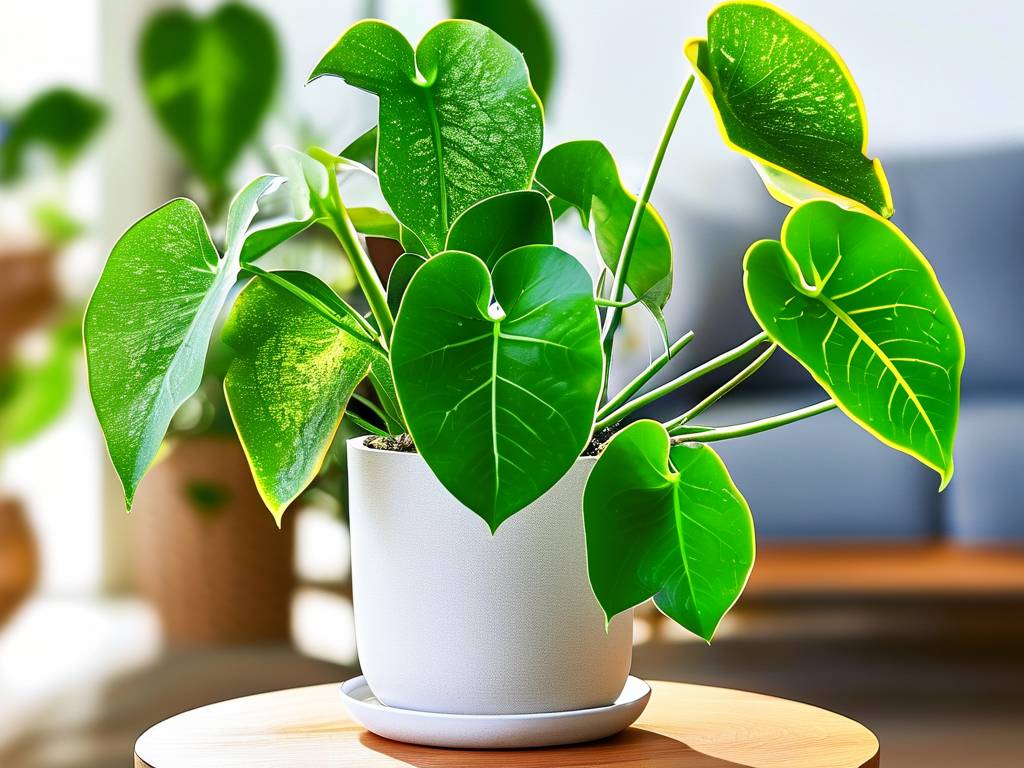
Implementing an effective ventilation strategy is straightforward. Follow these steps to create an ideal environment for your pothos.
Assess Your Plant’s Current Location
Start by observing where your pothos lives. Is it in a corner with walls on two sides? Crowded on a shelf with other plants? Tucked behind a curtain? These spots often have the poorest air circulation. The goal is to find a location where air can move freely around all sides of the plant.
Practical Methods to Improve Air Flow
- Strategic Placement: Move your pothos to a spot where it can benefit from natural air currents. A position near a frequently opened door, in a hallway, or in a room with a ceiling fan is ideal. Avoid placing it directly in the path of harsh, hot air from air conditioning vents, as this can cause rapid dehydration and stress.
- Use of Fans: A small, oscillating fan set on low and placed several feet away from your plant is incredibly effective. It should create a gentle rustle in the leaves, not a constant blast. Run it for a few hours during the hottest part of the day.
- Mindful Plant Grouping: While grouping plants can increase humidity, it can also restrict airflow. Ensure there is ample space between your pothos and its neighbors. Don’t let the leaves become densely intertwined.
- Prune for Prosperity: Regularly prune any excessively long vines or dense foliage, especially in the center of the plant. This opens up the plant’s structure, allowing air to penetrate the canopy and reach the inner leaves, which are often the first to yellow in stagnant conditions. Always use clean, sharp scissors.
Integrating Ventilation with Other Summer Care Essentials
Ventilation doesn’t work in isolation. It must be paired with adjusted care routines.
- Watering Adjustments: With better airflow and higher temperatures, soil may dry faster. However, improved transpiration also means the plant uses water more efficiently. The key is to always check the soil moisture before watering. Insert your finger about two inches deep. If it’s dry, water thoroughly until it drains from the bottom. Never let your pothos sit in a saucer of water. This practice of preventing pothos yellow leaves in summer hinges on avoiding both drought and soggy soil.
- Light Management: Summer sun is more intense. Ensure your pothos remains in bright, indirect light. A spot near an east-facing window is perfect. Direct afternoon sun through a south or west window can scorch leaves, causing yellow or brown patches, which is a different issue than ventilation-related yellowing.
- Humidity Balance: Pothos enjoy moderate humidity. If you’re using a humidifier, ensure the room is also well-ventilated to prevent moisture from becoming stagnant on the leaves. A light misting is less effective than good airflow for disease prevention.
Recognizing and Troubleshooting Yellow Leaves
Even with perfect care, a leaf may occasionally yellow. Here’s how to diagnose if it’s related to airflow or another issue.
- Ventilation-Related Yellowing: Often starts with older, inner leaves. Leaves may feel slightly limp or soft, and you might see signs of mold or mildew on the soil surface or leaf spots with a yellow halo.
- Other Common Causes:
- Overwatering: Widespread yellowing, often affecting lower leaves first, coupled with wet, soggy soil.
- Underwatering: Yellow or brown crispy edges, with dry, pulling-away-from-the-pot soil.
- Nutrient Deficiency: Uniform yellowing of older leaves (nitrogen deficiency) or yellowing between the veins of new leaves (iron deficiency).
- Natural Aging: It’s normal for an occasional older leaf to yellow and fall off as the plant directs energy to new growth.
For persistent issues beyond basic care, consulting resources from the American Horticultural Society (AHS) or a local extension service can provide deeper, science-backed insights.
My pothos has several yellow leaves right now. What should I do? First, don’t panic. Gently remove the yellow leaves by pulling them off or using clean scissors to cut the stem near the main vine. This allows the plant to redirect energy. Then, assess its location and soil moisture. Improve airflow immediately and adjust your watering habit based on the soil’s dryness, not a schedule.
Can I just put my pothos outside for the summer for better air flow? You can, but with caution. Acclimate it slowly to outdoor conditions over 7-10 days, starting in full shade. Never place it in direct sun, as the leaves will burn. Ensure it’s in a sheltered spot protected from strong winds and heavy rain. The best practices for pothos summer care outdoors involve a shaded patio or under a tree canopy.
How do I know if the air circulation in my home is sufficient for my plants? A simple test is the "candle test." Light a candle (safely) near your plant’s location. If the flame flickers steadily, you have decent air movement. If it burns straight up with no motion, the air is very still. Alternatively, you can use a small handheld anemometer, or simply feel for any draft or movement of air on your skin over a period of time.
Maintaining a healthy pothos through the summer is an exercise in balance. By prioritizing gentle air movement, you address the root cause of many common issues, from fungal threats to inefficient transpiration. Combine this with mindful watering and proper lighting, and you’ll create an environment where yellow leaves become a rare exception rather than a seasonal expectation. Your pothos will reward you with vigorous, cascading vines of deep, resilient green.