bluename
 How to Care for Lucky Bamboo: Summer Water Change to Avoid Root Rot
You’ve lovingly placed your lucky bamboo on your desk or shelf, enjoying its serene presence and the touch of greenery it brings to your space. But as summer temperatures rise, you might notice something unsettling—the water in the vase looks cloudy, the stems feel a bit slimy, or worse, the leaves are starting to yellow. This common summer struggle often points to one primary culprit: root rot. The very water that sustains your plant can become a breeding ground for harmful bacteria in the heat, threatening its health. Don’t worry; this is a preventable problem. Mastering the simple practice of a summer water change routine is the key to keeping your lucky bamboo vibrant and thriving all season long.
Understanding why your lucky bamboo needs special attention in summer is the first step. This plant, scientifically known as Dracaena sanderiana, is not a true bamboo but a resilient member of the Dracaena family. While famously low-maintenance, its aquatic or semi-aquatic growing conditions make it uniquely vulnerable to water quality issues. Warmer weather accelerates bacterial growth in standing water and increases evaporation, concentrating any dissolved minerals or fertilizers. This creates a stressful environment for the roots, making them susceptible to decay. The American Horticultural Society (AHS) notes that “stagnant water is the most common cause of failure for hydroponically grown houseplants like lucky bamboo, especially during periods of high ambient temperature.”
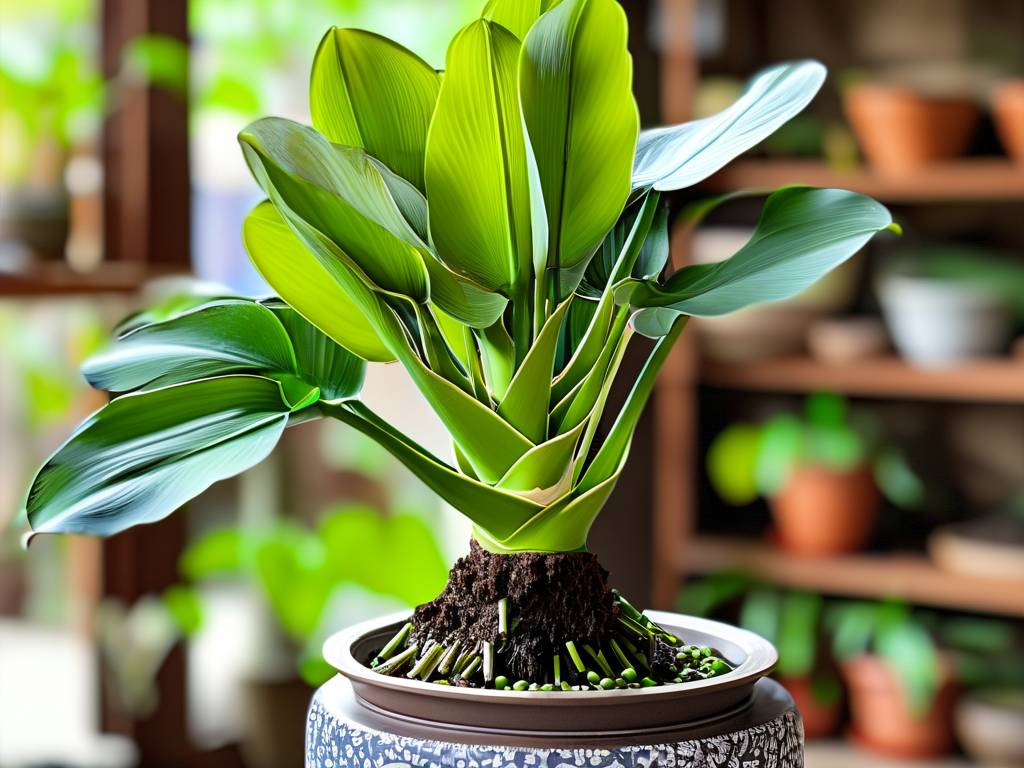
Your essential summer care toolkit is simple. You will need:
- Fresh, clean water (preferably filtered, distilled, or left to stand overnight to dechlorinate).
- A clean vase or container.
- A mild, liquid houseplant fertilizer (optional, for use sparingly).
- Clean, soft cloth or paper towels.
- Small scissors or pruners (sterilized with rubbing alcohol).
The Step-by-Step Guide to a Perfect Summer Water Change
Frequency is crucial. During the summer months, you should aim to change the water for your lucky bamboo every 7 to 10 days. This is more frequent than the 2-4 week interval often recommended in cooler seasons. If your home is particularly warm or the water appears cloudy before a week has passed, change it immediately.
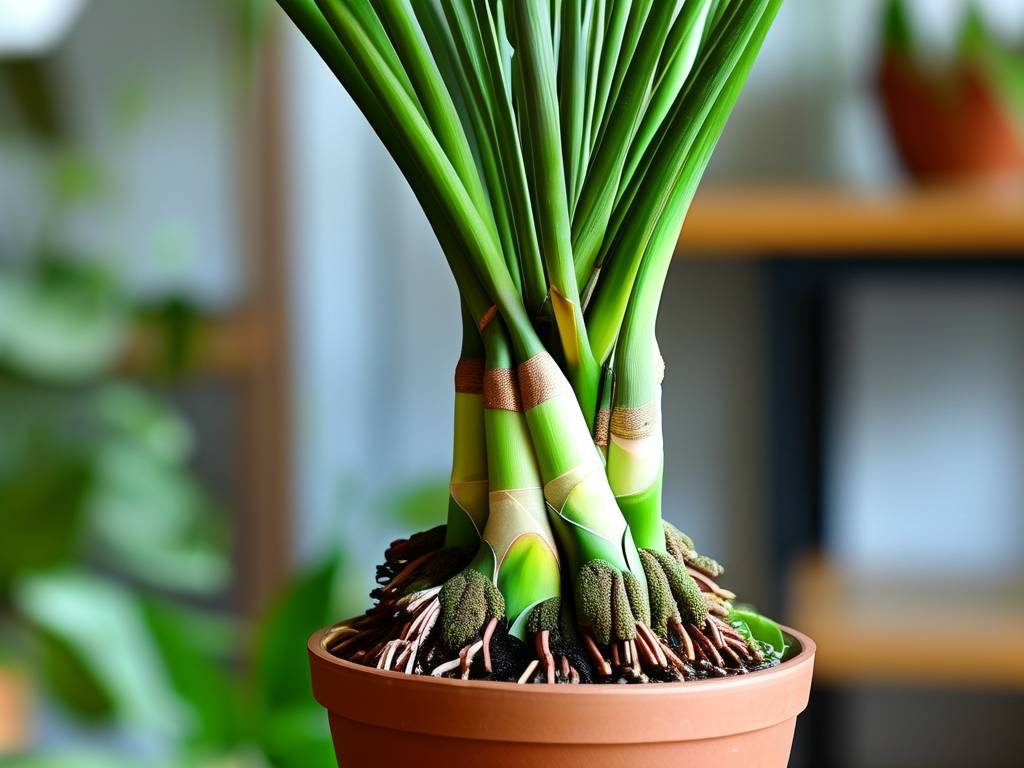
Prepare the New Water Never use hot or cold water straight from the tap. Extreme temperatures can shock the plant. Fill your jug with lukewarm water. If using tap water, let it sit in an open container for 24 hours. This allows chlorine and fluorides, which can cause brown leaf tips, to evaporate. For optimal health, many experts recommend using filtered, distilled, or rainwater. According to principles often cited by horticultural bodies like the Royal Horticultural Society (RHS), using water low in chemicals mimics the plant’s natural growing conditions and prevents chemical buildup.
Gently Remove the Plant Carefully lift your lucky bamboo stalks from their current vase. Do not pull forcefully if roots are tangled. Gently swirl the plant or tip the vase to slide it out.
Clean the Plant and Roots This is the most critical step for preventing root rot. Hold the stalks under a gentle stream of lukewarm, prepared water. Rinse the roots and the base of the stalks thoroughly to wash away any clinging biofilm or slime—a sign of bacterial growth. Use your fingers to very gently swish the roots clean. Pat the stalks dry with a soft cloth, paying special attention to the base.
Inspect and Prune if Necessary This is your chance for proactive care. Examine the roots. Healthy roots are firm and orange or reddish in color. Unhealthy, rotting roots are mushy, brown, black, or gray and may have a foul odor. Using your sterilized scissors, carefully snip away any rotten roots. Also, trim any yellowing leaves from the stalks to direct energy to healthy growth.
Clean the Vase Thoroughly Do not simply rinse and refill. Wash the vase with mild soap and warm water, scrubbing the interior to remove algae or mineral deposits. Rinse it several times to ensure no soap residue remains, as this can harm the plant. A clean container is non-negotiable for healthy hydroponic care.
Replant and Refill Place your clean lucky bamboo back into its spotless vase. Add your prepared fresh water. The water level should cover the roots by about 1-2 inches. Submerging too much of the stalk can encourage rot. Finally, wipe the outside of the vase to keep your display sparkling.
Supporting Practices for a Healthy Summer
Optimal Placement and Lighting Keep your lucky bamboo in bright, indirect light. A north or east-facing window is ideal. Direct summer sun through a window will scorch the leaves and heat the water rapidly, exacerbating bacterial problems. Ensure the room has good air circulation but avoid placing it directly in the path of air conditioning or heating vents, as drastic temperature fluctuations add stress.
Fertilizing with Extreme Caution Lucky bamboo requires very little fertilizer. In summer, if you choose to feed, do so only once a month at most. Use a single drop of a very mild, water-soluble liquid fertilizer in the fresh water during a change. Over-fertilizing is a fast track to burned roots and polluted water. When in doubt, skip it. The plant derives most of its energy from light.
Choosing the Right Container and Medium While not strictly part of the water change, your container choice matters. A clear glass vase allows you to monitor root and water health easily. However, if algae growth is a persistent issue (algae thrives on light and nutrients), consider switching to an opaque container. For added stability and a decorative touch, you can anchor the stalks with clean pebbles or glass beads, which should also be rinsed during each water change.
What if I see algae in the water? Algae is not directly harmful but indicates excess light and nutrients, which create an unbalanced environment. It’s a sign to change the water immediately, clean the vase thoroughly, and move the plant to a spot with less direct light. Using an opaque vase can prevent future algae growth.
My bamboo stalks are yellowing from the top down. Is this root rot? Yellowing from the top down is typically not root rot. Root rot affects the plant from the base upward. Top-down yellowing is more often caused by too much direct sunlight, chemical burn from tap water, or over-fertilization. Adjust its location and your water type first.
Can I save a lucky bamboo with root rot? Yes, if caught early. Remove the plant from its vase and cut away all soft, mushy, or discolored parts of the stalk and roots with a sterile tool. The remaining healthy stalk section should be firm and green. You can then attempt to re-root it in fresh, clean water. Be patient, as new root growth can take several weeks.
Caring for your lucky bamboo in summer centers on vigilance and consistency. By adopting a disciplined weekly water change routine, you actively remove the factors that lead to root decay—stagnant water, bacteria, and concentrated minerals. Pair this with proper light, cautious feeding, and a clean environment, and your resilient plant will not just survive the summer but continue to grow, bringing its signature luck and calm beauty to your home. The difference between a struggling plant and a thriving one often comes down to the simple, mindful practice of providing fresh water.