bluename
 How to Care for Kalanchoe: Winter Warmth to Avoid Frost & Ensure Blooming
You’ve nurtured your vibrant Kalanchoe all year, only to watch its cheerful blooms fade and its succulent leaves turn mushy or limp as temperatures drop. This heartbreaking scenario is a common winter struggle for plant enthusiasts. The key to a thriving, blooming Kalanchoe lies not just in routine care, but in mastering its specific winter needs. This comprehensive guide is dedicated to solving that exact problem: providing the essential winter warmth your Kalanchoe requires to avoid frost damage and, crucially, to set the stage for its spectacular seasonal blooming cycle.
Understanding the Kalanchoe’s Winter Nature
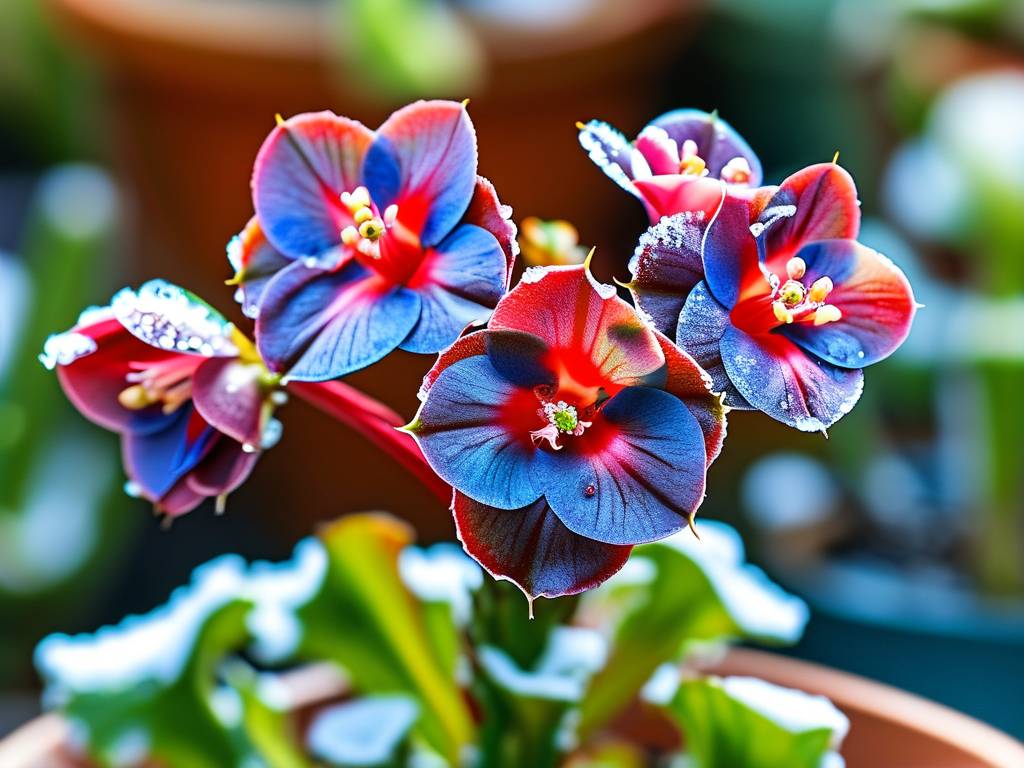
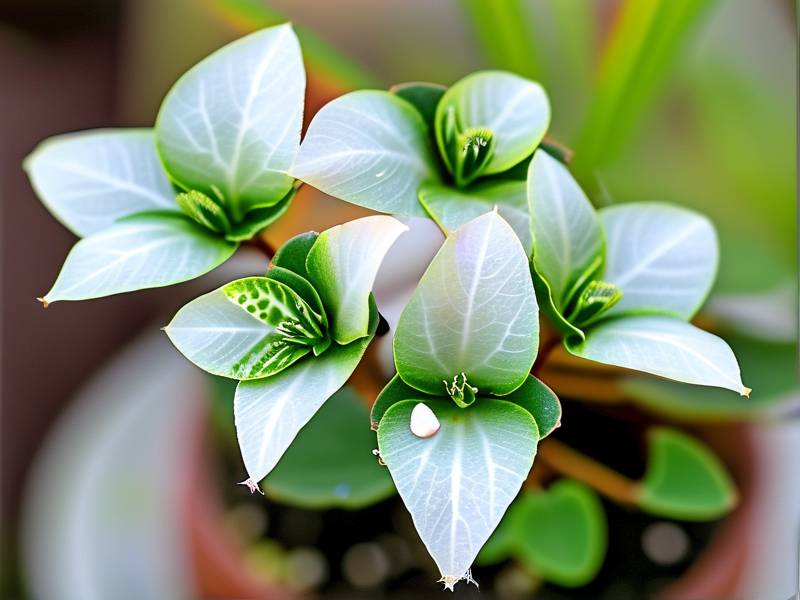
Kalanchoe blossfeldiana, the most common flowering variety, is a succulent native to Madagascar. It thrives in warm, arid environments and is highly sensitive to cold. While it’s a resilient houseplant, its tolerance has limits. Prolonged exposure to temperatures below 50°F (10°C) can stunt growth, and any encounter with frost or freezing conditions is often fatal. The Royal Horticultural Society (RHS) categorizes most Kalanchoes as tender succulents, advising they must be protected from frost and overwintered indoors in temperate climates. Your mission during the colder months is to replicate the dry, mild winter of its native habitat, which is the natural trigger for its flowering process.
The Critical Role of Temperature: Your First Line of Defense
The single most important factor in winter Kalanchoe care is maintaining adequate warmth. This isn’t just about survival; it’s about priming the plant for its next bloom.
- The Ideal Range: Keep your Kalanchoe in an environment between 60°F and 75°F (15°C - 24°C) during the day. Nighttime temperatures can dip slightly but should consistently stay above 50°F (10°C).
- Danger Zone: Temperatures between 40°F and 50°F (4°C - 10°C) put the plant under significant stress. Growth will halt, and the risk of root and stem rot increases due to slowed water uptake.
- Frost and Freeze: A Guaranteed Threat. Exposure to frost (32°F / 0°C) causes irreversible cellular damage. The water inside the plant’s cells freezes, expands, and ruptures the cell walls, leading to the characteristic blackened, translucent, and mushy leaves.
Strategic Placement Indoors for Optimal Warmth
Where you place your plant indoors is paramount. Avoid common pitfalls that create microclimates of cold.
- Bright, Indirect Light: Position it near a south- or west-facing window where it receives plenty of bright light. This light provides gentle warmth and is essential for the plant’s energy reserves.
- Avoid Cold Drafts: This is a non-negotiable. Keep the plant far away from frequently opened doors, drafty windows, and air vents. According to the American Horticultural Society’s (AHA) cold damage guidelines, sudden drafts can cause more shock than a steady, slightly cooler temperature.
- Beware of Radiant Heat at Night: While avoiding cold drafts, also ensure the plant isn’t touching a cold windowpane at night. Conversely, don’t place it directly over a radiator or heating vent, as the dry, hot air will desiccate the leaves.
Mastering the Winter Watering Technique
Overwatering is the fastest way to kill a Kalanchoe in winter, especially when combined with cooler temperatures and reduced light. The plant enters a semi-dormant state and uses water very slowly.
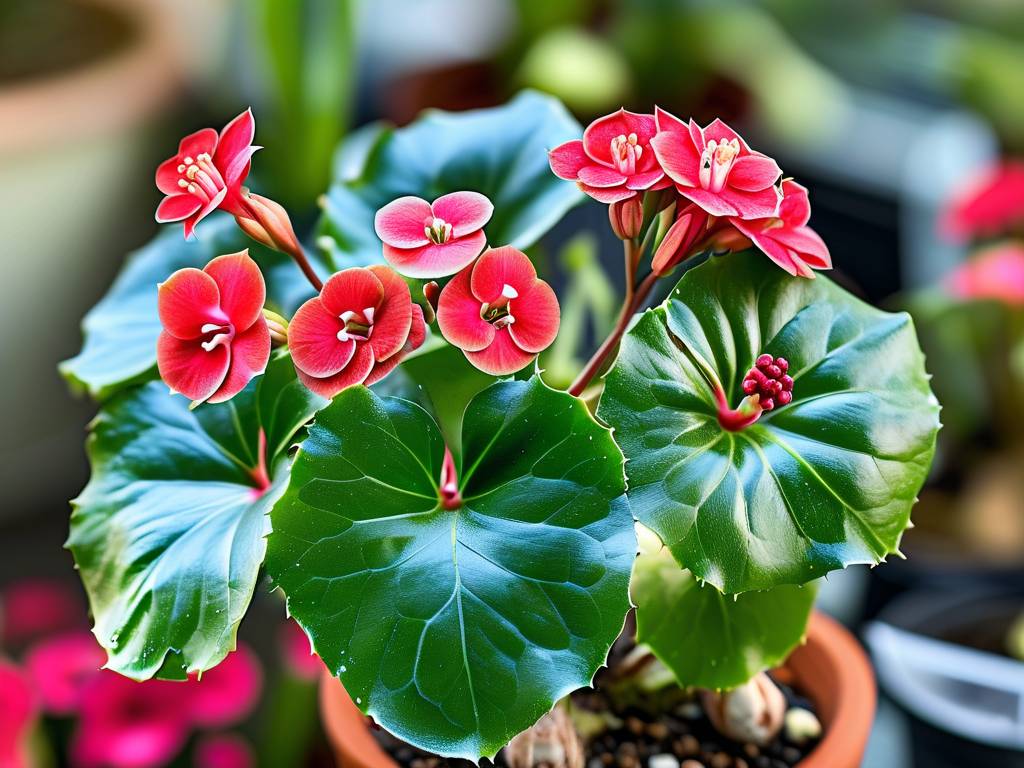
- The "Soak and Dry" Method: This is the golden rule. Only water when the top 1-2 inches of soil are completely dry. Insert your finger into the soil to check.
- Water Deeply, Then Let It Be: When you do water, do so thoroughly until water runs out of the drainage holes. Then, empty the saucer underneath immediately. Never let the pot sit in standing water.
- Reduced Frequency: You may find yourself watering only once every 3-4 weeks in winter, compared to every 2 weeks in summer. Let the plant’s needs, not the calendar, guide you.
Light and Humidity: Supporting Actors for Health
While temperature is the star, light and humidity play crucial supporting roles.
- Maximize Natural Light: The shorter winter days mean you must capitalize on all available sunlight. A sunny windowsill is ideal. If natural light is severely limited, consider supplementing with a grow light for 4-6 hours a day to prevent leggy, weak growth.
- Ignore Humidity Needs: Unlike tropical plants, Kalanchoes prefer dry air. Average household humidity is perfect. Do not mist the plant, as this can encourage fungal diseases on the leaves and does not raise humidity meaningfully.
The Secret to Ensuring Spectacular Blooms: Photoperiod Control
Here’s the horticultural secret to a flower-filled Kalanchoe. It is a "short-day plant," meaning it initiates flower buds when it experiences long nights (at least 14 hours of uninterrupted darkness) for a period of 6-8 weeks.
- Simulating Winter Nights: To trigger blooming for a specific season (like Christmas or Valentine’s Day), you must control its light exposure starting about two months prior.
- The Forced Darkness Routine: From early October onward, place your Kalanchoe in a completely dark closet or cover it with a box for 14 hours each night (e.g., from 6 PM to 8 AM). During the day, give it 10 hours of bright light. Maintain this schedule religiously for 6-8 weeks until you see tiny flower buds forming.
- Natural Blooming Cycle: If left to its own rhythm without artificial light interference, a Kalanchoe receiving normal household light in the northern hemisphere will often naturally bloom in late winter to early spring as the days begin to lengthen again.
Preparing for Spring and Beyond
Once the danger of frost has passed and nighttime temperatures are consistently above 50°F (10°C), you can consider moving your Kalanchoe back outdoors for the summer. Acclimate it gradually over a week to avoid sunburn. Resume more frequent watering and consider a light feeding with a balanced, diluted fertilizer to support new growth and prepare it for its next winter blooming cycle.
My Kalanchoe’s leaves are soft and droopy. Is it overwatered or underwatered? This is a classic winter dilemma. First, check the soil. If it’s bone dry, it’s likely underwatered; a deep soak may revive it. If the soil is damp or wet and the leaves are mushy or translucent, it’s almost certainly overwatered and may be suffering from root rot. In the latter case, stop watering immediately, move the plant to a warmer, brighter spot, and if severe, unpot it to inspect and trim any black, mushy roots before repotting in fresh, dry succulent mix.
Can I save a Kalanchoe that has been touched by frost? Act quickly. Move the plant to a warm (above 60°F), bright location indoors immediately. Do not water it, as the damaged roots cannot absorb moisture. Gently remove any leaves that are completely blackened and mushy. The plant may shed many leaves. If the main stem is still firm, there is hope. With patience and proper care, it may eventually produce new growth from undamaged nodes, though recovery can be slow.
Why is my Kalanchoe growing tall and leggy but not flowering? This is a clear sign of insufficient light. The plant is stretching to find a brighter light source. While it may survive, it won’t have the energy to bloom. Move it to the sunniest window you have. To correct the leggy growth and encourage a bushier plant, you can prune back the elongated stems in the spring. Use the cuttings to propagate new plants, ensuring each cutting has a few leaves. More importantly, to force flowering, you must implement the 14-hour darkness routine as outlined above.
Success with your Kalanchoe through the winter hinges on a simple formula: consistent warmth above 50°F, bright light, drastically reduced watering, and an understanding of its need for long nights to bloom. By vigilantly guarding against frost and cold drafts, you protect its physical structure. By mastering the watering schedule, you safeguard its roots. And by controlling its exposure to darkness, you unlock its innate potential to produce a dazzling display of color, transforming the gray winter months into a season of vibrant life right on your windowsill.