bluename
 How to Care for Phalaenopsis - Winter Warmth to Prevent Yellow Leaves & Ensure Blooming
Seeing your beloved Phalaenopsis orchid develop yellow leaves as temperatures drop can be disheartening. You’ve nurtured it all year, hoping for those elegant blooms, only to be met with signs of distress. This common winter challenge stems from one primary factor: inadequate warmth. Mastering winter care is not just about survival; it’s about setting the stage for a spectacular blooming season. This guide will walk you through the precise steps to provide the right winter warmth for your Phalaenopsis, effectively preventing yellow leaves and ensuring it thrives and flowers beautifully.
Understanding the Phalaenopsis Orchid’s Winter Needs
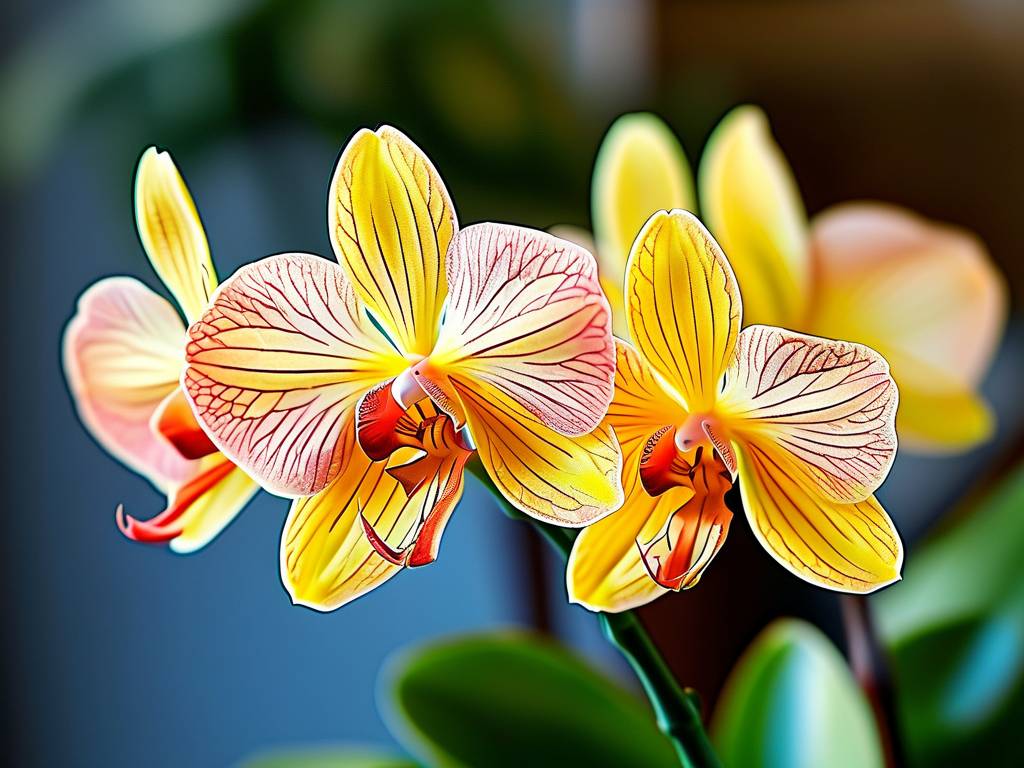
Phalaenopsis orchids, often called moth orchids, are tropical epiphytes. In their natural habitat, they enjoy consistently warm temperatures with high humidity. Winter in many climates presents a stark contrast—dry air, cold drafts, and reduced daylight. The plant’s metabolism slows, but it doesn’t enter a true dormancy. Instead, it becomes highly sensitive to environmental stress. The core of winter care revolves around replicating a mild, tropical winter: think warm days, slightly cooler nights, and protection from extremes.
Why Winter Warmth is Non-Negotiable for Healthy Leaves and Spikes
Temperature is the linchpin of winter Phalaenopsis care. When exposed to cold drafts or sustained temperatures below 60°F (15°C), the plant experiences physiological shock. The roots’ ability to absorb water and nutrients diminishes. Consequently, the plant may begin to reallocate resources, leading to leaf yellowing, often starting with the lower, older leaves. More critically, a cold-stressed orchid will hesitate to send up a flower spike. Blooming is an energy-intensive process, and the plant will only commit to it when environmental signals—primarily a slight temperature drop at night—are within a safe, optimal range. Without consistent warmth, you risk losing both foliage and flowers.
Creating the Ideal Warm Microclimate
Your goal is to shield your orchid from the harsh indoor winter environment. Placement is key.
First, move your orchid away from cold windows at night. A single pane of glass can become significantly colder than the room air, chilling the roots and leaves in contact with it. During the day, an east or south-facing window (with sheer curtains to diffuse intense sun) is excellent for light, but consider pulling it back a few feet at dusk.
Second, avoid all drafts. This includes chilly breezes from doors, windows, and even heating vents. While heating vents provide warmth, the direct, dry air blast is detrimental. According to the American Orchid Society, sudden temperature fluctuations are a leading cause of bud blast (where buds wither and fall before opening).
Utilizing Heating Mats and Humidity Trays
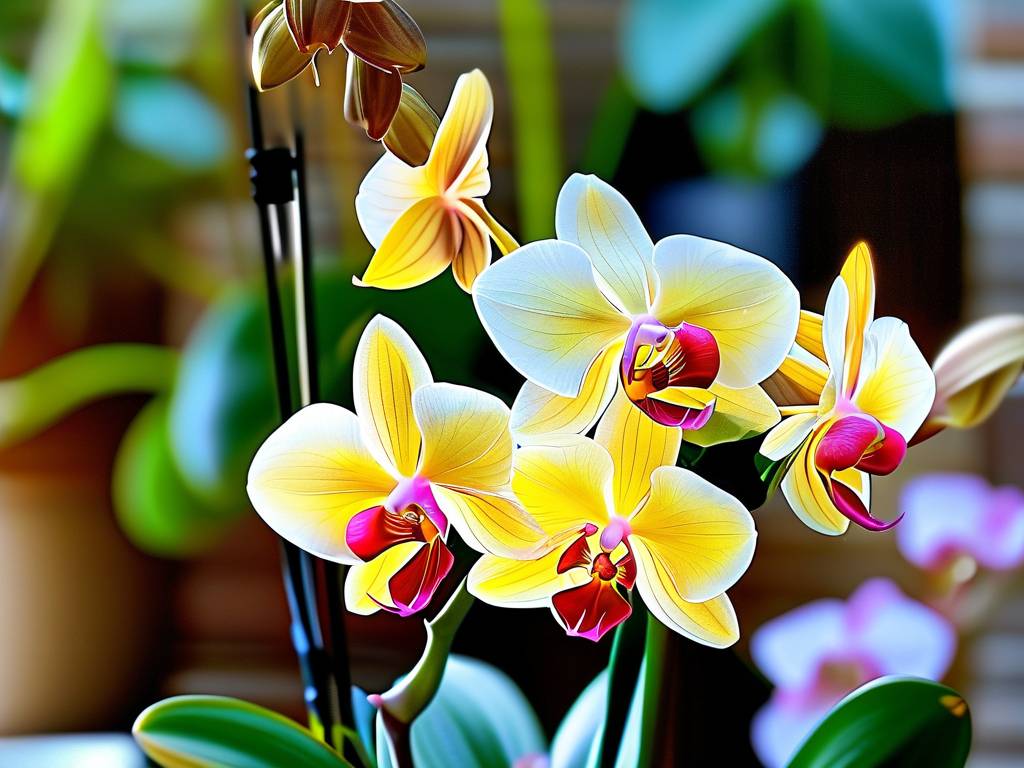
For growers in particularly cold homes or regions, supplemental warmth can be a game-changer. Waterproof seedling heating mats placed under the orchid’s pot can gently raise the root zone temperature by 5-10°F above ambient room temperature. This provides the “warm feet” Phalaenopsis roots crave, stimulating activity and preventing cold, soggy medium conditions that lead to root rot.
Pair this with a humidity tray. Fill a shallow tray with pebbles and water, placing the pot on top (ensuring it never sits in the water). As the water evaporates, it increases local humidity. The gentle warmth from a mat below can enhance this evaporation, creating a perfect, warm-humid pocket around your plant. This directly addresses the dry air from central heating, a key factor in leaf tip desiccation and stress.
Adjusting Your Watering Routine for Winter
Overwatering is the most common killer of orchids in winter. With cooler temperatures and lower light, the potting medium takes much longer to dry out, and the plant’s water consumption decreases.
The golden rule: water only when the potting medium is nearly dry. For moss, wait until it feels dry to the touch on top and slightly crispy. For bark, wait until it feels dry and the pot feels light. Always water thoroughly in the morning, allowing excess water to drain completely. Never let the pot stand in water. This adjusted schedule prevents root suffocation and rot, which are primary, albeit indirect, causes of yellow leaves.
Optimizing Light Exposure During Shorter Days
While warmth is our focus, light remains crucial for energy production. Winter days are shorter and often grayer. Maximize available light by placing your orchid in a bright spot. A south or east-facing window is ideal. If natural light is insufficient, consider supplementing with a full-spectrum LED grow light placed 12-18 inches above the plant for 10-12 hours a day. Adequate light ensures the plant can photosynthesize efficiently, supporting strong leaves and providing the energy reserves needed for blooming.
The Critical Link Between Warmth, Feeding, and Bloom Initiation
Fertilization needs a winter shift. During the active growing season (spring-fall), a balanced fertilizer is used. In winter, if your plant is not actively growing or spiking, you can reduce feeding to half-strength once a month or pause altogether. However, once you notice a flower spike emerging, resume light feeding with a bloom-booster fertilizer (higher in phosphorus) to support development. Remember, a warm root system is essential for nutrient uptake. A cold plant cannot effectively use fertilizer, which can then build up and harm the roots.
Recognizing and Troubleshooting Yellow Leaves
Not all yellow leaves are a crisis. It’s natural for the oldest, bottom leaf to occasionally yellow and fall off as the plant grows. However, multiple leaves yellowing rapidly, especially if accompanied by mushiness or black spots, signals trouble.
- Cold Damage: Yellowing that starts at the leaf tips or edges and moves inward, often on leaves closest to a cold window.
- Overwatering/Root Rot: Generalized yellowing, often starting with lower leaves, paired with a soggy medium and possibly a foul smell. The leaves may feel limp or leathery.
- Underwatering: Leaves appear wrinkled, leathery, and may yellow, but the medium is bone dry.
Address the environmental cause first—adjust temperature and watering. If root rot is suspected, you may need to unpot the plant, trim away black, mushy roots, and repot in fresh medium.
Pre-Bloom Spike Care and Winter Flowering
If you’ve successfully provided stable winter warmth, your Phalaenopsis may initiate a flower spike in late fall or winter. These spikes emerge from the base of the plant, between the leaves, and have a distinctive flattened, mitten-shaped tip.
Once the spike appears, continue your warm, stable care. Avoid rotating the plant, as the spike will grow toward the light source. Stake the spike gently when it’s about 6 inches long for support. Maintain consistent watering and light. The slight drop in nighttime temperature you’ve provided (aim for a 10-15°F difference between day and night) is the natural trigger that encourages spiking, but once buds form, avoid any cold drafts to prevent bud blast.
My orchid’s leaves are wrinkled and yellowing. Is it thirsty or cold? This can be tricky. First, check the potting medium. If it’s sopping wet and the roots look brown/mushy, it’s likely overwatering/root rot exacerbated by cold. If the medium is extremely dry and the roots are silvery-gray, it’s severe underwatering. Cold damage often presents with localized yellowing on the side facing the cold source. Assess the plant’s location and watering history to diagnose.
What is the absolute minimum temperature for a Phalaenopsis? Prolonged exposure to temperatures below 60°F (15°C) is risky and can halt growth and spiking. Temperatures dipping near 50°F (10°C) can cause direct cold damage, leading to leaf pitting, yellowing, and bud drop. For optimal health and blooming, maintain nighttime temperatures above 65°F (18°C) if possible.
Can I use a regular room humidifier instead of a tray? Absolutely. A room humidifier is often more effective for raising ambient humidity, especially in large or very dry spaces. Aim for a humidity level between 40-60%. This benefits both your orchids and your own comfort. Just ensure your orchid isn’t in the direct path of the humidifier’s mist stream.
Providing the right winter warmth transforms Phalaenopsis care from a struggle into a simple, rewarding routine. By focusing on stable temperatures, adjusted watering, and adequate light, you directly combat the causes of yellow leaves. This proactive care doesn’t just solve immediate problems; it builds the plant’s strength. When an orchid feels secure in its environment—warm, humid, and stable—it responds with the growth we cherish: robust green leaves and the graceful, enduring flower spikes that make all the effort worthwhile. Your winter vigilance is the direct investment in its springtime spectacle.