bluename
 How to Care for Schlumbergera - Winter Warmth for More Blooms
You’ve nurtured your Schlumbergera, also known as Christmas or holiday cactus, all year, eagerly awaiting its spectacular winter bloom. But as the days shorten, instead of a cascade of vibrant flowers, you’re met with sparse buds or, worse, none at all. This common frustration often stems from one misunderstood factor: winter care. Contrary to its tropical appearance, the Schlumbergera’s blooming cycle is intimately tied to specific seasonal cues, particularly temperature and light. Mastering the art of providing the right winter warmth—not too much, not too little—is the secret key to unlocking a breathtaking floral display. This guide will walk you through the precise steps to transform your Schlumbergera into a winter blooming marvel.
Understanding the Schlumbergera’s Natural Rhythm
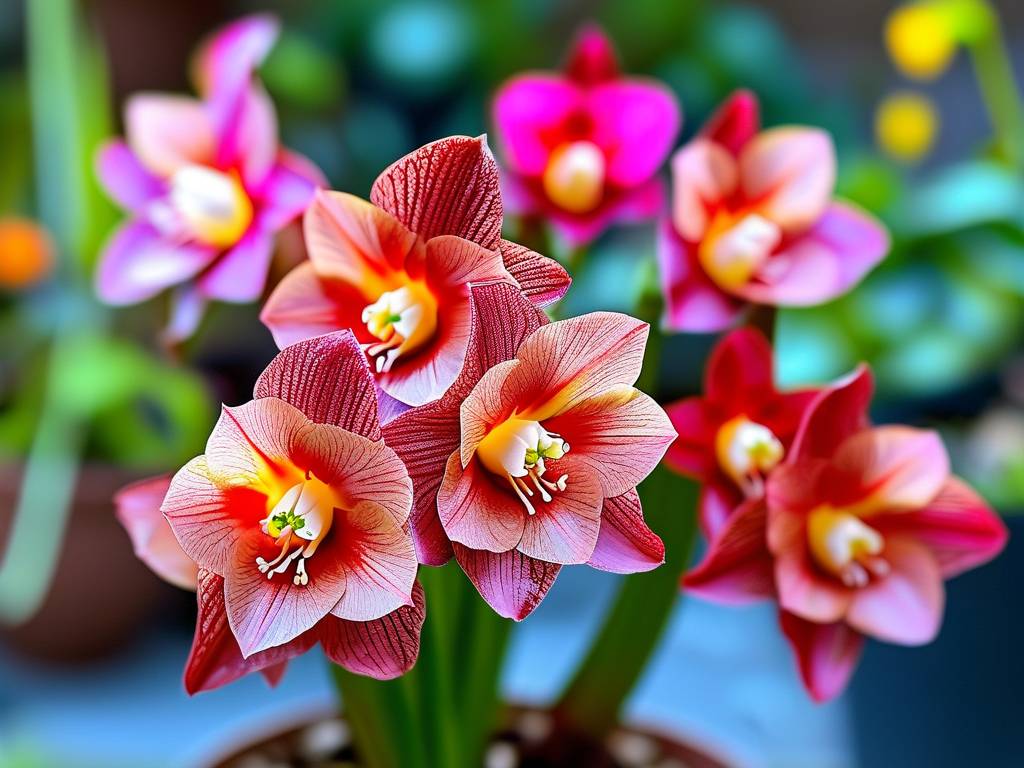
To care for a Schlumbergera effectively, we must first respect its origins. Native to the coastal mountains of southeast Brazil, these epiphytic cacti grow in shaded, humid forests, nestled in tree branches. Their blooming period is triggered by the cooler temperatures and longer nights of the Southern Hemisphere autumn, which corresponds to our fall and winter. This intrinsic biological clock means that replicating these conditions in your home is not just helpful—it’s essential for prolific blooming. The Royal Horticultural Society (RHS) notes that successful flowering relies on a period of rest with specific environmental triggers.
The Core Pillars of Winter Care for Spectacular Blooms
Achieving a magnificent bloom boils down to mastering three interconnected elements: temperature management, light exposure, and adjusted watering and feeding. Neglecting any one of these can interrupt the delicate budding process.
Providing the Perfect Winter Warmth
The phrase “winter warmth” might seem contradictory, but for Schlumbergera, it’s about finding a precise, cool sweet spot. This is the most critical factor for bud formation.
- The Ideal Temperature Range: From late fall through winter, your Schlumbergera needs a consistent temperature between 50°F and 60°F (10°C to 15°C). This cool period should last for about 6-8 weeks. A common mistake is keeping the plant in a constantly warm living room. Excessive heat, especially above 70°F (21°C), will signal the plant to continue vegetative growth instead of initiating flowers.
- Avoiding Temperature Shocks: Stability is key. Drastic fluctuations, such as hot blasts from heaters or cold drafts from windows and doors, can cause the plant to drop its precious buds. Place your plant in a location away from direct heat sources, air vents, and drafty corridors.
- Utilizing Your Home’s Microclimates: Often, the perfect spot is a slightly cooler bedroom, a north-facing room, or even a bright, enclosed porch that stays above freezing. The American Horticultural Society (AHS) emphasizes that a distinct drop in night temperature is a primary natural trigger for flowering in many plants, including Schlumbergera.
Mastering Light and Darkness for Bud Set
Light is the second part of the environmental trigger. Schlumbergera is a short-day plant, meaning it requires longer periods of uninterrupted darkness to set buds.
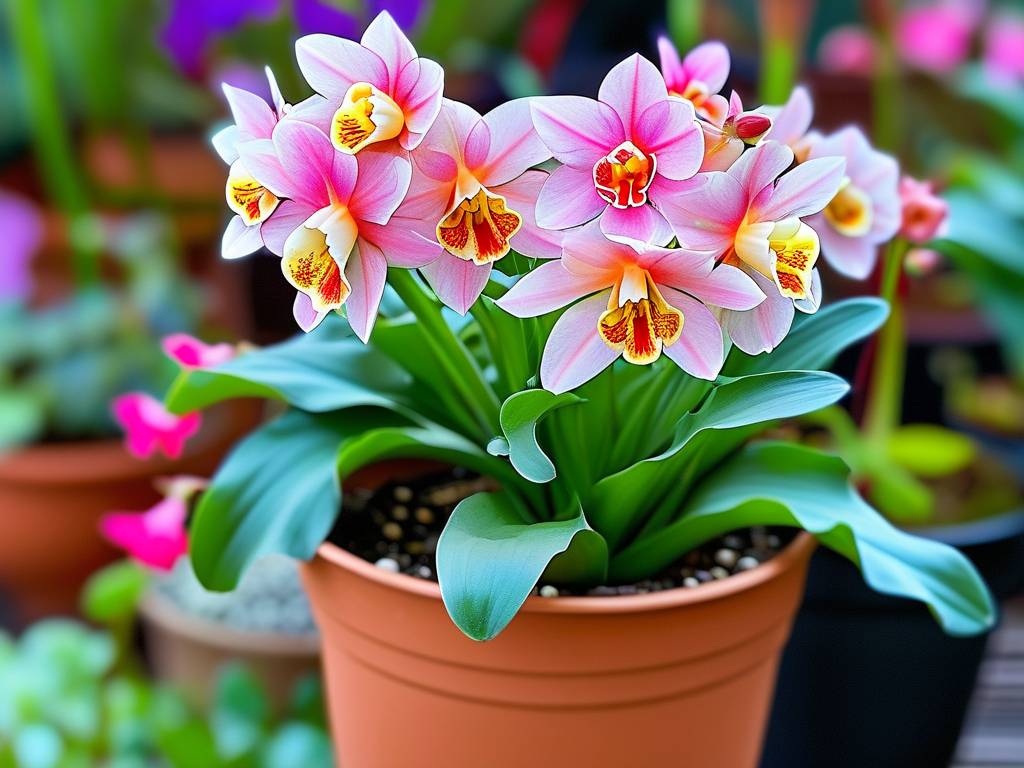
- The Critical Dark Period: Starting in early fall, ensure your plant receives 12-14 hours of complete darkness each night for 6-8 weeks. Even brief exposure to artificial light from a lamp or streetlamp can disrupt this cycle.
- Practical Light Management: An easy method is to place the plant in a spare room that isn’t used at night. Alternatively, you can cover it with a dark cloth or box from early evening until morning. During the day, provide bright, indirect light. An east or north-facing window is ideal. Direct winter sun is usually acceptable, but avoid harsh, hot afternoon sun through a south-facing window.
Watering and Feeding for Winter Health
As growth slows in response to cooler temperatures and lower light, your plant’s needs change dramatically.
- The Winter Watering Shift: Reduce watering significantly during the bud formation and blooming period. Allow the top inch of the soil to dry out completely between waterings. The cooler soil temperatures mean moisture evaporates much more slowly, and overwatering is the fastest route to root rot and bud drop. Always use room-temperature water.
- Halting Fertilization: Stop all fertilization in late summer. Do not fertilize during the fall and winter rest period. Fertilizing during this time can encourage new leaf growth at the expense of flowers. Resume a balanced, half-strength fertilizer only after the blooming cycle has completely finished, typically in late winter or early spring.
Troubleshooting Common Winter Blooming Problems
Even with careful care, issues can arise. Here’s how to address them.
- Bud Drop: This is the most frequent complaint. The primary culprits are sudden changes in temperature or light, overwatering, or physically moving the plant once buds have formed. Find a suitable spot and leave it there for the season.
- No Buds at All: This typically indicates the plant did not receive its necessary cool, dark rest period. Ensure it experienced 6-8 weeks of temperatures between 50-60°F with long nights. Also, a plant that is too pot-bound may sometimes focus energy on roots over blooms.
- Red or Purple Tinge on Leaves: A slight reddening is normal in response to cool temperatures and bright light. However, intense or widespread discoloration can indicate excessive direct sun, nutrient deficiency, or, more commonly, root stress from overwatering or poor drainage.
Post-Bloom Care for Long-Term Vitality
Once the final flower fades, your care shifts to rebuilding the plant’s strength for the next year.
- Gentle Pruning and Maintenance: You can gently pinch or twist off a few segments to encourage a bushier growth habit. This is also a great time to take cuttings for propagation if desired.
- The Spring and Summer Regime: Move the plant to a spot with consistent, warmer temperatures and bright, indirect light. Resume regular watering and begin a monthly feeding schedule with a balanced fertilizer. This is its active growing phase.
Frequently Asked Questions
Why are the buds on my Christmas cactus falling off before they open? Bud drop is almost always due to environmental stress. The most likely reasons are a sudden change in location (temperature or light), overwatering, or exposure to drafts. Ensure the plant is in its permanent, cool, draft-free spot for the season and check your watering habits.
Can I use artificial grow lights for my Schlumbergera in winter? Yes, but with caution. During the fall bud-setting period, you must still ensure the 12-14 hour dark period. Use a timer for the grow lights to mimic natural short days. During the dark period, the plant must have zero light exposure.
How cold is too cold for a holiday cactus? While Schlumbergera appreciates cool temperatures, it cannot tolerate frost. Prolonged exposure to temperatures below 40°F (4°C) can damage the plant. Keep it in a location that stays reliably above 45°F (7°C) to be safe. The ideal blooming trigger range of 50-60°F is perfect for encouraging flowers without risking cold injury.
Caring for a Schlumbergera to achieve a stunning winter bloom is a rewarding practice in understanding plant physiology. By faithfully providing that crucial period of cool winter warmth, managed darkness, and restrained watering, you work in harmony with its natural cycle. The result is not merely a plant that survives the season, but one that celebrates it with an exuberant, colorful performance, turning your careful attention into a living bouquet. Remember, consistency in its autumn and winter environment is the greatest gift you can give this remarkable holiday classic.