bluename
 How to Care for Bougainvillea - Winter Warmth to Avoid Frost Damage
Seeing your vibrant bougainvillea succumb to winter’s chill is a heartbreaking sight for any gardener. Those brilliant bracts that once cascaded with color can turn brown and brittle overnight, leaving you wondering if your beloved plant will survive. The key to preventing this lies in understanding how to provide effective winter warmth and protection against frost damage. This guide will walk you through every essential step, from pre-winter preparation to spring revival, ensuring your bougainvillea not only survives but thrives.
Understanding Bougainvillea’s Cold Sensitivity
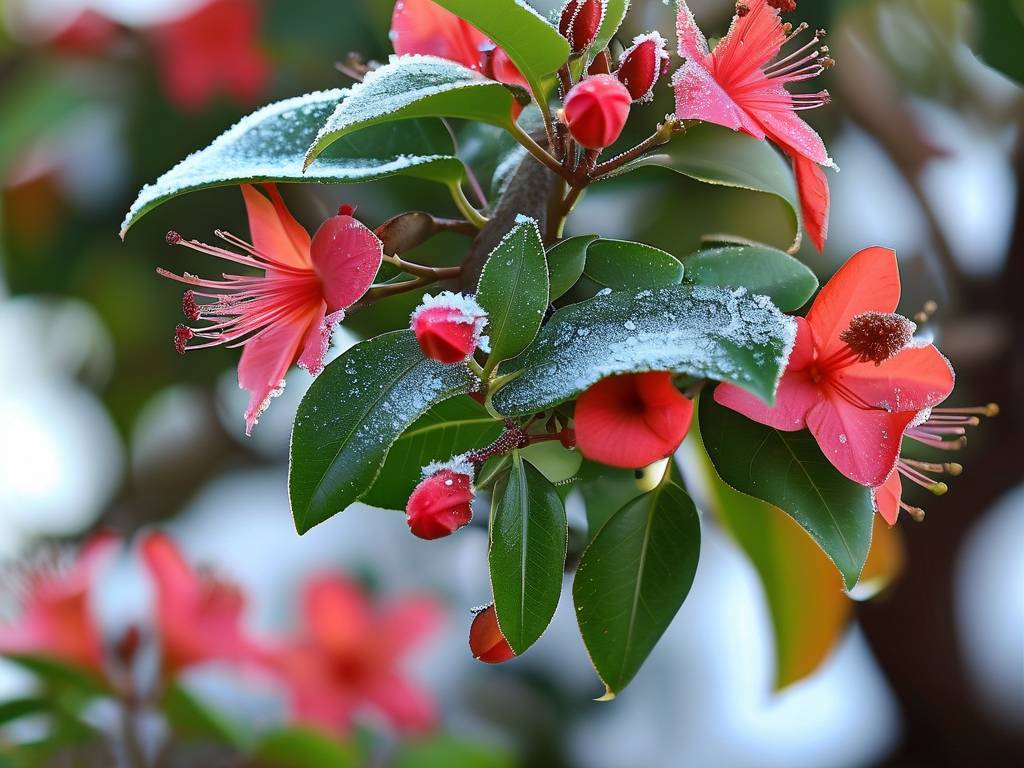
Bougainvilleas are tropical and subtropical plants, thriving in warm, sunny climates. They are not frost-tolerant. Even a light frost can damage tender new growth, while a hard freeze can kill the plant back to its roots or be fatal. The American Horticultural Society’s Plant Heat-Zone Map, alongside the familiar hardiness zones, highlights this sensitivity, classifying bougainvillea as suitable only for the warmest regions without protection.
Recognizing the signs of cold stress early is crucial. Initial symptoms include wilting or drooping leaves and bracts, even if the soil is moist. As damage progresses, leaves may turn black or brown, and stems can become soft and mushy. Proactive care for bougainvillea in winter is far more effective than attempting to rescue a severely damaged plant.
Pre-Winter Preparation: Building Resilience
The journey to avoid frost damage begins long before the first forecast of freezing temperatures. A healthy, well-prepared plant enters the dormant season with much greater strength.
First, adjust your feeding schedule. Stop applying high-nitrogen fertilizers in late summer. Nitrogen promotes tender, leafy growth that is highly susceptible to cold injury. Instead, a final feeding with a potassium-rich fertilizer in early fall can help harden off the stems and improve overall plant resilience.
Next, master the pruning timeline. Major shaping or hard pruning should be done in late summer or very early fall. This allows any new growth stimulated by the cut time to mature and harden before cold arrives. As RHS (Royal Horticultural Society) experts advise, avoid heavy pruning in late fall, as fresh cuts are vulnerable entry points for cold damage.
Finally, ensure optimal hydration. A deep, thorough watering before the ground freezes is vital. Well-hydrated plant cells are more robust and slightly more resistant to freeze injury than drought-stressed tissues.
Protective Strategies for In-Ground Bougainvilleas
If your bougainvillea is planted in the ground in a marginally cold area, you have several effective options for providing winter warmth.
The most critical step is to mulch heavily. Apply a thick 3 to 4-inch layer of organic mulch, such as pine bark, straw, or shredded leaves, over the root zone. This blanket insulates the soil, buffers temperature swings, and protects the vital root system—the key to the plant’s regeneration. Pull the mulch a few inches away from the main stem to prevent rot.
For the plant’s upper structure, create a protective frame. Use stakes to build a simple cage around the plant. When a frost or freeze is predicted, drape this frame with breathable fabric like frost cloth, burlap, or even an old blanket. Avoid using plastic sheeting directly on the foliage, as it can trap moisture and intensify cold damage. Remember to remove the coverings once temperatures rise above freezing during the day.
In areas with consistent but mild winter chill, consider using outdoor-rated holiday lights (incandescent or LED) strung within the canopy. The slight warmth they emit can make a significant difference in a sheltered microclimate.
Overwintering Potted Bougainvilleas Indoors
For gardeners in colder zones, growing bougainvillea in containers is the most practical strategy. This allows you to move the plant to a sheltered location.
The goal is to find a cool, bright spot. An unheated garage, basement with windows, or a cool sunroom is ideal. The temperature should be consistently between 40-50°F (4-10°C). This cool period is a natural dormancy that benefits the plant. It will likely drop most of its leaves—this is normal. Water sparingly during this time, just enough to prevent the roots from completely drying out, as overwatering in dormancy is a leading cause of death.
If a bright, cool space isn’t available, you can keep it in a warmer living area, but it will require more care. Place it in the sunniest window possible. You may see less leaf drop, but be vigilant for pests like spider mites, which thrive in dry, indoor air. Humidity trays and occasional misting can help.
Emergency Care During a Surprise Frost
Sometimes, despite forecasts, a sudden frost catches us off guard. If you were unable to cover an in-ground plant, wait until the daytime temperatures have warmed up to assess the damage. Do not prune immediately. The damaged, blackened foliage actually provides a small amount of insulation for the stems beneath against subsequent frosts.
Wait until the danger of frost has fully passed and you see new growth emerging in spring. Then, prune back to live, green wood. For a potted plant left outside, move it to a protected location immediately, even if damage is visible. The same “wait-and-see” approach applies before pruning.
Spring Awakening: Reviving After Winter
As daylight increases and temperatures consistently stay above 50°F (10°C) at night, it’s time to revive your bougainvillea.
Begin by gradually increasing water as new growth appears. Resume regular fertilization with a balanced, slow-release formula once the plant is actively growing. For potted plants, acclimate them slowly to outdoor conditions over 7-10 days, increasing sun exposure incrementally to avoid sunscald on tender new leaves. This careful transition is the final, crucial step in successful bougainvillea winter care.
My bougainvillea looks completely dead after winter. Is it gone? Do not despair. Bougainvilleas are remarkably resilient from their roots. Wait until late spring to be sure. If no new shoots emerge from the base, gently scrape a small section of bark on a main stem. If you see green underneath, it’s still alive. Prune back the dead material to where you find live tissue, and be patient.
What is the absolute lowest temperature a bougainvillea can survive? This depends on duration, humidity, and plant health. A mature, established plant in dry soil may withstand a very brief dip to 28-30°F (-2 to -1°C) with significant top damage but root survival. However, prolonged exposure to temperatures below 32°F (0°C), or any exposure for young plants, will likely cause severe damage or death. Providing winter warmth is non-negotiable outside frost-free zones.
Can I just bring my potted bougainvillea into my warm living room for winter? While possible, it’s not ideal. Consistently warm, low-light indoor conditions can force weak, leggy growth and make the plant prone to pests. A cooler, dormant period is healthier. If you must keep it warm, ensure it receives several hours of direct sunlight daily and monitor humidity and pests closely.
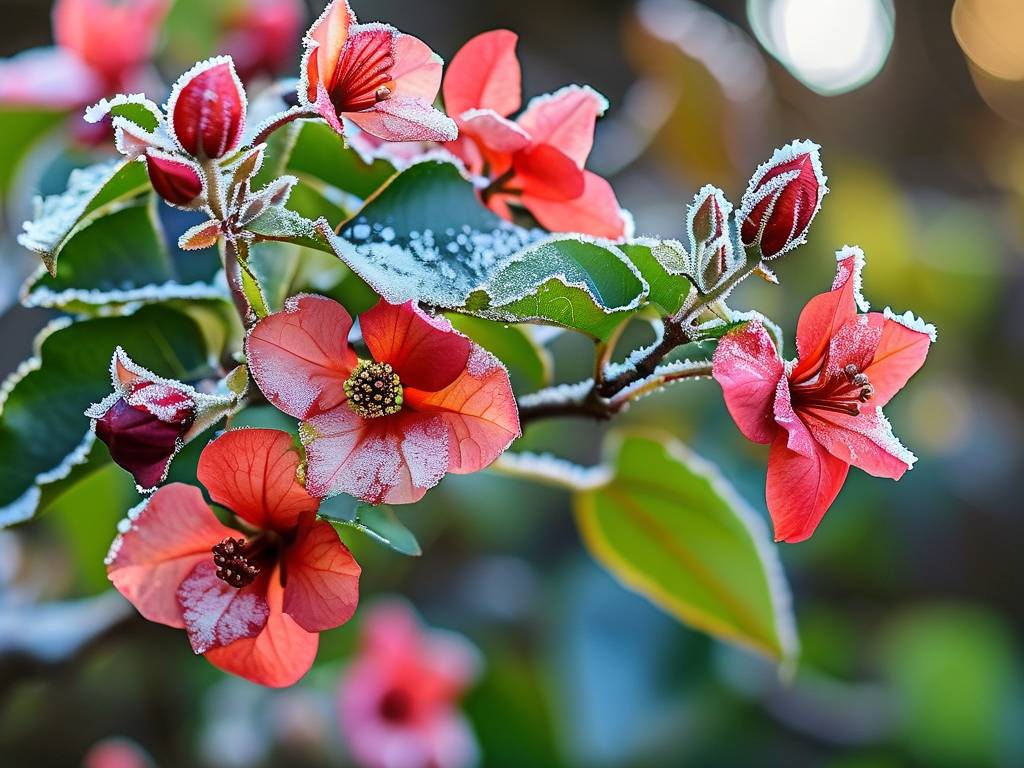
Successfully caring for bougainvillea through winter hinges on foresight and understanding its needs. From the strategic pre-fall preparations to the tailored protection of in-ground specimens or the managed dormancy for potted ones, each action builds a defense against the cold. By recognizing early signs of stress and executing a thoughtful spring revival, you safeguard the spectacular display that makes this plant so cherished. With these practices, the vibrant return of your bougainvillea’s color will be a reliable reward each and every year.