bluename
 How to Care for Jasmine - Winter Warmth to Prevent Leaf Drop & Survive Cold
Watching your beloved jasmine plant, once lush and fragrant, begin to shed its leaves as temperatures drop is a heart-wrenching experience for any gardener. This leaf drop is more than just an aesthetic issue; it's a distress signal, a clear sign that your plant is struggling to survive the cold. The key to overcoming this seasonal challenge lies in understanding and implementing proper winter care. This comprehensive guide will walk you through every essential step, from creating a protective microclimate to adjusting your watering routine, ensuring your jasmine not only survives the winter but emerges healthy and ready for a vibrant spring bloom. Mastering how to care for jasmine in winter is the definitive solution to prevent leaf drop and ensure your plant thrives year after year.
Understanding Jasmine's Cold Sensitivity
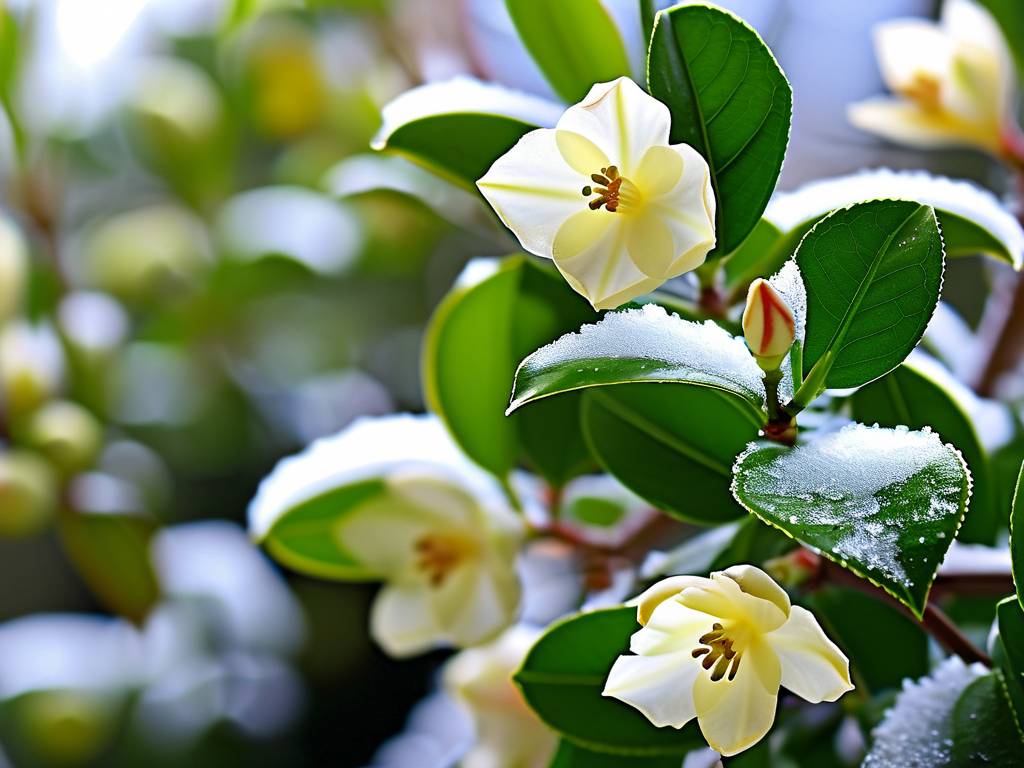
Not all jasmine varieties are created equal when it comes to cold tolerance. Common star jasmine (Trachelospermum jasminoides) can handle brief dips to around 10°F (-12°C) when established, while the popular Arabian jasmine (Jasminum sambac) is far more tender, suffering damage below 40°F (4°C). This fundamental difference dictates your winter strategy. Leaf drop is the plant's primary defense mechanism against cold. As temperatures fall, the plant reduces water uptake from the roots. However, water continues to evaporate from the leaves (transpiration), creating an internal deficit. To conserve moisture and prevent fatal dehydration, the plant sacrificially sheds its leaves. Therefore, the goal of winter care is to minimize this stress and protect the plant's core structure.
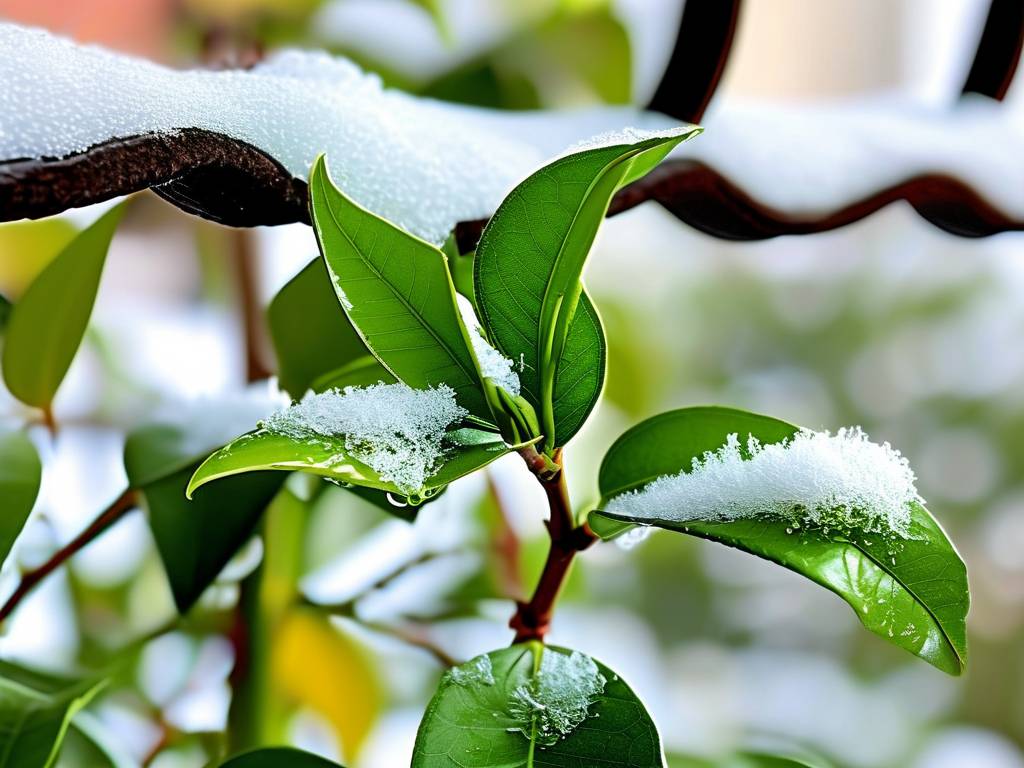
Creating the Ideal Winter Environment
The single most important factor in preventing cold damage is controlling the temperature around your jasmine plant. Your approach will depend on whether your plant is in the ground or in a container.
For Potted Jasmine Plants: The Indoor Transition Potted jasmines have the advantage of mobility. The goal is to bring them indoors before the first frost. Don't wait for a hard freeze; act when nighttime temperatures consistently hover around 45°F (7°C).
- Acclimatization is Key: Avoid shocking your plant with a sudden change. Gradually introduce it to lower light conditions over 7-10 days before the final move indoors.
- Choosing the Right Indoor Spot: Place your jasmine in a cool, bright location. An unheated sunroom, a bright garage window, or a south-facing room that stays cool (ideally between 40-60°F or 4-15°C) is perfect. According to the Royal Horticultural Society (RHS), a cool, frost-free greenhouse or conservatory is the ideal overwintering environment for tender jasmines, as it provides ample light without excessive heat.
- Avoid Heat Sources: Keep plants away from radiators, heating vents, and fireplaces. The dry, hot air will rapidly desiccate leaves and encourage pests like spider mites.
For Garden-Planted Jasmine: Outdoor Protection Established, hardy jasmine varieties in the garden still need a helping hand.
- Mulch is Your Best Friend: Apply a thick, 3-4 inch layer of organic mulch (like bark chips, straw, or pine needles) around the base of the plant. This acts as an insulating blanket, protecting the roots from freeze-thaw cycles and retaining soil moisture. The American Horticultural Society's Heat-Zone Map guidelines emphasize that mulch is critical for protecting root zones in variable winter climates.
- Create a Windbreak: Cold, drying winds exacerbate moisture loss. Use burlap screens or plant blankets to shield the plant on windy sides. Erecting a simple frame around the plant and draping it with horticultural fleece on particularly cold nights can trap warmth radiating from the soil.
- Utilize Microclimates: If possible, plant jasmine in a sheltered location, such as against a south- or west-facing wall, which absorbs daytime heat and radiates it at night.
The Critical Winter Watering Balance
Overwatering is the most common killer of jasmine in winter. The plant's growth has dramatically slowed or halted, meaning its water requirements are minimal.
- The "Finger Test" Rule: Always check the soil moisture before watering. For potted plants indoors, insert your finger about 2 inches into the soil. Water only when the top few inches feel completely dry. This might mean watering only once every 2-4 weeks.
- Reduce Frequency, Not Necessarily Quantity: When you do water, water thoroughly until it runs out of the drainage holes, ensuring the entire root ball is moistened. Then, allow it to dry out significantly before the next watering.
- For Outdoor Plants: Rely mostly on natural rainfall. Water deeply only during prolonged dry spells when the ground is not frozen. Soggy, cold soil leads directly to root rot.
Light, Humidity, and Fertilization Adjustments
Winter care involves a complete shift in your plant's supporting needs.
- Maximize Available Light: Even in dormancy, jasmine needs light. Place indoor plants in the brightest window possible. A south-facing exposure is ideal. Rotate the pot periodically for even growth.
- Combat Dry Indoor Air: Heated indoor air has very low humidity, which stresses tropical plants. Increase humidity by placing the pot on a pebble tray filled with water (ensuring the pot sits above the water line) or by grouping plants together. A occasional light misting can help, but avoid wetting the foliage excessively.
- Halt All Fertilization: Do not fertilize your jasmine from late fall through winter. Fertilizing stimulates new, tender growth that is highly susceptible to cold damage and weakens the plant's overall hardiness. Resume feeding only in early spring when you see signs of new growth.
Post-Winter Recovery and Spring Awakening
As daylight increases and temperatures begin to warm in late winter or early spring, your jasmine will show signs of life.
- Prune Strategically: In early spring, before new growth surges, prune away any dead, damaged, or diseased branches. This encourages bushier growth and improves air circulation. You can also shape the plant at this time.
- The Gradual Move Back Outdoors: Reverse the acclimatization process. Once all danger of frost has passed, gradually move potted plants back outside over 10-14 days, starting with a few hours of shade and slowly increasing exposure to sun and wind.
- Resume Regular Care: Begin a regular watering schedule as growth accelerates and apply a balanced, water-soluble fertilizer to support flowering.
Frequently Asked Questions
My jasmine lost all its leaves over winter. Is it dead? Not necessarily. Scratch a small section of bark on a main stem with your fingernail. If you see green underneath, the plant is still alive. Be patient, maintain sparse watering, and place it in bright light. It may resprout from the roots or stems in spring. Avoid the temptation to overwater, which will finish off a struggling plant.
Can I use a plastic cover to protect my outdoor jasmine? Use breathable materials like horticultural fleece or burlap instead of solid plastic. Plastic can trap excessive moisture against the plant, promoting fungal diseases, and on sunny days, it can create an oven-like effect that cooks the plant. Breathable fabric protects while allowing for air exchange.
When is the right time to repot my jasmine? Early spring, as the plant exits dormancy, is the ideal time. If you see roots circling the bottom of the pot or growing out of the drainage holes, it's time to move to a container only 1-2 inches larger in diameter. Use a well-draining potting mix. Repotting in fall or winter can shock the plant when it's at its weakest.
Successfully nurturing jasmine through the colder months is a testament to attentive gardening. By proactively managing temperature, radically adjusting watering, and providing the right light and humidity, you directly address the causes of winter leaf drop. This seasonal shift in care is not a setback but a crucial cycle in your jasmine's long-term health. The reward for this diligence is a resilient plant that will repay your efforts with vigorous growth and an abundance of its signature, fragrant blossoms when warmer days return. Remember, the goal is not just survival, but setting the stage for a spectacular spring performance.