bluename
 How to Care for Gardenia - Winter Warmth to Avoid Frost & Boost Next Year Blooms
The sight of a frost-nipped gardenia is a heartbreak for any gardener. One cold snap can turn glossy, dark green leaves into a sad, brown, and wilted mess, seemingly undoing a year of careful nurturing. But here's the secret: winter isn't just about survival for your gardenia; it's a crucial dormancy period that sets the stage for next year's spectacular, fragrant blooms. Mastering how to care for gardenia in winter by providing essential warmth and protection is the single most important factor in avoiding frost damage and ensuring a vigorous bloom cycle come spring. This guide will walk you through practical, step-by-step strategies to shield your prized shrubs from the cold's bite and prime them for a breathtaking floral display.
Understanding Your Gardenia's Winter Needs
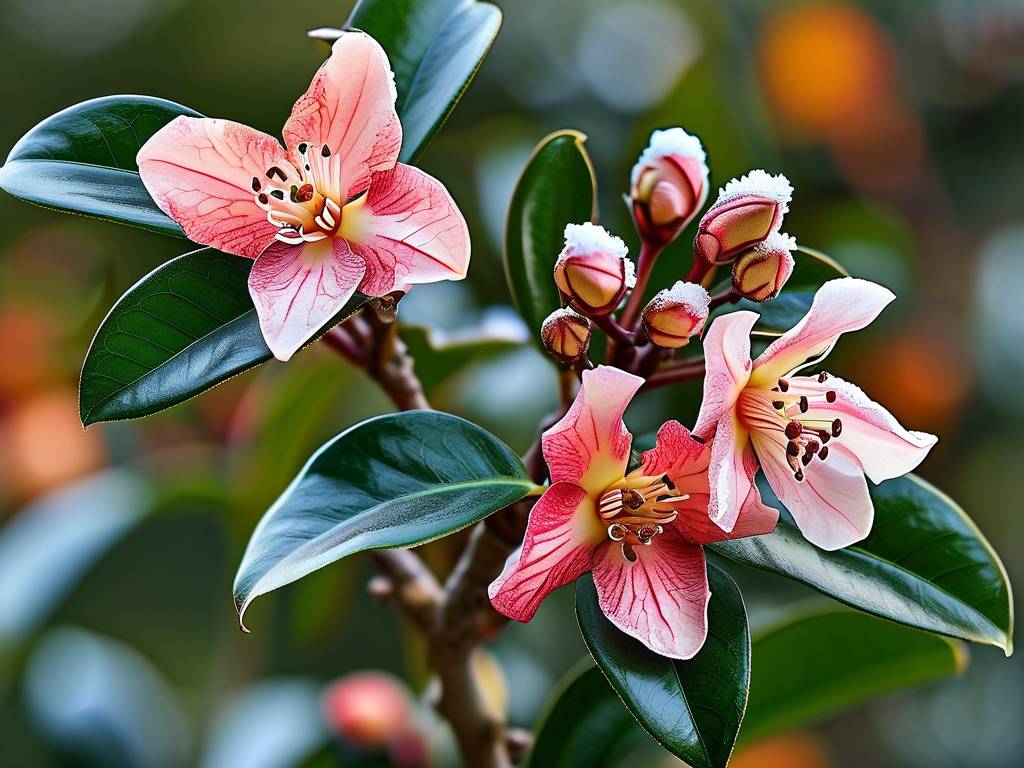
Gardenias (Gardenia jasminoides) are evergreen shrubs that thrive in warmth and humidity. They are typically hardy in USDA zones 7 through 10, but even within these zones, unexpected frosts and freezing winds pose a significant threat. Winter care isn't merely reactive; it's a proactive process that begins long before the first frost warning. The goal is to moderate soil temperature, shield the plant from desiccating winds, and maintain a stable environment that prevents the plant from experiencing severe thermal shock. According to the American Horticultural Society (AHS), the root zone is particularly vulnerable. Protecting the roots is paramount, as damage here can compromise the entire plant's ability to uptake water and nutrients in the growing season.
Pre-Winter Preparation: Setting the Stage for Success
The foundation for successful winter protection is laid in the late summer and early fall. A healthy, well-fed, and properly hydrated gardenia enters dormancy much stronger and is infinitely more resilient.
Cease Fertilization by Late Summer. Stop applying high-nitrogen fertilizers by late August. Nitrogen promotes tender, new growth that is highly susceptible to cold injury. You want your plant to focus on hardening off existing growth, not producing soft, vulnerable shoots.
Conduct a Gentle Late-Season Pruning. Only perform light, shaping pruning in early fall. Remove any dead, diseased, or crossing branches to improve air circulation. Avoid heavy pruning, as this can stimulate new growth. Save major structural pruning for late winter or early spring, just before new growth emerges.
Ensure Deep Hydration Before the Ground Freezes. A well-watered plant is more cold-tolerant. In the weeks leading up to the first hard freeze, water your gardenia deeply if rainfall has been scarce. Moist soil retains heat far better than dry soil, providing a warmer buffer for the roots.
Core Strategies for Providing Winter Warmth and Frost Avoidance
The specific tactics you employ depend largely on whether your gardenia is planted in the ground or housed in a container. Container gardenias require a more intensive protection strategy.
For In-Ground Gardenias:
The cornerstone of protecting in-ground shrubs is insulating the root zone. After the first light frost but before the ground freezes, apply a thick, 3- to 4-inch layer of organic mulch around the base of the plant. Use materials like pine straw, shredded bark, or oak leaves. Pull the mulch a few inches away from the main stem to prevent rot. This layer acts like a blanket, stabilizing soil temperature and moisture.
When a hard freeze is forecast, physical barriers become essential. Create a simple tent using stakes and burlap, old blankets, or a frost cloth. Drape the material over the shrub, ensuring it extends to the ground to trap heat radiating from the earth. Never use plastic sheeting directly on the foliage, as it can magnify cold damage and cause condensation issues. For smaller shrubs, a cardboard box or specialty plant cover can work well. Remember to remove these covers during the day if temperatures moderate.
Wind can be as damaging as cold itself. If your gardenia is in an exposed location, consider erecting a burlap screen on the windward side to break the force of drying, freezing winds.
For Potted Gardenias:
Container plants are exponentially more vulnerable because their roots are exposed on all sides. The best strategy for how to care for gardenia in winter when potted is to bring it indoors. Before the first frost, transition the pot to a cool, bright location indoors, such as a sunroom, garage with windows, or a cool greenhouse. Ideal indoor winter temperatures are between 55-65°F (13-18°C). This cool period is vital for bud set.
If moving indoors isn't feasible, the next best option is to provide heavy insulation. Group potted gardenias together in a sheltered location, like against a south-facing wall. Wrap the entire pot—not just the plant—with bubble wrap, burlap, or blankets. Place the wrapped pot inside a larger container and fill the gap with straw or leaves. This multi-layer approach protects the critical root ball from freezing solid.
Monitoring and Maintenance During Dormancy
Winter care isn't a "set it and forget it" task. Periodically check on your protected plants, especially after severe weather. Gently water in-ground gardenias during prolonged dry spells in winter when the ground isn't frozen. For indoor pots, water sparingly, only when the top inch of soil is dry. The plant is dormant and requires minimal moisture. Overwatering indoors is a leading cause of root rot during this period.
Watch for pests like spider mites or scale, which can thrive in dry indoor air. A gentle spray of water on the leaves or insecticidal soap can manage minor infestations.
The Spring Transition: Unlocking Next Year's Blooms
As the danger of hard frost passes in late winter or early spring, gradually remove winter protections. Take off mulch from the crown area to allow the soil to warm. Begin acclimating indoor gardenias by placing them outside in a shaded, sheltered spot for increasing periods over 7-10 days before leaving them out permanently.
This is the time for assessment and light pruning. Snip off any clearly dead or damaged branches. Apply a specialized, acidic fertilizer formulated for gardenias and azaleas as new growth appears. This feeds the plant precisely what it needs to support the development of those prized flower buds. Consistent watering as temperatures rise is crucial for bud formation and preventing bud drop.
Expert Insights for Optimal Bloom Boosting
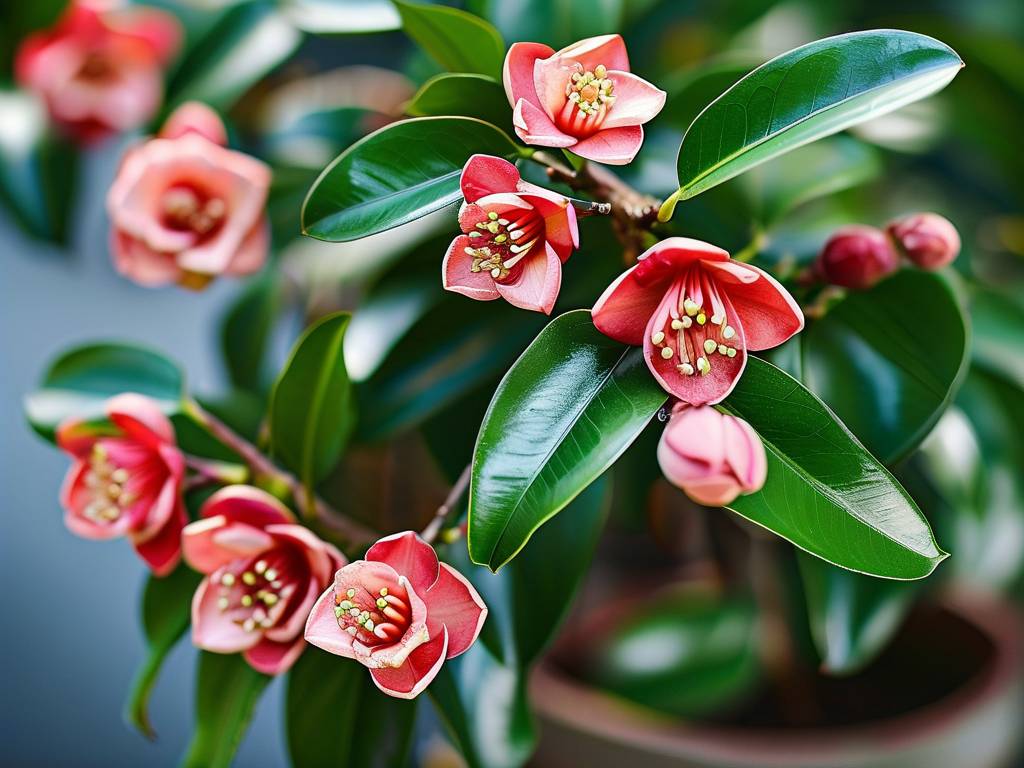
The Royal Horticultural Society (RHS) emphasizes that gardenias require a specific set of conditions to reliably set buds. They note that a consistent temperature differential between day and night during the fall, along with the cool (not cold) winter rest period, is a key environmental trigger for flowering. Stress from wide temperature fluctuations or improper watering during this critical bud development phase is a common reason for a lack of blooms.
Furthermore, maintaining acidic soil (pH between 5.0 and 6.0) is non-negotiable. An improper pH locks up essential nutrients like iron, leading to chlorosis (yellowing leaves) and poor bud development. An annual soil test can guide your amending strategy. Incorporating sulfur or using an acidifying fertilizer can help maintain the ideal pH range, directly contributing to a healthier plant and more abundant blooms.
Frequently Asked Questions
My gardenia's leaves turned black after a frost. Is it dead? Not necessarily. Scratch a small section of bark on a stem. If the tissue underneath is green, the branch is still alive. Prune back the blackened, dead foliage to live wood in spring. The plant may recover from the roots or undamaged stems, though blooming may be delayed for a season.
Can I grow gardenias in a cold climate? Yes, but as a container plant. Choose a cold-hardy cultivar if possible. The key is to provide a protected indoor environment for winter. Ensure it receives bright, indirect light and cool temperatures during its dormancy before moving it back outside after all frost danger has passed.
Why are the flower buds falling off before they open? Winter stress is a major culprit. If the plant experienced a severe freeze, bud abortion is common. Other causes include sudden temperature changes, underwatering, or overwatering during the bud formation stage, or insufficient humidity. Ensuring stable winter protection and consistent care during the spring transition minimizes this frustrating problem.
Success with gardenias through the winter months is a testament to thoughtful preparation and attentive care. By focusing on root zone insulation, creating protective barriers against frost, and managing the plant's environment—whether indoors or out—you actively shield it from harm. This protective stewardship does more than just help the plant survive; it conserves its energy and safeguards the nascent buds, setting the trajectory for a resilient and floriferous plant. When spring warmth returns, you will be rewarded not just with a healthy shrub, but with the unforgettable fragrance and pristine beauty of its prolific white blossoms, a direct result of the winter warmth and care you provided.