bluename
 How to Care for Rubber Plant - Winter Warmth to Prevent Yellow Leaves
You’ve nurtured your rubber plant (Ficus elastica) all year, only to watch in dismay as the cold months roll in and its vibrant green leaves begin to fade, droop, or turn a sickly yellow. This is the most common and frustrating winter woe for indoor gardeners. The culprit is rarely a single issue but a perfect storm of environmental changes that stress your tropical plant. This comprehensive guide is dedicated to solving that exact problem. We will focus on providing the essential winter warmth and tailored care your rubber plant craves to not just survive, but thrive through the colder season, keeping its foliage lush and preventing those alarming yellow leaves.
Understanding why this happens is the first step to fixing it. Rubber plants are native to the warm, humid tropics of Southeast Asia. Winter in most homes brings drastic shifts: dry air from heating systems, significantly less sunlight, and cold drafts from windows or doors. This combination forces the plant into a state of semi-dormancy or severe stress. Its growth slows, and its ability to support all its leaves diminishes, leading to leaf drop and discoloration. By proactively adjusting your care routine, you can mimic its preferred conditions and avoid these pitfalls.
Creating the Ideal Winter Environment: Warmth is Key
The single most important factor in how to care for rubber plant in winter is maintaining a stable, warm temperature. This goes beyond just turning up the thermostat.
Temperature and Draft Management Your rubber plant prefers temperatures between 60°F (15°C) and 75°F (24°C). Crucially, it is highly sensitive to sudden temperature drops and cold drafts. A common mistake is placing the plant near a frequently opened door or a leaky window. According to the Royal Horticultural Society (RHS), cold drafts can cause direct chilling injury to plant cells, leading to rapid leaf yellowing and drop. Similarly, keep plants away from direct heat sources like radiators, fireplaces, or heating vents. The intense, dry heat can scorch leaves and dehydrate the plant just as quickly.
Optimizing Light Exposure With shorter days, light becomes a precious commodity. Move your rubber plant to the brightest spot in your home, ideally near an east or south-facing window (in the Northern Hemisphere) where it can receive several hours of indirect sunlight. A sheer curtain can help diffuse harsh direct sun. If natural light is severely limited, consider supplementing with a grow light. Providing 6-8 hours of supplemental light can make a dramatic difference in maintaining leaf health and preventing the plant from becoming leggy as it stretches for light.
Mastering Winter Watering Techniques Overwatering is the fastest way to induce root rot and yellow leaves during winter. The plant's water consumption plummets as growth slows. The American Horticultural Society (AHA) emphasizes the "soak and dry" method as best practice. Before watering, always check the soil moisture. Insert your finger about 2 inches into the potting mix. If it feels dry, water thoroughly until it runs out of the drainage holes. Then, allow the soil to dry out almost completely before the next watering. This could mean watering only once every 3-4 weeks, depending on your home's conditions. Never let the plant sit in a saucer of standing water.
Humidity: The Invisible Shield Against Leaf Stress
Heated indoor air can have humidity levels as low as 10-20%, which is desert-like for a tropical plant. Low humidity stresses the rubber plant, causing leaf margins to turn brown and crispy and making the plant more susceptible to pests like spider mites.
Effective Humidity-Boosting Strategies
- Pebble Tray: Place your plant pot on a wide tray filled with water and pebbles, ensuring the pot's base sits above the water line. As the water evaporates, it creates a localized humid microclimate.
- Grouping Plants: Cluster your humidity-loving plants together. Their collective transpiration raises the moisture level in the immediate air around them.
- Humidifier: This is the most effective and consistent solution. Running a cool-mist humidifier near your plant collection can maintain an ideal humidity level of 40-50%.
Nutrition and Maintenance During Dormancy
Hold the Fertilizer During late fall and winter, your rubber plant is not actively growing. Feeding it fertilizer during this time can lead to a harmful buildup of salts in the soil, which can damage the roots and contribute to yellowing leaves on rubber plant. Completely cease fertilization from October until early spring, when you see signs of new growth.
Cleaning the Leaves Dust accumulation on the large, glossy leaves not only looks unsightly but also blocks precious sunlight. Gently wipe the leaves every few weeks with a soft, damp cloth. This simple act improves photosynthesis, allows you to inspect for pests, and helps the plant breathe.
Troubleshooting Specific Winter Leaf Problems
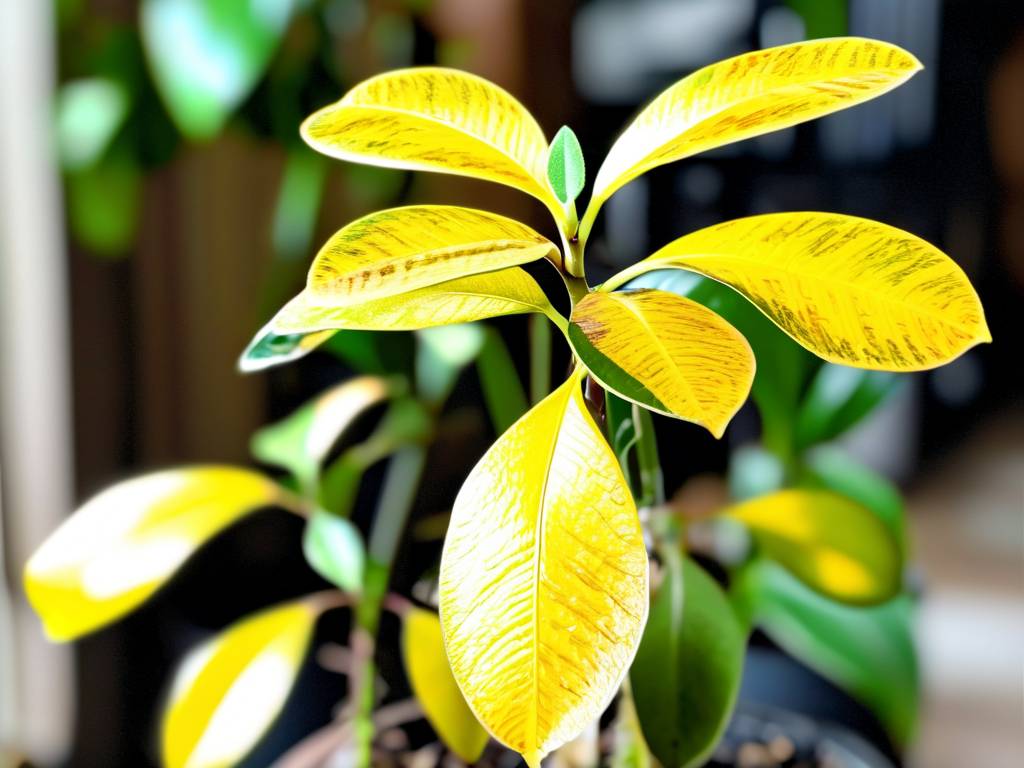
Why Are My Rubber Plant Leaves Turning Yellow? If you see yellow leaves, diagnose by process of elimination:
- Lower, Older Leaves Yellowing: This is often natural senescence, especially if it's one leaf at a time. The plant is reallocating energy.
- Multiple Leaves Yellowing, Often with Drooping: The most likely cause is overwatering. Check the soil immediately.
- Yellow Leaves with Brown Crispy Edges: This signals low humidity or underwatering (check soil to differentiate).
- Sudden, Widespread Yellowing: Think temperature shock—was it exposed to a cold draft?
What to Do with Yellow Leaves? Once a leaf has turned more than 50% yellow, it will not recover. Use clean, sharp pruning shears to cut it off at the stem. This improves the plant's appearance and directs energy to healthy growth.
My plant is near a window. Is it getting a draft? This is very common. Feel for cold air around the leaves and stems. Even a small, consistent draft from a window frame can be harmful. Move the plant a few feet away from the window, especially at night when temperatures plummet. An insulating curtain can also act as a buffer.
Should I repot my rubber plant in winter? Avoid repotting during winter unless it is an absolute emergency, such as severe root rot. Repotting is stressful and encourages new root growth, which the plant is not prepared to support in its dormant state. The best time to repot is in the spring or early summer during the active growing season.
How do I know if my plant is getting enough light in winter? Observe its growth and posture. If the stems are becoming unusually long and the space between leaves (internodes) is stretching, the plant is becoming "leggy" and needs more light. Slow or no growth is normal, but etiolation (stretching) is a clear sign. Rotate the plant a quarter turn each time you water to ensure even light exposure and prevent it from leaning toward the light source.
Caring for your rubber plant in winter is about embracing a less-is-more philosophy while being vigilant about its environment. Prioritize stable warmth, protect it from drafts, drastically reduce watering, and boost humidity. By understanding that yellow leaves are a symptom—a cry for help against the stressors of the indoor winter climate—you can diagnose and correct issues early. With these focused adjustments, you’ll provide the proper winter care for ficus elastica it needs to emerge in spring healthy, robust, and ready for a new season of growth.