bluename
 How to Care for Pachira Aquatica: Winter Water Control to Avoid Root Rot
Seeing your beloved Money Tree, or Pachira aquatica, start to droop, yellow, or drop leaves as the temperatures drop can be a heart-sinking experience. You're watering it the same as always, yet it seems unhappy. The culprit, more often than not, is not the cold itself but a silent killer thriving in the damp: root rot. Mastering winter water control for your Pachira aquatica is the single most critical skill to transition your plant from merely surviving to thriving during the colder months. This guide will walk you through exactly how to adjust your care routine to prevent overwatering and protect those precious roots.
Understanding Your Pachira Aquatica's Winter Dormancy
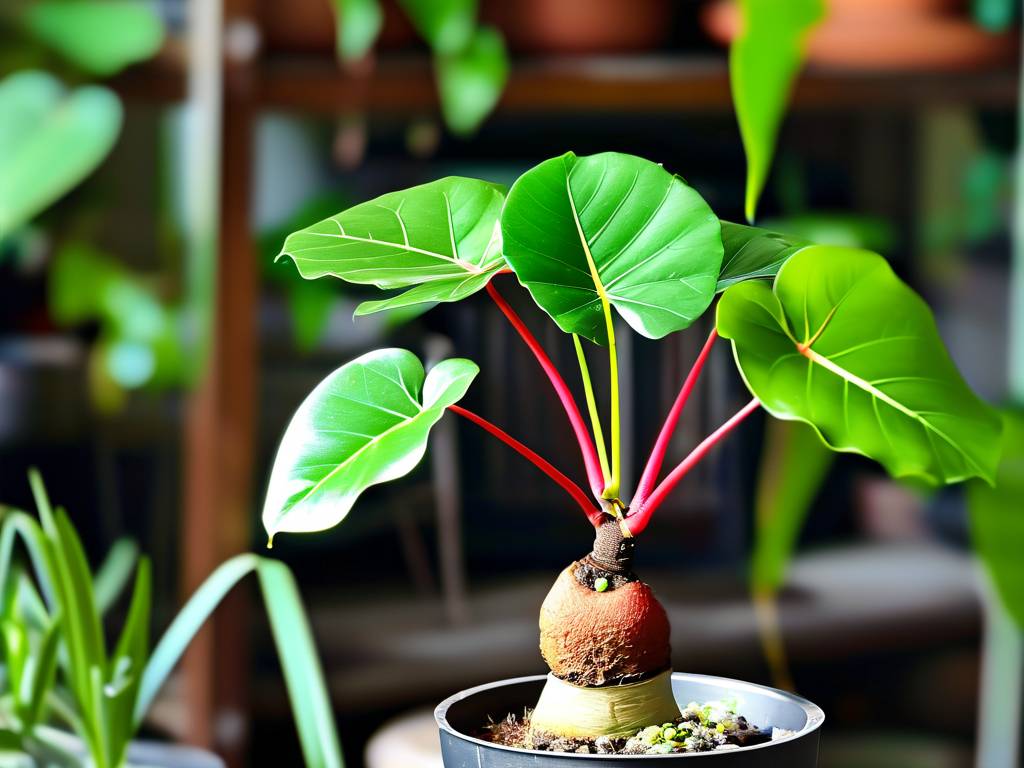
First, it's essential to shift your mindset. Your Money Tree isn't being difficult; it's following its natural biological clock. During winter, with shorter days and lower light levels, your Pachira aquatica's growth slows down significantly or enters a state of dormancy. It's not actively producing new leaves or stretching its stems. Consequently, its water consumption plummets.
The roots, sitting in cool soil, absorb moisture much more slowly. Continuing a summer watering schedule creates a soggy environment where roots suffocate and become vulnerable to fungal pathogens like Pythium and Phytophthora, the primary causes of root rot. As the Royal Horticultural Society (RHS) notes, "Overwatering is the most common cause of plant death, especially in winter when plants are not actively growing."
The Golden Rule: Check the Soil, Not the Calendar
Forget watering on a fixed schedule. Your plant doesn't know it's Tuesday. The only reliable method for winter watering is the "finger test."
Insert your finger into the soil, going down at least 2-3 inches, or up to your second knuckle. For larger floor plants in deep pots, you may need to check even deeper. If the soil at that depth feels completely dry, it's time to water thoroughly. If you feel any coolness or moisture, wait. Check again in a few days. This method ensures you are responding to the plant's actual needs, not a guess.
Mastering the Technique of Winter Watering
When your plant passes the dryness test, how you water is just as important as when.
Use Lukewarm Water: Cold tap water can shock the roots. Let water sit out to reach room temperature. Water Deeply and Slowly: Pour water evenly over the soil surface until you see it begin to drain freely from the bottom holes. This encourages roots to grow downward. The Empty the Saucer Rule: This is non-negotiable. After 15-20 minutes, empty any water collected in the saucer or cache pot. Never let your Pachira aquatica sit in standing water, as this is a direct path to root rot. Consider Bottom Watering: For an even more controlled approach, place your pot (with drainage holes) in a shallow tray of water for about 30 minutes. The soil will draw up moisture through capillary action. Remove it once the topsoil feels moist, and discard any remaining water in the tray.
Optimizing the Environment for Dryer Roots
Watering is only one part of the equation. You can support your plant by adjusting its environment to reduce water stress.
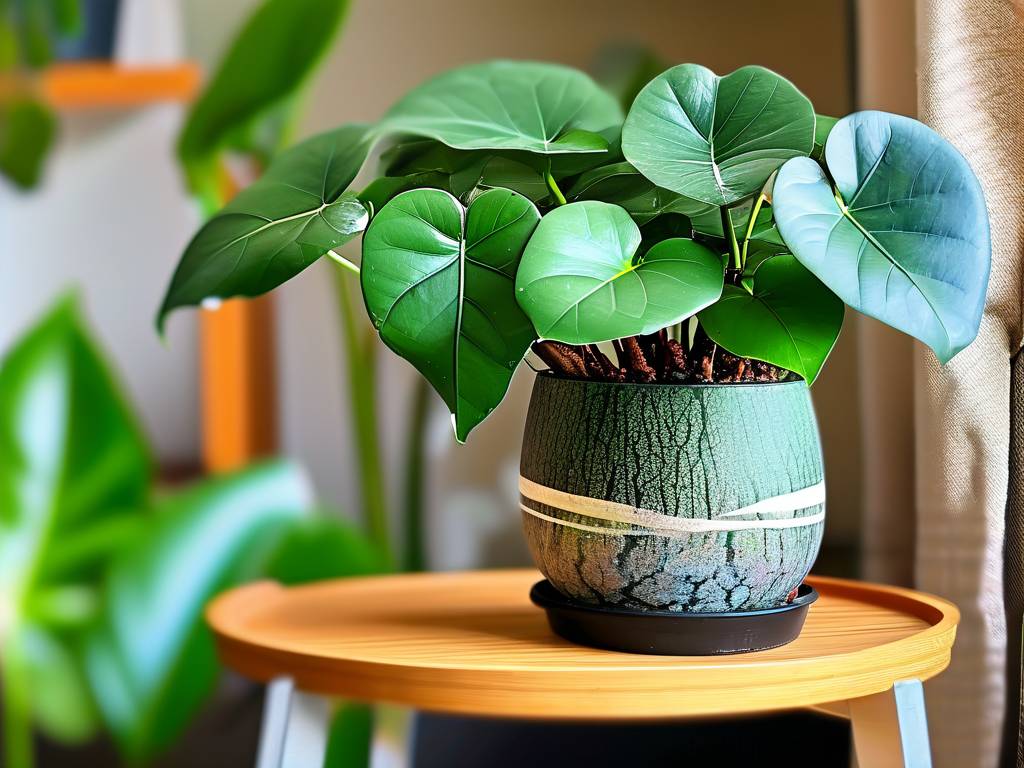
Light: Place your Money Tree in the brightest indirect light available during winter. A south or east-facing window is ideal. More light helps the plant use available water more efficiently. Temperature and Humidity: Avoid placing your plant near cold drafts, heating vents, or radiators. Sudden temperature fluctuations and dry, hot air increase stress. Grouping plants together or using a humidifier can help maintain ambient humidity without wetting the soil. The Right Soil and Pot: Ensure your Pachira is in a well-draining, chunky potting mix. A blend containing peat, perlite, and orchid bark is excellent. The pot must have adequate drainage holes. A heavy, moisture-retentive soil in a non-draining pot is a death sentence in winter.
Recognizing the Early Signs of Trouble
Vigilance is key. Catching root rot early can save your plant.
Yellowing leaves, particularly lower, older ones. Leaves that feel soft and limp, not just dry and crispy. A general droopiness that doesn't improve after watering. A musty or sour smell emanating from the soil. If you suspect root rot, you must act immediately. Gently remove the plant from its pot and inspect the roots. Healthy roots are firm and white or tan. Rotten roots are mushy, dark brown or black, and may fall apart. Using sterilized shears, cut away all affected roots. Repot the plant into fresh, dry, well-draining soil and a clean pot. Water very sparingly after repotting and provide warm, bright light.
Expert Insights on Plant Health and Resilience
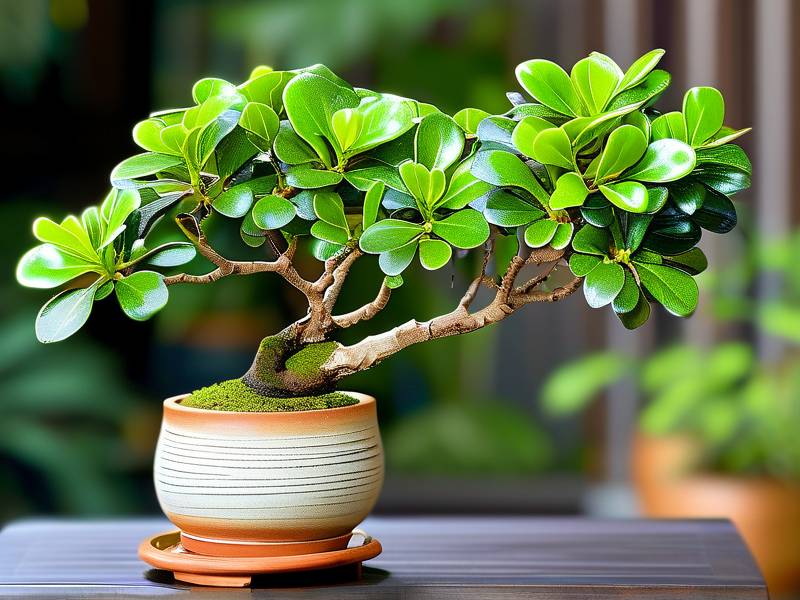
The American Horticultural Society (AHS) emphasizes that plant care is about "working with nature, not against it." Forcing growth with fertilizer or excess water during a plant's natural rest period weakens its long-term resilience. A slightly underwatered Pachira in winter is always healthier than an overwatered one. The plant's built-in water storage in its braided trunk gives it a buffer to handle dry periods.
Frequently Asked Questions
My Money Tree's leaves are turning brown and crispy at the tips. Is this root rot? Typically, no. Crispy brown tips are usually a sign of low humidity or inconsistent watering (allowing the soil to become bone-dry for too long). Root rot usually presents with widespread yellowing and soft, mushy leaves or stems. Increase ambient humidity and ensure you water thoroughly when you do.
How long can I go between waterings in winter? There's no single answer, as it depends on your home's temperature, light, and humidity. It could be every 2 weeks or as long as 4-6 weeks for a large plant in low light. Always rely on the finger test rather than a timeline.
Should I fertilize my Pachira aquatica in winter? No. You should stop fertilizing entirely in late fall and throughout winter. Fertilizing a dormant plant can lead to salt buildup in the soil, which can harm the roots and will not be used by the plant. Resume a balanced, diluted fertilizer in early spring when you see signs of new growth.
Caring for your Pachira aquatica in winter is an exercise in restraint and observation. By dramatically reducing water, ensuring excellent drainage, and providing stable, bright conditions, you are not neglecting your plant but providing the specialized care it needs during its rest period. This mindful approach prevents the devastating onset of root rot and sets the stage for a burst of vigorous, healthy growth when spring arrives. Your patience and adjusted care will be rewarded with a thriving Money Tree for years to come.