bluename
 How to Care for Zamioculcas Zamiifolia - Winter Warmth to Avoid Frost Damage
As temperatures drop, the resilient ZZ plant (Zamioculcas zamiifolia) faces its greatest seasonal challenge: the cold. While famously tolerant of neglect, this tropical native is highly susceptible to frost damage, a primary cause of winter decline and plant loss. The sight of blackened, mushy stems or rapidly yellowing leaves often signals irreversible cold injury. This guide provides a comprehensive, step-by-step approach to safeguarding your ZZ plant through the colder months, ensuring it not only survives but thrives, ready to burst back into growth when spring arrives.
Understanding ZZ Plant Cold Sensitivity
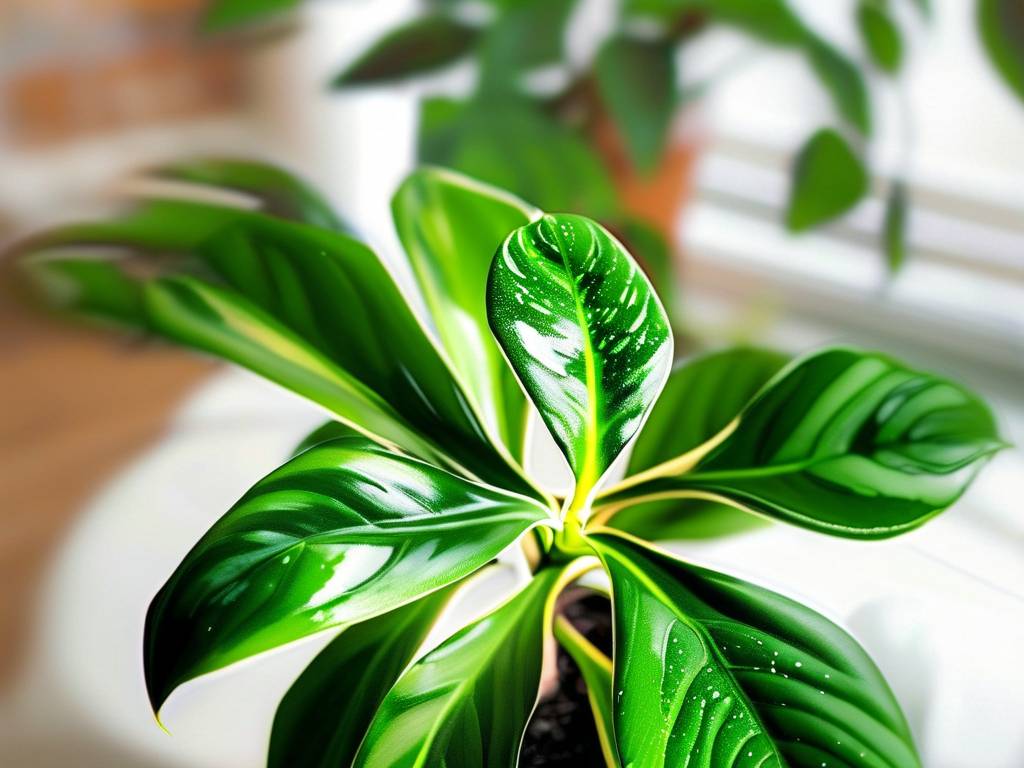
Native to the drought-prone, warm regions of Eastern Africa, the ZZ plant has evolved to store water in its thick rhizomes and fleshy leaf stalks. This adaptation is perfect for surviving dry spells but makes it vulnerable to cold. When temperatures fall below 45°F (7°C), cellular processes slow. Prolonged exposure or temperatures dipping near freezing cause the water within plant cells to freeze, rupturing cell walls and leading to the tell-tale signs of frost damage. It’s a shock that strikes at the very structure of the plant.
Creating the Ideal Winter Environment
Your first and most critical line of defense is adjusting your plant’s location and ambient conditions. The goal is to replicate a stable, mild climate that wards off chill.
Optimal Temperature Ranges for Health
The Royal Horticultural Society (RHS) classifies Zamioculcas zamiifolia as a tender plant, recommending a minimum winter temperature of 60-65°F (15-18°C) for active well-being. It can tolerate brief periods down to 45°F (7°C), but this is the danger zone. For consistent health, maintain a room temperature between 65-75°F (18-24°C). Avoid placing your plant in rooms that get excessively cold at night, such as some sunrooms or drafty conservatories.
Strategic Placement Away from Drafts
Cold air from windows, doors, and ventilation shafts is a silent threat. A plant on a windowsill can be significantly colder than one just a few feet into the room. Use a digital thermometer to check for cold spots. Similarly, keep plants away from direct heat sources like radiators, fireplaces, and heating vents. The intense, dry heat can dehydrate leaves rapidly, causing stress and browning tips—a different but equally damaging problem.
The Role of Humidity in Winter Care
Winter air indoors is often dry due to heating systems. While ZZ plants are not humidity-demanding like some tropicals, extremely dry air can compound winter stress. The American Horticultural Society (AHA) notes that moderate humidity helps plants maintain proper transpiration and turgor pressure. Grouping plants together, using a pebble tray with water, or employing a room humidifier can create a more favorable microclimate without making the area damp.
Adjusting Watering Routines for Dormancy
Overwatering is the most common killer of ZZ plants in winter, especially when combined with cooler temperatures. The plant’s growth slows or stops, meaning its water requirements plummet.
Signs Your Plant is Entering Dormancy
You may notice a complete halt in new shoot development. The soil will also stay moist for much longer after watering. This is not a sign of poor health but a natural, energy-saving state. Respect this dormancy.
A Safe Watering Schedule to Prevent Rot
The "soak and dry" method remains best, but the "dry" period becomes much longer. Allow the potting mix to dry out completely throughout the pot. You can check this with a moisture meter or by feeling the soil through the drainage holes. In many indoor settings, this may mean watering only once every 3-4 weeks, or even longer. When in doubt, wait another week. It is far safer for a ZZ plant to be slightly underwatered than overwatered in winter.
Light Requirements During Shorter Days
With less intense sunlight available, maximizing light exposure is key to maintaining the plant’s energy reserves.
Finding the Brightest Indirect Light
Move your ZZ plant to the brightest spot available, preferably near an east or south-facing window (in the Northern Hemisphere). The weak winter sun is unlikely to scorch the leaves. This increased light helps compensate for the shorter days and supports the plant’s basic metabolic functions.
Supplementing with Grow Lights
If your home is particularly dark, consider using a simple LED grow light. Providing 6-8 hours of supplemental light can make a significant difference in preventing leggy growth and maintaining the plant’s rich green color. It’s a simple intervention with a high payoff for plant vitality.
What to Do If Frost Damage Occurs
Despite your best efforts, accidents can happen. Swift and correct action can sometimes save the plant.
Identifying Early and Advanced Symptoms
Early signs include leaves turning a darker, almost blackish-green before becoming mushy. Stems may soften and bend unnaturally. Advanced damage shows as widespread yellowing, blackened stems, and a collapsed appearance. The damage often starts on the parts of the plant most exposed to the cold.
Immediate Steps for Plant Triage
First, move the plant to a warm, stable environment immediately. Do not fertilize or overwater in a panic. Carefully prune away only the clearly dead, mushy, or blackened stems and leaves using sterile, sharp scissors. Cut back to healthy, firm tissue. This prevents potential rot from spreading and allows the plant to focus energy on recovery.
Assessing and Addressing Root Health
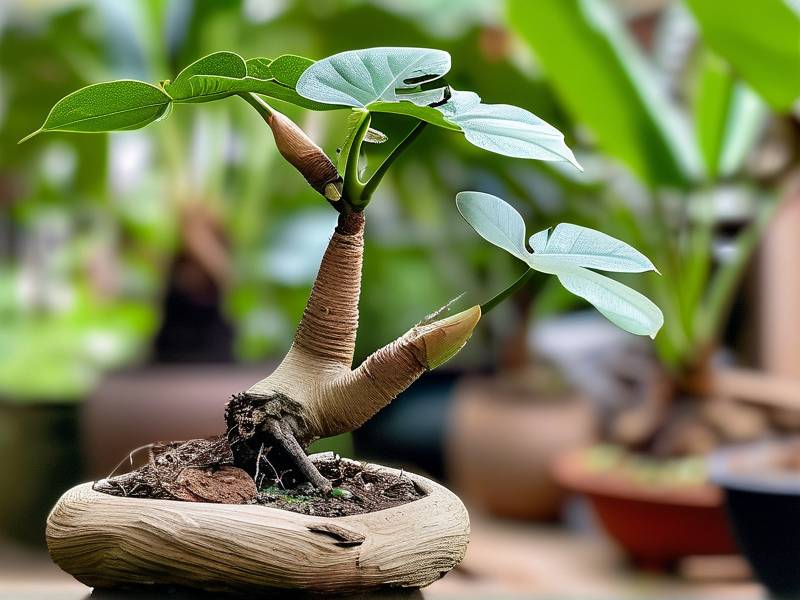
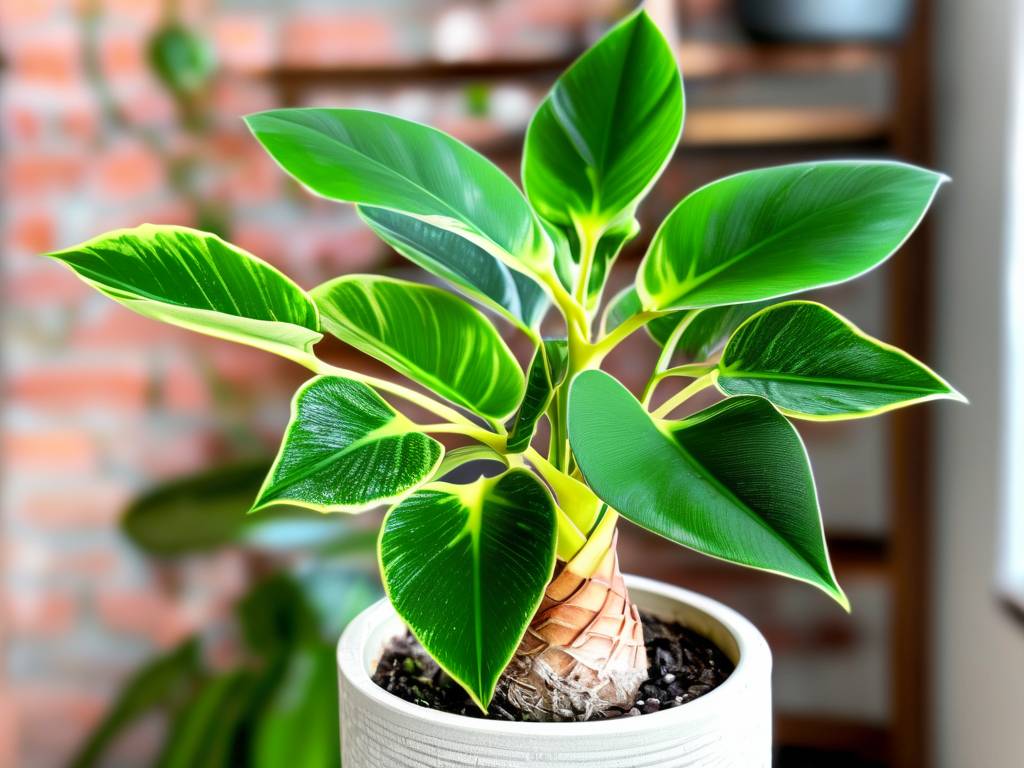
If the above-ground damage is severe, root and rhizome inspection is necessary. Gently remove the plant from its pot. Healthy rhizomes are firm and potato-like. Frost-damaged rhizomes will be soft, mushy, or discolored. Remove any rotten sections with a sterile knife. Repot the plant with healthy rhizomes into fresh, well-draining succulent or cactus mix. Hold off on watering for at least a week to let any cuts callus over.
Long-Term Recovery and Prevention
Recovery is a marathon, not a sprint. A damaged plant may not show new growth until the following growing season. Continue with conservative winter care: minimal water, good light, and no fertilizer. Come spring, if the plant is stable, you can resume a normal care routine and watch for signs of new shoots emerging from the soil near the remaining healthy rhizomes.
Why is my ZZ plant turning yellow in winter? Yellow leaves in winter are most commonly caused by overwatering combined with cool temperatures, which leads to root and rhizome rot. Cold drafts can also trigger yellowing. Assess your watering frequency and the plant’s location. It is far less likely to be due to underwatering at this time of year.
Can I put my ZZ plant outside again after winter? Yes, but the transition must be gradual. Wait until all danger of frost has passed and nighttime temperatures are consistently above 60°F (15°C). Start by placing it in a shaded, sheltered spot for a few hours a day, slowly increasing its time outdoors over 1-2 weeks to acclimate it to brighter light and breezes. Never move it directly from indoors to full sun.
Should I fertilize my ZZ plant in winter? No. Fertilizing a dormant or slow-growing plant can lead to a harmful buildup of salts in the soil and can force weak, leggy growth. Cease all fertilization in late fall and resume only in early spring when you observe consistent new growth, typically with a diluted, balanced fertilizer.
Successfully guiding your Zamioculcas zamiifolia through winter hinges on understanding its fundamental need for warmth and dryness during its rest period. By proactively managing temperature, drastically reducing water, and maximizing available light, you create a protective shield against frost damage. Vigilance against drafts and overwatering is your daily practice. Remember, the ZZ plant’s remarkable resilience is rooted in its ability to wait. With your informed care, it will conserve its energy in its robust rhizomes, poised to reward your patience with a vibrant resurgence of growth as the days lengthen and warmth returns.