bluename
 How to Care for Fiddle Leaf Fig - Winter Warmth to Prevent Leaf Drop
There’s nothing more disheartening for a plant parent than watching your prized Fiddle Leaf Fig (Ficus lyrata) begin to shed its beautiful, broad leaves as winter sets in. You’ve nurtured it through spring and summer, only to see it struggle when temperatures drop and daylight fades. This seasonal leaf drop is a common, frustrating issue, but it is not a death sentence. The key to overcoming this challenge lies in understanding that your Fiddle Leaf Fig winter care routine must shift dramatically. This comprehensive guide will walk you through every critical step, focusing on providing essential winter warmth and stability to keep your fig thriving and prevent unnecessary leaf loss.
Understanding Why Your Fiddle Leaf Fig Drops Leaves in Winter
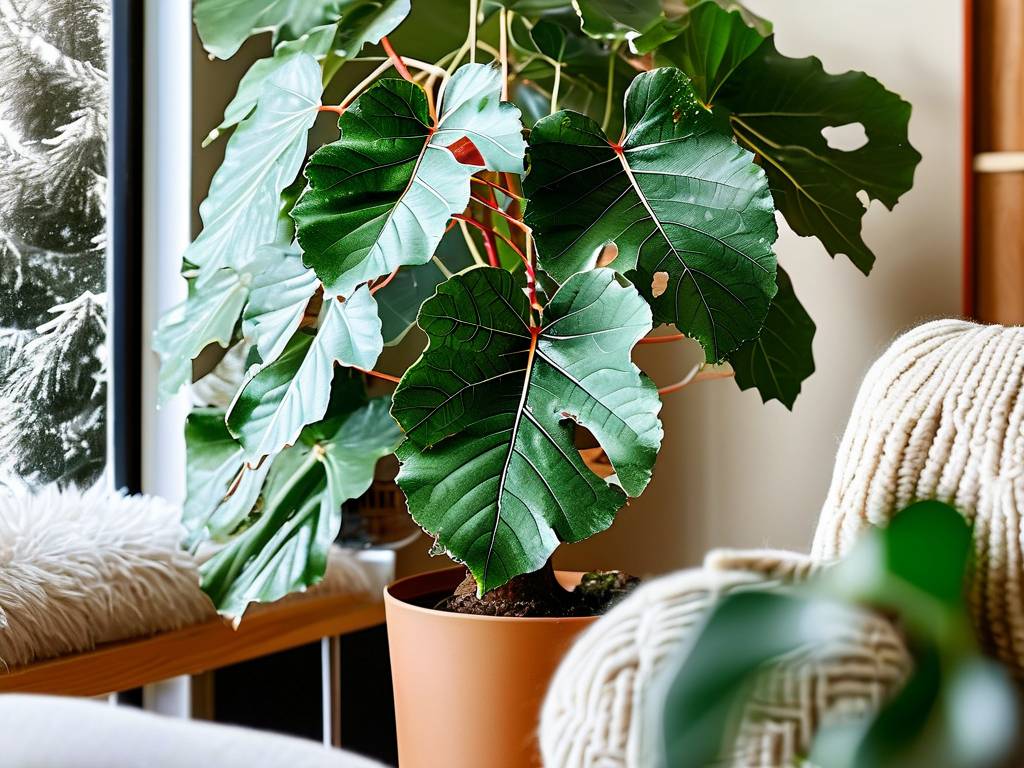
Before we dive into solutions, it’s crucial to understand the "why." Your plant isn’t being dramatic; it’s responding to environmental stress. Fiddle Leaf Figs are native to warm, humid, and brightly lit lowland tropical forests. Winter in most homes presents the exact opposite conditions: cooler drafts, dry air from heating systems, and significantly less intense light. This combination triggers a survival response. The plant, sensing less energy from sunlight, may shed leaves it cannot sustain to conserve resources for its core structure. Additionally, cold drafts or sudden temperature changes can cause shock, leading to rapid leaf drop. Recognizing these stressors is the first step in effective preventing fiddle leaf fig leaf drop.
The Winter Care Blueprint: A Holistic Approach
Successfully caring for your Fiddle Leaf Fig in the colder months isn’t about one magic trick; it’s about creating a stable, supportive microclimate. Think of it as helping your plant hunker down and conserve energy until spring returns.
Optimizing Light Exposure: Your Plant's Main Energy Source
Light is the most significant limiting factor in winter. The sun is lower, days are shorter, and intensity plummets.
- Maximize Natural Light: Clean your windows to allow every bit of sunlight through. Move your fig to the brightest spot in your home, typically a south or west-facing window. Don’t worry about direct winter sun; it’s usually not strong enough to scorch the leaves.
- Supplement with Grow Lights: If your home is naturally dim, consider a full-spectrum LED grow light. According to horticultural lighting research cited by organizations like the American Horticultural Society (AHS), providing 6-8 hours of supplemental light can make a profound difference in maintaining metabolic activity and preventing leaf loss. Position the light 12-18 inches above the plant for optimal effect.
Mastering Temperature and Humidity: The Warmth and Moisture Balance
This is the core of providing winter warmth for fiddle leaf figs. Stability is more important than achieving tropical perfection.
- Eliminate Drafts: This is non-negotiable. Keep your plant away from frequently opened doors, drafty windows, and heating/AC vents. Both cold blasts and hot, dry air from vents are major triggers for leaf drop.
- Maintain Consistent Temperature: Aim for a steady temperature range between 65-75°F (18-24°C). Avoid letting the room temperature drop below 60°F (15°C), especially at night. Sudden fluctuations are more harmful than a consistently cool (but not cold) temperature.
- Boost Humidity: Heated air is extremely dry. The Royal Horticultural Society (RHS) notes that many tropical plants, including Ficus species, prefer humidity levels above 40%. To increase humidity:
- Use a humidifier placed near the plant (most effective).
- Group plants together to create a transpiration microclimate.
- Place the pot on a pebble tray filled with water (ensure the pot sits above the water line).
The Art of Winter Watering: Less is More
Overwatering is the fastest way to kill a Fiddle Leaf Fig in winter. With reduced light and growth, the plant’s water consumption slows dramatically.
- Check the Soil Deeply: Always check the soil moisture before watering. Insert your finger 2-3 inches into the pot. Water only when the top few inches feel completely dry. This might mean watering only once every 2-3 weeks, or even longer.
- Ensure Proper Drainage: Every pot must have drainage holes. Water thoroughly until it runs freely from the bottom, then empty the saucer after 15 minutes to prevent "wet feet," which can lead to root rot—a silent killer that often manifests as leaf drop.
Pausing Fertilization and Pruning
Your fig is essentially resting. Do not fertilize during the late fall and winter months. Fertilizing can force new, weak growth that the plant cannot support in low light and can lead to salt buildup in the soil. Similarly, hold off on major pruning. Any pruning should be limited to removing clearly dead or damaged material. Save shaping and propagation for the active growing season in spring and summer.
Troubleshooting Specific Winter Scenarios
- Leaves Dropping Near a Vent: Immediately relocate the plant. The direct, dry air is desiccating the leaves.
- Brown Edges with Leaf Drop: This classic sign points to low humidity combined with inconsistent watering.
- Yellowing Lower Leaves with Drop: This can be a normal process of shedding old leaves if it’s gradual (1-2 leaves). If it’s rapid, reassess your watering schedule for potential overwatering.
My fiddle leaf fig is near a window. Is the cold glass harming it? Yes, it very well could be. Leaves touching a cold window pane can suffer from cold damage, leading to brown spots and drop. Even proximity to a drafty window can chill the plant. Maintain a buffer of at least a few inches between the plant and the glass, and use a curtain as a buffer at night if temperatures outside plummet.
Should I mist my fiddle leaf fig to increase humidity? While misting provides temporary relief, its effects are fleeting and can promote fungal issues if leaves remain constantly wet. The RHS and other authorities consistently recommend more stable methods like humidifiers or pebble trays for long-term humidity control. Misting is not a substitute for addressing the overall air moisture content.
How do I know if my plant is getting enough light in winter? Observe its posture and growth. A plant stretching noticeably toward the light source, developing longer spaces between leaves (etiolation), or producing very small, pale new leaves is signaling insufficient light. Conversely, if it holds its leaves upright and maintains its color without excessive stretching, the light is likely adequate. When in doubt, supplement with a grow light.
Winter care for your Fiddle Leaf Fig is a test of restraint and observation. By shifting your focus to providing consistent, gentle warmth, maximizing every bit of available light, and significantly reducing water, you create a haven of stability. Remember, the goal is not vigorous growth, but peaceful preservation. Your attentive care during these challenging months will be rewarded. Come spring, with increased light and warmer temperatures, your resilient fig will thank you with a fresh burst of healthy, vibrant growth, leaving the worry of leaf drop behind.