bluename
 How to Care for Monstera Deliciosa - Winter Water Control to Avoid Root Rot
Winter brings a unique set of challenges for houseplant enthusiasts, and your beloved Monstera Deliciosa is no exception. The most common, and often devastating, issue during the colder months is improper watering leading to root rot. This silent killer can creep up on even the most attentive plant parents. The combination of lower light levels, cooler temperatures, and reduced plant metabolism creates a perfect storm for overwatering. Understanding how to adjust your care routine is not just helpful—it's essential for keeping your Swiss Cheese Plant thriving through the season. This guide will provide a comprehensive, step-by-step approach to mastering Monstera Deliciosa winter water control, ensuring you avoid the dreaded root rot and enjoy a healthy plant year-round.
Understanding Why Winter is a Critical Time for Watering
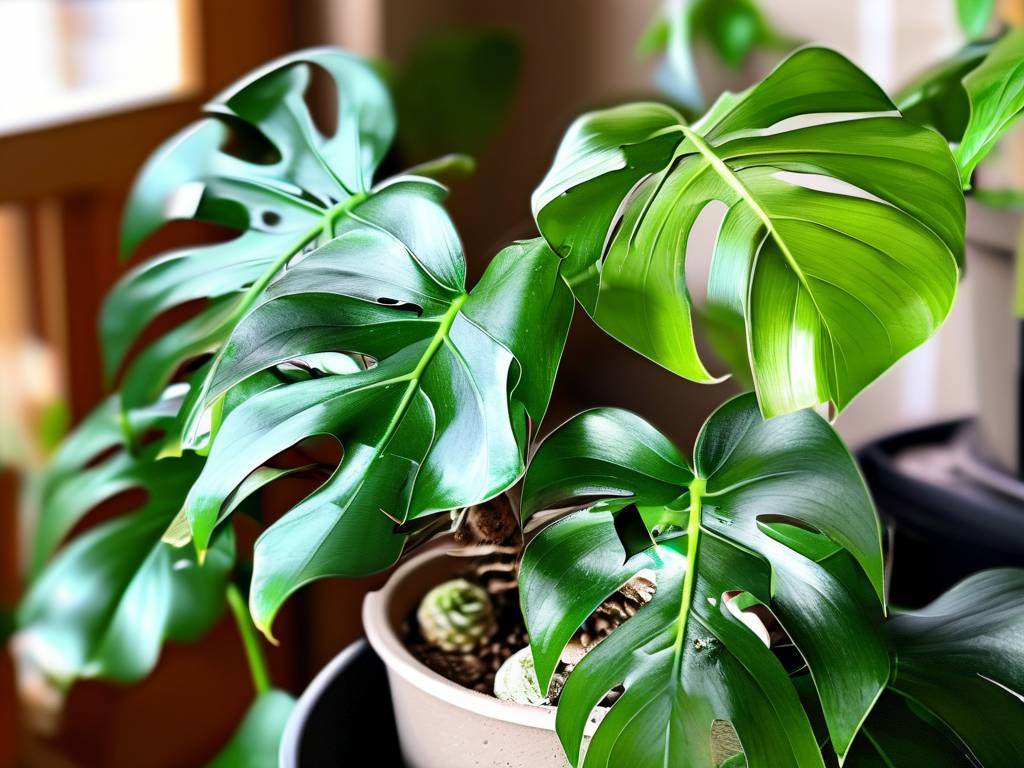
The physiology of your Monstera Deliciosa changes significantly as daylight wanes and temperatures drop. It enters a period of dormancy or significantly slowed growth. Its roots absorb moisture much more slowly, and photosynthesis reduces. Continuing a summer watering schedule is the primary cause of soggy soil, oxygen-starved roots, and eventual rot. Recognizing this seasonal shift is the first and most crucial step in preventative care.
The Golden Rule: Always Check the Soil First
Forget the calendar. The single most important habit you can adopt is checking the soil moisture before you even think about reaching for your watering can. This simple act is the cornerstone of effective winter care for Monstera Deliciosa.
The Finger Test Method Insert your finger about 2-3 inches into the potting mix. For a Monstera in winter, you should allow the top third to half of the soil to dry out completely before considering watering. If the soil at that depth feels cool, damp, or moist, delay watering. Wait until it feels dry.
Using Moisture Meters for Precision For a more scientific approach, consider a soil moisture meter. These inexpensive tools remove guesswork. Insert the probe deep into the root zone. A reading in the "dry" or lower end of "moist" range is your green light to water during winter. Experts from the Royal Horticultural Society (RHS) note that tools like moisture meters can be particularly valuable for gardeners unsure of tactile cues, helping to bridge the gap between intuition and data.
Signs Your Monstera is Thirsty vs. Drowning
Learning to read your plant's signals is key. Sometimes, symptoms of overwatering and underwatering can appear similar, leading to misdiagnosis.
Signs of Overwatering (Leading to Root Rot)
- Yellowing leaves, often starting with the lower, older leaves.
- Soft, mushy stems or a general look of sogginess.
- Leaves that are drooping but feel heavy and waterlogged.
- A persistent musty or sour smell emanating from the soil.
- Black or dark brown, slimy roots when inspected (a definitive sign).
Signs of Underwatering
- Leaves that are crispy, dry, and brown at the edges or tips.
- Overall drooping or wilting, but the leaves feel thin and papery.
- The entire pot feels extremely light.
- Soil is pulling away from the edges of the pot.
The American Horticultural Society (AHS) emphasizes that chronic overwatering is far more lethal to most houseplants, including Monstera, than occasional underwatering. When in doubt, err on the side of dryness.
Mastering the Watering Technique for Winter
When your soil check confirms it's time, how you water is just as important as when.
The Thorough Soak and Drain Method
- Take your Monstera to the sink, bathtub, or use a deep saucer.
- Water slowly and evenly around the entire surface of the soil until you see water flowing freely out of the drainage holes. This ensures the entire root ball is hydrated.
- This is critical: let the pot drain completely. Do not let the plant sit in a saucer full of water for more than 15-30 minutes. Empty the cachepot or saucer. "Soggy bottoms" are a fast track to root problems.
Water Quality and Temperature Use room temperature water. Ice-cold water can shock the roots. If possible, let tap water sit out overnight to allow chlorine to dissipate, or use collected rainwater or filtered water for optimal plant health.
Optimizing the Environment to Support Dryer Soil
Your watering schedule doesn't exist in a vacuum. You can support your efforts by adjusting other environmental factors.
Light: Maximize Available Sunshine Place your Monstera in the brightest spot possible during winter, such as an east or south-facing window (in the Northern Hemisphere). More light helps the plant use water more efficiently. Consider rotating the plant periodically for even growth.
Temperature and Humidity Avoid placing your plant near cold drafts, heating vents, or radiators. Sudden temperature fluctuations stress the plant. Monsteras enjoy humidity, but increasing air humidity (with a humidifier or pebble tray) is different from wet soil. Good air circulation around the plant also helps soil dry more evenly and prevents fungal issues.
The Essential Pot and Soil Setup
The right foundation is your best defense against root rot prevention in Monstera.
Non-Negotiable: Drainage Holes Always use a pot with adequate drainage holes. Decorative cachepots are fine, but the inner nursery pot must have holes. This cannot be compromised.
Choosing the Right Soil Mix A well-aerated, chunky potting mix is vital. A standard houseplant soil often retains too much moisture. Create an ideal mix by amending potting soil with 30-50% perlite, orchid bark, and/or horticultural charcoal. This creates air pockets, improves drainage, and mimics the plant's natural epiphytic tendencies.
What to Do If You Suspect Root Rot
Despite your best efforts, you might encounter trouble. Acting quickly can save your plant.
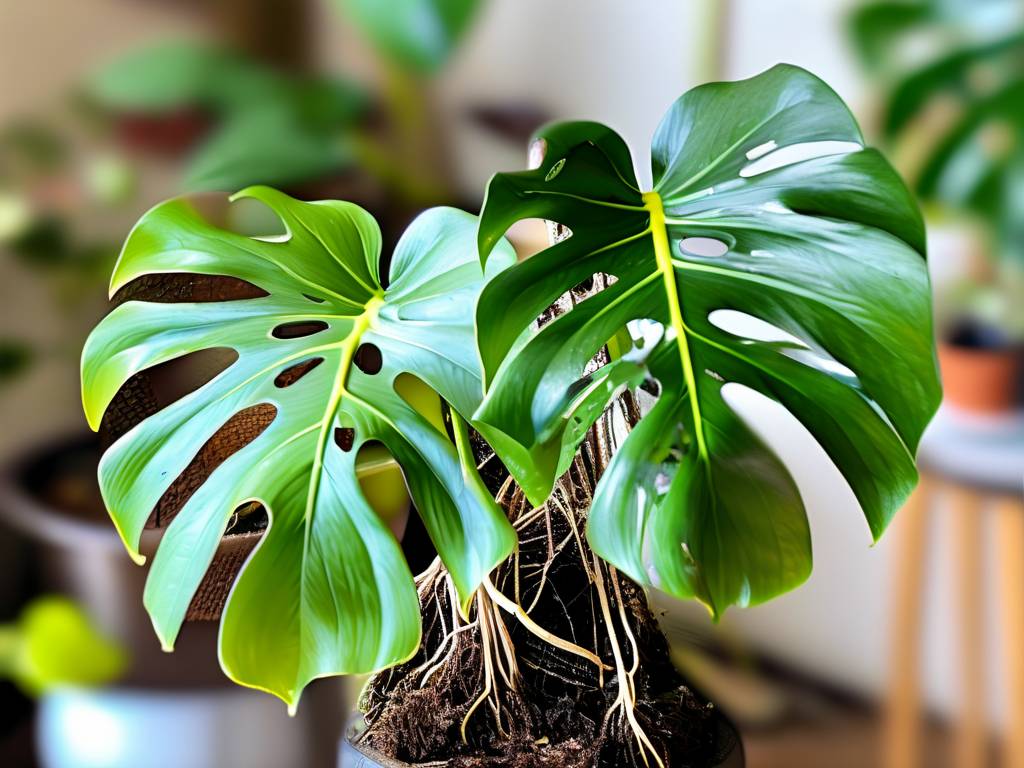
Step 1: Unpot and Inspect Gently remove the plant from its pot. Shake off the soil and carefully rinse the roots under lukewarm water.
Step 2: Assess and Prune Healthy roots are firm and white or tan. Rotten roots are mushy, dark brown/black, and may fall apart or have a foul odor. Using sterilized scissors or pruners, cut away every single affected root back to healthy tissue.
Step 3: Disinfect and Repot Soak the remaining healthy root system in a diluted hydrogen peroxide solution (1 part 3% peroxide to 3 parts water) for a few minutes to disinfect. Repot the plant into a clean pot (you may need a smaller one) with fresh, dry, well-draining soil. Do not water immediately—wait at least 5-7 days to allow roots to heal and callous over, then resume a very cautious winter watering regimen.
How often should I water my Monstera Deliciosa in winter? There is no fixed schedule. It could be every 2 weeks, 3 weeks, or even a month, depending on your home's environment. Always rely on the soil moisture check rather than a set timeline. The plant will tell you what it needs.
Can I mist my Monstera instead of watering it to avoid overwatering? Misting increases ambient humidity around the leaves, which Monsteras appreciate, but it does not provide meaningful hydration to the roots. It is not a substitute for proper soil watering. Relying on misting alone will lead to underwatering. Focus on correct root watering and use misting or a humidifier as a supplementary boost for leaf health.
My Monstera's leaves are turning yellow. Does this always mean root rot? Not always. While yellowing is a classic sign of overwatering, it can also indicate nutrient deficiency, natural aging (if it's the oldest leaf), or sometimes underwatering. Investigate by checking the soil moisture and inspecting the roots if necessary. Context is key—if the soil is wet and the yellowing is widespread, root rot is a likely suspect.
Mastering the art of winter watering is the hallmark of a confident plant caretaker. By shifting your focus from a routine schedule to a responsive, soil-based approach, you work in harmony with your Monstera Deliciosa's natural cycle. Prioritizing a well-draining setup, understanding environmental cues, and acting swiftly at the first sign of trouble will empower you to prevent root rot successfully. With these practices, your Monstera will not just survive the winter but enter the spring growing season robust and ready to flourish, rewarding you with its iconic, lush, and split leaves for years to come.