bluename
 How to Care for Philodendron Selloum - Winter Warmth to Prevent Yellow Leaves
Seeing your lush, deeply lobed Philodendron Selloum develop yellow leaves as temperatures drop is a common and disheartening experience for plant owners. This striking tropical plant, also known as the Tree Philodendron or Philodendron bipinnatifidum, thrives in warm, humid conditions. When winter arrives, the combination of dry air, cooler temperatures, and reduced light creates a perfect storm of stress, often manifesting as yellowing foliage. Understanding how to provide winter warmth and adjust your care routine is crucial to keeping your Selloum healthy and vibrant year-round. This guide will walk you through the essential steps to prevent yellow leaves and ensure your plant not only survives but thrives through the colder months.
Understanding Your Philodendron Selloum’s Winter Needs
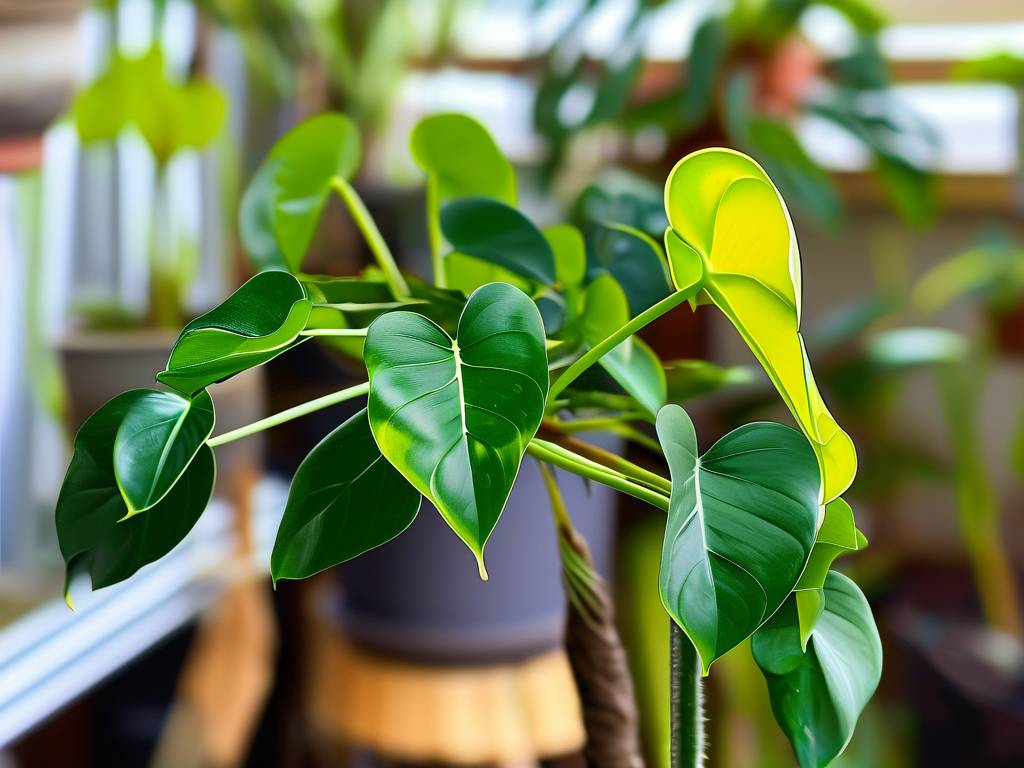
The Philodendron Selloum is native to the tropical regions of South America. In its natural habitat, it experiences consistent warmth and high humidity. Winter in most temperate climates presents the exact opposite conditions: dry air from indoor heating, chilly drafts, and weaker sunlight. This environmental shift forces the plant into a state of slowed growth, making it more susceptible to issues like overwatering, pest infestations, and nutrient problems, all of which can cause leaves to turn yellow.
Providing Optimal Winter Warmth
Temperature is the most critical factor for winter care. Your Selloum prefers temperatures between 65°F and 80°F (18°C - 27°C). Sustained exposure to temperatures below 60°F (15°C) can cause cold damage, leading to sudden yellowing, blackening leaf edges, and stunted growth.
First, identify and eliminate cold drafts. Keep your plant away from frequently opened doors, drafty windows, and air conditioning vents. Even a brief blast of cold air can shock the plant. Use a digital thermometer near your plant to monitor the ambient temperature consistently.
If your home tends to be cool, consider providing gentle, ambient warmth. Avoid placing the plant directly next to a hot radiator or space heater, as this can scorch leaves and dry it out rapidly. Instead, aim for a stable room temperature. For plants in particularly cold spots, a horticultural heat mat placed under the pot can provide gentle root-zone warmth, promoting healthier root function during dormancy.
Adjusting Watering Practices for Dormancy
Overwatering is the leading cause of yellow leaves on a Philodendron Selloum in winter. As growth slows, the plant’s water requirements drop significantly.
The golden rule is to let the soil dry out more between waterings. Check the soil moisture by inserting your finger about 2-3 inches into the potting mix. Water thoroughly only when the top few inches feel dry. Ensure your pot has excellent drainage holes to prevent water from pooling at the bottom, which leads to root rot—a primary culprit behind yellow leaves.
Reduce your watering frequency by approximately 50% compared to your summer schedule. Instead of watering on a fixed calendar day, always let the plant’s soil condition be your guide. Using room-temperature water is also important, as ice-cold water can shock the sensitive roots.
Maximizing Light Exposure
With shorter days and a lower sun angle, light becomes a scarce resource. While the Philodendron Selloum can tolerate moderate indirect light, it still needs bright, filtered sunlight to maintain its health during winter.
Relocate your plant to the brightest spot in your home, such as near an east or south-facing window (north-facing in the Southern Hemisphere). If placed directly in a south-facing window, ensure it is filtered by a sheer curtain to prevent direct sun from scorching the leaves, which can also cause discoloration.
If natural light is insufficient, supplement with a grow light. A simple LED full-spectrum bulb placed about 12-18 inches above the plant for 6-8 hours a day can make a dramatic difference. This artificial sunlight provides the energy the plant needs without the risk of burn, helping to prevent the yellowing associated with light deprivation.
Boosting Humidity to Mimic the Tropics
Indoor heating systems drastically reduce relative humidity, often to levels below 30%. The Philodendron Selloum, however, prefers humidity levels of 60% or higher. Low humidity stresses the plant, leading to brown, crispy leaf tips and can contribute to overall yellowing.
Grouping plants together creates a microclimate with higher humidity as they collectively release moisture through transpiration. Placing your Selloum’s pot on a pebble tray filled with water is a highly effective method. As the water evaporates, it increases humidity around the foliage. Just ensure the pot is sitting on the pebbles, not directly in the water.
For the best results, use a room humidifier. As noted by the Royal Horticultural Society (RHS), increasing air humidity is one of the most effective ways to maintain healthy foliage on tropical plants during the winter months. A humidifier allows you to consistently maintain an ideal environment.
Halting Fertilization and Monitoring Soil Health
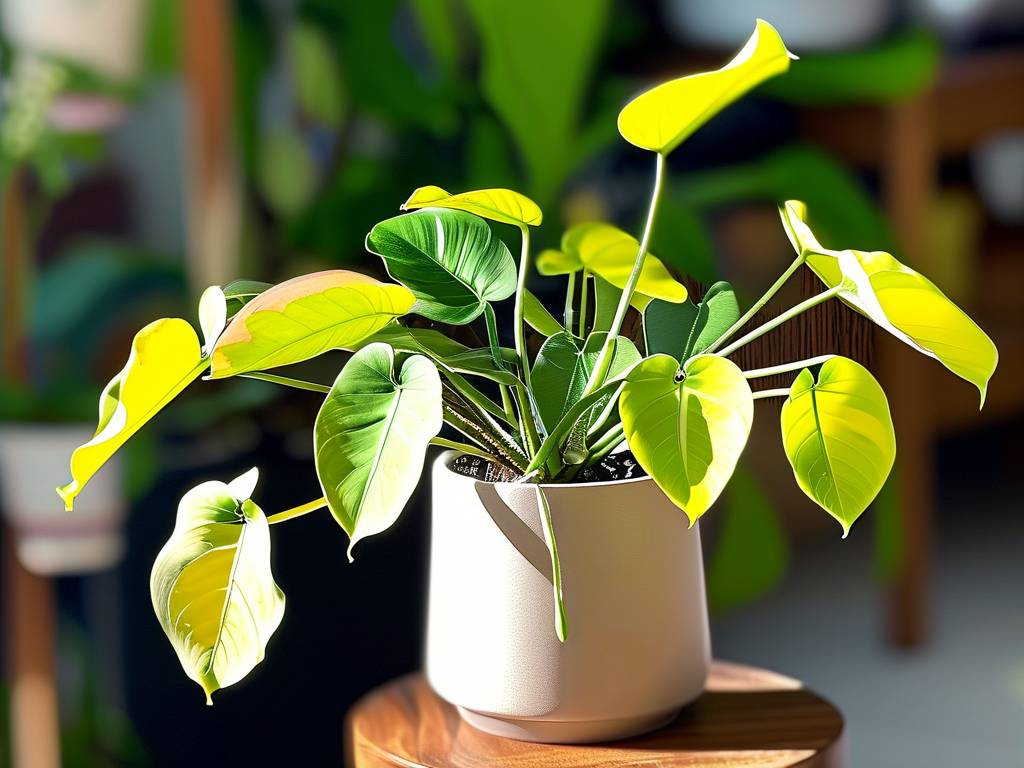
During winter, your Philodendron Selloum is not actively growing and cannot utilize fertilizer. Feeding it during this time leads to a harmful buildup of salts in the soil, which can burn the roots and cause widespread yellowing and leaf drop.
Completely stop fertilizing from late fall until early spring. Resume with a diluted, balanced liquid fertilizer only when you see signs of new growth as the days lengthen in spring.
This is also a good time to check the soil surface for any white crust, which indicates mineral buildup. Gently scrape off the top layer and replace it with fresh potting mix. Ensuring the soil remains aerated and free of toxins supports root health, which is fundamental to preventing yellow leaves.
Preventing and Treating Pest Infestations
Stressed plants are more vulnerable to pests. Spider mites, in particular, thrive in the warm, dry conditions created by indoor heating. Their feeding causes stippling and yellowing on leaves.
Regularly inspect the undersides of leaves and along stems. Look for fine webbing, tiny moving dots, or sticky residue. A simple way to check for spider mites, as recommended by the American Horticultural Society (AHA), is to tap a leaf over a white piece of paper; if you see small, moving specks, you have mites.
If pests are detected, isolate the plant immediately. Wipe the leaves with a soft cloth dipped in a solution of mild soap and water. For persistent problems, treat with insecticidal soap or neem oil, applying it thoroughly to all leaf surfaces. Maintaining higher humidity is also a strong deterrent against spider mites.
Pre-Winter Pruning and Maintenance
Before winter fully sets in, give your Selloum some attention. Remove any leaves that are already yellowing, damaged, or diseased. This helps the plant redirect its limited energy to maintaining healthy foliage.
Gently clean the remaining large leaves with a damp cloth. This removes dust that can block sunlight absorption, improves the plant’s appearance, and allows you to inspect for pests more easily. A clean plant is better equipped to photosynthesize efficiently with the available winter light.
What should I do if my Philodendron Selloum leaves are already yellow? First, identify the cause. If multiple leaves are yellowing from the bottom up with wet soil, it’s likely overwatering. Stop watering immediately, let the soil dry out completely, and check for root rot. If the yellowing is patchy or accompanied by webbing, check for pests. Remove the severely yellowed leaves with clean shears, as they will not recover. Address the underlying environmental issue—whether it’s temperature, light, or humidity—to prevent further yellowing.
Can I repot my Philodendron Selloum in winter? It is generally not advisable. Repotting causes significant root disturbance and stress, which a dormant plant is poorly equipped to handle. Unless the plant is suffering from severe root rot that threatens its immediate survival, wait until spring or early summer when the plant is actively growing and can recover quickly. If you must repot due to rot, do so carefully in a warm location and avoid fertilizing.
How cold is too cold for a Philodendron Selloum? Temperatures below 60°F (15°C) are risky, and exposure to temperatures below 50°F (10°C) can cause serious damage. Signs of cold stress include rapid yellowing, black or dark brown, mushy spots on leaves, and leaf drop. If your plant gets chilled, immediately move it to a warm, draft-free location. Do not overcompensate with extra water or fertilizer. Trim away any blackened, damaged tissue and focus on stabilizing its warm, humid environment. Recovery may be slow, and new growth will indicate the plant has overcome the shock.
Successfully caring for your Philodendron Selloum through winter hinges on replicating its preferred tropical conditions as closely as possible. By prioritizing stable warmth, adjusting your watering habits, maximizing available light, and boosting humidity, you create a sanctuary that shields your plant from seasonal stress. Vigilance against pests and a hands-off approach to feeding complete the seasonal routine. With these proactive measures, you can effectively prevent the dismay of yellow leaves and enjoy the dramatic, architectural beauty of your Philodendron Selloum all year long, watching it emerge from winter ready for a vibrant burst of spring growth.