bluename
 How to Care for Asparagus Fern - Winter Warmth to Prevent Leaf Wilt
Seeing your lush asparagus fern develop yellow, wilting fronds as temperatures drop is a disheartening experience for any plant lover. This common winter struggle signals that your plant is under environmental stress, primarily due to inadequate warmth and care during the colder months. Mastering how to care for asparagus fern through winter is crucial to prevent leaf wilt and maintain its vibrant, feathery foliage year-round. This guide will provide you with a comprehensive, step-by-step approach to ensure your fern not only survives but thrives during the challenging winter season.
Understanding Your Asparagus Fern's Winter Needs
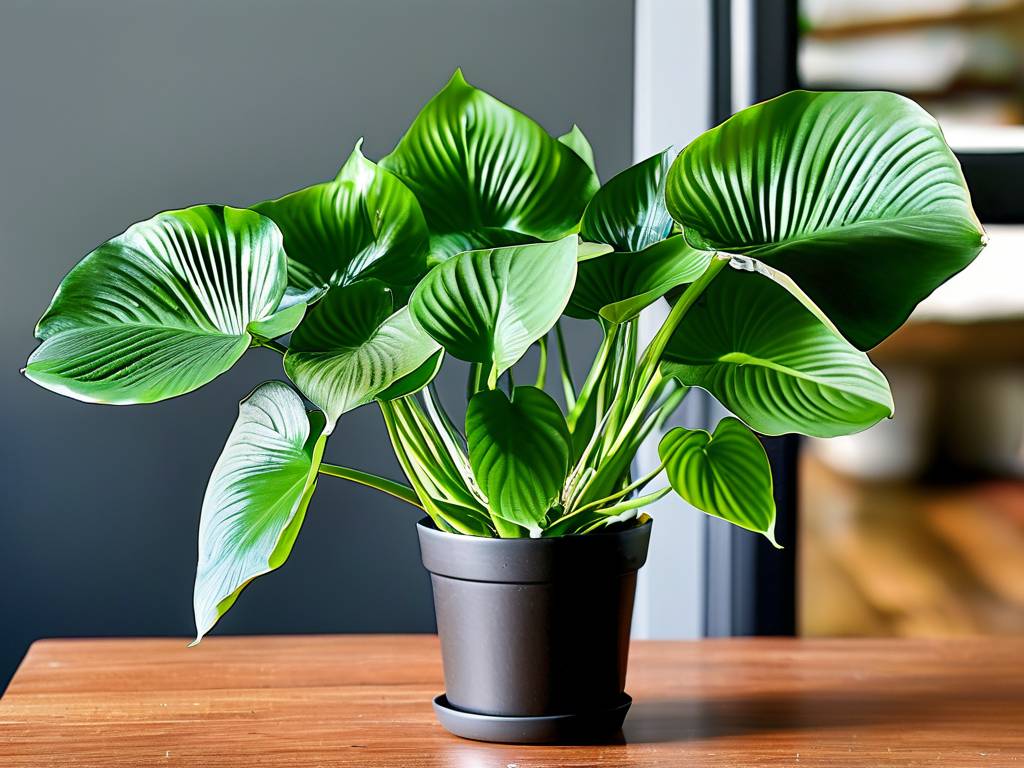
The asparagus fern, despite its common name, is not a true fern but a member of the lily family. This distinction is key to understanding its care. Originating from South Africa, it is accustomed to warm, humid, and bright environments. When winter arrives, the drastic shift in indoor conditions—lower light levels, dry air from heating systems, and cooler drafts—creates a perfect storm for stress. The plant's natural growth slows, making it more vulnerable. Recognizing this seasonal change is the first step in adapting your care routine to provide the essential winter warmth that prevents leaf wilt and frond drop.
The primary goal is to mimic its preferred conditions as closely as possible. This involves strategic placement, adjusted watering, humidity management, and temperature control. Neglecting any of these factors can lead to the telltale signs of distress: browning needles, yellowing stems, and a general appearance of dryness and decline.
Creating the Ideal Winter Environment: Temperature and Placement
Consistent warmth is the most critical factor in preventing leaf wilt. Your asparagus fern requires a stable temperature range to remain healthy.
Maintain Optimal Temperature Ranges The ideal temperature for an asparagus fern in winter is between 60°F and 70°F (15°C - 21°C). It is vital to keep the plant away from any location where temperatures might dip below 55°F (13°C), as prolonged exposure to cold will cause significant damage and trigger leaf wilt. According to the Royal Horticultural Society (RHS), tender foliage plants like the asparagus fern are highly susceptible to chilling injury, which manifests as blackening or water-soaked patches on leaves before they wilt and fall.
Avoid Temperature Fluctuations and Drafts Stability is just as important as the temperature itself. Place your plant in a spot free from cold drafts from windows, doors, or air vents, and equally far from direct heat sources like radiators, fireplaces, or heating vents. The dry, direct heat from a radiator can scorch the foliage and rapidly dehydrate the plant, causing the same wilt you're trying to prevent. A consistent, draft-free corner of a living room or bedroom often works best.
Maximize Light Exposure With shorter winter days, light becomes a precious commodity. Position your asparagus fern in bright, indirect light. A south or east-facing window where it receives several hours of gentle sunlight is ideal. If natural light is limited, consider supplementing with a grow light for 6-8 hours a day. Adequate light supports the plant's slowed metabolic processes and helps maintain frond strength and color, directly contributing to its overall warmth and resilience.
Mastering Winter Watering and Humidity
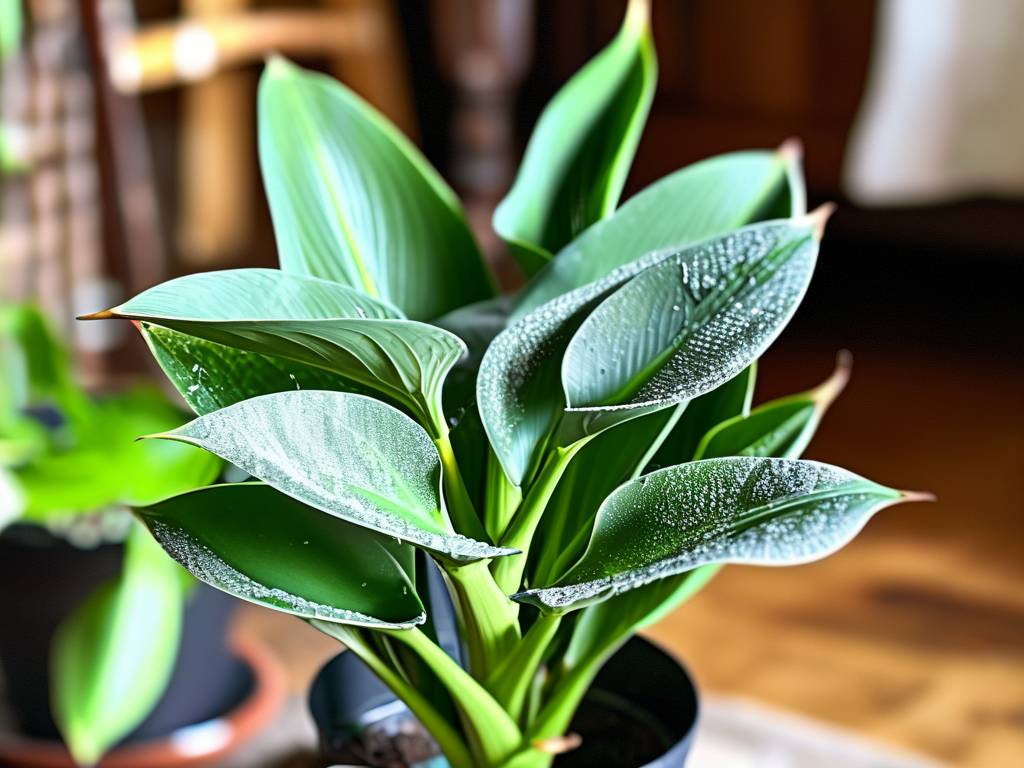
Watering habits that worked in the growing season can be detrimental in winter. Overwatering is the leading cause of root rot during this dormant period, while underwatering leads to drought stress and wilt.
Adjust Your Watering Schedule The key is to water deeply but infrequently. Allow the top 1-2 inches of soil to dry out completely between waterings. This might mean watering only every 2-3 weeks, depending on your home's temperature and humidity. Always use room-temperature water to avoid shocking the plant's roots. The American Horticultural Society (AHA) emphasizes the "soak and dry" method for container plants in winter: water thoroughly until it runs from the drainage holes, then let the pot drain completely before returning it to its saucer. Never let the plant sit in standing water.
Boost Humidity Levels Indoor heating creates arid air that asparagus ferns despise. Low humidity causes the delicate, needle-like cladodes to dry out, turn brown, and drop. To prevent this:
- Use a room humidifier set near the plant. This is the most effective method.
- Place the pot on a pebble tray filled with water (ensure the pot sits above the waterline).
- Group it with other humidity-loving plants to create a beneficial microclimate.
- Occasional gentle misting can help, but it is a temporary fix and not a substitute for sustained ambient humidity. Aim for a humidity level of 40-50%.
Nutrition, Pruning, and Common Winter Issues
Pause Fertilization During the winter months, your asparagus fern is not actively growing. Feeding it fertilizer can lead to a harmful buildup of salts in the soil and force weak, leggy growth. Completely halt fertilization from late fall until early spring.
Practice Careful Pruning Winter is a good time for light maintenance pruning. Using clean, sharp scissors, trim away any yellow, brown, or excessively drooping stems at the soil line. This improves the plant's appearance, directs its limited energy to healthy growth, and improves air circulation. You can also trim back up to one-third of overgrown stems to maintain a compact shape.
Monitor for Pests Stressed plants are more prone to pests. The warm, dry indoor air can invite spider mites and mealybugs. Inspect the undersides of fronds regularly. If you spot pests, isolate the plant and treat it promptly with insecticidal soap or neem oil.
Reviving a Wilted Asparagus Fern
If your fern is already showing signs of winter wilt, don't despair. Act quickly to address the most likely cause.
- Check the Roots: Gently remove the plant from its pot. If the roots are brown, mushy, and smell foul, root rot from overwatering has set in. Trim away all affected roots and repot in fresh, well-draining soil.
- Assess Moisture: If the soil is bone dry and roots are brittle, the plant is severely dehydrated. Soak the entire pot in a basin of room-temperature water for 30-45 minutes, allowing it to rehydrate fully.
- Relocate: Move the plant to a warmer, brighter, and draft-free location immediately. Increase humidity around it. With consistent correct care, your asparagus fern can produce new, healthy growth in a few weeks.
Why are all the needles on my asparagus fern turning yellow and falling off? This is typically a sign of overwatering combined with lower light and cooler temperatures in winter. The plant's water requirements drop significantly. Ensure the soil dries out adequately between waterings and that the pot has excellent drainage. Check for root rot if the problem is widespread.
Can I put my asparagus fern outside again after winter? Yes, but the transition must be gradual. Wait until all danger of frost has passed and nighttime temperatures are consistently above 55°F (13°C). Acclimate it over 7-10 days by placing it in a shaded, sheltered spot for a few hours daily, increasing the time each day, before giving it a permanent summer spot in dappled shade.
Is my asparagus fern dead if all the fronds have dried out? Not necessarily. Check the root system and the crown (base) of the plant. If the roots are still firm and the crown has some green, it may simply have died back due to extreme stress. Cut all the dead growth back to the soil line, provide optimal warmth, light, and careful watering, and it may resprout from its energy-storing tubers.
Successfully nurturing an asparagus fern through winter hinges on a simple formula: consistent gentle warmth, cautious watering, and boosted humidity. By shifting your focus from promoting growth to providing supportive stability, you create a sanctuary for your plant during its rest period. This proactive approach to winter care effectively stops leaf wilt before it starts, ensuring that when spring arrives, your asparagus fern will be ready to burst back into its full, lush glory. The reward is a resilient, beautiful plant that enhances your home throughout every season.