bluename
 How to Care for Trailing Pothos - Keep Vines Long & Green
You’ve brought home a beautiful trailing pothos, envisioning lush, cascading vines. But instead of thriving, your plant’s leaves are turning yellow, growth has stalled, and those long, green trails seem like a distant dream. This common frustration stems from a few key misunderstandings about what this popular houseplant truly needs. Achieving that iconic, vibrant cascade is simpler than you think when you align your care with the plant’s natural preferences. This guide will walk you through every step, transforming your pothos care from guesswork into a surefire success.
Understanding Your Trailing Pothos

Often called Devil’s Ivy for its resilient nature, pothos (Epipremnum aureum) is a tropical vine. In its native habitat, it climbs trees or trails along the forest floor, adapting to dappled light. This tells us everything: it dislikes harsh, direct sun but craves bright, indirect light to fuel vigorous growth. Its trailing habit is a search for light and space. When we provide the right conditions, the plant directs energy into lengthening its stems and producing larger, healthier leaves.
Essential Care for Long, Green Vines
Light: The Growth Engine
Light is the single most important factor for a long-trailing pothos. While it tolerates low light, growth will be slow and leggy, with large gaps between leaves. For dense, rapid growth, place your plant within a few feet of a bright, east or north-facing window. A west or south-facing window is excellent if filtered by a sheer curtain. Direct afternoon sun can scorch the leaves, causing brown, crispy spots. If you notice your pothos vines are stretching with small leaves, it’s pleading for more light. Rotate the pot a quarter turn weekly to ensure all sides receive even exposure, promoting balanced growth.
Watering: The Balancing Act
Overwatering is the fastest way to kill a pothos and halt its trailing progress. These plants prefer to dry out between waterings. The best method is the “finger test.” Insert your finger about two inches into the soil. If it feels dry, it’s time to water. If it’s still moist, wait a few more days. When you do water, do so thoroughly until water runs freely from the drainage holes, ensuring the entire root ball is hydrated. Then, empty the saucer to prevent root rot. In winter, reduce watering frequency as plant growth slows. Signs of overwatering include yellowing leaves and a general wilted, soggy appearance.
Soil and Potting: Foundation for Health
A well-draining potting mix is non-negotiable. A standard houseplant mix amended with perlite or orchid bark works perfectly, preventing water from pooling around the roots. Choose a pot with adequate drainage holes. As for when to repot, look for roots growing out of the bottom or a plant that dries out unusually quickly. Typically, repotting every 1-2 years in spring is sufficient. Upsize only one to two inches in diameter to prevent excess soil from staying wet too long.
Feeding for Lush Growth
To support the energy demands of long vines, feed your pothos during its active growing season (spring and summer). A balanced, water-soluble houseplant fertilizer (with an equal NPK ratio like 10-10-10) diluted to half-strength every 4-6 weeks is ideal. Over-fertilizing can damage roots and cause leaf burn. In fall and winter, cease feeding as the plant’s growth naturally pauses.
Advanced Techniques to Maximize Trailing Length
Pruning for Bushiness and Length
It may seem counterintuitive, but strategic pruning is the secret to a fuller, longer-looking plant. Pruning encourages branching, which means more vines start from the base. Use clean, sharp scissors to trim just above a leaf node (the small bump on the stem where a leaf grows). The remaining piece on the plant will often produce two new growth points from that node. You can propagate the cuttings you remove in water to create new plants.
Training and Support
While pothos naturally trails, you can guide its growth. Use clear, removable hooks on walls or shelves to direct vines. For a fuller look, you can gently coil longer vines back onto the soil surface, using bent paperclips or pins to secure the nodes. These nodes may root into the soil, creating a denser base. Alternatively, provide a moss pole or coir totem if you wish to encourage larger, mature leaves, as the plant will climb like it does in nature.
Troubleshooting Common Trailing Problems
Why Are My Pothos Vines Leggy?
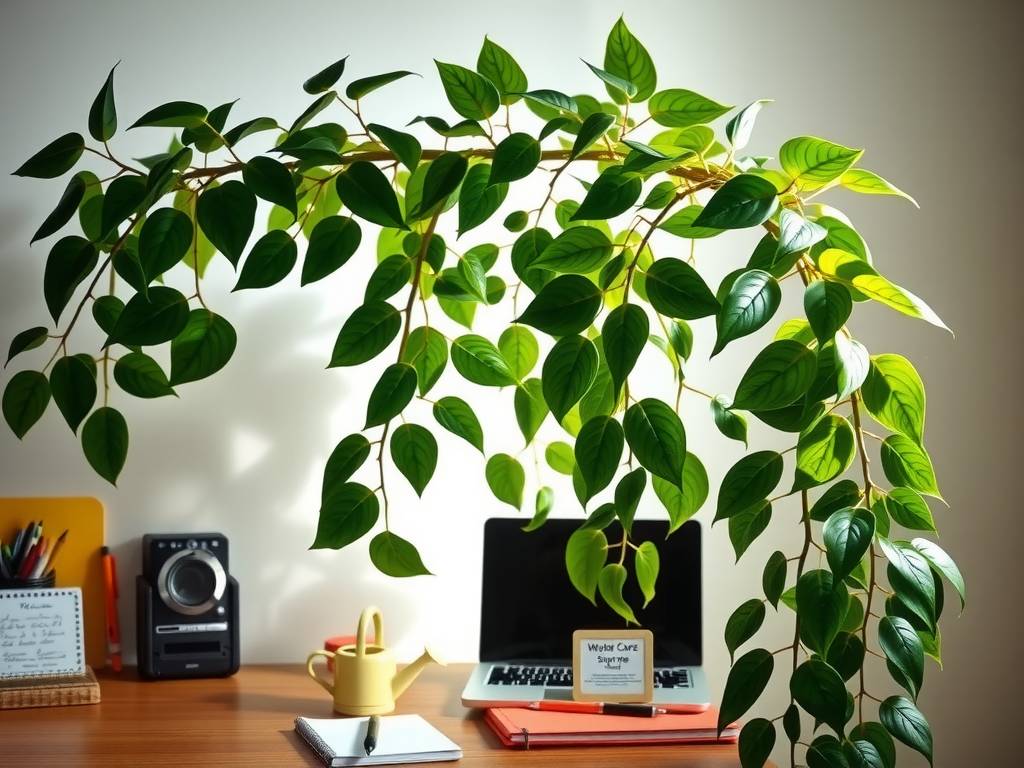
Leggy vines with large spaces between leaves are a classic sign of insufficient light. Move the plant to a brighter location. Pruning back the leggy stems will also promote bushier regrowth.
Why Are the Leaves Turning Yellow?
Yellow leaves most commonly indicate overwatering. Check your soil moisture routine. However, yellowing can also signal under-watering, nutrient deficiency, or natural aging. If the oldest leaves near the base turn yellow and drop occasionally, this is normal.
How to Deal with Pests
Pothos are relatively pest-resistant but can occasionally attract mealybugs, spider mites, or scale. Wipe leaves regularly with a damp cloth to deter pests. For infestations, isolate the plant and treat it with insecticidal soap or neem oil, ensuring to cover the undersides of leaves.
Expert Insights for Optimal Health
The Royal Horticultural Society (RHS) emphasizes that consistent care is more beneficial than sporadic intervention. They note that pothos thrives on “benign neglect,” where stable conditions prevent stress. Furthermore, according to the American Horticultural Society’s (AHA) guidelines on foliage plants, the visual quality of vines is directly linked to root health, which is governed by proper watering and soil aeration. Ensuring your potting mix is airy is a foundational step often overlooked.
Frequently Asked Questions
Can I grow a trailing pothos in a bathroom with no window? While pothos is tolerant, a windowless bathroom lacks sufficient light for sustained, healthy growth and long vines. It will survive for a while but likely become leggy and lose vibrancy. Consider it a temporary location or use a strong grow light to supplement.
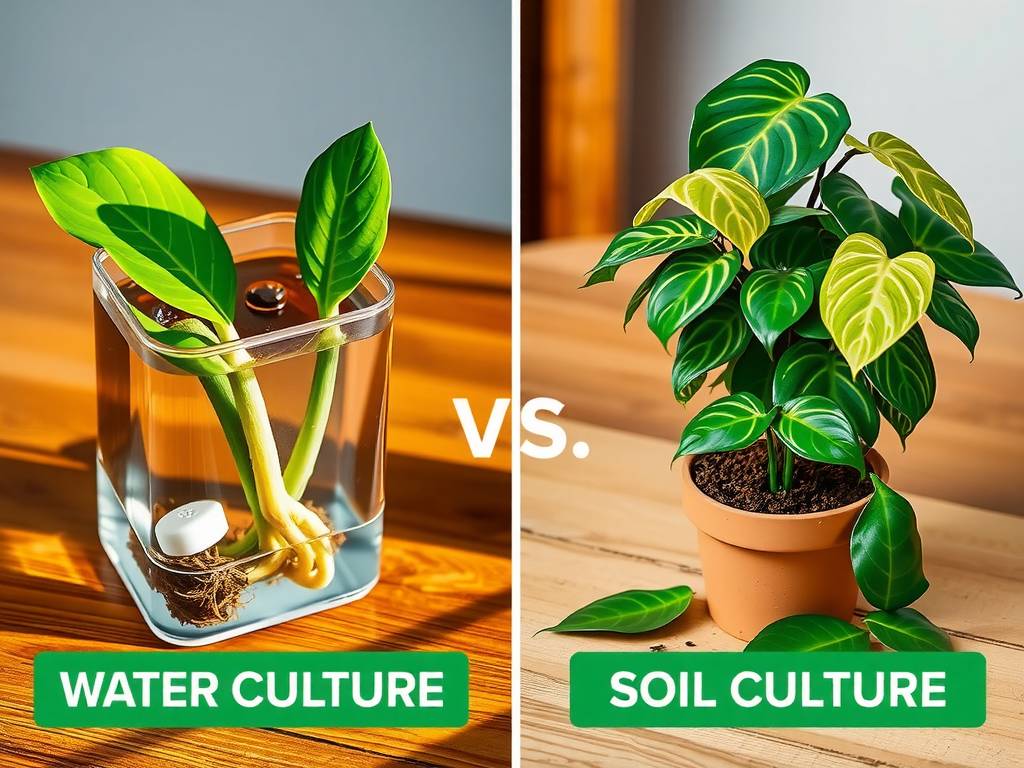
Is it better to grow pothos in water or soil for long trails? Pothos can grow in water indefinitely, and the vines will trail. However, growth in water is often slower, and the leaves may not reach the same size as in a nutrient-rich soil. For the most vigorous and large-leaved trailing display, soil is generally superior.
How fast do pothos vines actually grow? In ideal conditions during the growing season, a pothos vine can grow between 12 to 18 inches per month. Growth slows or stops in lower light and during the winter dormancy period. Providing bright, indirect light and warm temperatures is key to maximizing its growth rate.
Achieving the picture-perfect trailing pothos with long, green vines is a rewarding journey of understanding a few simple principles. It hinges on providing bright, indirect light, watering only when the soil is dry, and using a well-draining potting mix. Remember, strategic pruning not only manages shape but stimulates the very growth you desire. By observing your plant and responding to its signals—whether it’s reaching for light or shedding a yellow leaf—you create an environment where it can truly flourish. With this consistent care, your pothos will reward you with a breathtaking cascade of greenery that brings life and beauty to any space.