bluename
 How to Care for Heartleaf Philodendron for Shiny, Heart-Shaped Leaves
You’ve brought home a beautiful Heartleaf Philodendron, charmed by its cascading vines and glossy, heart-shaped leaves. But now, those once-shiny leaves look dull, or perhaps you’re seeing yellowing or stunted growth. Keeping this popular houseplant thriving and its foliage radiant isn't always intuitive. Many plant lovers struggle with finding the right balance of light, water, and care to maintain that signature glossy sheen. This comprehensive guide will walk you through every step, transforming you from a worried plant parent into a confident Heartleaf Philodendron expert, ensuring your plant not only survives but flourishes with vibrant, shiny leaves.
Understanding Your Heartleaf Philodendron
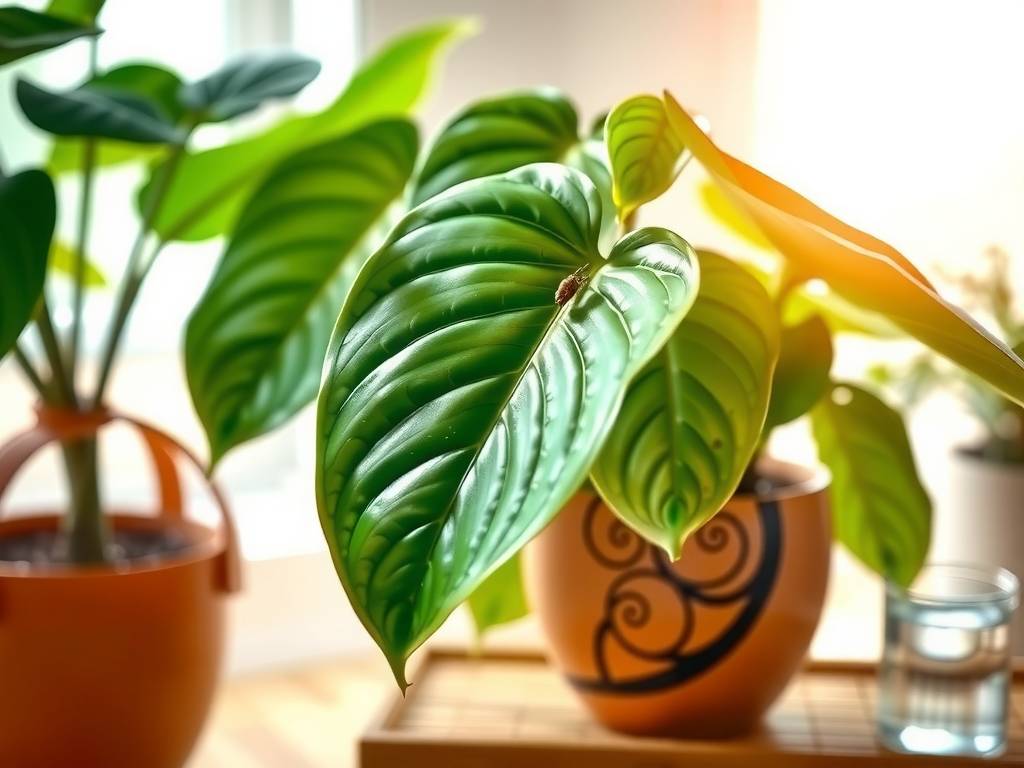
Native to the tropical rainforests of Central America and the Caribbean, the Heartleaf Philodendron (Philodendron hederaceum) is an epiphytic plant, meaning it often grows on other trees in its natural habitat. This key detail informs its care: it prefers bright, indirect light (like the dappled sunlight under a forest canopy), well-aerated soil, and consistent moisture without being waterlogged. Its adaptability is why it's a beloved beginner-friendly plant, but to unlock its full potential for lush, shiny growth, a deeper understanding is needed.
Essential Care for Glossy Foliage
The Perfect Light for Luster Light is the most critical factor for achieving shiny leaves. Direct sunlight will scorch the leaves, causing brown, crispy patches and fading their color. Insufficient light leads to leggy growth with small, widely spaced leaves that lose their gloss. Place your Heartleaf Philodendron in a spot with plenty of bright, indirect light. An east-facing window is ideal, or a few feet back from a south or west-facing window, shielded by a sheer curtain. The leaves will naturally orient themselves toward the light source. Rotate the pot a quarter turn every week to ensure even growth and prevent one-sided sparse vines. According to the Royal Horticultural Society (RHS), foliage plants like philodendrons require good light levels to maintain leaf production and quality, but direct summer sun should be avoided.
Watering Wisdom: The Root of Health Overwatering is the fastest way to harm your plant, leading to root rot and yellow, limp leaves. Underwatering causes the leaves to wilt and become dry. The goal is to mimic the moist but not soggy conditions of a tropical forest floor. Water your Heartleaf Philodendron thoroughly when the top 1-2 inches of soil feel dry to the touch. Ensure water flows freely from the drainage holes, and never let the plant sit in standing water. In winter, reduce watering frequency as plant growth slows and evaporation decreases. Using room-temperature water is best, as cold water can shock the roots.
Soil and Potting: Foundation for Growth The right soil mix ensures healthy roots, which directly translate to healthy, shiny leaves. A dense, moisture-retentive mix will suffocate roots. Use a well-draining, peat-based or coco coir potting mix. A great recipe is to combine two parts of a standard indoor potting mix with one part perlite and one part orchid bark or horticultural charcoal. This creates an airy, chunky medium that retains some moisture while allowing excess water to drain and oxygen to reach the roots. Repot every 1-2 years in spring, moving up only one pot size (1-2 inches larger in diameter) to prevent excess wet soil around the root ball.
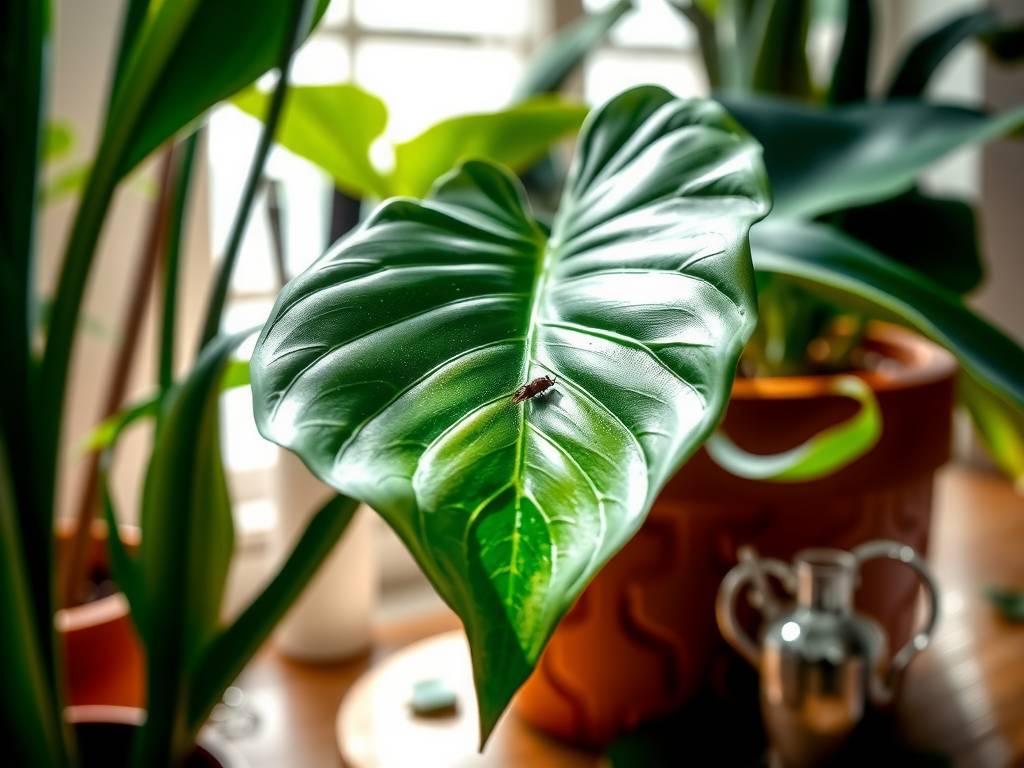
Humidity: The Secret for a Tropical Glow While tolerant of average home humidity, Heartleaf Philodendrons truly thrive with extra humidity, which promotes larger leaves and that coveted glossy finish. Aim for 40-60% humidity. You can increase humidity by grouping plants together, placing the pot on a pebble tray filled with water (ensure the pot sits above the water line), or using a room humidifier. Misting provides a temporary boost but is less effective for sustained humidity and should be done in the morning to allow leaves to dry, preventing fungal issues. The American Horticultural Society (AHS) notes that increasing humidity around tropical plants can significantly reduce stress and improve foliar appearance.
Feeding for Vibrant Leaves Regular feeding during the growing season provides the nutrients necessary for robust growth and leaf production. From spring through early fall, feed your Heartleaf Philodendron with a balanced, water-soluble fertilizer (e.g., 10-10-10 or 20-20-20) diluted to half the recommended strength every 4-6 weeks. Avoid fertilizing in the winter when the plant is dormant. Over-fertilization can cause salt buildup in the soil, leading to brown leaf tips and margins. Flush the soil with water every few months by letting water run through the pot for a minute to leach out excess salts.
Advanced Tips for Maximum Shine
Pruning and Training for Fullness Don’t be afraid to prune! Regular pruning encourages bushier growth, prevents a sparse, leggy appearance, and directs the plant's energy to producing new, shiny leaves. Use clean, sharp scissors to trim back long vines just above a leaf node (the point where a leaf attaches to the stem). This will stimulate new growth from that node. You can train the vines to climb a moss pole or trellis, which often results in larger, more mature leaf forms. Alternatively, let them cascade beautifully from a hanging basket.
Cleaning the Leaves for Optimal Photosynthesis Dust accumulation on leaves blocks sunlight and clogs the pores (stomata), hindering photosynthesis and making leaves look dull. Gently wipe the leaves with a soft, damp cloth every few weeks. For a deeper clean, you can give the plant a lukewarm shower (gentle water pressure) or wipe leaves with a solution of mild soap and water, followed by a rinse. Always support the leaf from underneath while cleaning. This not only restores shine but also helps prevent pest infestations.
Propagation: Share the Love Propagating your Heartleaf Philodendron is simple and a great way to create fuller plants or share with friends. Take stem cuttings with at least 2-3 nodes and a few leaves. Place the cut end in water or moist sphagnum moss, ensuring the node is submerged or buried. Roots will develop in a few weeks. Once roots are a few inches long, pot the cutting in soil. You can also place cuttings directly into soil, keeping it consistently moist initially.
Troubleshooting Common Issues
- Yellow Leaves: Most often caused by overwatering. Check soil moisture and ensure proper drainage. Can also be due to underfeeding or natural aging of lower leaves.
- Brown Leaf Tips/Crispy Edges: Usually a sign of low humidity or underwatering. It can also indicate fertilizer burn or fluoride/chlorine in tap water. Use filtered or distilled water if this is a persistent issue.
- Leggy Growth with Small Leaves: A clear sign of insufficient light. Move the plant to a brighter location.
- Loss of Variegation (for variegated types): Reverting to solid green means the plant isn't getting enough light. It's producing more chlorophyll to compensate.
- Pests: Watch for common pests like spider mites (fine webbing), mealybugs (white cottony masses), and aphids. Treat early with insecticidal soap or neem oil, isolating the affected plant.
Why are the leaves on my Heartleaf Philodendron not shiny? Dull leaves are typically caused by a buildup of dust, low humidity, or insufficient light. Regularly cleaning the leaves and providing adequate humidity and bright, indirect light will restore their natural gloss. Underwatering can also cause leaves to look limp and lackluster.
How often should I water my Heartleaf Philodendron? There's no fixed schedule. The frequency depends on light, temperature, pot size, and soil. Always use the "finger test": water thoroughly only when the top 1-2 inches of soil are dry. This might be once a week in summer and every 10-14 days in winter, but always check first.
Is the Heartleaf Philodendron toxic to pets? Yes. Like all philodendrons, the Heartleaf contains calcium oxalate crystals, which are toxic to cats, dogs, and humans if ingested. It can cause oral irritation, drooling, and vomiting. Keep this plant out of reach of curious pets and children.
Caring for a Heartleaf Philodendron is a rewarding journey. By mastering the balance of bright indirect light, mindful watering, well-draining soil, and boosted humidity, you create the perfect environment for it to thrive. Regular pruning and leaf cleaning are the final touches that encourage a dense, vibrant plant with the iconic, glossy heart-shaped leaves that make this variety so cherished. Observe your plant, respond to its signals, and enjoy the lush, trailing beauty it brings to your space for years to come.