bluename
 How to Care for Fiddleleaf Philodendron - Lush Growth with Fiddle-Shaped Leaves
You’ve finally brought home that stunning fiddleleaf philodendron, captivated by its dramatic, violin-shaped leaves that promise to transform your space into a lush, indoor jungle. But now, the anxiety sets in. You notice a single brown spot, a slight droop, or a leaf that just won’t shine, and you’re left wondering: “Am I going to be the reason this beautiful plant doesn’t thrive?” The fear of overwatering, the confusion about proper light, and the mystery behind achieving those large, glossy leaves are common struggles for many plant enthusiasts. This comprehensive guide is designed to demystify the care for your fiddleleaf philodendron, providing you with clear, actionable steps to not only keep it alive but to encourage vigorous, lush growth and maintain those iconic fiddle-shaped leaves.
Understanding Your Fiddleleaf Philodendron
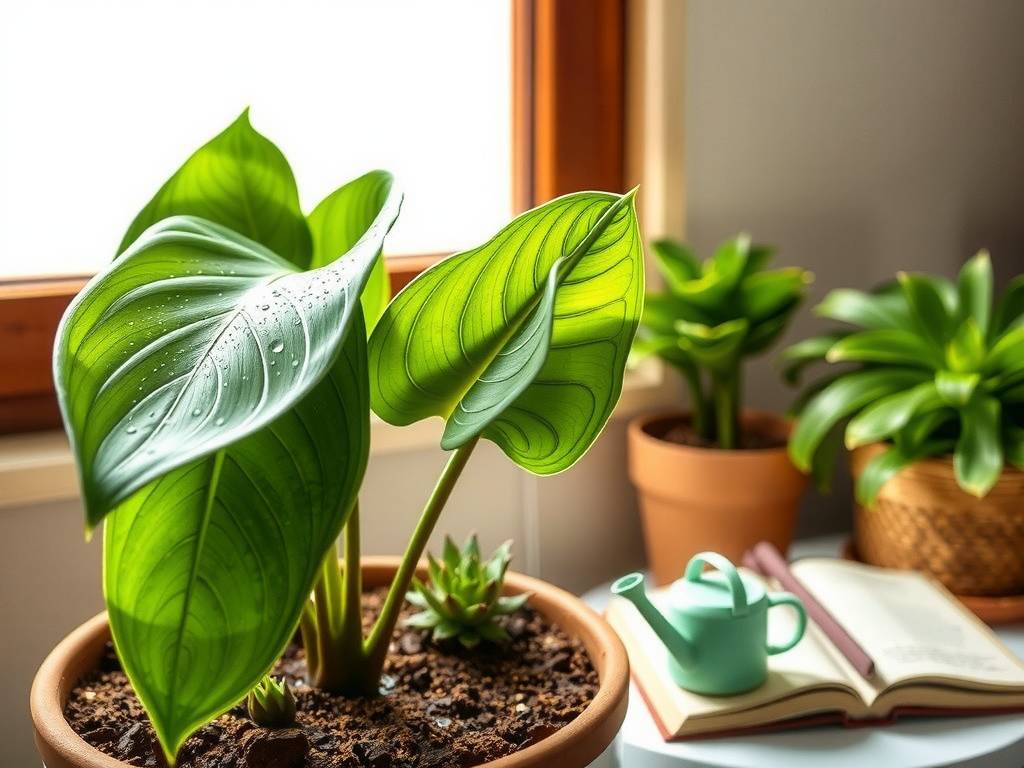
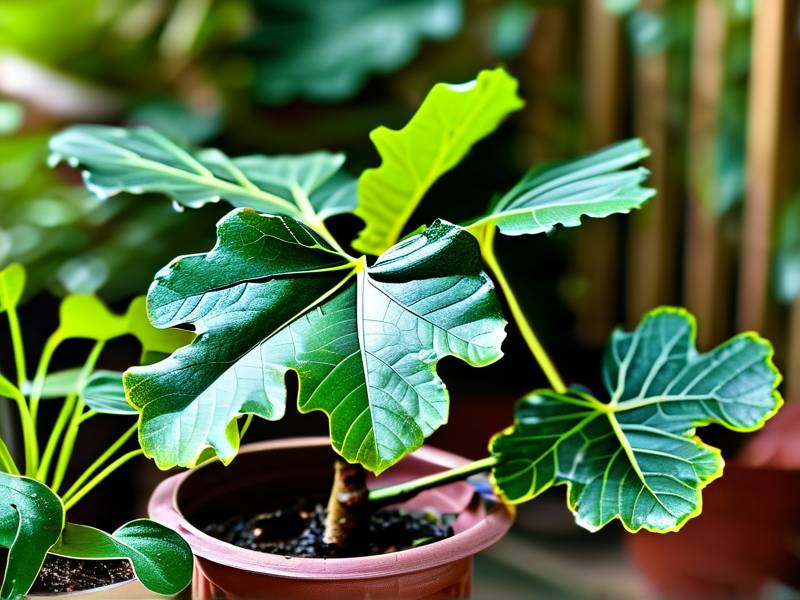
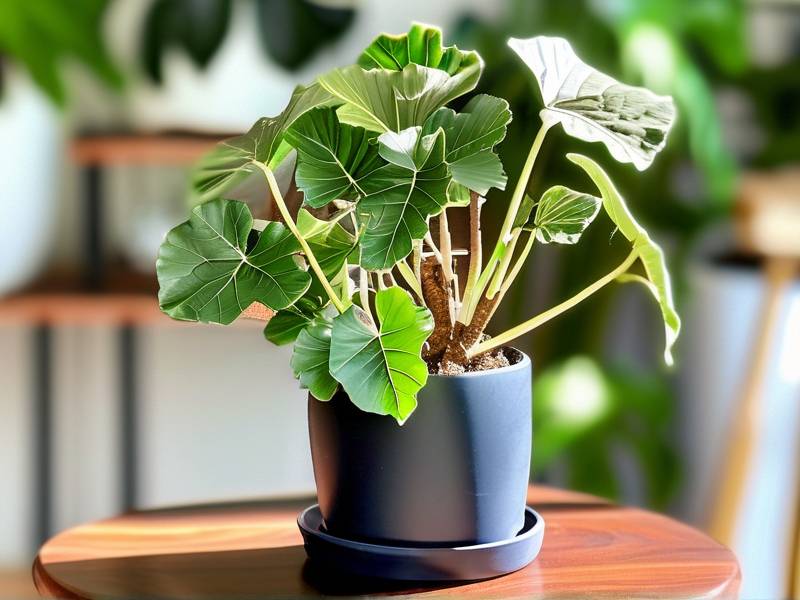
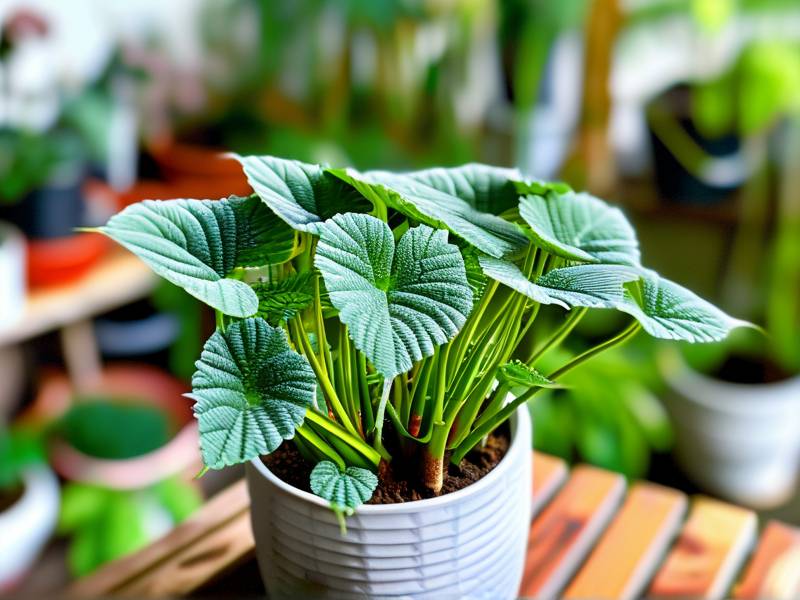
Native to the tropical rainforests of West Africa, the fiddleleaf philodendron (Philodendron panduriforme) is an epiphytic plant, meaning it often grows on other trees in its natural habitat. This origin story is the key to understanding its care needs. It craves bright, filtered light, consistent moisture without soggy roots, and appreciates humidity. Unlike its cousin the Fiddle Leaf Fig (Ficus lyrata), the fiddleleaf philodendron is generally more adaptable and forgiving, making it an excellent choice for those seeking a bold, tropical look with a slightly less demanding routine.
The Essential Guide to Fiddleleaf Philodendron Care
Providing the Perfect Light
Light is the most critical factor for nurturing a healthy fiddleleaf philodendron with large leaves. These plants thrive in bright, indirect light. An east-facing window is ideal, offering gentle morning sun. A spot a few feet back from a south or west-facing window, shielded by a sheer curtain, also works perfectly.
Direct afternoon sun can scorch the leaves, leaving unsightly brown, crispy patches. Conversely, too little light will lead to stunted growth, abnormally small leaves, and increased distance between stems (legginess), as the plant stretches desperately for a light source. If you only have lower light conditions, consider supplementing with a grow light to ensure your philodendron gets the energy it needs for lush growth.
Mastering the Watering Routine
Watering is where most plant parents stumble. The goal is to mimic the tropical, well-aerated environment of its roots in the wild. The golden rule is to water thoroughly only when the top 1-2 inches of soil feel dry to the touch. Insert your finger into the potting mix; if it feels moist, wait a few more days.
When you do water, do so deeply until water flows freely from the drainage holes at the bottom of the pot. This ensures the entire root ball is hydrated. Crucially, always empty the saucer or cache pot after 15-20 minutes to prevent root rot. According to best practices from the American Horticultural Society (AHS), “The cycle of thorough watering followed by a period of drying is key to promoting healthy root systems in container plants.” Overwatering, which leads to constantly soggy soil, is the fastest way to cause yellowing leaves, root rot, and plant decline.
Choosing the Right Soil and Pot
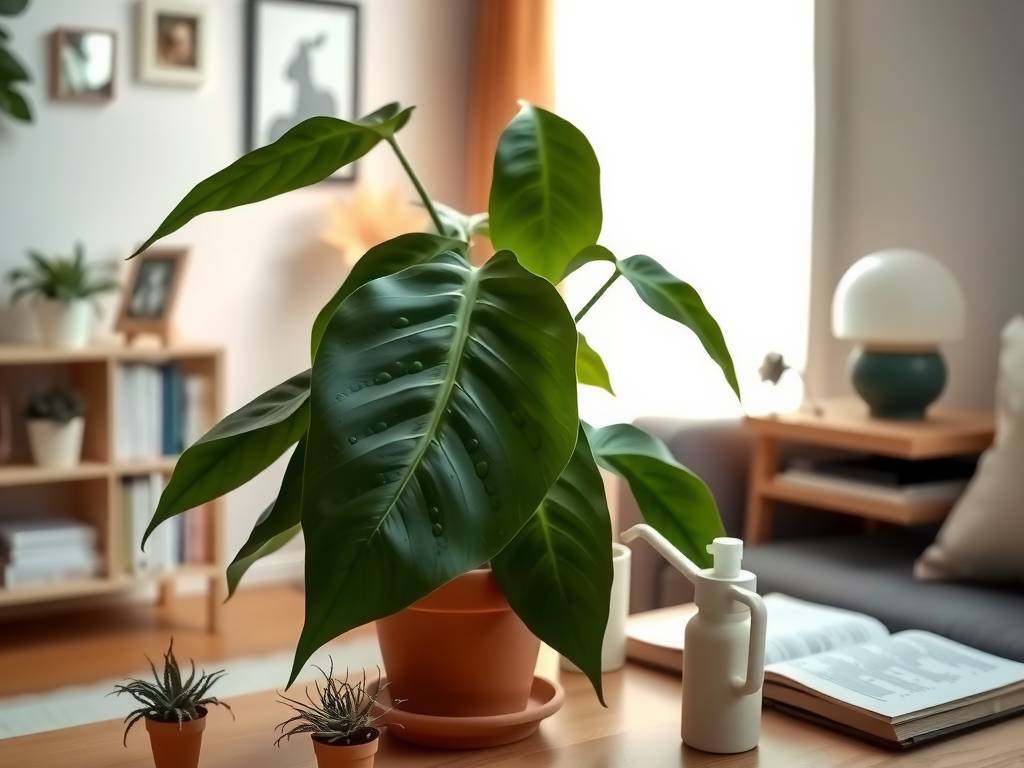
A well-draining, airy potting mix is non-negotiable. A standard houseplant soil amended with perlite, orchid bark, or coco coir will provide the drainage and aeration the roots require. You can use a high-quality aroid mix, which is specifically formulated for plants like philodendrons.
Your pot must have adequate drainage holes. Terracotta pots are an excellent choice as they are porous, allowing the soil to dry more evenly and reducing the risk of overwatering. Repot your fiddleleaf philodendron every 1-2 years in spring, sizing up only 1-2 inches in pot diameter to prevent excess soil from staying wet too long.
Creating a Humid Environment
While more tolerant than some tropicals, your fiddleleaf philodendron will truly flourish with added humidity. This is essential for preventing brown, crispy leaf edges and encouraging the unfurling of new, large leaves. Aim for a humidity level above 50%.
You can increase humidity by grouping plants together, using a pebble tray filled with water (ensure the pot sits on the pebbles, not in the water), or employing a room humidifier. Misting provides a very temporary boost and is not a substitute for consistent ambient humidity. The Royal Horticultural Society (RHS) notes that “for tropical foliage plants, maintaining adequate humidity can significantly improve leaf quality and overall plant health.”
Feeding for Fiddle-Shaped Leaf Growth
To support the development of those expansive, fiddle-shaped leaves, your plant needs nutrients during its active growing season (spring and summer). Feed it monthly with a balanced, water-soluble fertilizer (such as a 10-10-10 or 20-20-20 formula), diluted to half the recommended strength. Over-fertilizing can damage roots and cause leaf burn. Refrain from fertilizing in fall and winter when growth naturally slows.
Pruning and Cleaning for a Lush Appearance
Pruning isn’t strictly necessary for health but is fantastic for shaping your plant and encouraging bushier, more lush growth. If your plant becomes leggy, you can cut back a stem just above a leaf node (the small bump where a leaf meets the stem). This will often stimulate new growth from that point or from the base of the plant.
Regularly wipe the large leaves with a damp, soft cloth. This removes dust that can block sunlight, allowing the plant to photosynthesize more efficiently. It also gives you a chance to inspect for pests and keeps your plant looking its glossy best.
Troubleshooting Common Problems
- Yellowing Leaves: Often a sign of overwatering. Check your soil moisture and watering frequency. Could also indicate a need for fertilizer.
- Brown, Crispy Leaf Edges: Typically caused by low humidity, underwatering, or a buildup of salts and minerals from tap water or fertilizer. Consider using filtered or distilled water and increase humidity.
- Drooping Leaves: Usually a sign of thirst (underwatering). Can also occur after repotting (transplant shock) or from cold drafts.
- Pests: Keep an eye out for common houseplant pests like spider mites, mealybugs, and scale. Wipe leaves regularly and treat any infestations early with insecticidal soap or neem oil.
Propagating Your Philodendron
Sharing your plant is easy! The most reliable method is stem cuttings. In spring or summer, cut a 4-6 inch stem section with at least one node. Place the cutting in water or moist sphagnum moss, ensuring the node is submerged or buried. Place in bright, indirect light and wait for roots to develop (usually in a few weeks). Once roots are a few inches long, pot it up in fresh soil. This is a rewarding way to expand your collection or share the joy of fiddleleaf philodendrons with friends.
Why are the new leaves on my fiddleleaf philodendron smaller than the old ones? This is most commonly due to insufficient light. The plant doesn’t have enough energy to produce large leaves. Move it to a brighter location with indirect light. Other factors can include a lack of nutrients or the plant being root-bound and needing repotting.
Can I place my fiddleleaf philodendron outside in the summer? Yes, with caution. Acclimate it gradually to avoid sunburn by placing it in full shade first, then moving to a spot with dappled light. Never place it in direct, hot sun. Remember to bring it back inside well before nighttime temperatures drop below 60°F (15°C).
Is the fiddleleaf philodendron toxic to pets? Yes. Like many philodendrons, it contains calcium oxalate crystals, which can cause oral irritation, drooling, and digestive upset if ingested by cats or dogs. It’s best to place this plant out of reach of curious pets.
Caring for a fiddleleaf philodendron is a deeply rewarding experience. By understanding its need for bright, filtered light, a careful watering rhythm, and a humid atmosphere, you set the stage for remarkable growth. Paying attention to its soil, providing gentle nourishment, and keeping its leaves clean are the final touches in your plant care routine. Observe your plant closely—it will communicate its needs through its leaves. With this knowledge as your foundation, you can confidently nurture your fiddleleaf philodendron into a thriving, lush centerpiece, its distinctive fiddle-shaped leaves a testament to your attentive care. Enjoy the journey of growing alongside this magnificent tropical plant.