bluename
 How to Care for Red King Philodendron - Red Leaves & Erect Form Secrets
You've brought home the stunning Red King Philodendron, captivated by its promise of deep, wine-red leaves and a statuesque, upright form. But now, the anxiety sets in. Why are the new leaves emerging green instead of red? Why is your prized plant starting to sprawl or look leggy, losing that compact, regal silhouette you paid for? You're not alone. The journey from a vibrant nursery specimen to a thriving long-term houseplant is where many enthusiasts stumble. The secrets to unlocking and maintaining that iconic red foliage and commanding erect growth lie in mastering a few critical, interconnected aspects of care. This guide will demystify the process, turning your worries into confidence.
Understanding Your Red King Philodendron
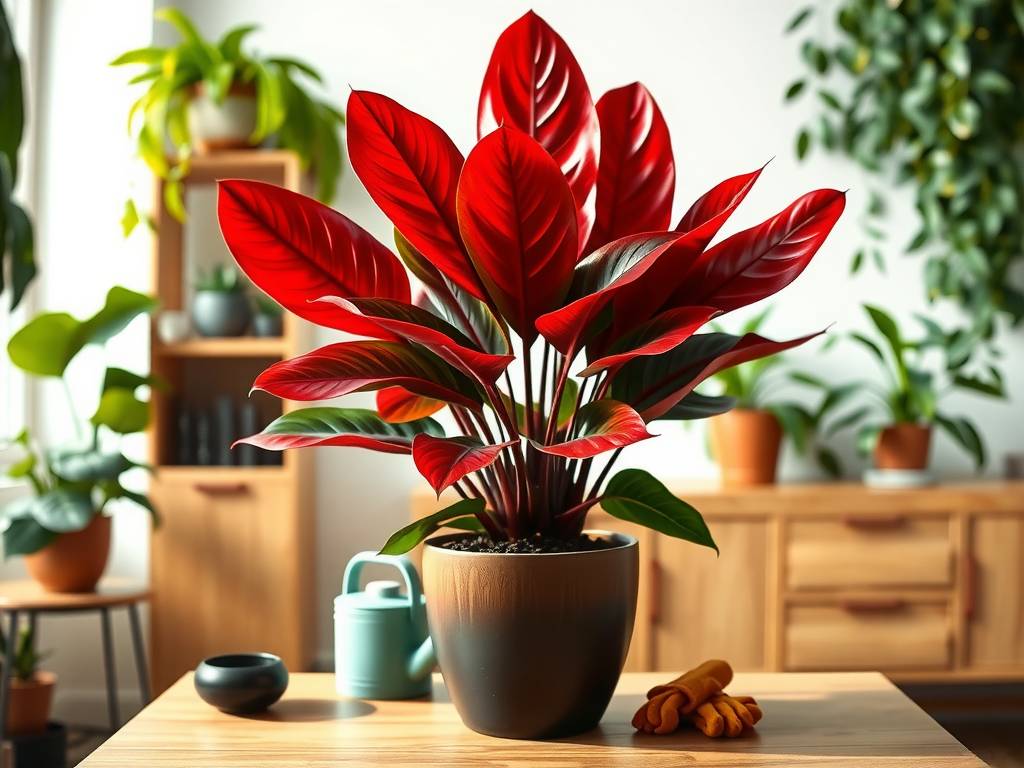
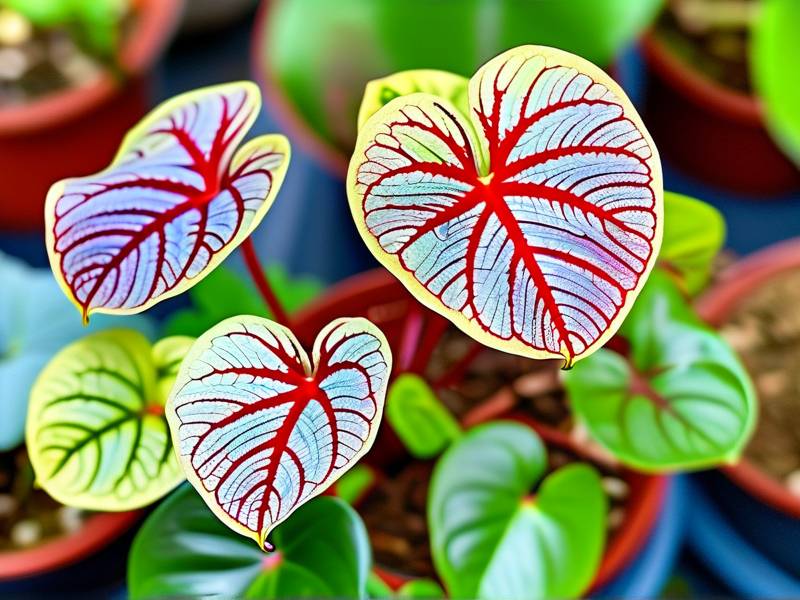
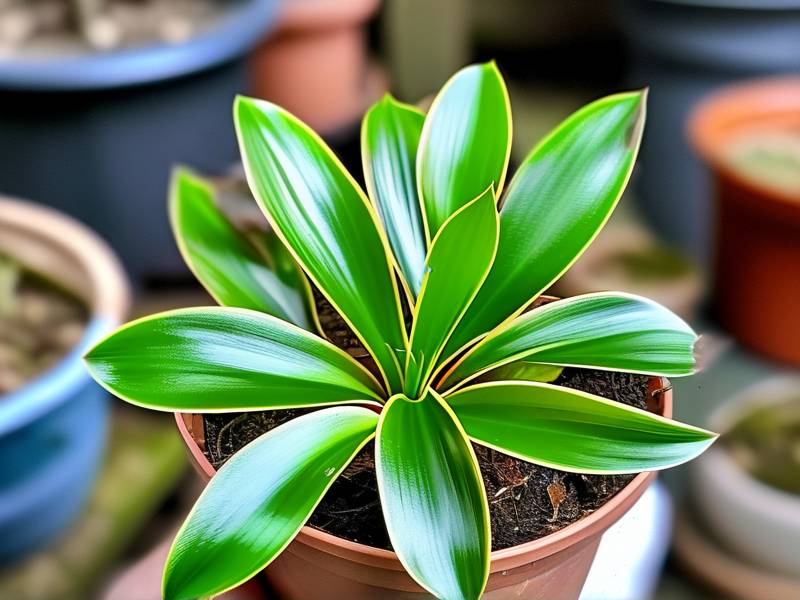
Before diving into care, it's crucial to know what makes this plant special. The Red King Philodendron is a cultivated variety prized for its dramatic foliage. Its leaves can emerge a bright, coppery red, maturing to a deep, glossy burgundy or greenish-red, depending on light conditions. Unlike many vining philodendrons, the Red King exhibits a self-heading or upright growth habit. It grows from a central stem, sending out leaves on long, sturdy petioles, aiming for the sky rather than trailing down. This inherent tendency for erect form is genetic, but without proper care, it can become compromised.
The Secret to Vibrant Red Leaves
The most common question about Red King Philodendron care is, "How do I keep the leaves red?" The answer is almost entirely about one factor: light.
Light: The Color Dial for Your Plant
Think of light as the dial that controls the intensity of your Red King's red pigmentation. Anthocyanins, the pigments responsible for red, purple, and blue hues in plants, are produced in response to light exposure. For optimal red leaf development, your Red King needs bright, indirect light. An east-facing window is ideal, providing gentle morning sun. A spot a few feet back from a south or west-facing window, shielded by a sheer curtain, also works perfectly. Insufficient light is the prime culprit for green leaves. In low light, the plant prioritizes chlorophyll production (green pigment) for basic survival, causing the stunning reds to fade or new leaves to emerge green. Direct, harsh afternoon sun, however, can scorch the leaves, causing brown, crispy patches. The goal is abundant light without the burn. A study on foliar pigmentation in ornamentals, cited in the Journal of the American Society for Horticultural Science (ASHS), supports that light quality and intensity are paramount in enhancing anthocyanin expression. Your Red King is a living example of this science.
Watering: The Balancing Act
Watering is where most houseplants meet their fate, and the Red King is no exception. Its goal is consistent moisture without waterlogging. The "soak and dry" method is highly effective. Water your plant thoroughly until water runs freely from the drainage holes. This ensures the entire root ball is hydrated. Then, allow the top 1-2 inches of soil to dry out completely before watering again. You can check this with your finger. The erect form of your Philodendron depends on a healthy root system. Overwatering leads to root rot, which destroys roots, causing the plant to become unstable, wilt, and lose its structural integrity from the bottom up. Underwatering will cause leaves to droop and crisp at the edges. As noted by experts at the Royal Horticultural Society (RHS), philodendrons prefer a humid environment and moist soil, but good drainage is non-negotiable to prevent stem and root rot.
Soil and Potting: The Foundation of Erect Growth
The right soil mix provides the physical anchor and nutritional base for your plant's upright form. A well-draining, aerated potting mix is essential. A good base recipe is two parts high-quality potting mix, one part perlite, and one part orchid bark or coco coir. This combination retains some moisture while allowing excess water to drain rapidly and letting roots breathe. Choose a pot with ample drainage holes. The pot size should be only 1-2 inches larger in diameter than the root ball. A pot that's too large holds excess wet soil, increasing rot risk. A sturdy pot also provides physical support. Repot every 1-2 years in spring to refresh the soil and provide room for growth.
Humidity and Temperature: Recreating the Tropics
Native to tropical regions, the Red King Philodendron thrives in warm, humid conditions. Aim for humidity levels above 60%. In dry homes, especially during winter, use a humidifier, place the plant on a pebble tray filled with water, or group it with other plants to create a microclimate. Ideal temperatures range from 65°F to 80°F (18°C to 27°C). Avoid cold drafts from windows, doors, or air conditioning vents, as temperatures below 55°F (13°C) can damage the plant. Consistent warmth supports steady growth, contributing to a strong, upright form.
Feeding for Strength and Color
Fertilizer provides the nutrients needed for robust growth and rich leaf color. During the active growing season (spring and summer), feed your Red King with a balanced, water-soluble fertilizer (e.g., a 10-10-10 or 20-20-20 formula) diluted to half-strength every 4-6 weeks. A fertilizer with a slight boost in micronutrients like magnesium and iron can also support vibrant foliage. Do not fertilize in fall and winter when growth slows. Over-fertilization can lead to salt buildup in the soil, causing root burn and leaf tip damage.
Pruning and Maintenance for Perfect Form
Pruning is your direct tool for shaping your Red King and encouraging its best form. To encourage a bushier, more compact plant with an erect form, you can prune the very top of the central stem (apical meristem). This redirects energy to lower growth points, promoting side shoots. Always use clean, sharp scissors or pruning shears. Remove any yellowing or damaged leaves at the stem base to keep the plant healthy and aesthetically pleasing. Regularly wipe the large leaves with a damp cloth to remove dust, allowing them to photosynthesize efficiently. A clean plant is a healthy, photosynthetically efficient plant.
Common Problems and Solutions
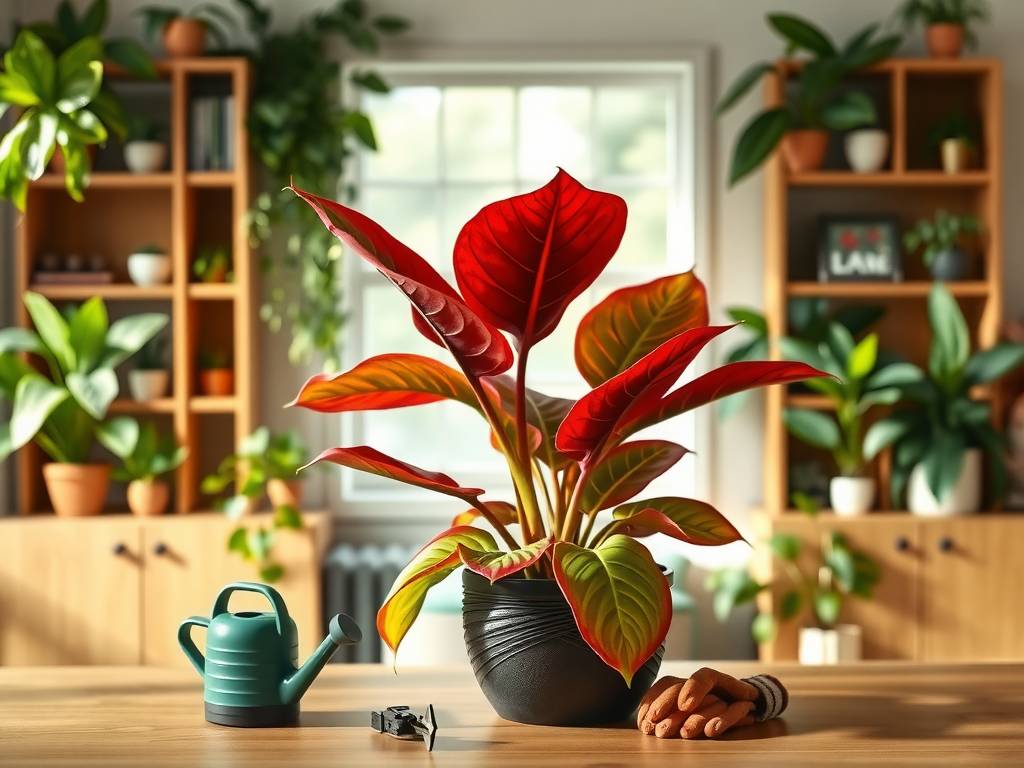
Even with great care, issues can arise. Here’s a quick diagnostic guide:
- Yellowing Leaves: Often a sign of overwatering. Check soil moisture and drainage.
- Brown, Crispy Leaf Edges: Usually indicates low humidity or underwatering.
- Leggy Growth with Small Leaves: A clear signal of insufficient light. Move to a brighter location.
- Pests: Watch for mealybugs, spider mites, and scale. Isolate the plant and treat with insecticidal soap or neem oil.
Propagating Your Red King
You can propagate your Red King Philodendron through stem cuttings. Take a cutting with at least one node (the bump on the stem where leaves emerge) and 1-2 leaves. Place it in water or moist sphagnum moss until roots develop, then pot it up. This is a great way to share the plant or create a fuller pot.
Frequently Asked Questions
Why are the new leaves on my Red King Philodendron green? This is almost always due to insufficient light. The plant is producing more chlorophyll to capture scarce light. Gradually move it to a brighter location with plenty of indirect light, and new growth should regain its red hues.
How can I make my Red King more bushy instead of tall and single-stemmed? To promote a bushier erect form, consider pruning the top few inches of the main stem. This removes the apical dominance and encourages the plant to branch out from lower nodes, creating a fuller appearance.
What is the best way to support my Red King as it grows taller? While it has an upright habit, a very tall specimen may benefit from subtle support. You can gently tie the main stem to a slim, sturdy moss pole or bamboo stake. This helps anchor it and prevents any leaning, especially if the light source is strongly directional.
Mastering the care for your Red King Philodendron is a rewarding journey. By providing bright, indirect light as the cornerstone for red leaves, and combining it with disciplined watering, chunky well-draining soil, and warm humidity, you create the perfect environment. This holistic approach supports the strong root and stem system that naturally leads to its impressive erect form. Pay attention to its signals—leaf color and posture are its primary language. With these secrets in hand, you are well-equipped to cultivate not just a surviving plant, but a thriving, majestic Red King that will be the centerpiece of your indoor jungle for years to come.