bluename
 How to Care for Green King Philodendron - Dark Green Foliage & Vigorous Growth
You've brought home a stunning Green King Philodendron, captivated by its promise of lush, dark green foliage and vigorous growth. But now, the leaves are looking a bit pale, growth has stalled, or perhaps you're worried about keeping this beauty thriving. Achieving that deep, majestic color and robust growth isn't just about luck; it's about understanding its specific needs. This comprehensive guide will walk you through every step to ensure your Green King Philodendron not only survives but truly flourishes.
Understanding Your Green King Philodendron
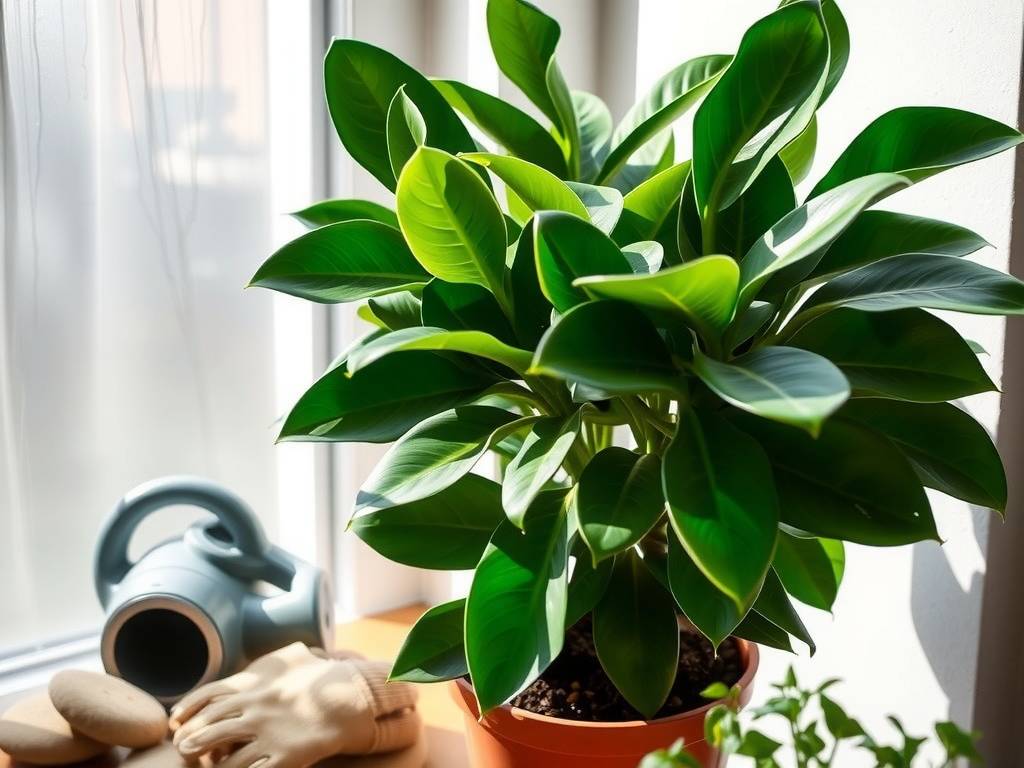
The Green King Philodendron is a standout variety prized for its large, deeply colored leaves and resilient nature. It belongs to the Philodendron genus, a group known for its adaptability, but the Green King has particular preferences to unlock its full potential. Its signature dark green foliage is more than just aesthetic; it's a sign of excellent health and proper care. Vigorous growth follows when its core needs for light, water, and nutrients are met consistently.
Perfect Light Conditions for Deep Color
Light is the single most important factor for maintaining the dark green foliage of your Green King Philodendron. It's a common misconception that low-light plants thrive in dark corners.
This plant requires bright, indirect light to produce the energy needed for its vigorous growth and rich leaf pigmentation. An east-facing window is ideal, providing gentle morning sun. A spot a few feet back from a south or west window, shielded by a sheer curtain, also works perfectly.
Direct afternoon sunlight will scorch the leaves, causing unsightly brown or yellow patches. Conversely, too little light will lead to leggy growth, with longer stems and smaller, paler leaves as the plant stretches toward any light source. If you notice the dark green color fading to a lighter lime green, it's a clear sign your plant is begging for more light. Consider rotating the pot a quarter turn weekly to ensure even growth and coloration on all sides.
The Ideal Watering Routine
Watering is where most plant enthusiasts face challenges. The goal for a Green King Philodendron is consistently moist but never soggy soil. Overwatering is a fast track to root rot, the most common killer of houseplants.
The best method is the "finger test." Insert your finger about two inches into the soil. If it feels dry at that depth, it's time to water thoroughly. Water until you see it draining freely from the bottom of the pot, ensuring the entire root ball is hydrated. Then, always empty the saucer or cache pot after 15 minutes to prevent the roots from sitting in water.
Your watering frequency will change with the seasons. During the spring and summer growing season, you may water once a week. In the dormant fall and winter months, it might only need water every two to three weeks. Always let the soil's moisture level, not the calendar, be your guide. Using room-temperature water is also kinder to the roots than cold water straight from the tap.
Soil and Potting for Healthy Roots
The right soil mix provides the foundation for vigorous growth. Your Green King Philodendron needs a well-aerated, fast-draining mix that retains some moisture without becoming compacted.
A high-quality, peat-based potting mix formulated for aroids is an excellent start. To improve drainage further, many experts, including those from the American Horticultural Society (AHS), recommend amending standard mixes. A perfect blend could be two parts potting mix, one part orchid bark or perlite, and one part horticultural charcoal. This creates an airy structure that allows roots to breathe and prevents waterlogging.
Choose a pot with ample drainage holes. Terracotta pots are excellent as they are porous, allowing soil to dry more evenly and reducing the risk of overwatering. Repot your Green King every 1-2 years in spring, sizing up only 1-2 inches in pot diameter to prevent excess soil from staying wet too long.
Humidity and Temperature Preferences
Native to tropical rainforests, the Green King Philodendron thrives in higher humidity. While it can adapt to average household humidity (around 30-40%), boosting humidity will directly contribute to larger, glossier leaves and more vigorous growth.
Aim for 50-60% relative humidity. You can achieve this by using a humidifier placed nearby, grouping it with other plants to create a microclimate, or setting the pot on a pebble tray filled with water (ensure the pot sits above the waterline). Misting provides a temporary boost but is less effective than consistent ambient humidity.
Maintain temperatures between 65°F and 80°F (18°C - 27°C). Protect your plant from cold drafts, air conditioning vents, and sudden temperature fluctuations, which can cause stress and leaf drop.
Feeding for Vigorous Growth and Rich Foliage
To support its impressive growth, your Green King Philodendron needs regular feeding during its active growing period. Nutrients are essential for maintaining that coveted dark green color and promoting new leaf development.
Use a balanced, water-soluble fertilizer (with an equal NPK ratio like 10-10-10 or 20-20-20) or one slightly higher in nitrogen. Dilute it to half the recommended strength and apply every 4-6 weeks from early spring through early fall. Do not fertilize in the winter when growth naturally slows.
Over-fertilization can cause salt buildup in the soil, leading to brown leaf tips and margins. If you see a white crust on the soil surface, flush the soil with water every few months by letting water run slowly through the pot for several minutes. This leaches out excess salts.
Pruning and Maintenance
Regular pruning keeps your Green King looking its best and encourages bushier, more vigorous growth. Use clean, sharp scissors or pruning shears to remove any yellowing or damaged leaves at the stem base. You can also trim back leggy vines just above a leaf node (the small bump on the stem where leaves emerge). This signals the plant to produce new growth from that point.
Gently wipe the large leaves with a damp cloth every few weeks. This removes dust that can block sunlight, allowing the plant to photosynthesize more efficiently for deeper green foliage. It also gives you a chance to inspect for pests.
Common Problems and Solutions
Even with great care, you might encounter an issue. Here’s how to troubleshoot:
- Yellowing Leaves: Often a sign of overwatering. Check soil moisture and ensure proper drainage. Older leaves occasionally yellow and die off naturally.
- Brown Leaf Tips: Usually indicates low humidity, underwatering, or fertilizer burn. Assess your care routine and adjust accordingly.
- Pale or Small New Leaves: Typically points to insufficient light or a need for fertilizer.
- Pests: Watch for mealybugs (cotton-like clusters) or spider mites (fine webbing). Wipe leaves with insecticidal soap or neem oil solution. The Royal Horticultural Society (RHS) advises early intervention with targeted, organic treatments to manage infestations before they spread.
Propagation: Sharing Your Green King
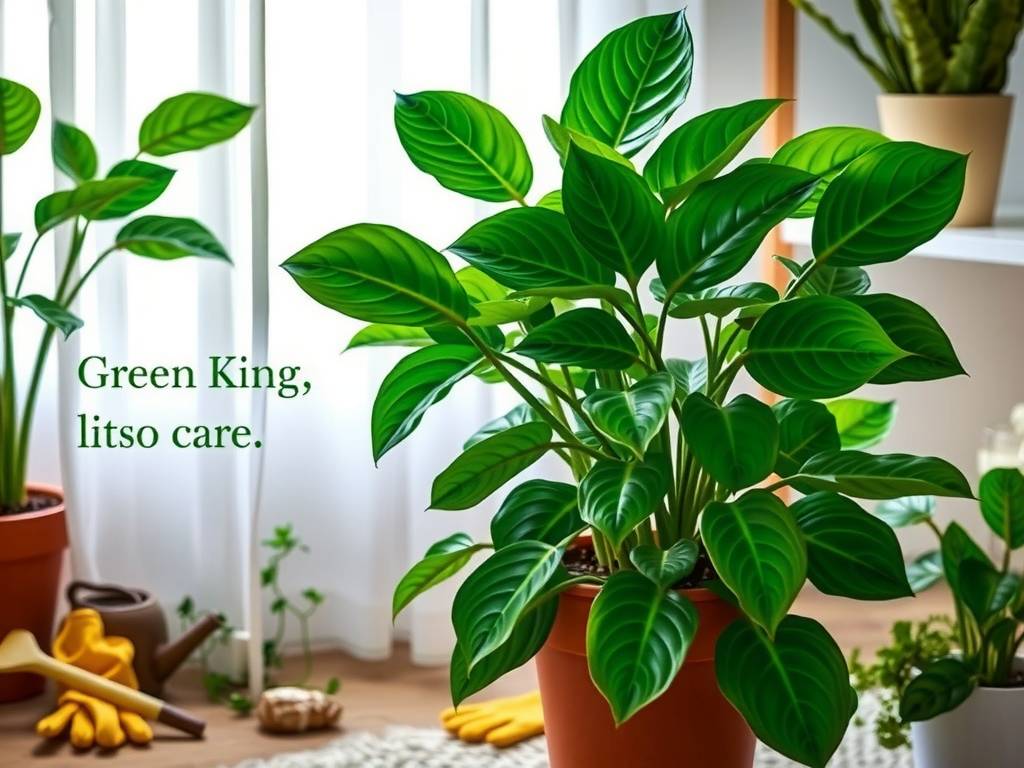
Propagating your philodendron is simple and rewarding. The best method is stem cuttings. In spring or summer, cut a 4-6 inch stem section with at least two nodes. Remove the bottom leaves and place the cutting in water or moist sphagnum moss. Ensure at least one node is submerged or buried. Place in bright, indirect light. Roots should develop in 2-4 weeks. Once roots are a few inches long, pot the cutting in fresh soil. This is a fantastic way to create new plants and encourage fuller growth on the original plant.
Is the Green King Philodendron pet-friendly?
No. Like many philodendrons, the Green King contains calcium oxalate crystals, which are toxic to cats and dogs if ingested. It can cause oral irritation, drooling, and vomiting. Keep this plant in a location inaccessible to curious pets.
Why are the new leaves on my plant smaller than the old ones?
This is frequently a light issue. As a vine grows longer, the distance between the leaves (the nodes) can increase, and leaves may become smaller if light intensity is insufficient. Move the plant to a brighter location (with indirect light) to encourage larger new growth. It can also occasionally indicate a need for fertilization or repotting if the plant is root-bound.
How often should I repot my Green King Philodendron?
A general rule is to repot every 1-2 years in the spring. Signs that it needs repotting include roots growing out of the drainage holes, water sitting on the surface and not absorbing, or a noticeable slowdown in growth despite proper care. When repotting, choose a container only 1-2 inches wider to prevent overpotting.
Caring for a Green King Philodendron is a deeply satisfying journey. By providing the right balance of bright, indirect light, careful watering, well-draining soil, and occasional feeding, you are setting the stage for a spectacular display. The reward is a resilient, fast-growing plant with stunning, dark green foliage that brings a vibrant, tropical elegance to any space. Pay attention to its signals—the color of its leaves, its growth pace—and adjust your care gently. With these guidelines, your Green King will be a centerpiece of your plant collection for years to come.