bluename
 How to Care for Aloe Vera? Bright Filtered Light Care Essentials
You’ve brought home a plump, vibrant aloe vera plant, dreaming of its soothing gel and air-purifying benefits. But weeks later, your once-lush succulent looks pale, limp, or has developed unsightly brown spots. The culprit? Most often, it’s improper light. Understanding how to care for aloe vera, particularly mastering its bright filtered light care essentials, is the key to unlocking its full, healthy potential.
This guide cuts through the confusion. We’ll move beyond vague advice and provide a clear, actionable roadmap. By focusing on the precise light needs of Aloe barbadensis miller, you’ll learn not just to keep it alive, but to help it thrive.
Why Light is the #1 Factor for Aloe Vera Health
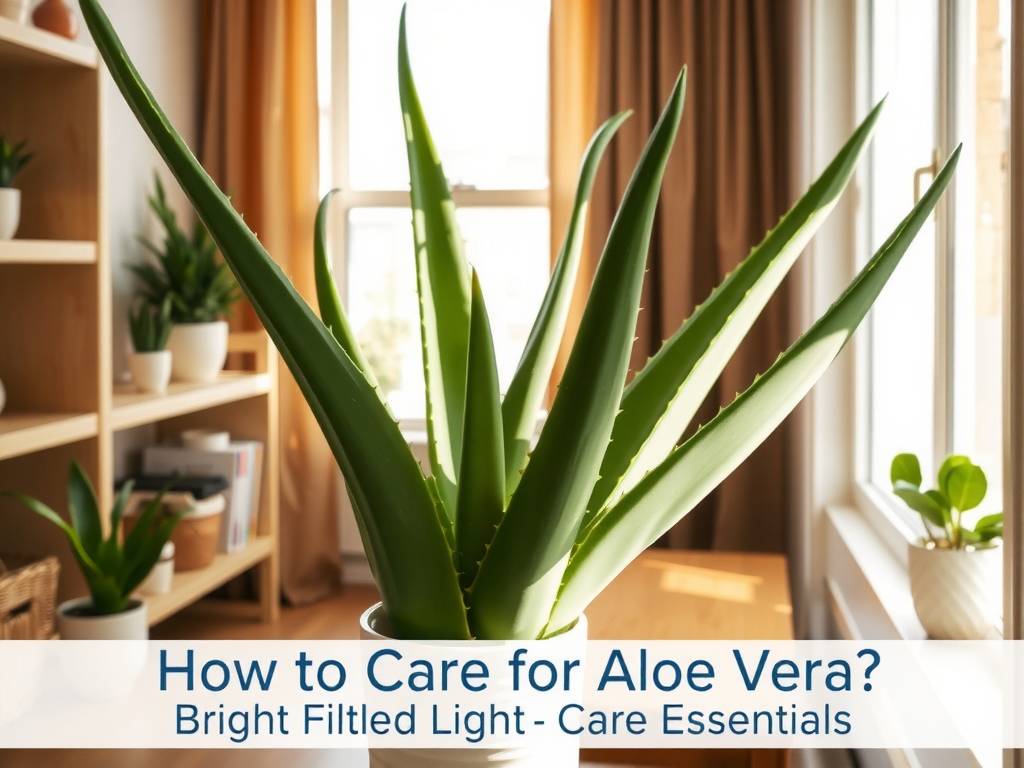
Aloe vera is a sun-loving succulent native to arid regions. In its natural habitat, it often grows under the partial shade of rocks or other plants, receiving intense but dappled sunlight. Replicating this bright, indirect light condition indoors is non-negotiable.
Insufficient light causes etiolation—your plant stretches out, becoming leggy and weak as it searches for the sun. The leaves lose their characteristic plumpness and rich green color, turning pale and floppy. Conversely, too much direct, harsh sunlight, especially through a hot window, leads to sunburn. This manifests as brown, crispy patches or an overall reddish-brown discoloration. Getting the light right prevents these common ailments and supports robust growth, potent gel, and even the chance of a rare flowering.
Decoding "Bright Filtered Light": A Practical Guide
So, what does "bright filtered light" actually mean for your home? It’s light that is abundant but softened. Imagine sunlight passing through a sheer curtain, the leaves of a tree, or a translucent blind. The goal is to provide high intensity without the scorching, direct rays of midday sun.
The Ideal Indoor Placement: The best spots are typically near east-facing or south-facing windows (in the Northern Hemisphere). An east-facing window offers gentle morning sun, which is usually safe and beneficial. A south-facing window provides strong light all day; here, you should position the plant a few feet back from the glass or use a sheer curtain to filter the intense afternoon rays. North-facing windows are generally too dim, while unfiltered west-facing windows can deliver harsh afternoon heat.
The Hand Shadow Test: Use this simple trick. On a sunny day, place your hand between the light source and your aloe plant’s location. A crisp, well-defined shadow indicates direct light. A soft, fuzzy shadow signifies the perfect bright, filtered light. A faint or barely-there shadow means the spot is too shady.
Beyond Light: The Supporting Care Cast
While light is the star, a supporting cast of proper watering, soil, and potting works in harmony. Neglecting these can undermine even perfect lighting.
Watering: The "Soak and Dry" Method Aloe vera stores water in its leaves. Overwatering is a faster killer than underwatering. Always allow the soil to dry out completely between waterings. Insert your finger into the soil up to the second knuckle—if it’s dry, it’s time to water. Soak the soil thoroughly until water runs out of the drainage holes, then let all excess drain away. Never let the plant sit in a saucer of water. In winter, reduce watering frequency significantly.
The Perfect Soil and Pot A well-draining cactus or succulent mix is essential. You can make your own by mixing standard potting soil with perlite or coarse sand (a 50/50 ratio works well). The pot must have a drainage hole. Terracotta pots are excellent as they are porous and help wick away excess moisture, reducing root rot risk.
Feeding and Repotting Aloe vera is not a heavy feeder. Fertilize sparingly, only during the active growing season (spring and summer), with a diluted, balanced houseplant fertilizer. Once a year is often sufficient. Repot every 2-3 years or when you see roots growing out of the drainage hole, refreshing the soil to provide new nutrients.
Troubleshooting Common Light-Related Issues
Even with care, problems can arise. Here’s how to diagnose and fix light-related issues:
- Pale, Leggy Growth: This is a classic sign of too little light. Gradually move your aloe to a brighter location. The new growth will be compact, but the stretched part will not shrink back. You can eventually propagate the healthier top section.
- Brown, Crispy Tips or Patches: This is sunburn. Immediately move the plant to a location with gentler, filtered light. The damaged leaves will not recover, but you can trim the crispy edges with clean scissors for aesthetics. New growth will be healthy if the light is corrected.
- Leaves Turning Brown or Reddish: Some reddish tinge can be normal "stress coloring" from very bright light and is not harmful if the plant is otherwise firm. However, if combined with soft, mushy leaves, it could indicate sun stress combined with overwatering. Assess both conditions.
Expert Insight: What the Science Says
Renowned horticulturist and author Dr. Linda Chalker-Scott emphasizes the importance of mimicking natural conditions. In her work on plant stress physiology, she notes, "Plants like aloe vera have evolved specific photoprotective mechanisms for high-light environments. When we suddenly move them from low light to intense sun, we overwhelm these systems, causing cellular damage—sunburn." This underscores the need for the filtered aspect of bright light and for acclimating plants to new locations gradually.
My aloe vera feels soft and mushy at the base. Is it the light? While poor light weakens the plant, soft, mushy leaves are almost always a sign of overwatering and potential root rot. Immediately stop watering, check the roots for rot (brown, slimy roots), repot in fresh, dry succulent mix, and ensure it’s in bright, filtered light to help the soil dry properly.
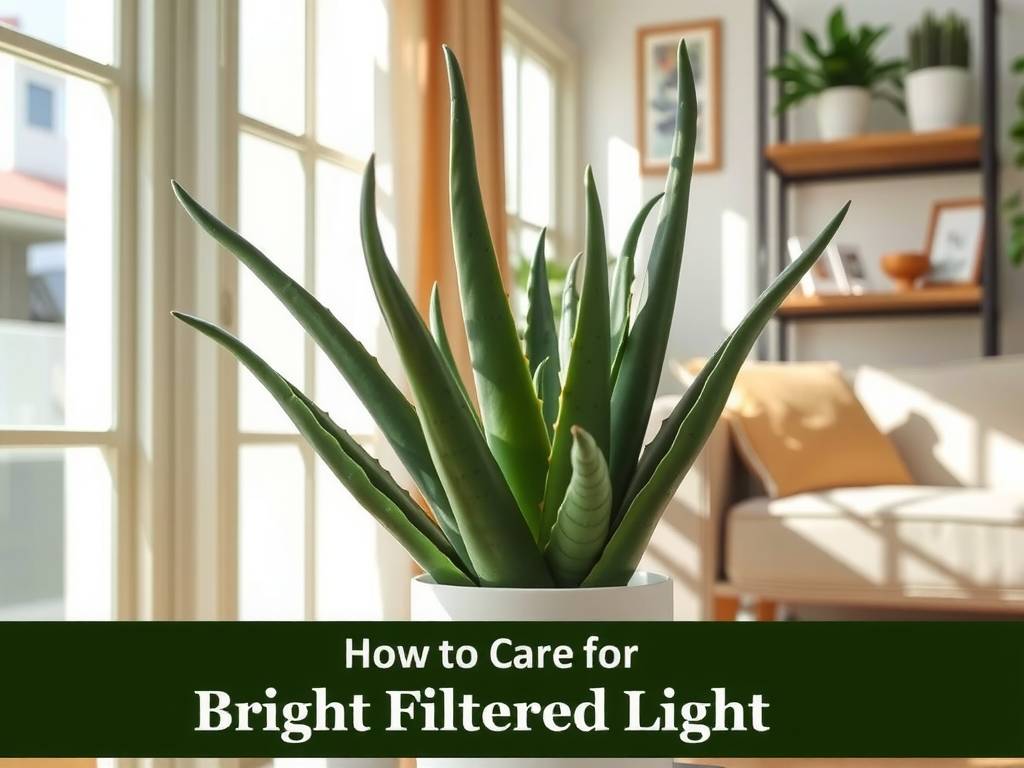
Can I use a grow light for my aloe vera? Absolutely. Grow lights are an excellent solution for homes with insufficient natural light. Use a full-spectrum LED grow light and position it 6-12 inches above the plant, providing 12-14 hours of light per day. This mimics the essential bright, indirect sunlight aloe needs to thrive indoors.
How often should I rotate my aloe plant? Rotating your aloe vera a quarter turn every time you water (roughly every 2-4 weeks) is a good practice. This ensures all sides receive even light, promoting symmetrical, upright growth and preventing it from leaning excessively toward the light source.
Caring for aloe vera successfully hinges on one fundamental principle: providing the right quality of light. By prioritizing bright filtered light care essentials, you create the foundation for a resilient plant. Pair this with mindful watering and well-draining soil, and your aloe vera will reward you with vigorous growth, a ready supply of soothing gel, and a striking, architectural presence in your space. Start by finding that perfect spot with a soft, fuzzy shadow, and watch your succulent truly flourish.